FORGET quiet places of mourning – cemeteries in the Klang Valley are transforming into dynamic new spaces.
From a cemetery-and-resort with badminton courts and a water park to historical sites or hosting lantern festivals and art exhibitions, these final resting places are shedding their solemn image.
They now become vibrant centres for recreation, community gathering, and historical preservation, attracting leisure seekers and heritage tourists alike.
StarMetro looks at how three establishments are integrating sports facilities, museums and festive gatherings with their core funeral services, proving that a place of remembrance can also be a place of joy.
New concept
At Fairy Park Heritage City, a gymnasium, netball court and water park facilities are part of the latest concept envisioned by the memorial park and funeral service company in Shah Alam.
Its group head of marketing and branding Cocoa Ng said this was how Fairy Park Heritage City executive director Koh Ko Tong chose to position the company in an industry that has up till now seen final resting places as quiet places of contemplation.
To use the facilities, people are required to make prior bookings via a software application.
Ng said public usage of the facilities were usually highest during weekends.
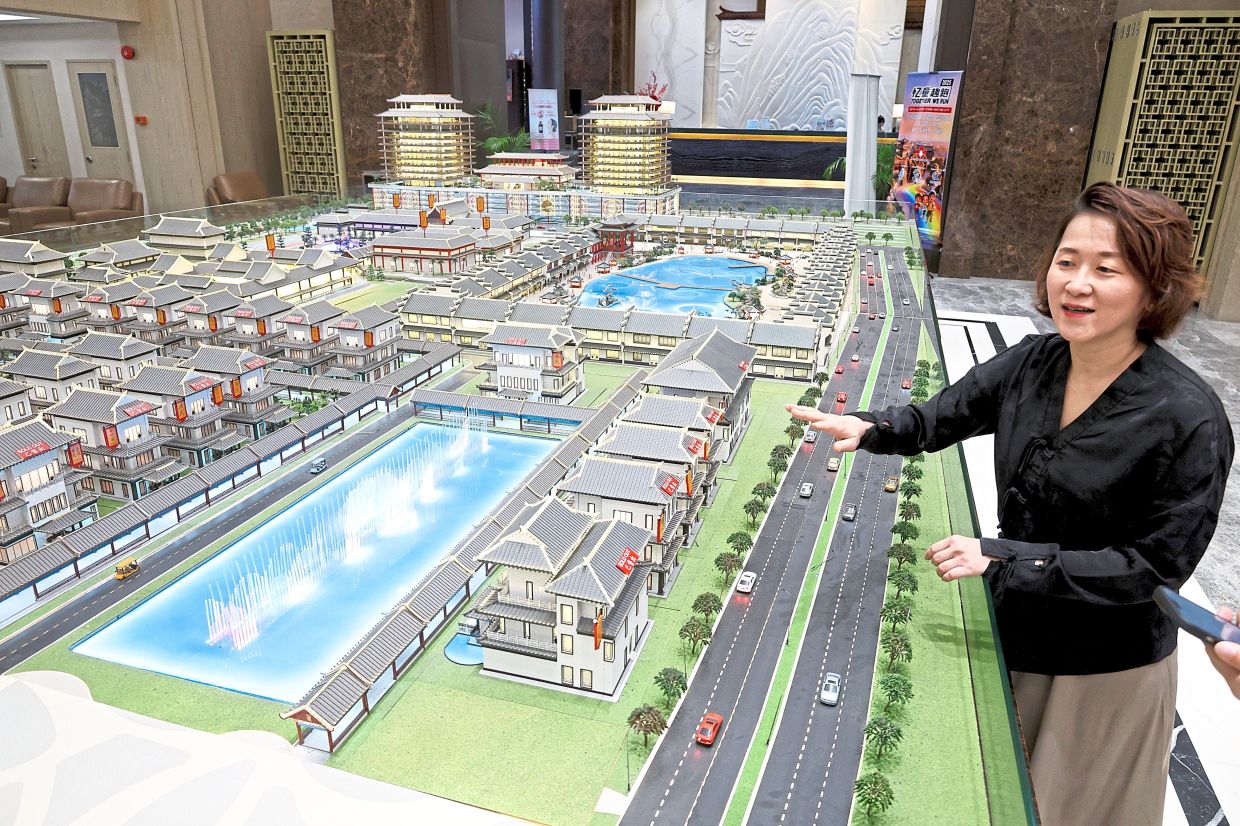
The badminton courts are also well frequented at night, booked by players who mostly reside in the surrounding area.
The 67.17ha cemetery also houses several columbarium blocks.
Ng said the idea was to create a new sustainable legacy for the industry.
She said that Koh developed the idea after visiting cemeteries around South-East Asian countries and found that they were largely quiet places.

“That was when Koh began to think about how a cemetery can be reimagined as a place for people to discover moments of joy.
“He was faced with a lot of skepticism but his father, Thian Seng, now 75, agreed with him. That really gave him the motivation to see his plan to fruition.”
However, the idea is not entirely new.
There are existing examples of cemeteries in Taiwan, the United States and Indonesia where cemeteries are utilised as parks, art galleries or wedding venues.
Ng said the company’s core business would not waiver from its original direction and that the funeral services and cemetery would remain a designated place for the burial and placing of cremated remains.
The existing recreational facilities will not be all that the cemetery will offer in its development plans, she said, adding that new phases would have a vocational school offering free education for the poor, glamping sites, and food stalls.
Venue for festivals
The Lantern Festival has been celebrated at the Hokkien cemetery in Bukit Seputeh from 2022 to 2024.
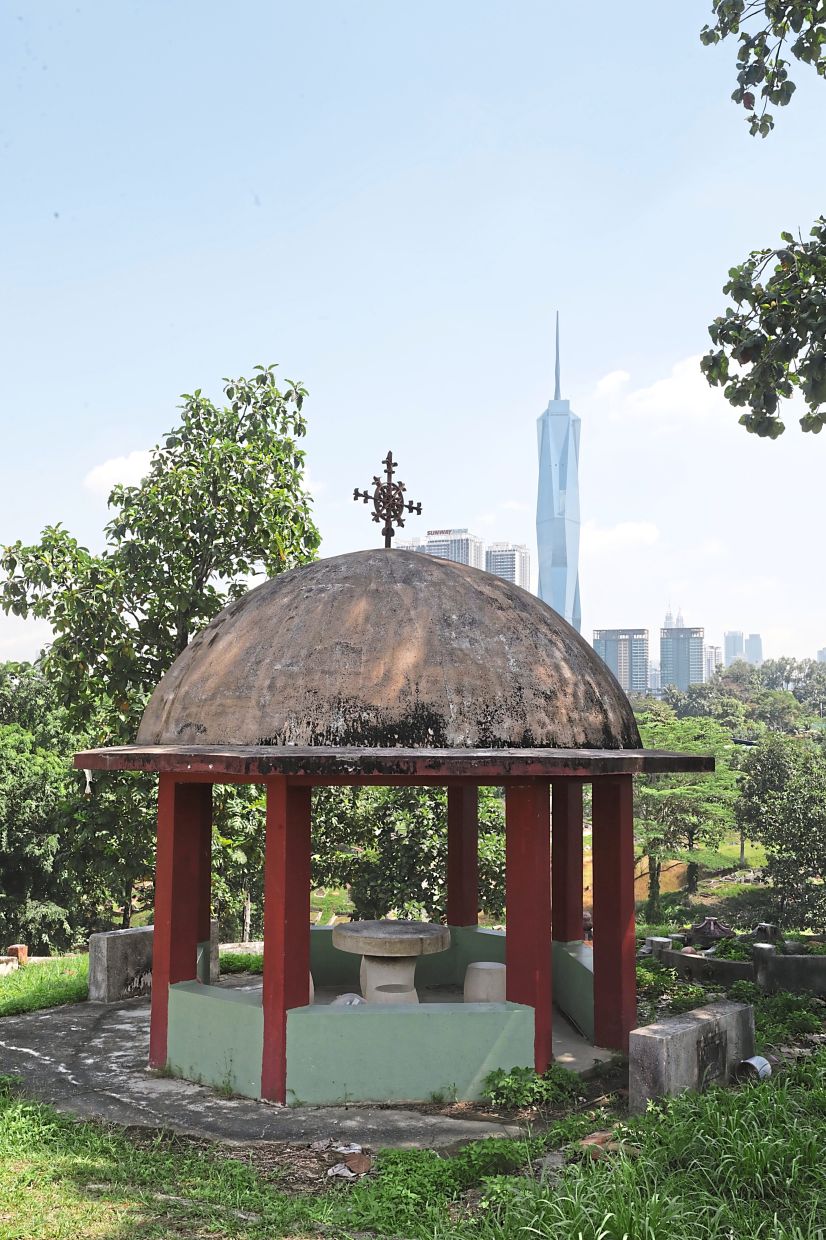
Selangor and Kuala Lumpur Hokkien Association (SKLHA) secretary-general Thay Peng Kee said the 59.89ha burial site for the Hokkien community was also where an art exhibition with free entry was held in 2022.
Thay could vividly recall that the exhibition, featuring several installations and photographs by nine artists, had paper cranes made out of folded envelopes hanging from some of the gazebos beside the graves.
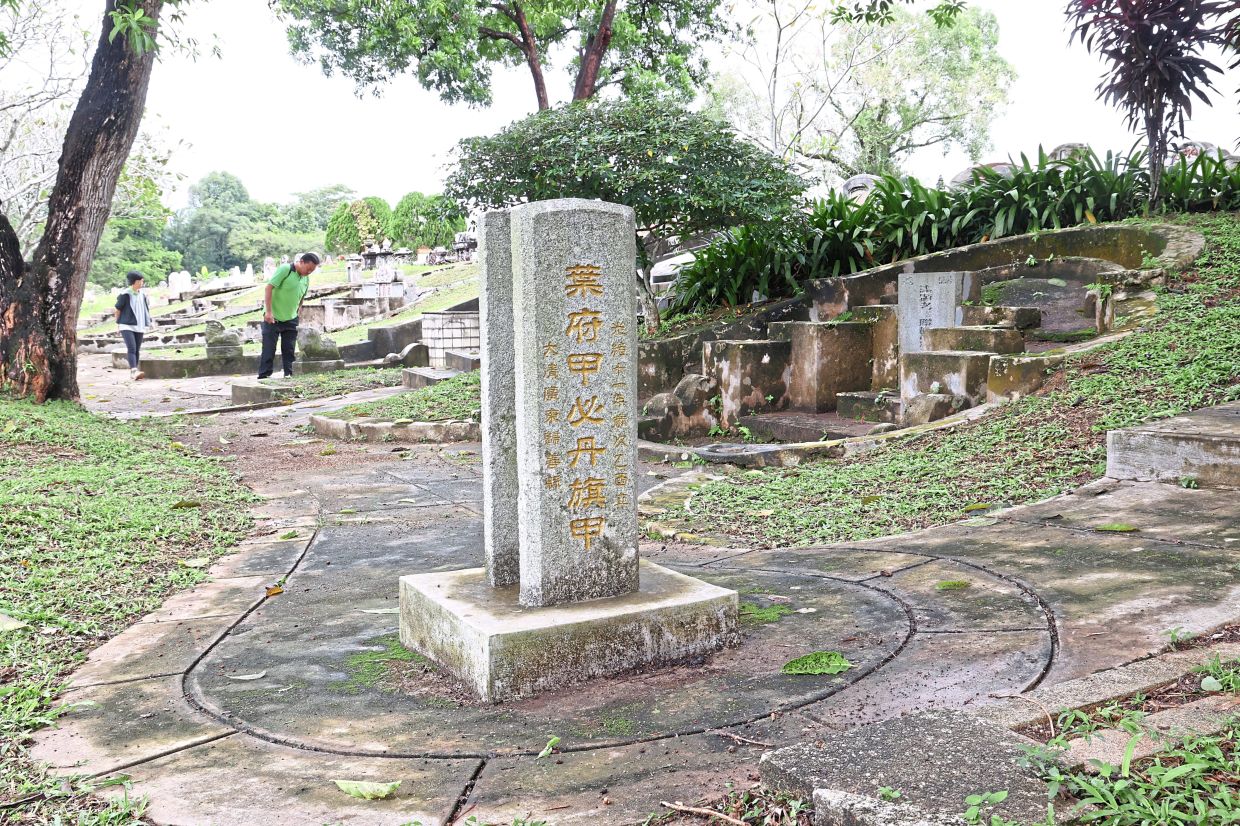
The Hokkien cemetery is also the final resting place of Cycle and Carriage co-founder Chua Cheng Tuan and education activist Lim Lian Geok.
When the Association of Kwong Tong Cemetery Management Kuala Lumpur (KTC) celebrated the Lantern Festival at its burial site recently, the 1,000-odd attendees were unanimous in their agreement that this was too good of an occasion to miss.
There was a free food bazaar, stage performances and fireworks.
Families rolled out their picnic mats while joking and laughing, happy to be with their close friends and loved ones.
Yap Chee Wah, 67, said he was not the least bothered by the event’s unusual location, being too preoccupied entertaining his family and friends.
“Anyway, I have family members buried here. So, in my own way, I am keeping their memories alive,” said Yap.
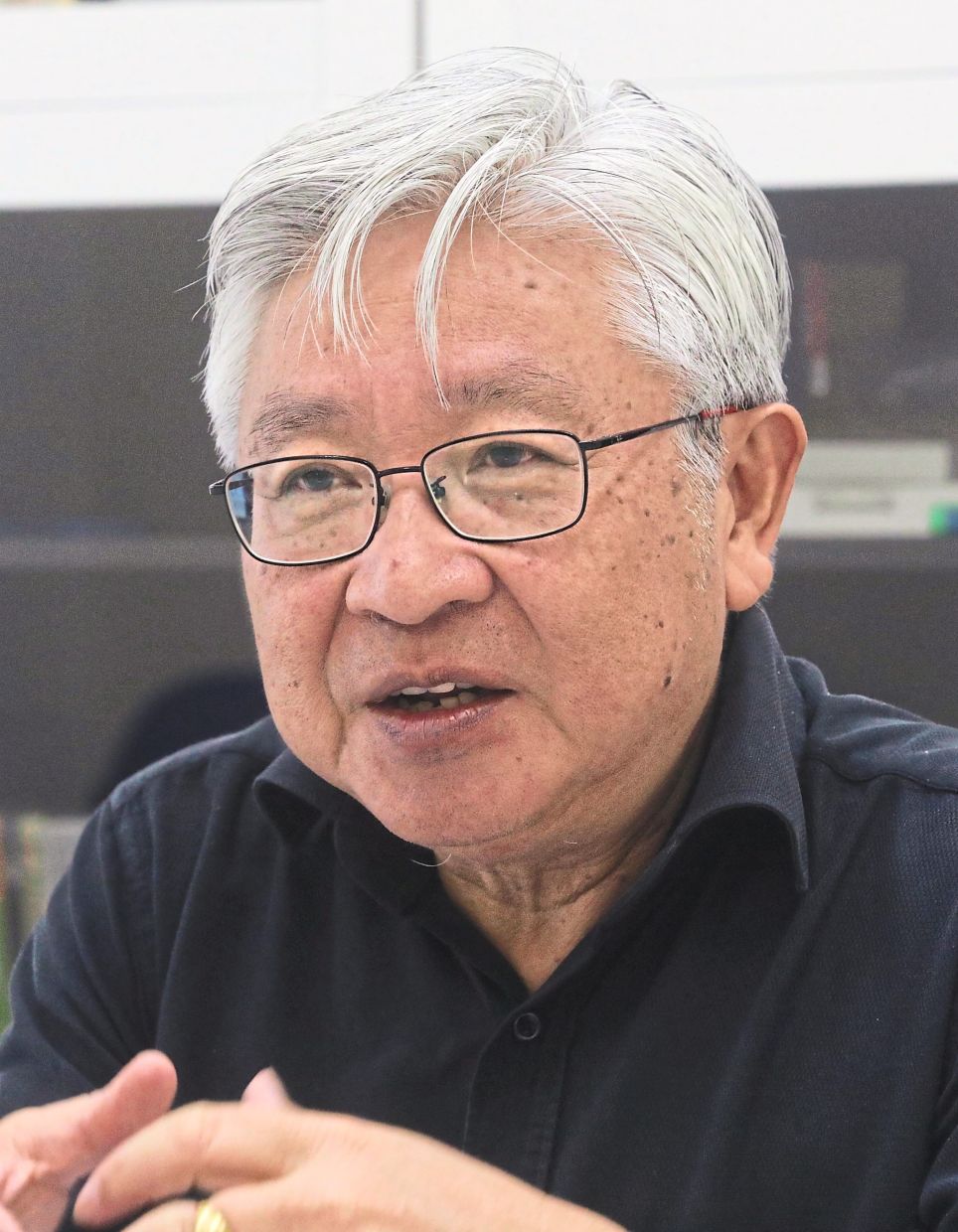
KTC chairman Yong Pock Yau said committee members had come up with alternative activities long before the lantern festival, to raise awareness of the existence of the 106.43ha KTC burial site in Bukit Seputeh.
“What spurred us to act was when the cemeteries were served with an eviction notice in 1998 to make way for the development of a central business district.
“The land was finally gazetted as a burial site after the matter was brought up in Parliament,” said Yong.
“At that time, the cemetery was overgrown with lalang and many of the graves were neglected.
“Even the graves of prominent Chinese community leaders, like Yap Ah Loy who was the third “Kapitan Cina” of Kuala Lumpur, were in ruins.

“It was Lee Chun Kong, the then KTC president, who said that if the cemetery was not maintained, the government was most likely to step in again.
“Therefore, it was imperative that KTC took measures to restructure the landscaping and infrastructure.
“For this, we budgeted RM2mil and appointed an environmental planner and landscape architect to do up the place,” added Yong.
As the Chinese cemeteries in Bukit Seputeh have war memorials and cenotaphs of Chinese clans and noted community figures such as Yap Kwan Seng, Chan Sow Lin and Chiew Yoke, it was decided that historical significance of such cemeteries be preserved.
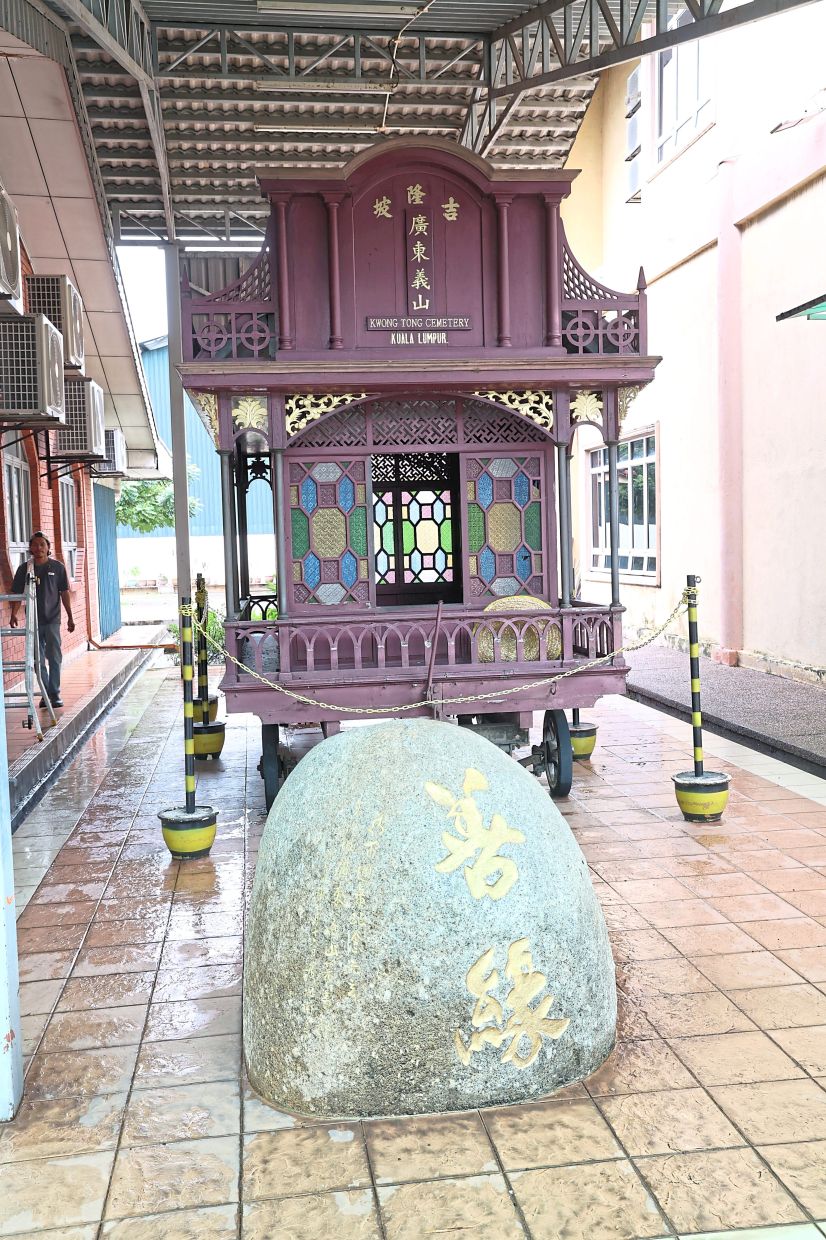
In line with this, KTC allocated another RM2.3mil to build a memorial and a museum to commemorate the bravery of mechanics and truck drivers who had volunteered their services during the Japanese Occupation.
This newly completed museum is housed in a 100-year-old building.
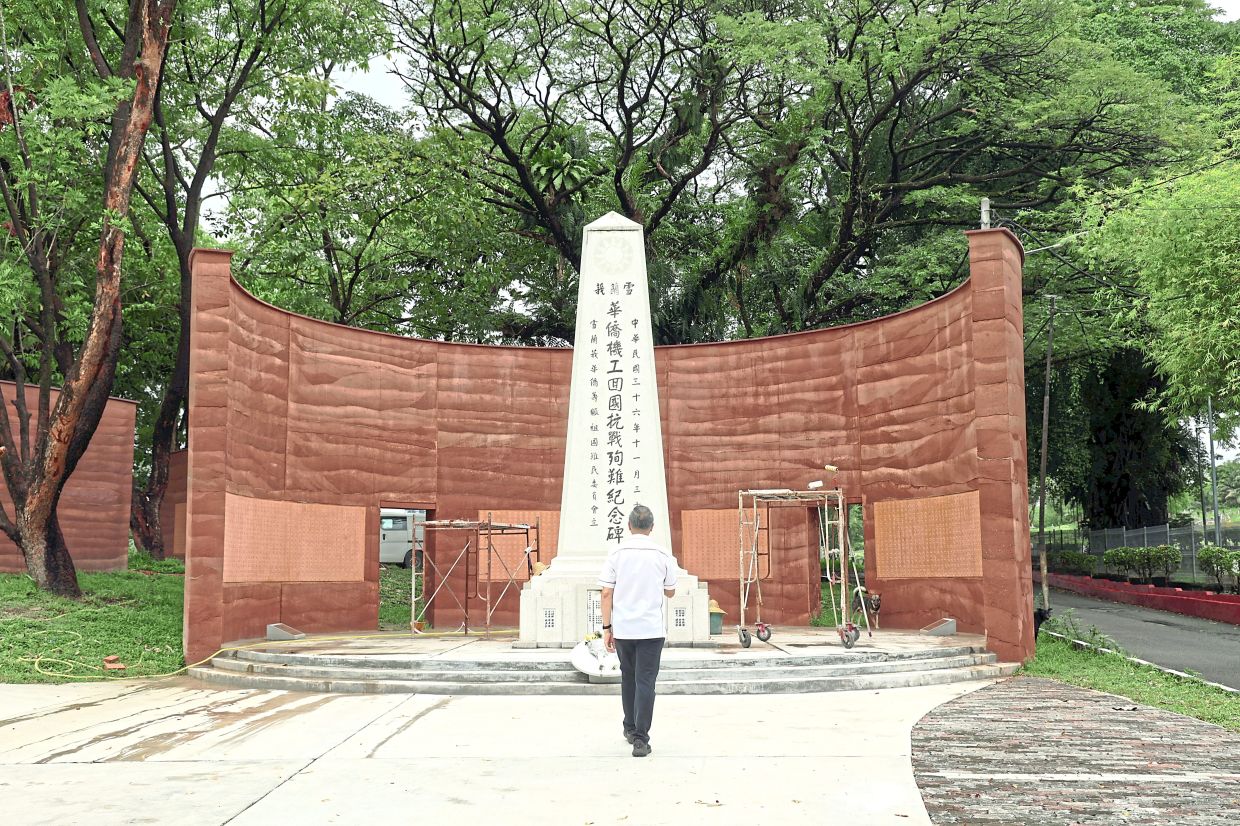
It stands beside an existing monument built in 1947.
Additional landscaping in the form of several circular walls using the rammed earth technique were also built.
Further to the park and museum, another park − known as the World War II Memorial Peace Park and is home to a 30.8m monument − was built at a cost of RM7mil.
Another RM45mil would go towards the building of Wisma KTC that houses the administration office, auditorium, ballroom and a restaurant.
Construction for the complex was completed in 2022, while the peace park and museum were completed this year.
KTC also offers tours for visitors.
Those interested have to contact the office and not more than 20 people at a time are allowed.
All the services and facilities mentioned are free for the public, but with terms and conditions.
On the number of ongoing non-funeral activities, Yong said there had been no objections.
“Though there are certain parties who feel that this place should not be too ‘busy’, the families of those who are buried here don’t really have a problem with it,” he said.
In fact, the Kwong Tong and Hokkien cemetery grounds also see regular visitors who turn up as early as 6am for their morning walks.
One of the service roads is also used as a daily shortcut by the parents whose children attend the Chinese primary school nearby.
During the rainy season, a stream running through the Hokkien cemetery is a draw for waders.
Tourist attractions
Chow Hoong Fai, president of Jalan-Jalan Klang, a non-governmental organisation consisting of guides who conduct walking tours in Klang, said that in addition to KTC, Hokkien Cemetery and Fairy Park’s Heritage City, other cemeteries such as the Taiping War Cemetery, St Paul’s Hill and Bukit Cina in Melaka were also known for their historical and cultural value.
“Most of the tourists rarely include cemeteries in their itinerary, unless they have a historical or cultural purpose.
“However, niche travellers like historians, photographers, educators and heritage enthusiasts are interested.
“They usually seek a reflective, educational and storytelling experience, not something scary,” said Chow, 43.
He said cemetery tourism in Malaysia remained niche but has a growing interest, especially when linked to heritage trails or famous historical figures.
“The best approach is to frame cemetery tours as a heritage and remembrance experience, not a horror attraction.
“The storytelling should focus on the lives, contributions and legacy of those buried there, connecting their stories to the nation’s history.

“Respect is key.
“Avoid sensationalism, ensure appropriate dress code and maintain a solemn tone,” he advised.
Chow said the “scare factor” might attract thrill seekers temporarily, but it would not promote cultural respect or sustainability.
“I believe this type of tourism should emphasise on heritage, peace and reflection, not fear.
“To make cemeteries visitor- friendly, several facilities are essential such as proper pathways and multilingual signage.
“So are toilets and resting areas, especially for large or hillside cemeteries.
“Transportation access and safe parking are also crucial, as well as guided tour services with trained interpreters.
“The site also needs basic lighting and security for safety.
“These improvements ensure accessibility without disrupting the cemetery’s sacred atmosphere,” he added.
Chow said complementary activities should align with the educational and cultural tone.
“For example, heritage storytelling sessions, grave restoration volunteer programmes, cultural walks linking nearby temples, churches or old towns, and art or photography exhibitions inspired by remembrance themes.
“Karaoke or pubs would not be suitable, as they may be seen as disrespectful to the deceased and the families.
“Activities should remain reflective, artistic and community- based, like the Mid Autumn Festival, jogathon or sketching outings,” said Chow.