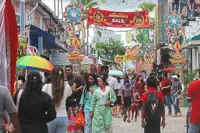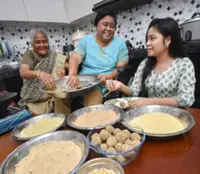
Celebrating Deepavali is not just about the victory of good over evil, but one that focuses on aspects of cleanliness, prosperity and self-discipline.
All these aspects are manifested through the glow of the vilakku (oil lamps) which, for the Indian community, carries a deep meaning beyond a decorative item.
Hence, for Deepavali, copper or brass lamp are essential and must be polished ahead of the Festival of Lights.
Cleanstant Metal Polishing director K. Letchumi Devi, 69, who runs a traditional lamp repair and polishing service in Buntong in Ipoh, Perak, said the oil lamp was considered an object that absorbed positive energy and vibes during religious ceremonies.
She said the shiny condition of the lamp symbolised readiness to receive prosperity and joy, while emphasising the Deepavali celebration as a time to welcome the good things in life.
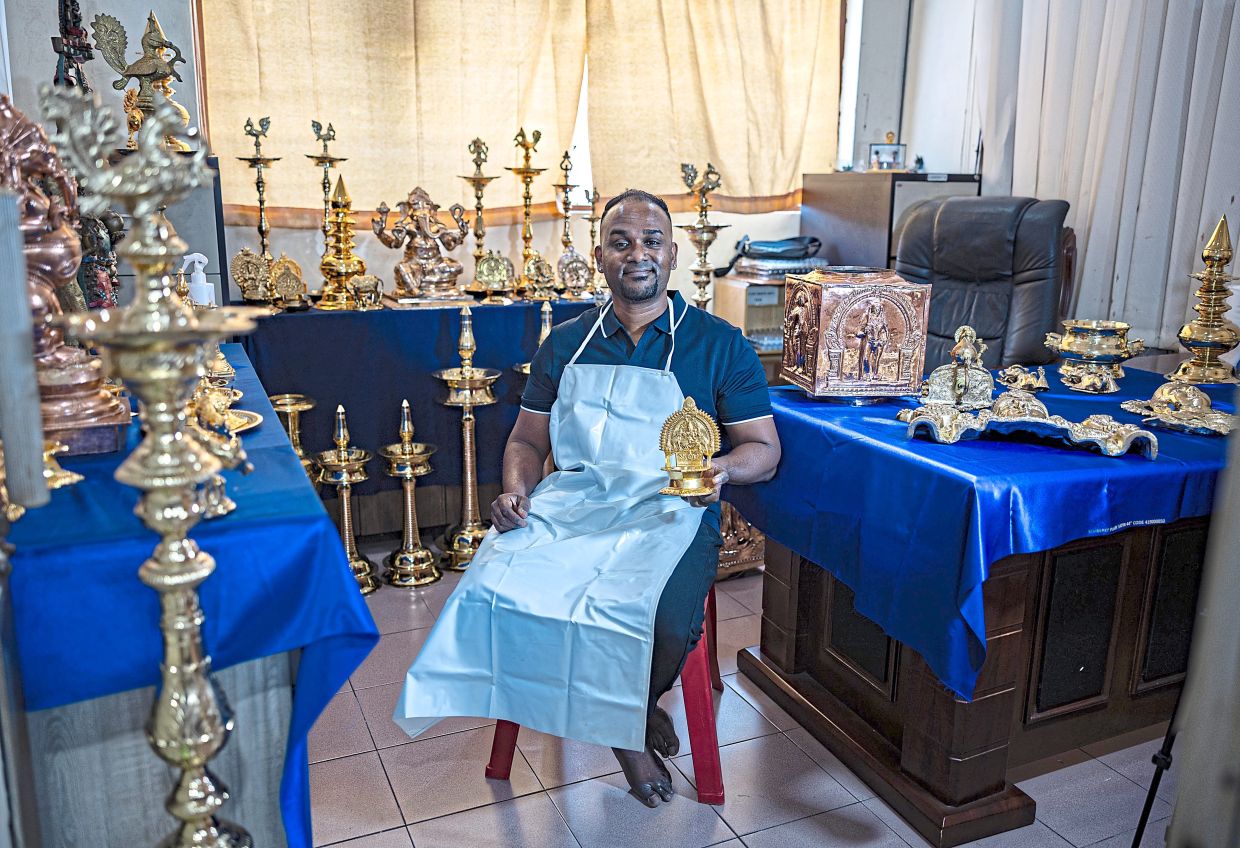
“Deepavali is about celebrating brightness over darkness. The festival is about life, health, prosperity and happiness,” she told Bernama when met at her shop.
Letchumi Devi said there were various types of vilakku, including the kamachi vilakku (often placed in prayer rooms) and mann vilakku (clay lamps).
She said the multi-tiered lamp was also popular as it symbolised abundance and prosperity on many levels.
Her youngest son, 40-year-old B. Kanishen, who is also the company director, said there were no requirements concerning the cleanliness of the lamp itself, but it was better for it to be clean and shiny.
“The shinier the lamp, the better,” he said, adding that his company (which began operating in 2015) offered polishing and restoration services for copper and brass.
Kanishen said demand for polishing services would usually increase by about 50% ahead of major festivals like Deepavali and Ponggal.
He said the sale of the company’s products, such as the thiri holders, was stable throughout the year with an average of 150 to 250 units sold per day.
Besides Ipoh, the company has stores in Subang Jaya (Selangor) and Johor Baru.