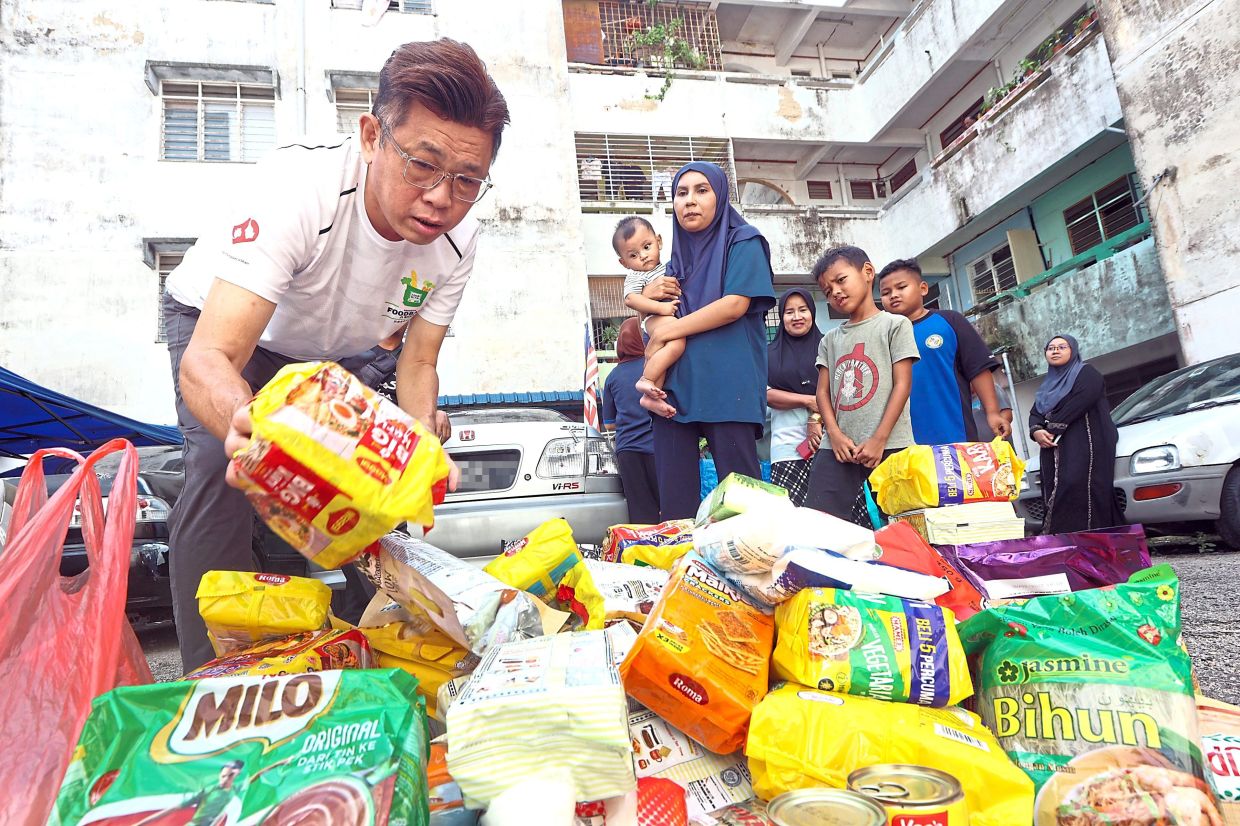
TOMMIE Lau is a regular volunteer at food aid distribution events.
He said seeing the response from beneficiaries, from a grandfather who thanked him repeatedly, to children clutching packets of biscuits like a treasure, kept him going.
“These moments remind me of why I stay consistent in my contributions.
“I want to make sure those struggling know that they matter,” said Lau, who is president of non-governmental organisation (NGO) Pertubuhan Penyayang Insan Malaysia.
Such aid via food banks remains essential as many Malaysian households still face food insecurity while income inequality remains high.
A March 2025 study by Norma Mansor and Amjad Rabi from Universiti Malaya’s Social Wellbeing Research Centre, Food Affordability in Malaysia: When Markets and Money Decide What to Eat, stated that a significant portion of the population faced food insecurity despite relatively stable prices.
Although the national Household Income and Expenditure Survey 2024 showed that the average monthly disposable income of Malaysians increased by 3.2% in last year, economists noted in The Star that rising living costs continued to blunt real gains.
The government on its part has put in place several measures to help with the rising cost of living, including providing Sumbangan Tunai Rahmah (STR) and Sumbangan Asas Rahmah (Sara) aid to target groups.
However, food banks still play an important role in helping low-income households.
StarMetro features several that are making a difference.
Mydin hypermarkets
The major local retailer operates physical food banks under its “Mydin Prihatin” initiative.
Launched in April 2021 in collaboration with Women, Family and Community Development Ministry, items – biscuits, rice, canned sardines, instant noodles, cooking oil, sugar, infant formula, diapers and baby food – can be purchased and donated at 28 Mydin hypermarkets nationwide.
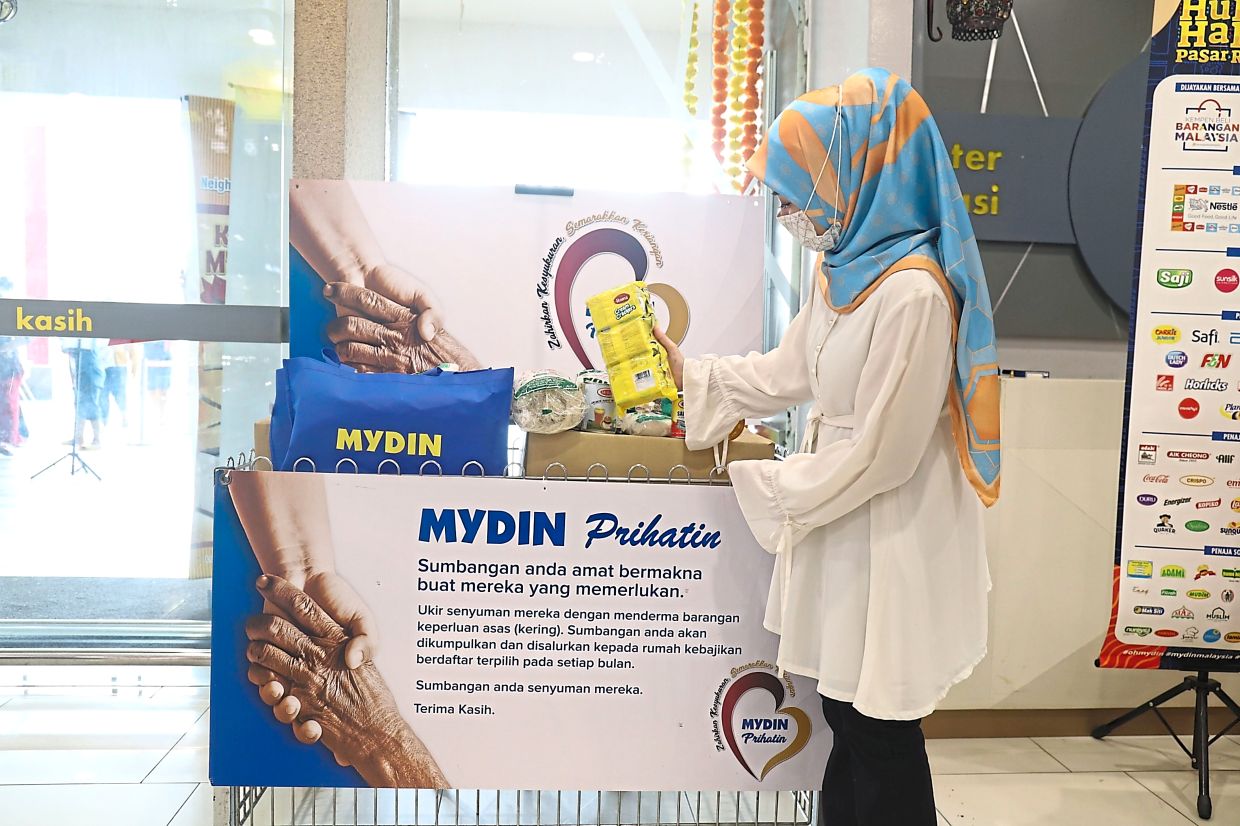
The goods are channelled primarily to Social Welfare Department-registered charity homes including orphanages, old folks homes, women’s and children’s shelters and centres for people with disabilities.
Mydin managing director Datuk Ameer Ali Mydin noted that it was not just the homeless or unemployed who were affected by food scarcity.
Many working individuals were also struggling due to the rising cost of living, he said.
“This effort is not just about making food available, it is about being able to access it with dignity and having a support system they can rely on.
“Greater awareness of this reality would show how even a small contribution or support for organised efforts can truly change lives.”
Clearly marked donation bins are located near Mydin hypermarket entrances or checkout areas.
448 Food Bank
This nationwide movement is run by volunteers who are encouraged to dedicate four hours each month, totalling 48 hours a year, to support food bank activities and services – thus its name 448 Food Bank.
Started in 2013 in Klang, Selangor, it now runs six branches in the Klang Valley, and has since expanded to Perak and Johor.
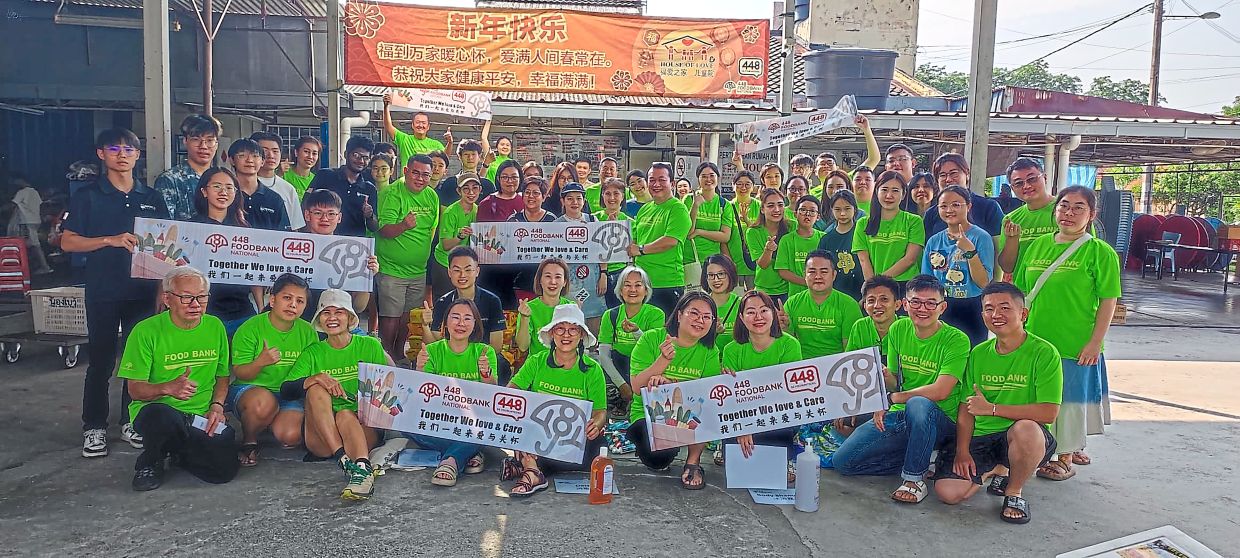
448 Food Bank focuses on B40 households with monthly income below RM2,000, orphanages housing children under the age of 15, bedridden elderly without children and single-parent households.
Founder Joseph Pang said, “Other than sharing food, our volunteers also share time and care for families in need.”
To volunteer, go to www.448foodbank.org
Beacon Mart
Addressing food security has been part of the business since Beacon Mart began operating in 2020.
According to its business development manager Hannah Rachel Hower, 2% of proceeds for every item purchased is channelled to its corporate social responsibility (CSR) programme.
Beacon Mart works with several NGOs to support old folks homes, orphanages and single-parent households across 45 Klang Valley outlets.
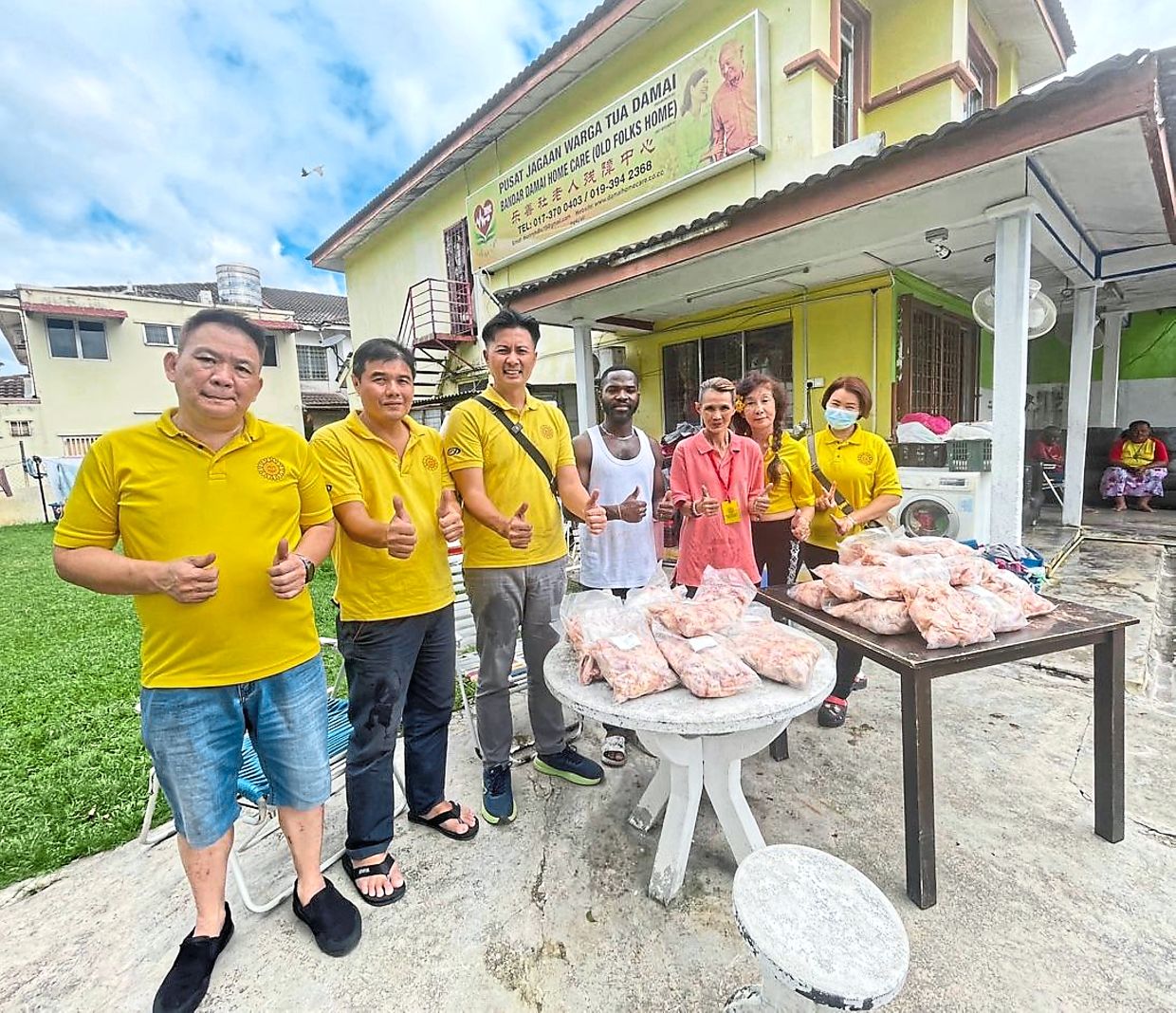
“We have a team of people and a person in charge to identify those in need and offer a helping hand as soon as we can.
“We provide high-quality products such as chicken, frozen fish and sausages with a long shelf life.
“This ensures the food we provide lasts longer,” she added.
PJ City Food Bank
PJ City Food Bank is an initiative by Petaling Jaya City Council (MBPJ) that has been operating for over 12 years.
It aims to help urban poor communities, including low-income households, orphanages, old folks homes, welfare homes and people with disabilities (OKU) living in Petaling Jaya by providing them with a consistent supply of food.
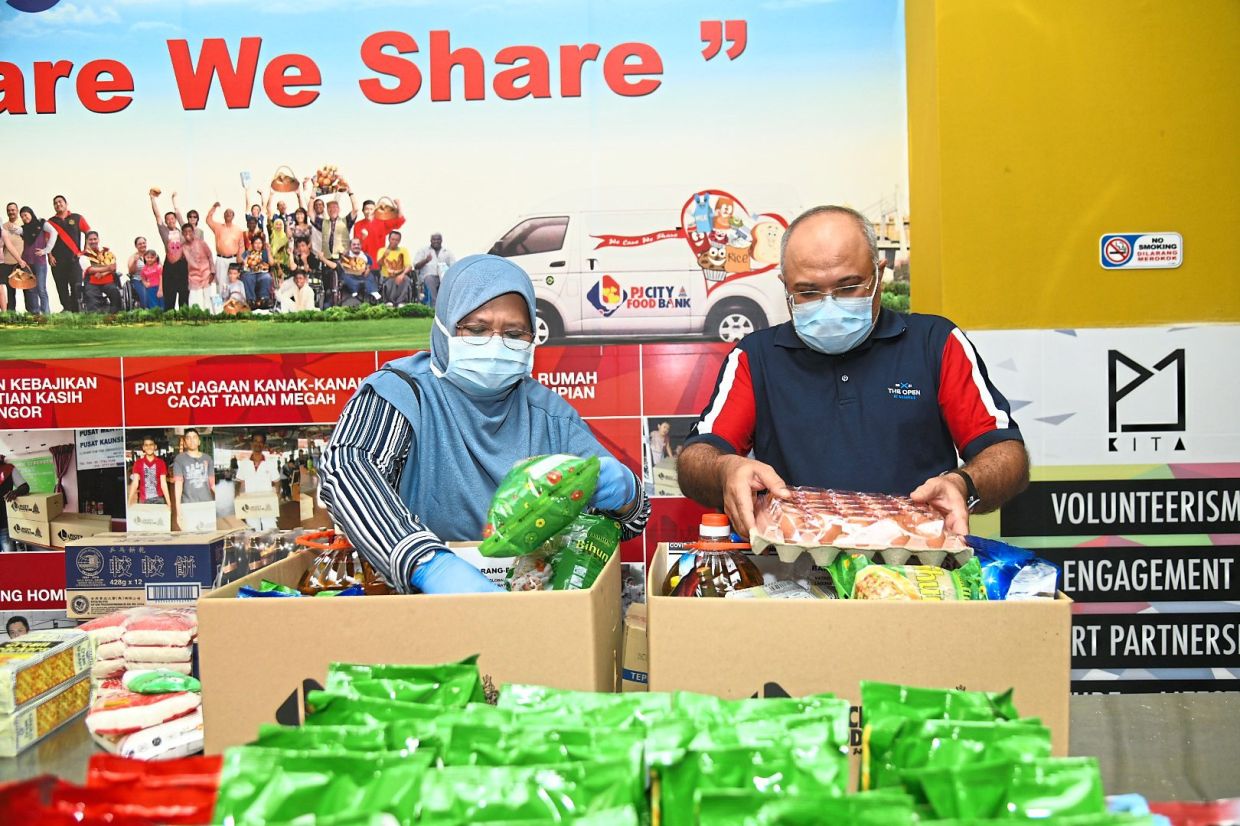
Food donations from factories, supermarkets, bakeries, hotels and restaurants are stored at its operations centre in Avenue 8 before being distributed to those in need.
PETRONAS stations
The food bank programme started as an initiative by PETRONAS station business partners and local communities to provide essential items at selected stations nationwide.
More than 300 participating stations were identified through the Setel app and Deliver2me website.
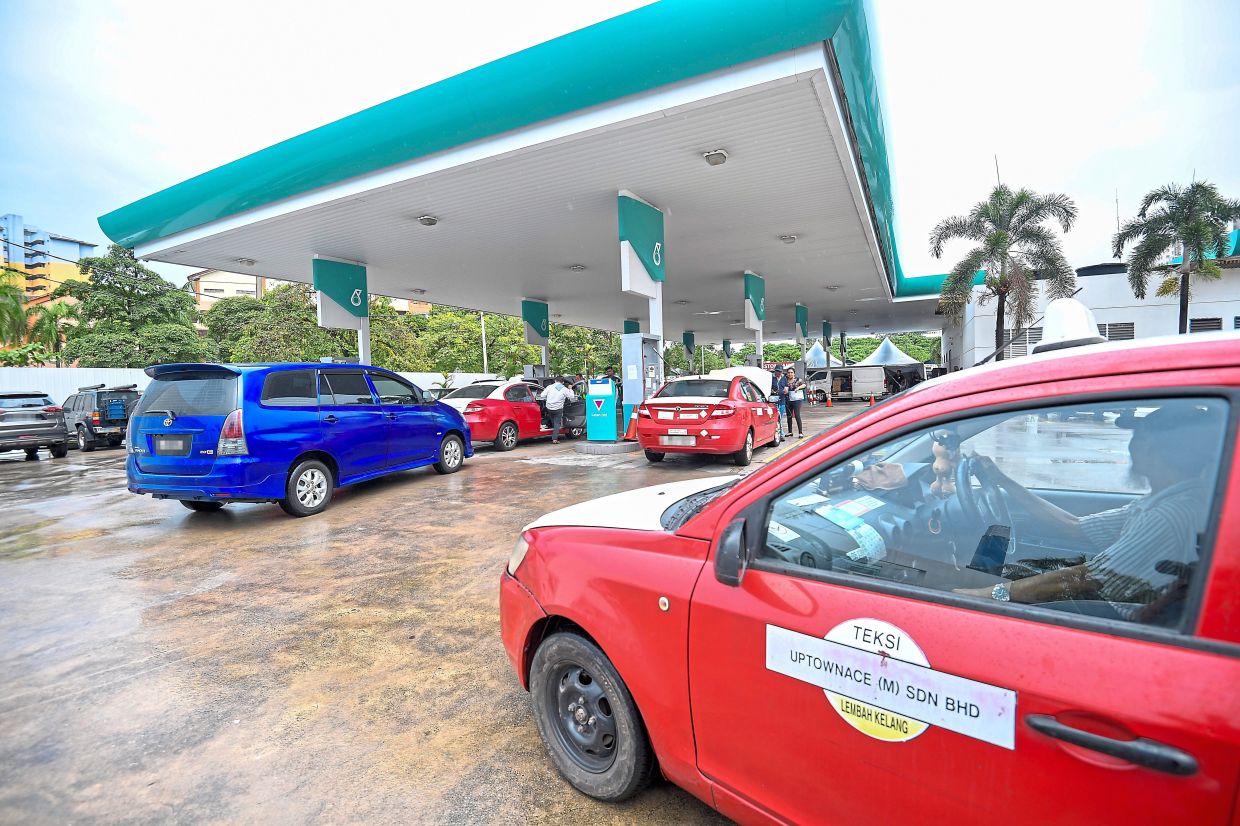
Those who want to contribute can purchase items through the Setel app which has a food bank feature.
The entire process has since moved online, with items like canned food, rice, sugar, flour, instant noodles, sardines, eggs, bread and cooking oil now sent directly to identified recipients.
Village Grocer
Village Grocer’s physical food bank counters were set up in June 2020 during the Covid-19 pandemic.
The initiative called ‘Box of Hope’ is continuing thanks to coordination by Yayasan Food Bank Malaysia in partnership with Air Selangor under the Sesama Mara programme.
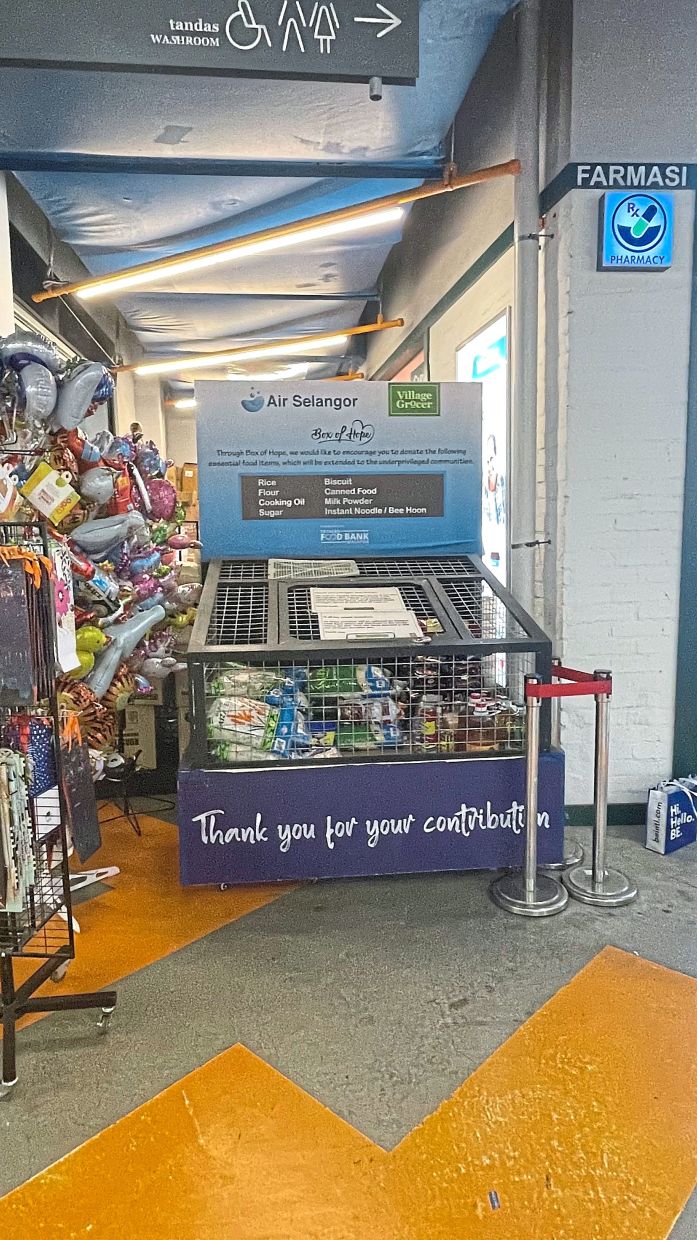
Dry goods can be purchased by donors, while would-be recipients can request items through Village Grocer headquarters.
Donation boxes are available at MyTown Cheras and 1 Mont Kiara in Kuala Lumpur, and I-City Mall Shah Alam, Melawati Mall Ampang and Tamarind Square Cyberjaya in Selangor.