Built in the 1960s and 1970s, most of Kuala Lumpur’s ageing flats are still home to first-generation owners who are now above 60 years old.
As such, any redevelopment plan that ignores the needs of the elderly risks turning progress into hardship for these people.
Take 1Razak Mansion off Jalan Sungai Besi in Salak South.
This project has long been hailed as the model for urban renewal.
At 86, Chan Shing Wah and his wife Niam Nyok Yun are among the project’s oldest residents.
“We’re grateful for this new flat – it’s bigger and nicer, but that does not make life easier for us old folks.
“We don’t earn anymore, we just use our savings and it’s not cheap to live in a bigger place with all these new facilities,” said Chan.
Wheelchair-bound after an injury, Chan depends on his wife for even the smallest tasks.
Buying food is manageable with a market and food court just downstairs, but trips to the hospital, clinic or bank are tough for them.
“Going to the clinic is hard.
“We can’t walk far and there’s no nearby healthcare so we end up paying for e-hailing because taking public transport isn’t easy at our age,” he added.
For Chan and Niam, their day-to-day is made a little easier with 35-year-old Anthony Tan Gim Guan’s help.

1Razak Mansion management corporation (MC) chairman Tan goes out of his way to help residents pay bills, meet basic needs and even secure disabled parking spaces.
“Shiny new towers ring hollow without access to vital health services, safe pedestrian paths, reliable public transport and affordable maintenance,” said Tan.
“This is why rushing the proposed Urban Renewal Act (URA) without proper safeguards could backfire badly.
“Many of our old flats are home to seniors who cannot simply be moved into tall new towers with no nearby clinics, poor transport links and little social support.
“If we are not careful, the URA could turn what is meant to be progress into a trap – shiny on the outside, but leaving residents cut off and struggling inside.”
Listening to residents
Tan said he felt responsible for his neighbours because this had been his home since childhood.
“I am a second-generation resident, born and bred here.
“I grew up with these uncles and aunties who now make up about 60% of our community.
“Our older neighbours are going to need more help as time goes on,” he added.
He said talk of building higher, modern apartments sometimes failed to include the human element; urban renewal should not just mean tearing down and rebuilding.
“It has to plan for ageing – that means ensuring there are safe, non-slip walkways and ramps, reliable lifts, nearby healthcare, affordable maintenance fees and spaces where seniors can meet, exercise and stay active.
“If the homes do not fit their needs, older folks will eventually sell and move, either into old folks’ homes or far outside the city where it is cheaper.
“That is when gentrification happens; the very people who built and kept a neighbourhood alive get pushed out,” added Tan.

People-centric planning
According to town planner and environmental consultant Pratap Chandran Gopinath, proper town planning must be central to any redevelopment.
He cautioned against demolishing housing estates that were structurally sound but looked old, saying those should be upgraded instead.
“When a full rebuild is really needed, we must first look at who lives there.
“If most residents are older, you cannot design only for young families or working adults.
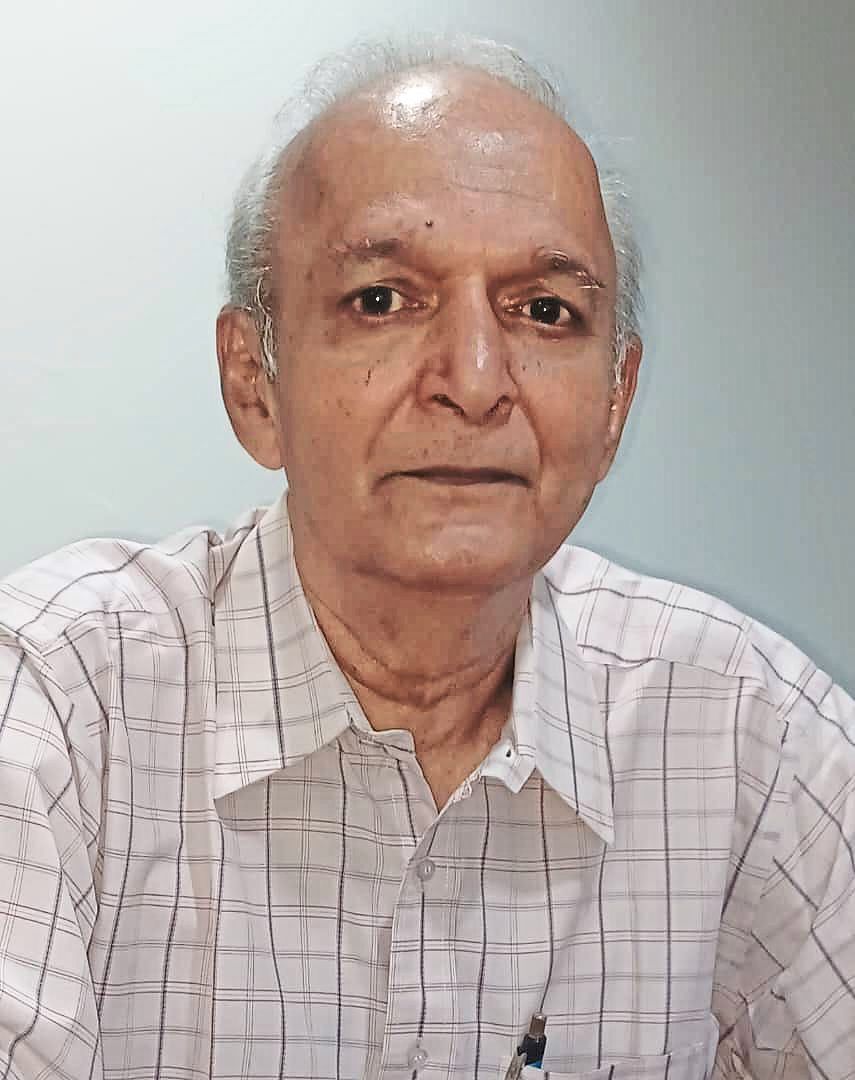
“Clinics, markets, parks, community halls and good transport links must be planned from the start,” he said.
Pratap said older people needed more than a roof over their heads.
“Homes should also be easy to adapt and equip with wheelchairs or grab bars.
“If these needs are overlooked now, retrofitting later becomes costly, leaving many stuck or cut off from the world outside,” added Pratap.

Kuala Lumpur Residents Action for Sustainable Development Association public policy adviser Han Jun Siew said communities must have a say in urban renewal decisions.
“After all, it is their land and property.
“But beyond having the right facilities, residents also need the skills to manage their upgraded buildings and common spaces.
“Many long-time homeowners are not trained to run management bodies or handle technical, legal and financial matters,” he said, adding that capacity building was crucial.
Han said the government should help residents access professional advice, independent valuers, architects and town planners, so they could make informed decisions and negotiate better with developers.
“Without this support, even the best-designed redevelopment can struggle to stay liveable and well-maintained,” he added.
Similarly, Tan felt that too many projects were planned without understanding what residents could afford or manage.
“Before any design is finalised, the government and town planners must assess residents’ financial capacity.
“Buildings should be practical, durable and easy to maintain to keep long-term costs down.
“Project developers should set aside part of their profits for a capital fund to cover major expenses such as lift replacements and refurbishments, so residents are not burdened later.”
When designing the redevelopment, Tan said town planners should also include income-generating features, such as parking bays, retail shoplots and multipurpose hall, so the building’s management could earn rental income to offset maintenance costs.
“Urban renewal must be sustainable and community-first, not just beautiful on paper,” he added.
Model with limits
As MC chairman, Tan is grappling with a RM1.4mil unpaid electricity bill left by inexperienced early committees and another RM1.5mil needed for refurbishments.
He said many residents had stopped paying fees and some did not even live in their units.
The original Razak Mansion consisted of 15 blocks of four-storey walk-up flats built between 1961 and 1967.
Over the decades, the flats deteriorated, plagued by leaking pipes, cracked walls and low water pressure.
Redevelopment replaced the ageing structures with three mid-rise blocks comprising 658 spacious units and enhanced amenities.
There was little resistance from residents and, on March 15, 2017, the 557 original owners received keys to their new 1Razak Mansion homes at no cost, while 101 long-term tenants had the option to purchase units for RM42,000.
But while 1Razak Mansion is often touted as a success story, it is not easily replicated.
“Managing 1Razak Mansion has shown me that the real challenges begin long after the ribbon-cutting.
“Our sinking fund collects just RM14 per unit, nowhere near enough for major repairs like lifts, pumps, fire systems and waterproofing,” Tan said.
In Malaysia, buildings must save at least 10% of the monthly maintenance fees into a sinking fund.
“But this rate was set decades ago and has not kept up with today’s costly repairs.
“The ‘fix it only when it breaks’ attitude is risky and makes repairs more expensive, wears out buildings faster and lowers property value.
“Urban renewal must plan for the next 10, 20, even 30 years, otherwise we are just setting people up for failure,” added Tan.

Road ahead
The government has identified 139 sites in Kuala Lumpur for potential redevelopment, including 91 residential strata properties.
Under the proposed URA, owner consent threshold was initially set at 80% for buildings under 30 years, 75% for older buildings and 51% for abandoned projects.
The government later said it would standardise the threshold at 80% for all buildings to speed up renewal efforts.
The Bill, initially slated for second reading in the Dewan Rakyat today with further amendments expected before a third reading, has now been postponed until after Budget 2026 on Oct 10.
Housing and Local Government Minister Nga Kor Ming said the ministry had no issue deferring the Bill, following calls from political parties, professional bodies, non-governmental organisations (NGOs) and residents’ associations who worry about the erosion of property rights and tipping the balance of power towards developers.
The ministry, he added, remained open to constructive feedback.
For now, residents like Chan and Tan are grateful for the postponement and hope their feedback will lead to a redevelopment plan that is about more than just new construction, ensuring that ageing communities are not left behind.