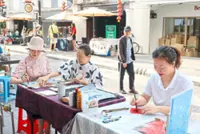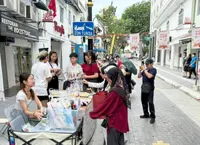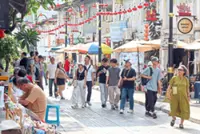
On any given day, Jalan Tan Hiok Nee is defined by its quaint stretch of pre-war shophouses in the heart of downtown Johor Baru.
But on Saturday, it transforms into a bustling cultural hub where music, chatter and laughter fill the air.
The road is closed to vehicles as vendors set up their stalls from early morning, lining the street with handmade crafts, trinkets, art, food and drinks.
Families, tourists and regulars often gather to browse, chat with artisans or simply soak up the cheerful ambience that makes the Jalan Tan Hiok Nee Cultural Street a weekend destination.
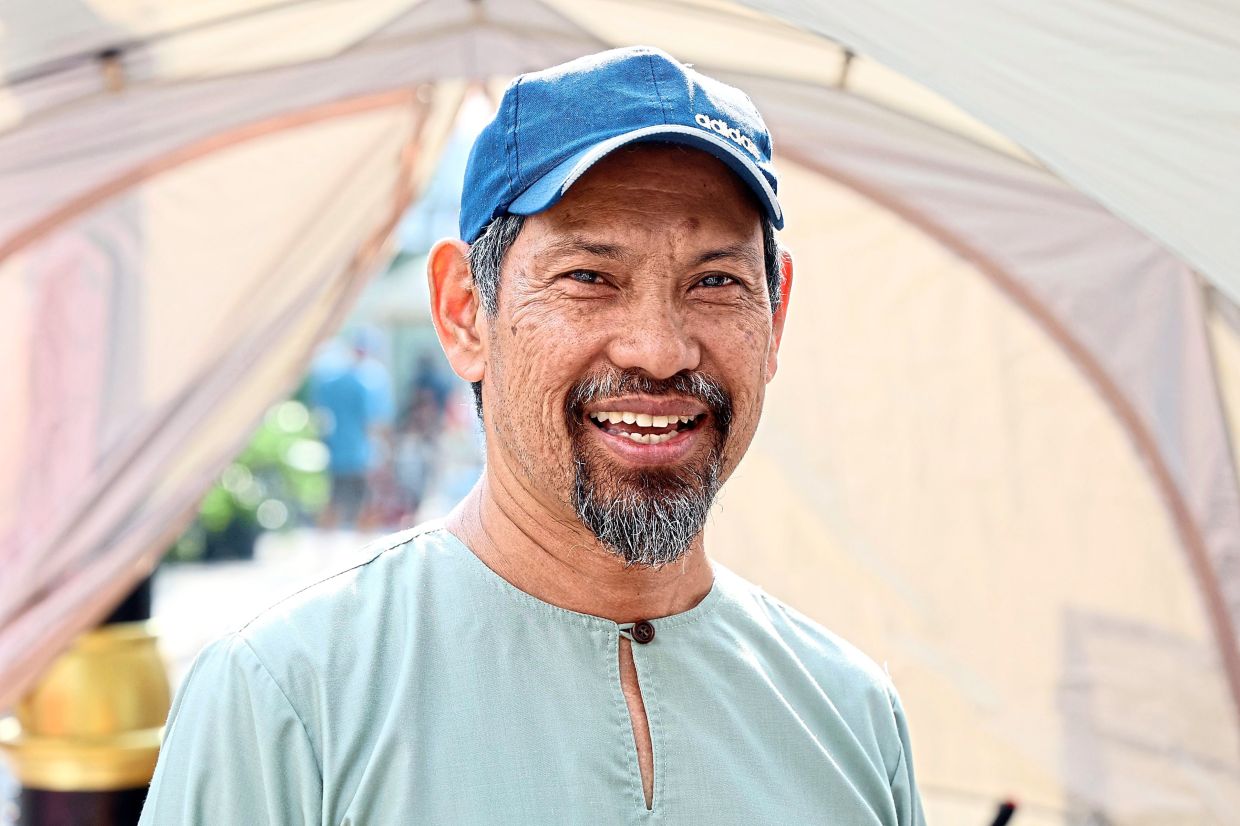
For Singaporean visitor Ramli Lahiyat, 65, stumbling across the street market was a pleasant surprise.
“I was strolling by after breakfast and was drawn in by the lively music and colourful lanterns, so I decided to check it out.
“It is good to see young people given the opportunity to sell their goods at the market, helping to bring in more visitors to the area,” said Ramli, who was visiting Johor Baru with his family.
He said his family often crossed the Causeway on Thursdays and stayed until Sunday to enjoy Johor Baru’s food and shopping scene.
“We especially like the wide choice of food available here, such as nasi lemak, laksa Johor and the buffet-style breakfast spread at many eateries.
“I also hope to see more street markets like this in other areas so we can explore more,” he said.
Italian visitor David Renon, 53, who lives in Singapore, said the street could benefit from stronger promotion and a wider range of food options.
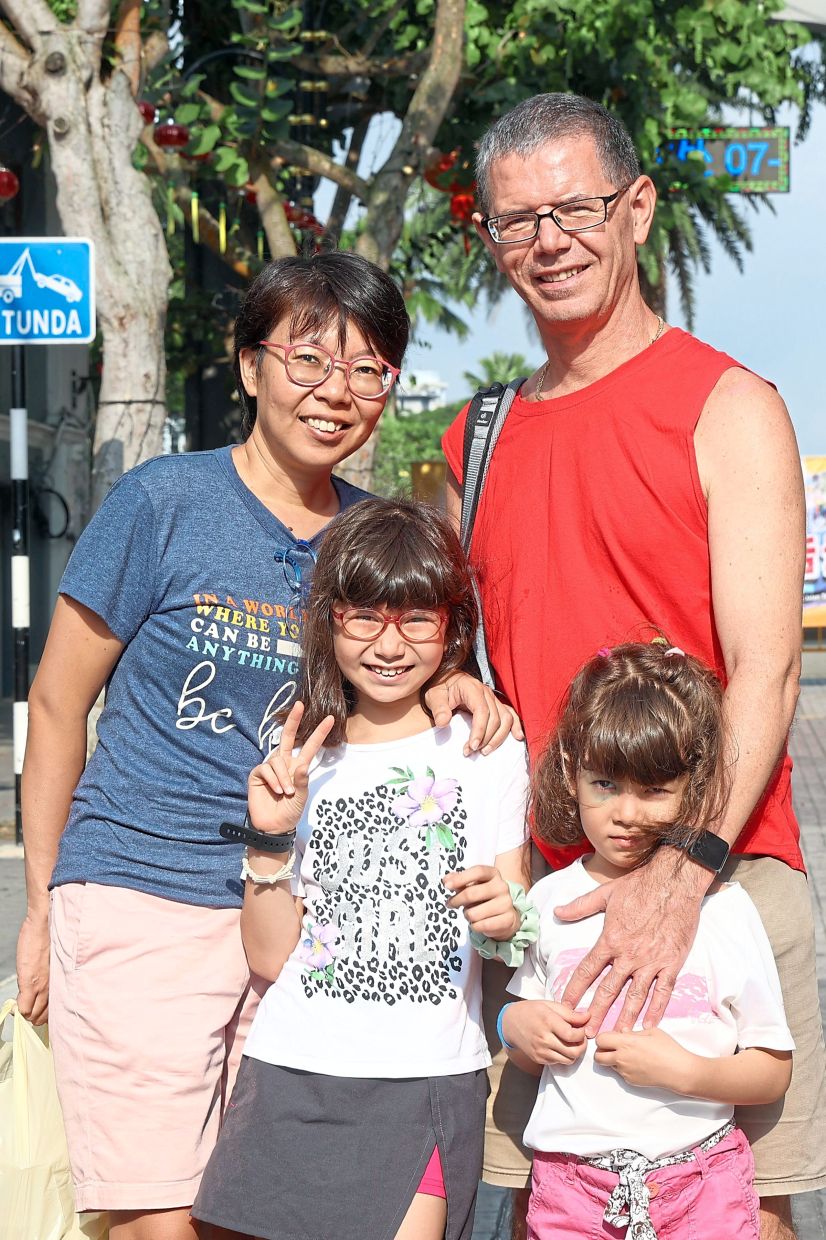
“More promotion should be done about the cultural street and its activities, so that tourists like us are more aware of what is happening here.
“I also hope to see more local food options available alongside craft goods, because one of the best ways to promote a culture is through food,” he added.
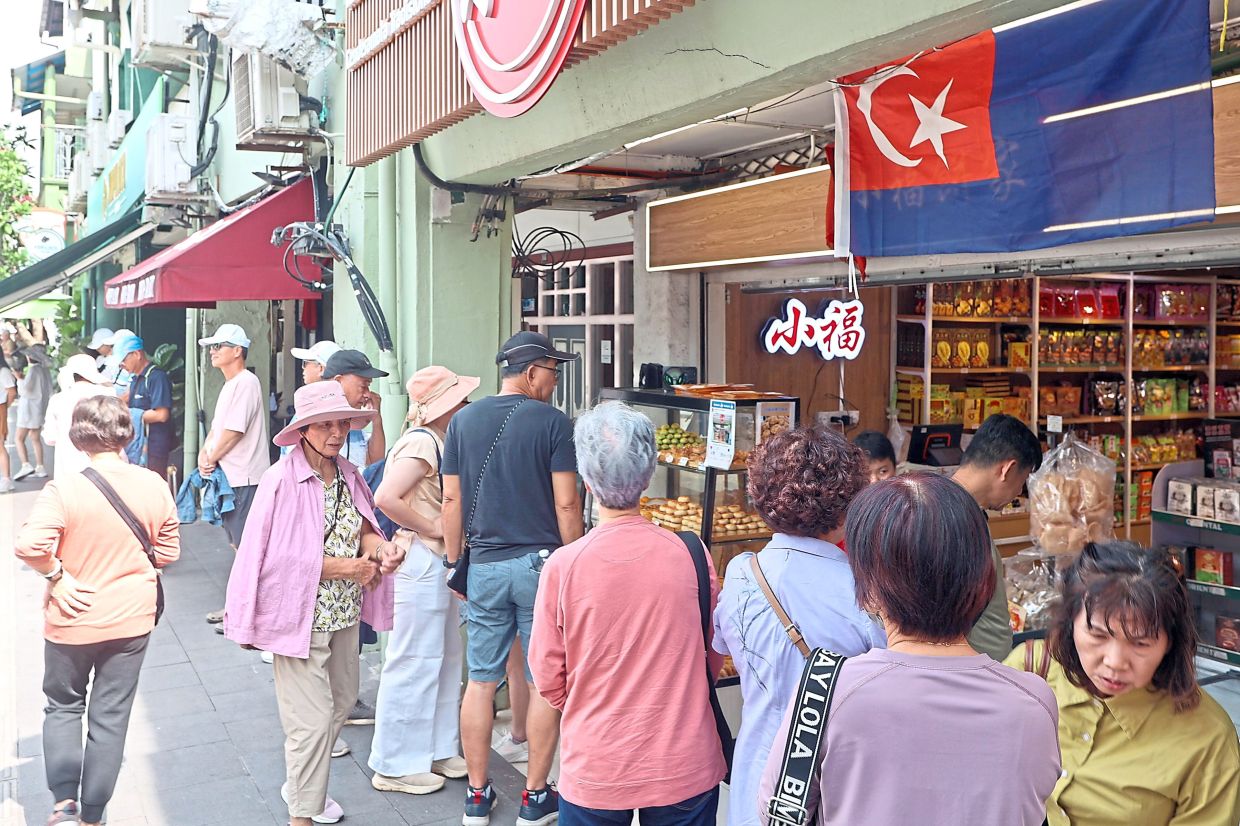
Renon, who is self-employed, said he and his family had just bought some banana cakes from a popular bakery along the street when he noticed the road closure.
“We decided to check it out and were impressed by the lively stalls and handmade items,” he said, adding that they would return again to participate in the activities at the market soon.
Local illustrator Shelly Shy, 35, visited the street with her mother and niece, and was inspired not just by what was on display but by the community spirit.
“I enjoyed looking at the handmade items on sale and how the vendors were very passionate about sharing their craft,” she said.
Her experience also sparked the idea of joining as a vendor herself.
“I wanted to get a feel of the place as I am considering applying to become a vendor to sell my illustrations and crafts.
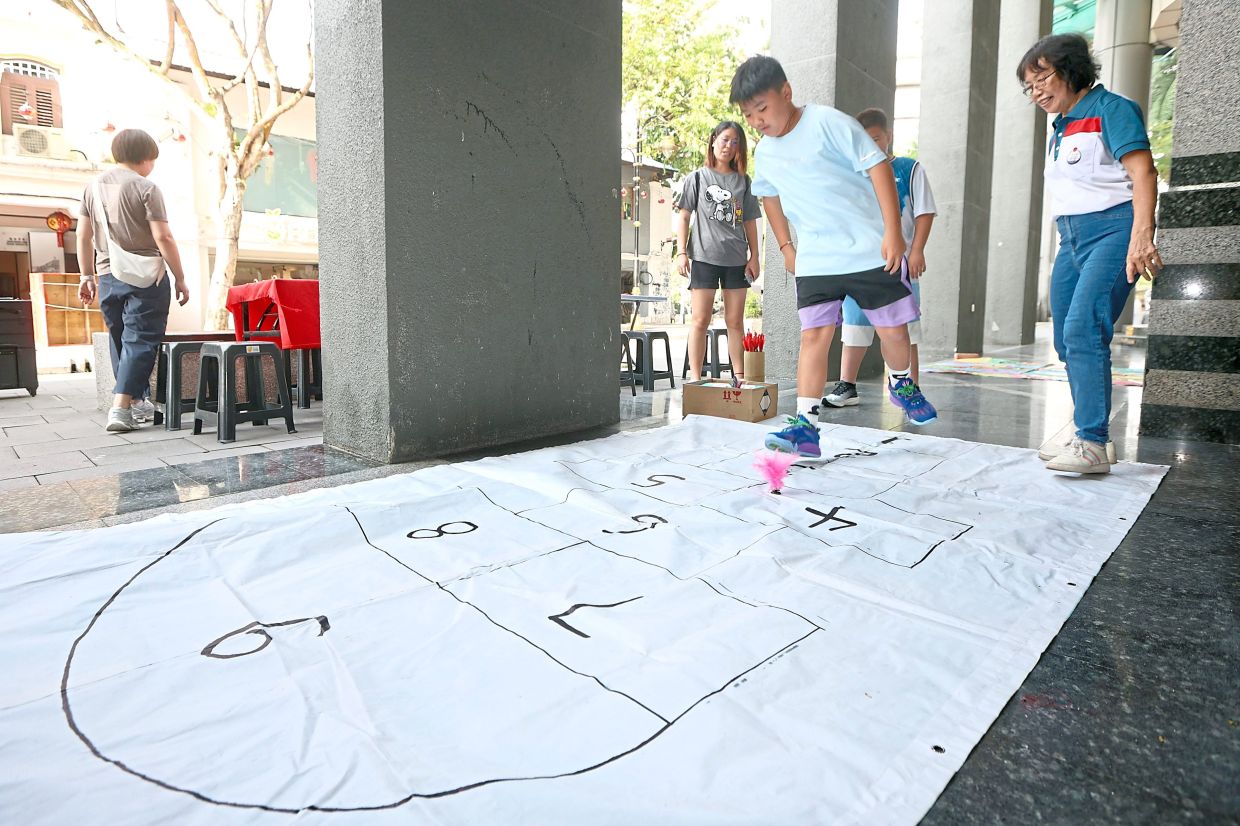
“It is a wonderful space for communities to come together, as I also noticed multi-generational visitors engaging in activities such as traditional games and karaoke sessions,” she added.
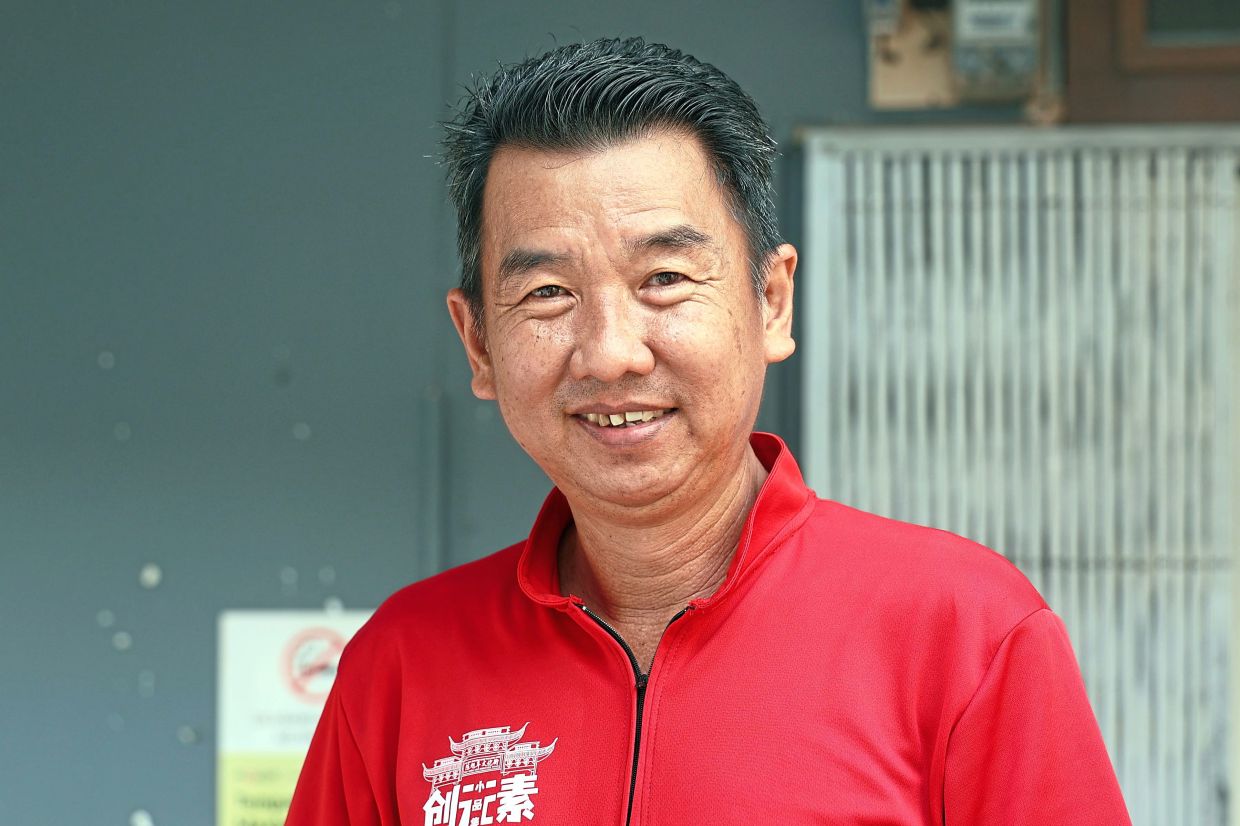
Meanwhile, long-time stall owner Yong Chee Siong, 53, who sells rojak and herbal drinks, said the street’s vibrancy today was a far cry from its early days some three years ago.
“When the Jalan Tan Hiok Nee Cultural Street committee first approached me, I decided to give my support even though in the beginning, there was no crowd as not many people knew about this place.
“There were times when I only sold one or two packs of rojak despite opening my stall from 8am until noon,” he recalled.
However, this did not deter Yong from staying on.
“I felt it was important to build the community and preserve the cultural value of the street, which is named after one of Johor’s most influential Chinese leaders.
“I set up my rojak stall in other locations throughout the week, so I did not mind not making a profit at the cultural street then – what was important was having a presence here.
“There is a big difference now as more have come to know about the street,” he said.
He credited the organising committee for drawing crowds with events such as the National Day celebration in August followed by the Mid-Autumn Festival.
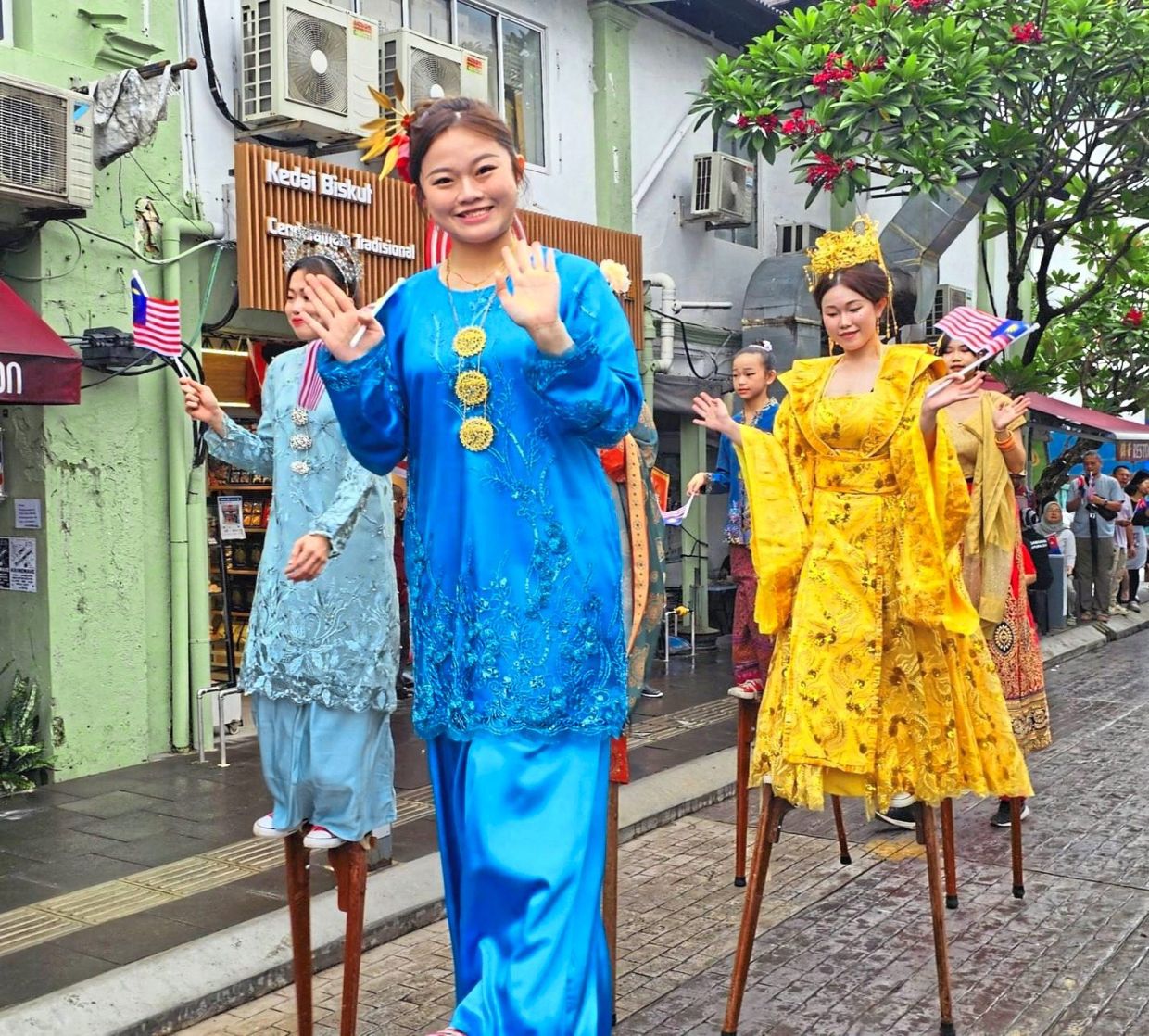
“During the National Day event attended by Pulai MP Suhaizan Kayat, there were stilt walkers, cultural performances and visitors waving the Jalur Gemilang, making it a colourful and memorable sight.
“For the Mid-Autumn celebration they organised last month, there were mooncakes for visitors to sample, and vendors were dressed in ancient Chinese costumes,” said Yong.
Vendor Tan Li Juan, 26, feels that the cultural street is more than a weekend market, saying that it is a platform to hone her craft and entrepreneurial skills.
An assistant architect by profession, Tan also creates jagua tattoos, a form of temporary body art made with ink from the jagua fruit.
“I have been doing this for three years but only joined the cultural street as a vendor about a year ago.
“My designs, which range from floral and animal motifs to customised requests, last about two weeks,” she said, adding that her customers were from all walks of life, including tourists from Singapore and South Korea.
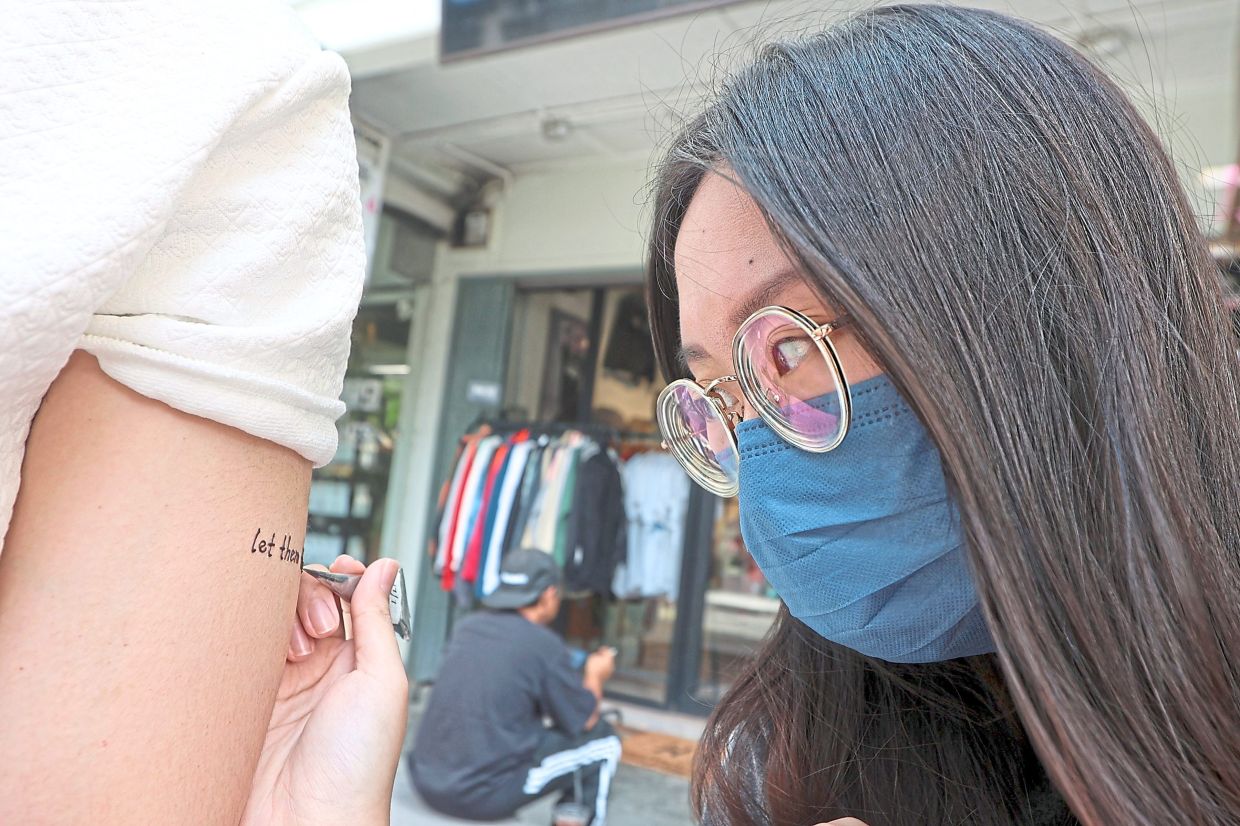
Tan said the market allowed her to connect with people while testing her creativity.
“I enjoy illustrating in my free time, and the market has given me the confidence to share my work with others.
“Looking ahead, I hope the cultural street will grow.
“The variety of unique crafts and products is already strong, but it would be even better if more vendors are added to give visitors more to see, try and buy,” she said.
More than just a weekend attraction, Jalan Tan Hiok Nee has become a showcase of culture, creativity, tradition and community spirit.
Beyond the street market, Jalan Tan Hiok Nee is also a tourist attraction especially on weekends as it is lined with traditional and modern businesses such as boutiques, bakeries and cafes.
Mid-Autumn-themed activities continue this month with classic song performances planned for Oct 4 and retro dances along with a lantern walk on Oct 11.