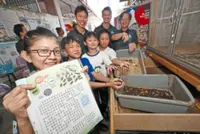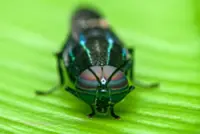
SJK (C) Union has become the first school in Penang to introduce a mobile unit for the farming of black soldier fly (BSF)
larvae, marking a pioneering step in environmental education and food waste reduction.
Set up in the school compound in April, the unit demonstrates how BSF larvae can recycle organic waste into high-protein animal feed and nutrient-rich fertiliser.
The initiative is part of the school’s effort to integrate sustainability into learning while tackling the pressing issue of food waste as well as foster environmental responsibility and teamwork between teachers and pupils.
Headmaster Loh Meng Yim said the project, initiated by the school’s board of directors and teachers with strong parental support, had quickly become an extension of classroom learning.
“The BSF unit gives our students hands-on experience in understanding the insect’s life cycle and how it contributes to waste reduction.
“More importantly, they see how small actions can have a big impact on the environment,” he said.
Loh said the project aligned with the school’s zero-waste mission and even supported classroom teaching.
“It enriches out-of-class learning. Students not only study languages and subjects in the classroom, but also link education with sustainability in solving real-world problems,” he said, adding that the Year Six Mandarin syllabus incorporates the project.
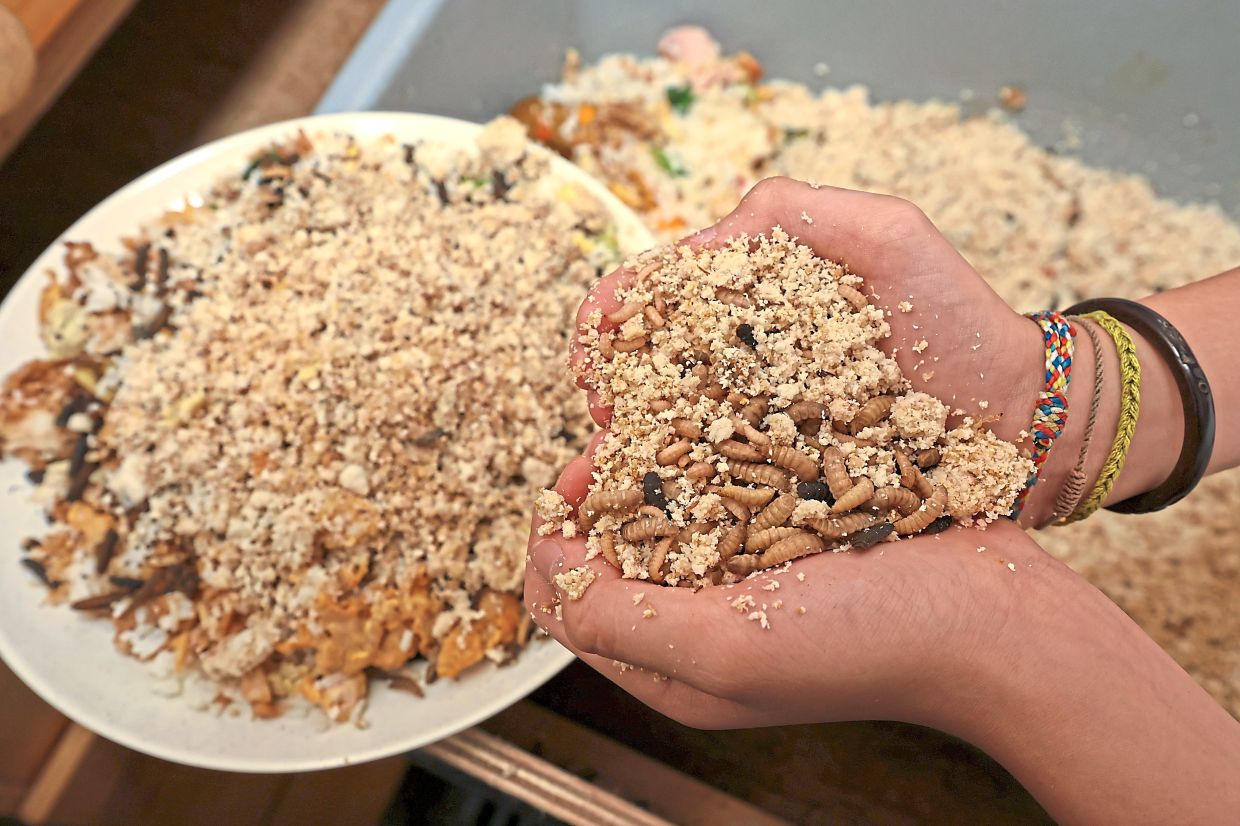
At the mobile farm, pupils feed the larvae with canteen scraps such as rice, noodles, fruits and vegetables.
Oily, salty and processed foods are avoided to ensure healthy growth.
About 10 students from Years Four to Six, all members of the Environment Club, take on responsibilities from segregating food waste to feeding the larvae and recording their growth.
They also harvest frass (the nutrient-rich residue), maintain the bins and raise awareness by creating posters and giving presentations.
Teacher and project coordinator Jerome Khou said the school was inspired to start the project as a practical response to rising food waste in the canteen.
“With the mobile farm, we divert about 3.2kg of canteen waste daily from ending up in landfills. We’ve also produced organic fertiliser for the school garden.”
Khou said the hands-on approach had made sustainability tangible for students, adding that they did not just read about environmental issues but also experienced the farming process, managed data and saw waste transformed into something useful.
“To create awareness about BSF larvae farming within the school community, students also create posters and hold presentations,” he said.
He noted that the project was not without hurdles.
“Some parents and students initially resisted the idea, associating insects with dirt.
“Technical issues such as maintaining the right temperature and moisture
levels also arose, while ensuring consistent student participation required close coordination.
“We also had to tackle hygiene and odour concerns by having suitably designed bins with covers and ventilation and carrying out regular cleaning,” he added.
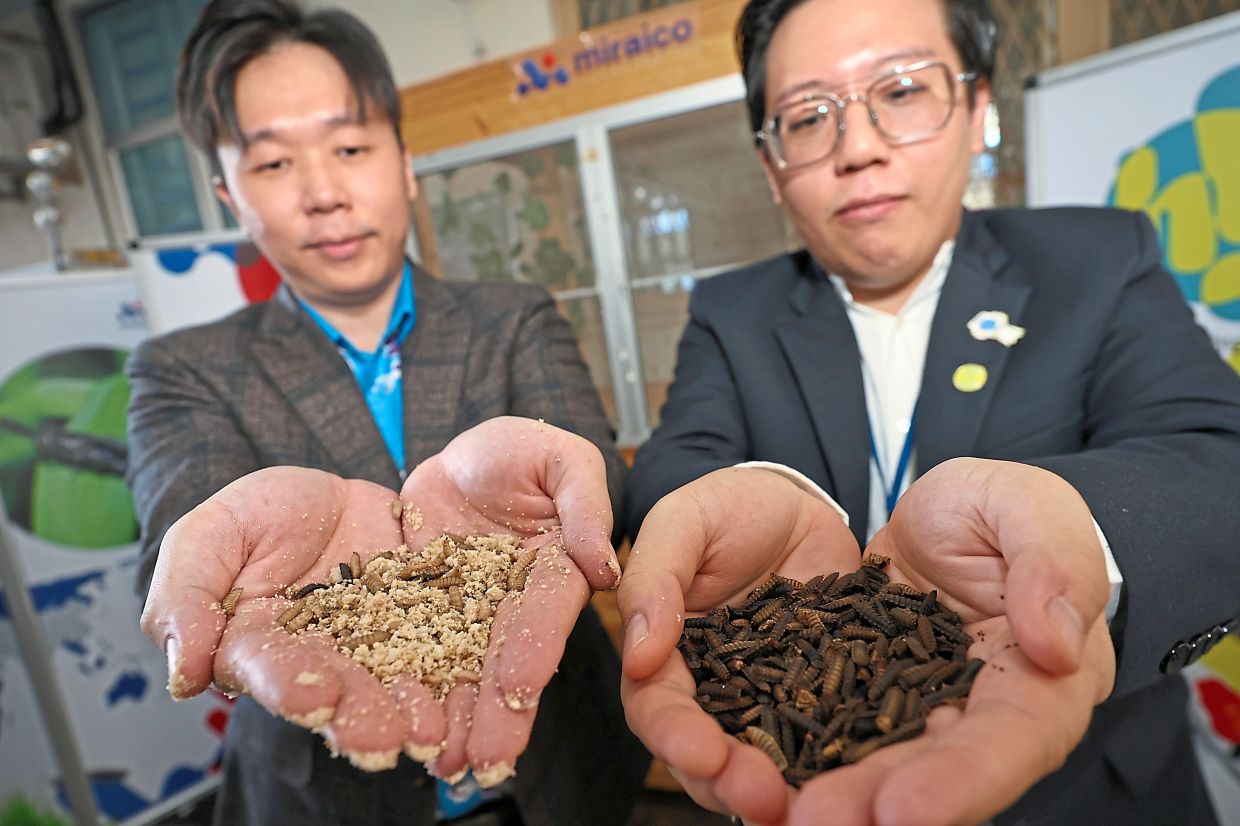
The initiative was introduced in collaboration with JCI Bukit Mertajam and Miraico Technologies, which provided the technology and training.
It is part of Project Future, a community effort started by JCI last year.
The collaboration is especially meaningful to JCI Bukit Mertajam president and Miraico founder Alex Ang, an alumnus of the school.
“As an old boy, it gave me great pleasure to bring this project here.
“The school strongly champions green initiatives and this fits perfectly into their circular approach to sustainability,” he said.
Ang said BSF farming has far-reaching benefits.
“Black soldier flies play a vital role in agriculture, waste anagement, and sustainability.
“Their larvae turn organic waste into biomass and compost, reducing landfill use.
“The larvae themselves serve as a high-protein, eco-friendly alternative to conventional livestock and aquaculture feed, while the frass they produce improves soil quality and supports plant growth,” he said.
Ang hopes that the project will continue for at least three to five years, with a long-term goal of integrating it into the science syllabus.
There are also plans to expand food waste collection beyond the school canteen to involve the wider community.