One of the main challenges to Penang’s “No single-use plastics” campaign, which is now in its final leg, is finding a suitable plastic bag alternative for hawkers and wet market traders.
For these traders, plastic bags are lightweight, cost-effective and a practical choice for packing items such as soup-based dishes and fresh produce.
Despite this, many of them have expressed openness to adopting alternative solutions proposed by the state government, provided they are both affordable and practical for daily use.
At Chowrasta Market, vegetable seller Tan Sim Soon, 63, said hawkers were generally not resistant to change, but cost remained a major concern.
He noted that even plastic bags were no longer as affordable as they once were.
“If the state can come up with a cost-effective alternative that does not cut into our earnings, we are willing to listen,” he said.
Chicken seller Lai Kean Seng, 53, who has been in the trade for over two decades, said although biodegradable containers were worth considering, they were still too expensive for daily use.
“This is not a business where you earn a high income.
“If the state can come up with a solution, we can consider trying it,” he said.
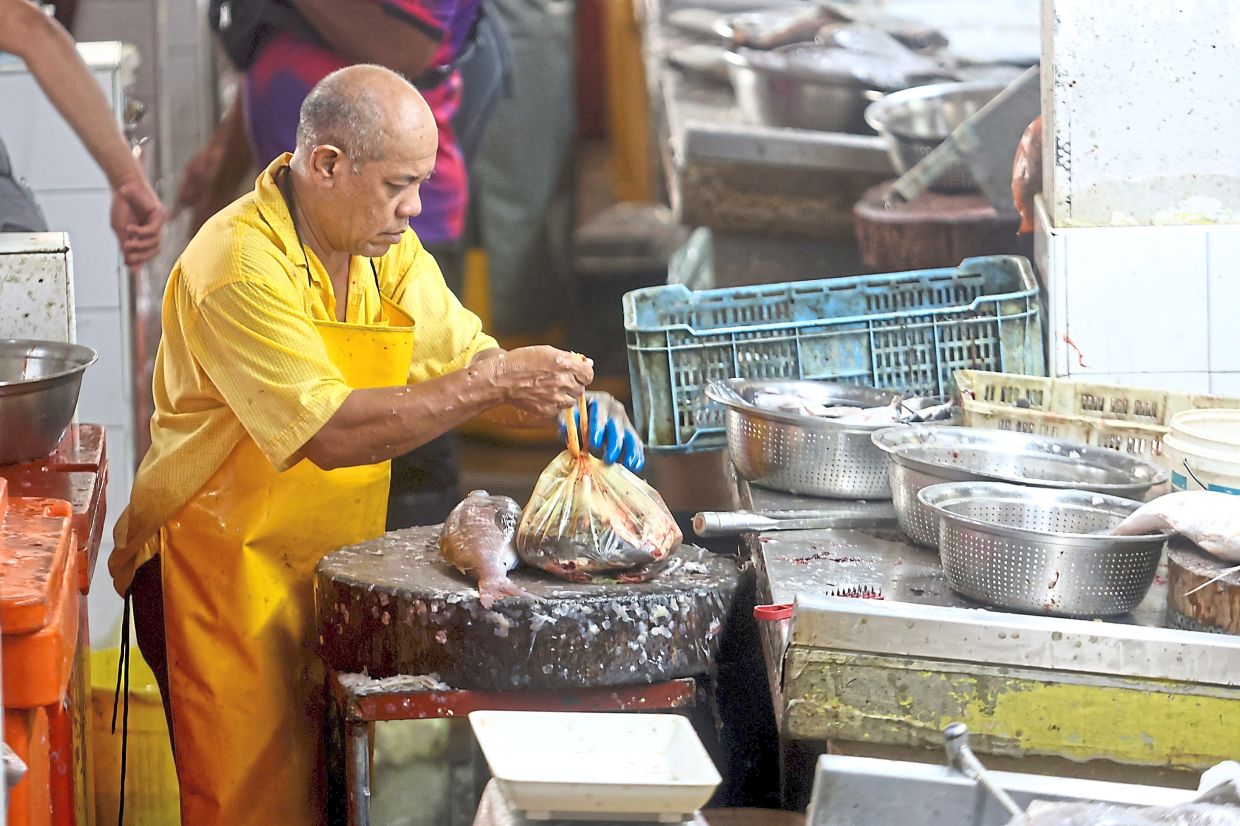
Fishmonger Mohd Ibrahim Abdul Hamid, 62, echoed the sentiment, stressing the need for government support.
“The government should supply us with alternative containers so we can use them without incurring extra expenses,” he said.
Over at Paya Terubong Market Complex and Food Court, some traders were more receptive to traditional, eco-friendly methods.
Fruit seller Chan Chee Beng, 58, suggested revisiting old practices.
“We grew up seeing food wrapped in newspaper or paper bags.
“It can be done again but it will take time for sellers and buyers to adapt,” he said.
Noodle hawker Lim Siew Lan, 49, believed banana leaves could be part of the solution.
“It is not a new idea. Our parents used banana leaves all the time.
“But modern customers expect convenience, so it may take some getting used to,” she noted.
Snack vendor G. Murugan, 55, pointed out that accessibility was a critical factor.
“The use of banana leaves and paper is fine but suppliers must make them easily available.
“Right now, it is not as convenient as buying a stack of plastic bags,” he said.
Green shift
Since Sept 1, shoppers in Penang are no longer able to obtain plastic bags at checkout counters in hypermarkets, supermarkets, convenience stores, department stores, petrol station shops, pharmacies, fast food outlets and other licensed premises, even if they offered to pay for them.
This followed the launch of “Penang No Plastic Bags Every Day Campaign 2025”, marking a bold step towards eliminating single-use plastics in the state.
Penang’s drive to phase out single-use plastics has made major headway over the last decade, but the state government said hawkers and wet market traders remained a critical obstacle in the transition.
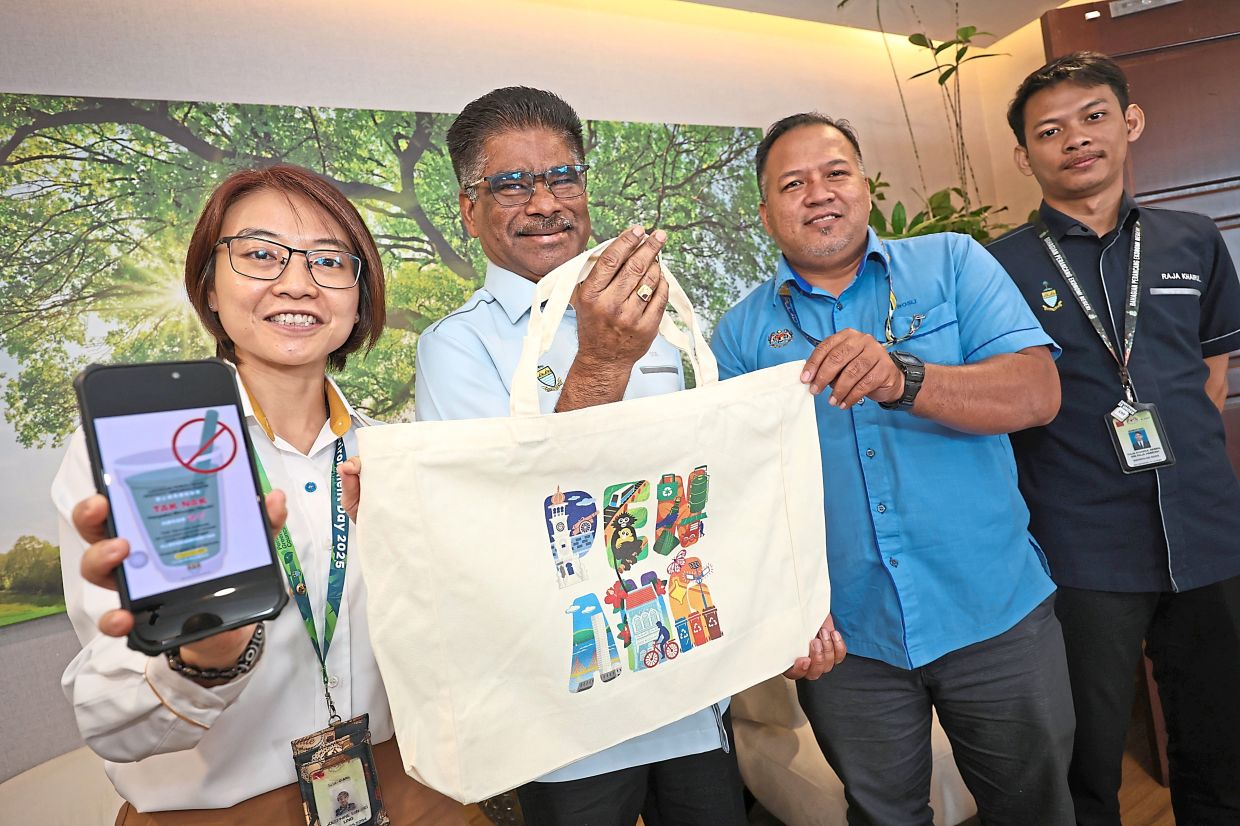
State environment committee chairman Datuk Seri S. Sundarajoo acknowledged that many traders were willing to stop using plastics if the state provided an alternative that was affordable and practical.
“Otherwise, it cuts into their margins.
“For wet markets, fabric bags are not practical as they absorb water while for hawkers, dry food can go into paper containers, but soups are a problem.
“Alternatives exist, but they are expensive because of low production volumes,” he said, adding that everyone would support affordable substitutes should these be produced.
A recent search by StarMetro on e-commerce platforms showed prices for a 1kg pack of “hawker plastic bags” ranged from RM9.88 (for bulk purchases) to RM12.90 (for single packs).
An estimated count based on common sizes available in Malaysia shows around 370 to 405 pieces per kg for small plastic bags and about 230 pieces per kg for medium-sized bags.
Sundarajoo explained that certain alternatives were available in the market.
“A Singapore supplier proposed a biodegradable box that lasts six hours, but it costs more than RM3 per box.
“That is too expensive if a bowl of noodles costs RM10.
“We must avoid passing on costs to consumers,” he said.
He explained that the state had engaged with manufacturers, giving them a grace period to clear existing stock while encouraging the development of viable, eco-friendly alternatives.
“We have met with manufacturers to ensure they are part of the transition.
“They are being given time to exhaust current inventories but we also urge them to step up efforts in producing sustainable substitutes,” said Sundarajoo.
He added that in due course, local councils would assess and endorse approved alternative products, ensuring that replacements were both practical and compliant with environmental standards.
“If you do not start somewhere, you will never progress.
“This year marks our starting point and we hope to see full compliance by 2026,” he said, expressing optimism about the state’s momentum.
Sundarajoo said even though the ban on single-use plastic bags began on Sept 1, enforcement would not be punitive as the focus was on cultivating habits.
“We do not want to simply haul people to court.
“Until then, hawkers and wet market traders will not be punished but taught to adhere to the rules.
“This is a friendly initiative – we want stakeholders to join voluntarily,” he said, adding that the education phase would run until Aug 31, 2026.
He said the state had begun distributing reusable bags, with 20,000 given out of the targeted 100,000 thus far.
Sundarajoo said some stores also sold eco-friendly bags.
Public response, he noted, had been encouraging.
“At markets, people wanted reusable bags, with some even asking for more.
“We intercepted those using plastic bags and transferred their goods into reusable ones.
“Over time they’ll adjust,” he said.
Sundarajoo recounted Penang’s track record since 2011, when Penang Green Council first introduced a 20sen bag charge.
“Later, plastic bag use was restricted to four days a week and plastic straws were phased out.
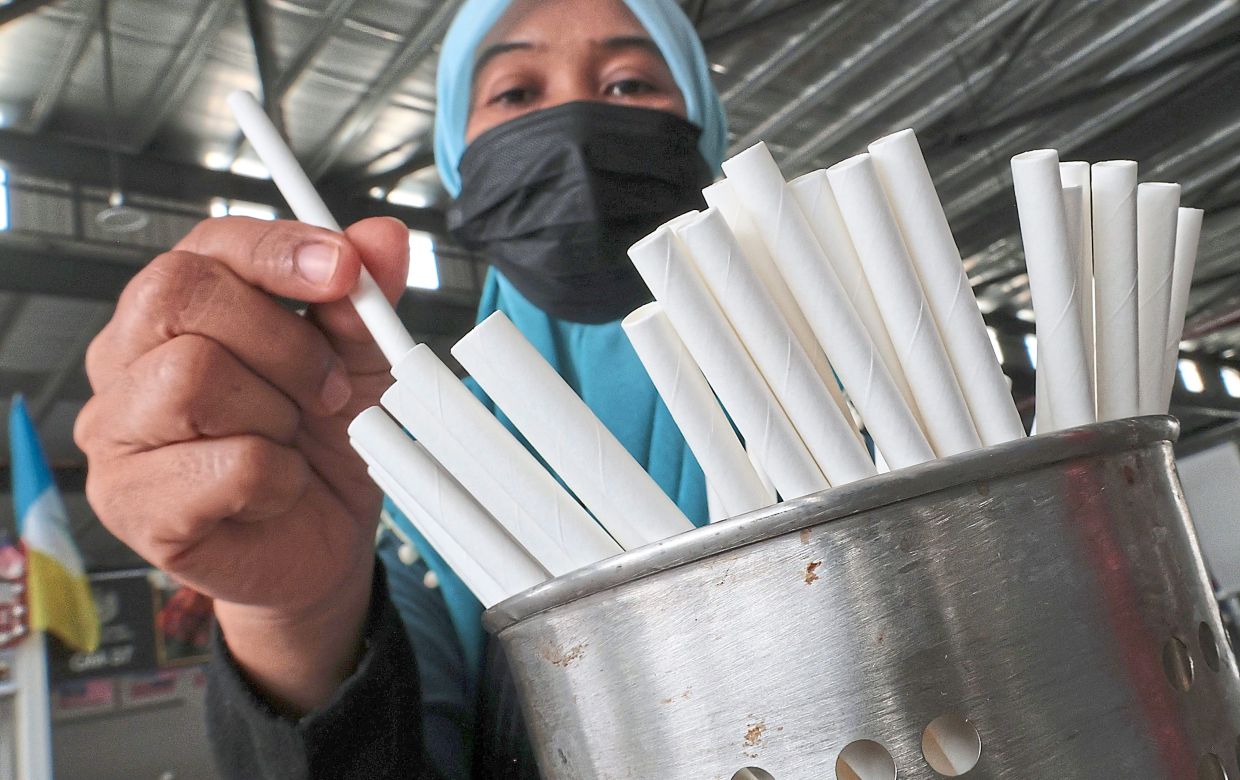
“Today, rice husk straws are everywhere.

“Multinationals require suppliers to go green and small-to- medium enterprises must comply or risk losing business.
“Environmental, social and governance factors are an international agenda – change is inevitable,” he said.
He added that the same evolution happened with green-certified materials.
“In the past, certification meant costs were 10% to 15% higher, but today, materials are cheaper.
“The same will happen here and alternatives will become affordable,” Sundarajoo said in an interview at Komtar.
He also illustrated the challenge with an analogy.
“In the past, mothers carried bags, fishmongers used bamboo kandas and meat was wrapped in banana leaves or newspaper.
“But lifestyle changes – fish on ice, meat in plastic – created dependence.
“Now we must adapt again. As responsible consumers, we must return to sustainable habits,” he said.
Changing mindsets
Throughout the campaign to ease the transition from single-use plastics, the state has showed its readiness to lead.
It had scaled up reusable bag distribution in key areas.
There has been progress but work remains.
Backing these efforts with numbers, Penang Green Council (PGC) general manager Josephine Tan said consistent policies were reshaping consumer behaviour.
Citing the Phase-Out Single-Use Plastic Survey conducted in 2023, she said 64.3% of respondents acknowledged that state campaigns had a positive impact, while 82.1% agreed that plastic bag reduction initiatives were effective in curbing reliance on plastics.
“Between 2018 and 2023, we recorded a dramatic reduction in the use of plastic bags, straws and cutlery – with decreases ranging between 33.9% and 64.9%.
“The progress reflects a considerable shift in public attitudes, driven by stronger awareness and consistent policy measures,” she said.
Data from the State Economic Planning Unit further supported this trend.
After the plastic bag charge was raised from 20sen to RM1 and the No Plastic Bag Day Campaign was introduced in 2021, consumption dropped by 78% within a year.
“Today, it is common to see shoppers bringing their own bags.
“It is a clear sign of shifting habits.
“This year, the state has also taken a big leap to announce ‘No Plastic Bag Day Every Day’ for selected business operators,” Tan said.
She cautioned, however, that barriers remained.
“Convenience, hygiene concerns in the post-Covid-19 era and ready provision of plastics by hotels, restaurants and food shops remain barriers to change.
“Addressing these issues while ensuring alternatives are suitable for both consumers and businesses will be crucial in the next stage of our journey,” said Tan.
She added that both consumers and businesses shared the view that fees collected from plastic usage should be channelled back into environmental initiatives.
“This alignment strengthens our resolve to continue building a responsible, circular model for Penang,” she said.