FOR centuries, puppets have been used by various communities to narrate their hopes, struggles, values and collective spirit.
From marionettes to shadow play or hand figures, these vessels of storytelling helped convey myths, moral lessons, critiques and everything in between.
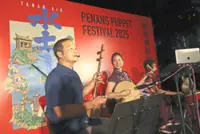
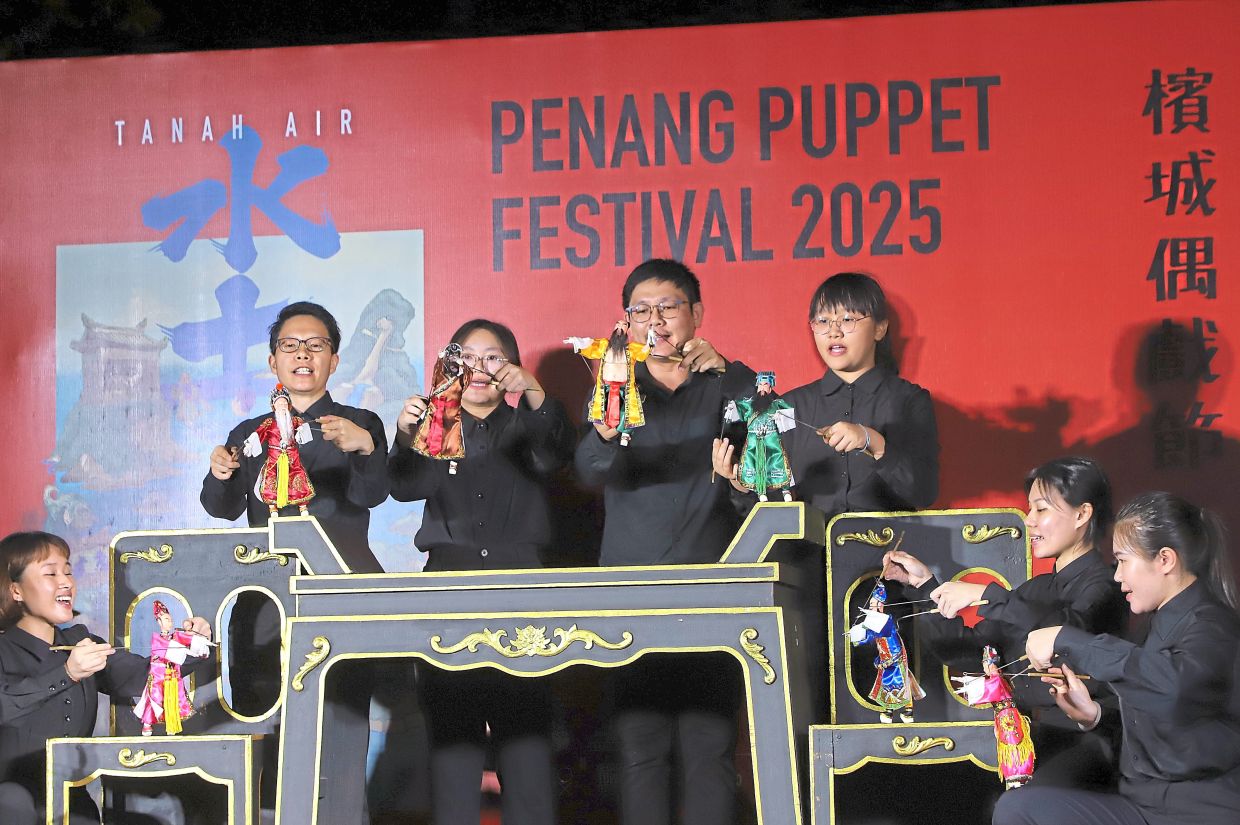
That enduring tradition found fresh expressions during the Penang Puppet Festival 2025 held at the Centre of Excellence (CoEx) creative space at Hin Bus Depot in George Town.
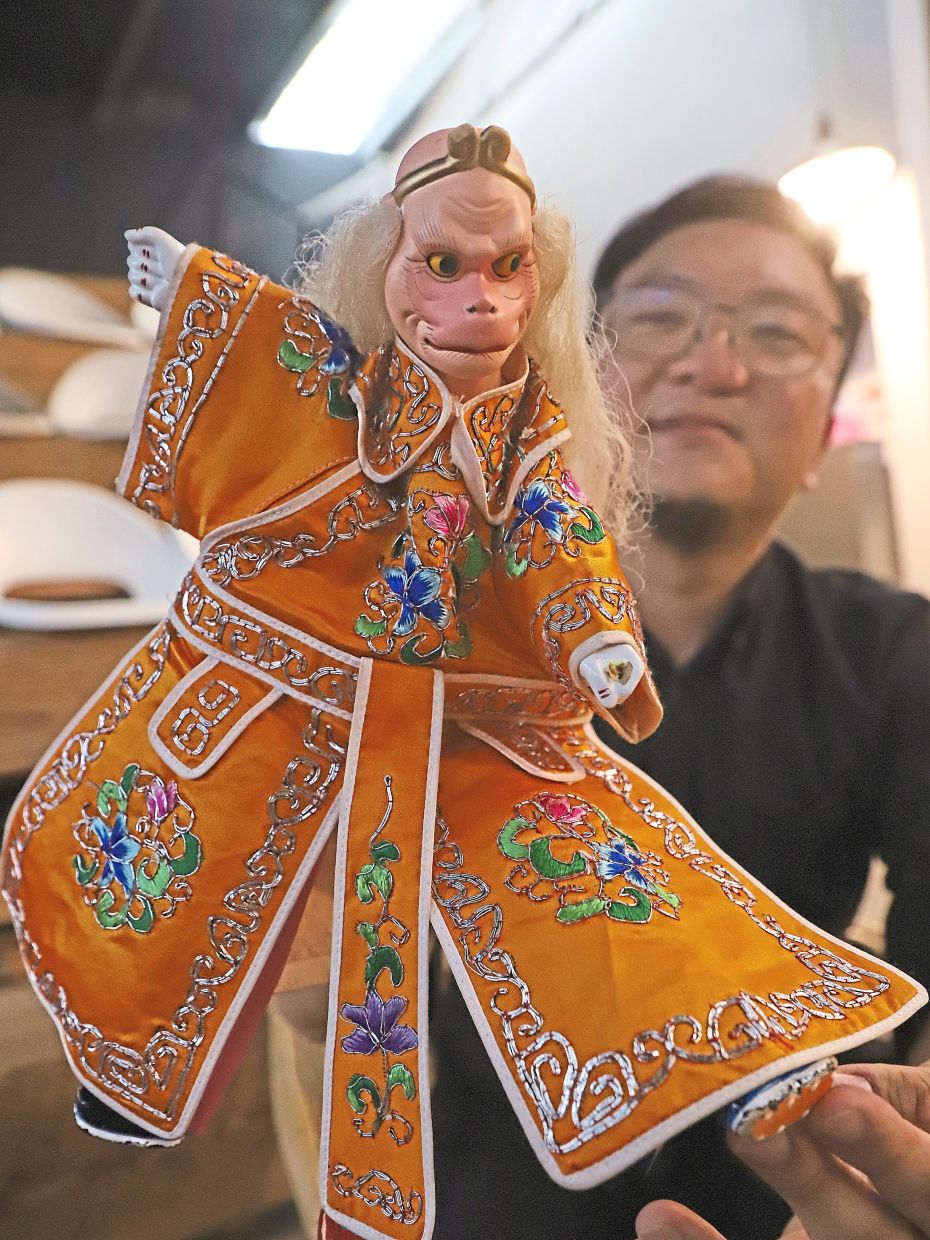
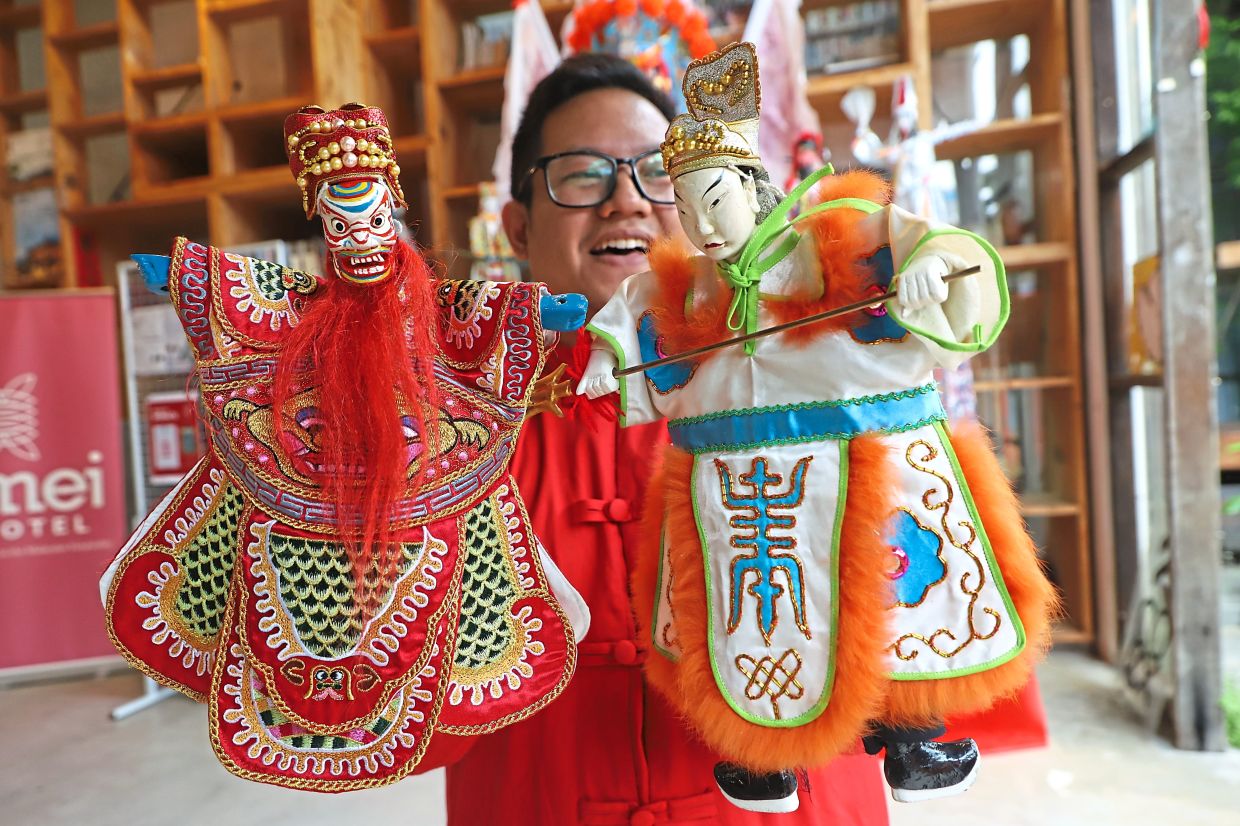
Organised by local glove puppet collective Ombak Potehi, it featured around 20 performances, workshops, screenings and talks by local and international practitioners.
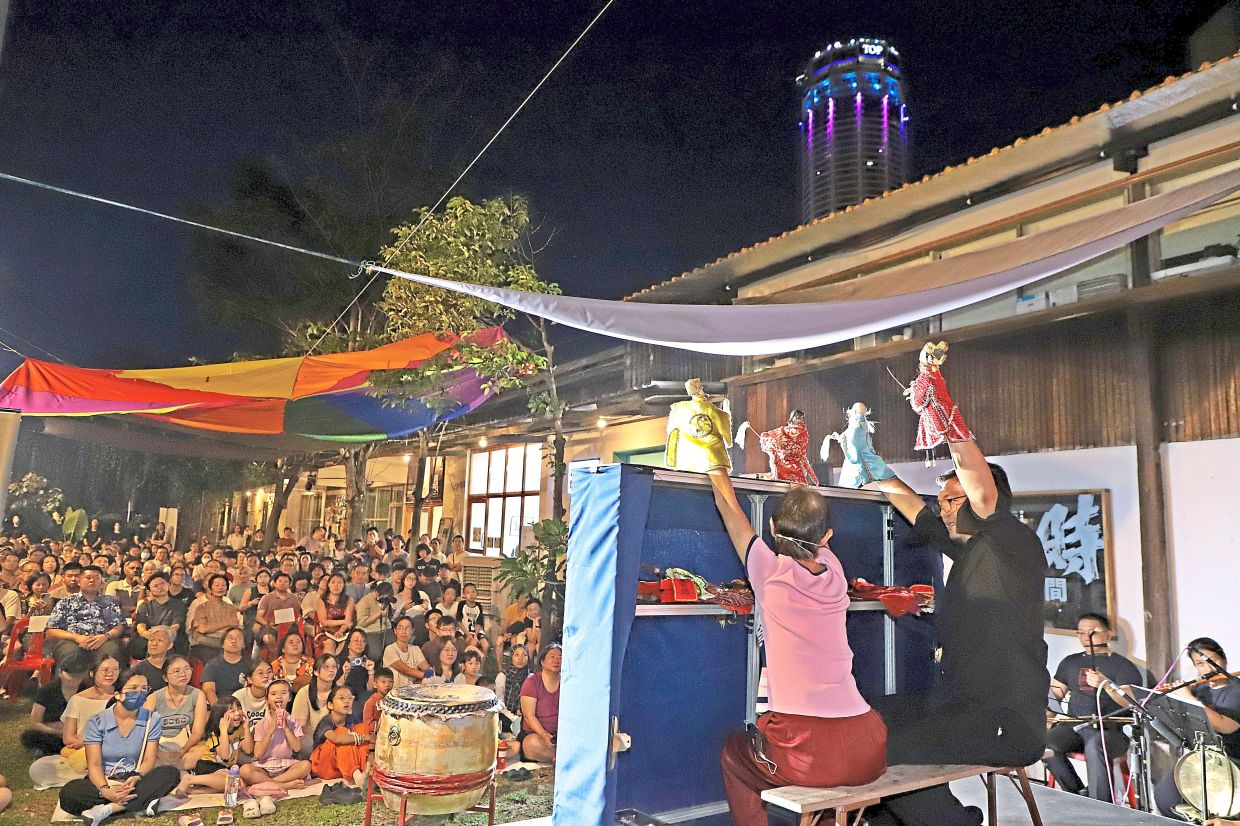
A highlight was the “Tanah Air Kita” Traditional Puppetry Performance Night, which featured Ombak Potehi and fellow Penang groups Iron Gang Puppet Theatre and Siau Geok Leong Puppet Troupe.
They were joined by Indonesian counterparts Potehi Siauw Pek San and Taiwan’s Smile Folksong Group.
Some segments opened a window into cherished traditions while others delivered humorous social commentary which many in the crowd found relatable.
Ombak Potehi leader Marcus Lim stressed the importance of telling local stories to keep puppet theatre relevant for younger audiences, recalling how the group itself started as young enthusiasts a decade ago.
“We spent a lot of time learning from old masters. After the (Covid-19) pandemic hiatus, many of them aged visibly or chose not to continue altogether.
“We quickly realised that we’re the generation bridging the past and the future.
“If we didn’t step up, there was a risk puppet theatre could slowly fade from public consciousness,” Marcus pointed out.
He said the festival – which was in its second edition – was meant to be a platform for various parties to come together and exchange knowledge and experiences.
“It was heartening to see the uptick in interest among the public.
“This gives us optimism that our traditions and legacy will endure,” he added.
Across the Straits of Malacca in Java, Indonesia, Siauw Pek San troupe leader Andhika Pratama is spearheading similar efforts to return Chinese glove puppetry to its former glory.
Seeing how most young ethnic Chinese Indonesians today were unaware of this cultural heritage, he decided in 2023 to set up a space in Jakarta to teach the art form.
Andhika said potehi suffered a steep decline there in the 1970s due to cultural suppression, with public expressions of ethnic identity banned.
He said that over time, only a handful of troupes remained, performing quietly in temples rather than for the public.
According to Andhika, the lifting of restrictions in the early 2000s allowed the art form to make a gradual comeback.
But it has distinct differences from the Penang version. While there are some Hokkien, most of the dialogue and narration is in Bahasa Indonesia.
“Sounds come predominantly from percussion, string and wind instruments rather than singing.
“Even the puppet construction, materials, clothing style and hand movements are different.
“This was how it was performed by masters in the past.
“In a sense, Indonesian wayang potehi remains an art form frozen in time,” Andhika elaborated.
Musician couple Atidev Chu and Tejashrii Lim – who make up Smile Folksong Group – also keep their performances true to tradition.
Their vocals are impromptu and improvised, with rhymes seemingly plucked at random.
This allows them to respond to the audience and weave in jokes to keep performances engaging.
According to Chu, this was how it was done in the 1930s.
“It’s amazing to think that we could fly 3,000km to Penang and find the same traditions still going strong here,” he added.
Ombak Potehi founder Prof Dr Tan Sooi Beng believes such exchanges can help ensure puppet theatre’s sustainability in the long run.
“Puppets can tell stories that people cannot, or poke fun at topics we tend to shy away from.
“It’s a form of social commentary that highlights lesser-known aspects of life in the past which the young today may not know and the elderly may not remember,” she opined.