



SINCE last year, Selangor government has been working to reduce the invasive ikan bandaraya population in its rivers through catch-and-remove operations aimed at protecting native species.
Often released into waterways by aquarium owners, this non-native fish, also known as the armoured catfish, has multiplied rapidly.
Its growing population is now a major threat to river ecosystems, as it competes with native species for food and destroys riverbanks with its burrowing habits.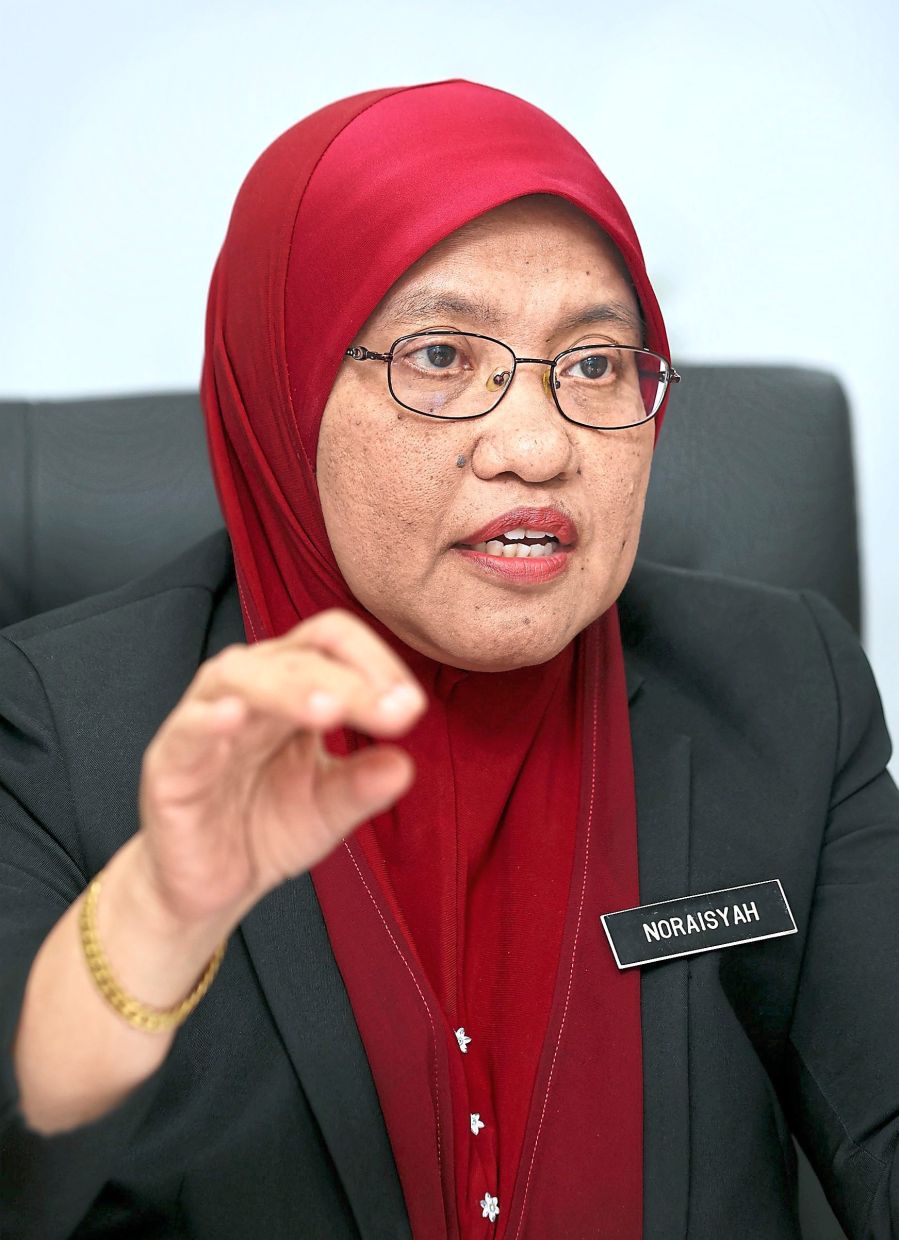
Selangor Fisheries Department director Noraisyah Abu Bakar said a total 20,946 metric tonnes of the fish were caught in 2024, and a further 32,670 metric tonnes so far this year.
Most of the fish caught were buried, she said.
However, she said the authorities were working with research partners to find sustainable uses for it rather than simply discarding them.
“There are efforts to get the carcasses processed into fish feed and fertiliser.
“This approach is to ensure that the ikan bandaraya caught does not go to waste.
“We are turning an environmental challenge into a resource that supports farmers and fish breeders,” she added.
State infrastructure and agriculture committee chairman Izham Hashim said Selangor’s catch-and-remove operation initiatives were carried out in collaboration with non-governmental organisations (NGO), companies and volunteers.
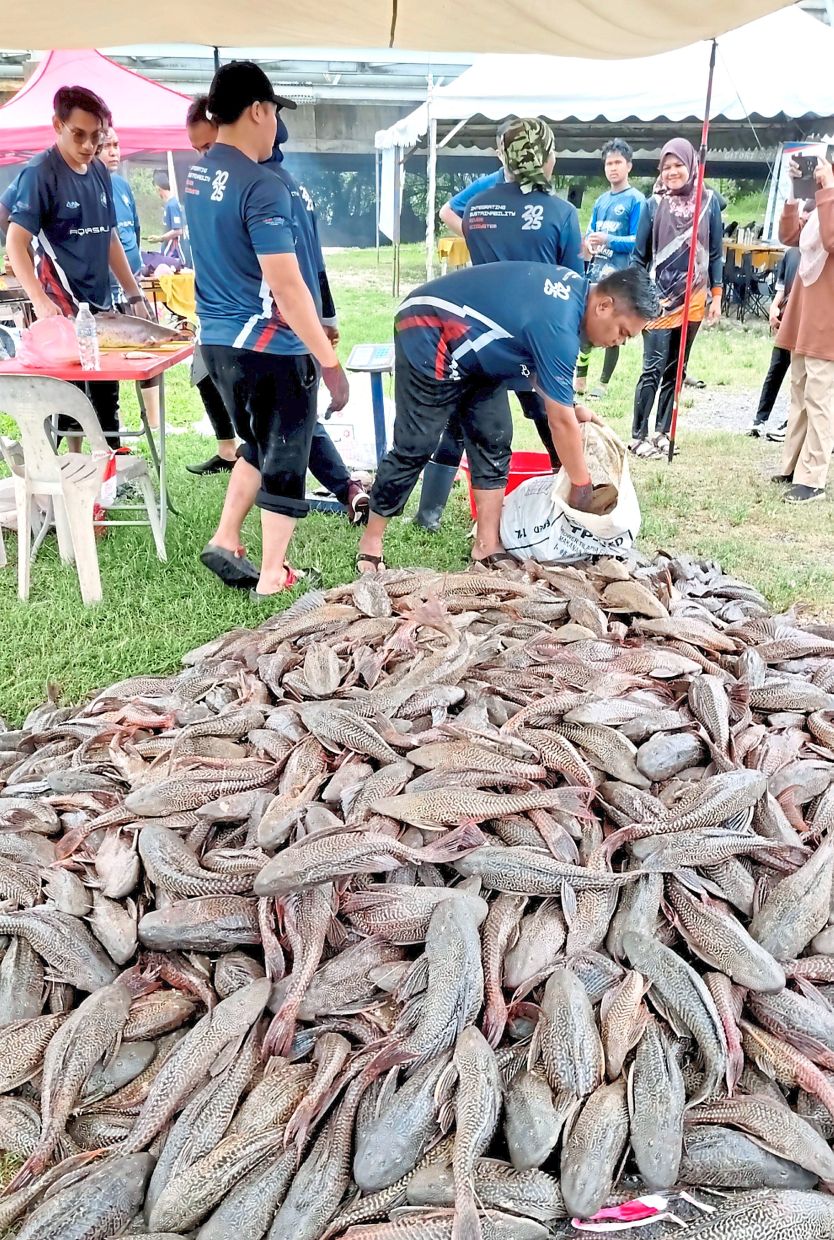
The state launched a programme, with a budget of RM120,000, offering RM1 per kilogramme to anyone who caught these fish in September last year.
“Ikan bandaraya are extremely hardy and reproduce at a fast rate, which makes them difficult to control,” said Izham.
“A recent programme in Sungai Langat managed to catch some 3.4 tonnes of fish in four hours using some 80 nets.
“The fish is quite dominant in the rivers, and if left unchecked, they risk destabilising river biodiversity.
“We are working with researchers in Universiti Selangor (Unisel) and Selangor Agricultural Department to look into the potential of the fish to be used as fish food and fertiliser.”
He said the fish could be used for human consumption if they were caught in a clean river.
Izham said the state would launch the RM1 per kilogramme reward again soon, and the catch would be distributed to the relevant parties to be repurposed for other uses.
For aquaculture
Unisel deputy dean and aquaculture expert Dr Intan Faraha A. Ghani said research on ikan bandaraya started in 2019 through a collaboration with other universities with a Higher Education Ministry (KPT) grant to study its impact on the environment.
In 2020, she said another KPT grant was given to focus on biomonitoring the species using eDNA or environmental DNA.
From just the water sample, she said they could detect the presence of ikan bandaraya and they found it in almost every river.
“Being in the aquaculture field, I wanted to find a way to mitigate the problem,” she said.
“Ikan bandaraya is often viewed as a fish with no value, but in reality it is rich in protein and can be put to good use.
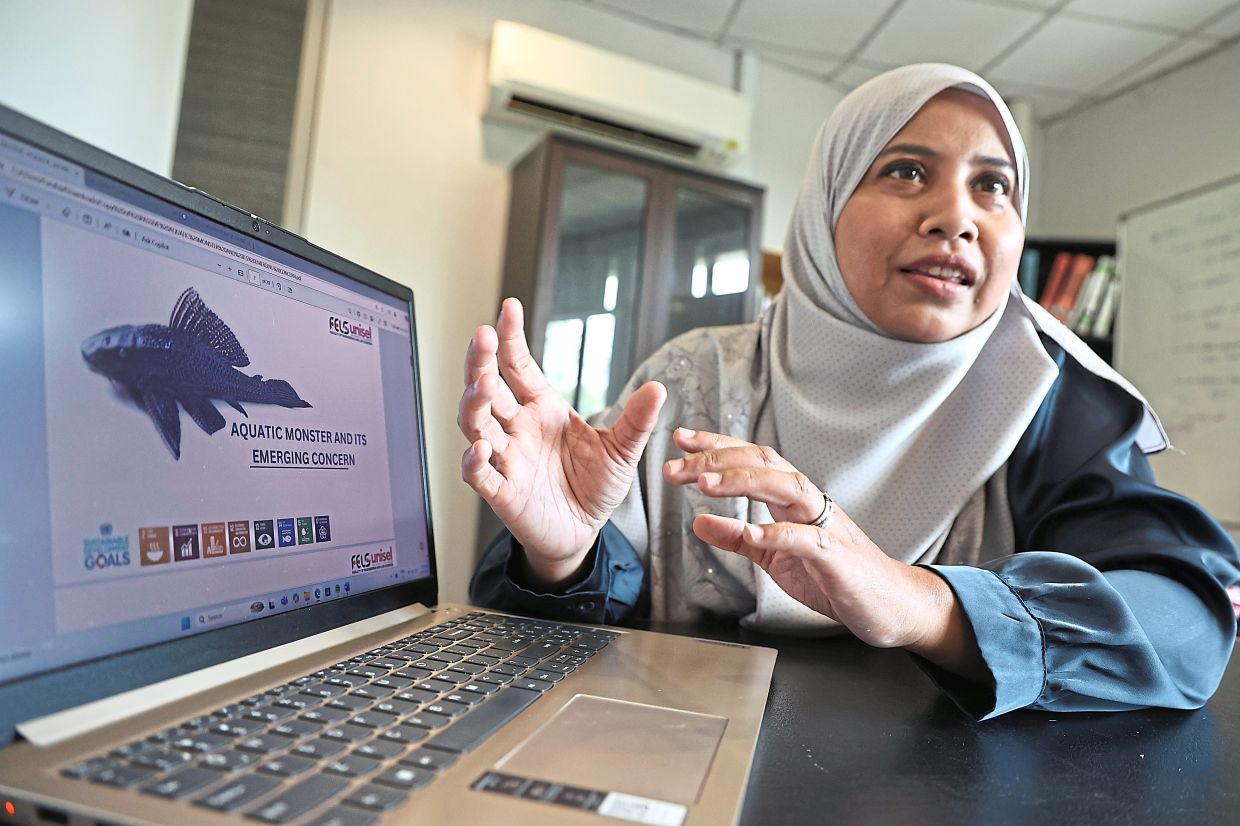
“We worked on developing a feed formula using ikan bandaraya as the base ingredient,” said Intan.
“We studied heavy metal concentrations, which showed the highest accumulation of heavy metals was in the head and stomach.
“So, we created a formula with only the flesh, which contained far less contamination,” she said.
She added that some of the challenges in making feed using ikan bandaraya was the labour involved.
Unlike typical fish feed, which is made from whole fish or fish remnants, Intan said their formula required removing parts of the fish before use, specifically the head and stomach to reduce its heavy metal contents.
On top of that, sourcing the fish was a challenge, she said.
“For example, if we receive an order for 12 tonnes of fish feed in a month, we will need about 24 tonnes of ikan bandaraya.
“That means mobilising people to collect them from different rivers on short notice, unlike commercial feed that uses fish readily available in the market,” she noted.
However, the cost was comparable and the nutritional content was on par with commercial pellets, she added.
Intan also said the team tested the (ikan bandaraya-based) fish feed across three growth cycles of about three months each at the Unisel hatchery.
It was found that the growth parameters of fish at the hatchery matched the control group fed with commercial pellets, she said.
Price-wise, she said the cheapest commercial feed was between RM60 and RM85 for 20kg, and their ikan bandaraya-based feed cost about RM80 for 20kg.
“We have already identified 30 farmers to distribute this fish feed when they are available.
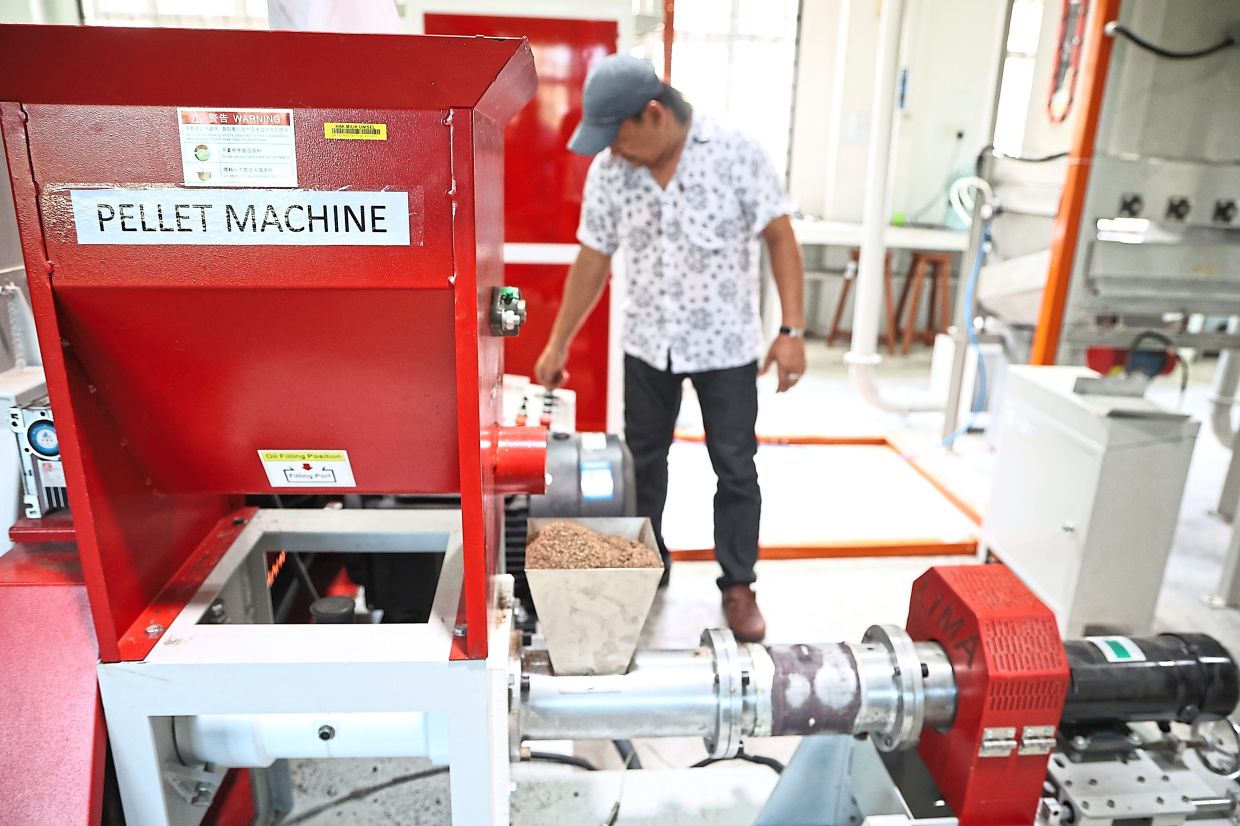
“Since our objective is to reduce the dominance of ikan bandaraya in our rivers, the formula will not be commercialised.
“But it could potentially be adapted for other invasive fish species such as the peacock bass and redtail catfish,” Intan added.
For agriculture
There are also efforts to turn ikan bandaraya into a fish amino acid.
Fish amino acid is an organic liquid fertiliser made by fermenting fish with sugar.
It is highly valued in organic farming because it is rich in essential nutrients, particularly nitrogen, which promotes healthy plant growth.
Selangor Agriculture Department director Azahar Ibrahim said the department was testing the suitability of ikan bandaraya in making the fish emulsion.
“The fish amino acid contains bioactive compounds that can improve soil health and stimulate microbial activity.
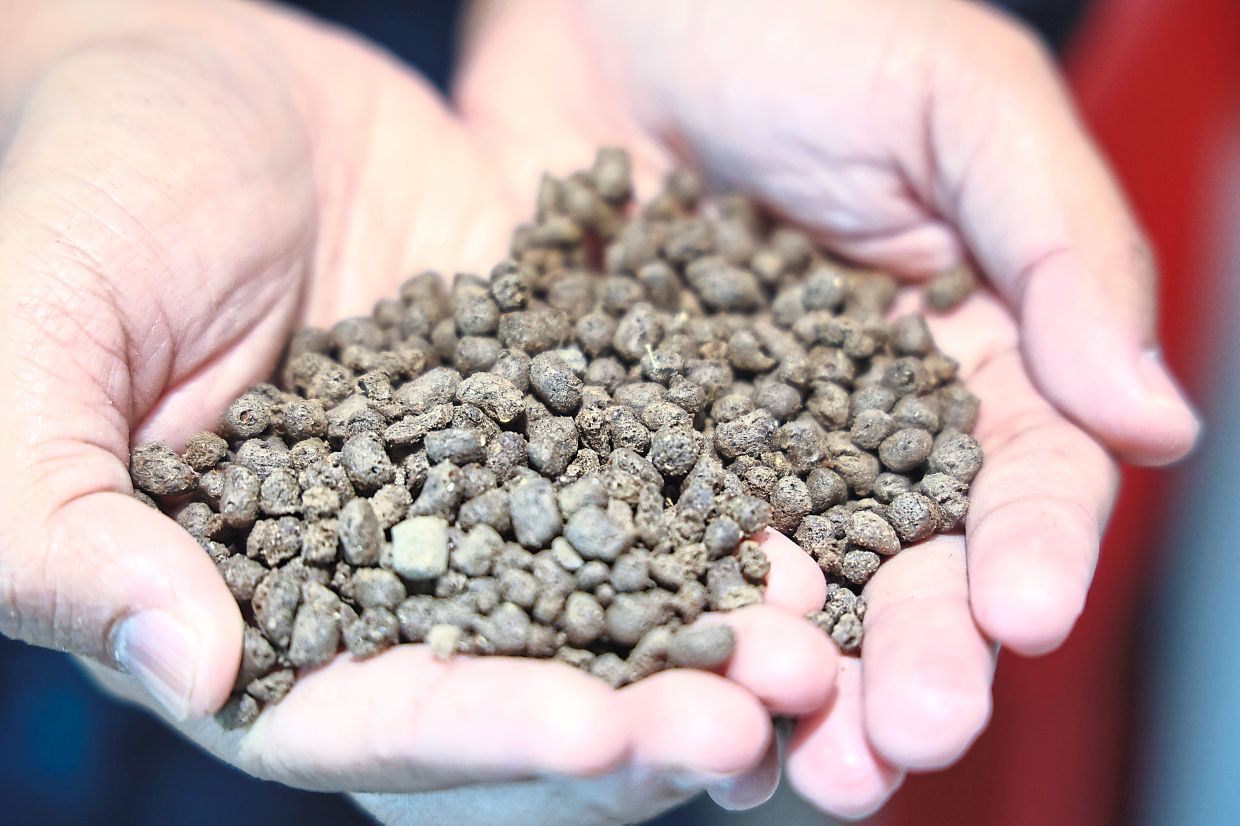
“Due to its heavy metal contents, we are checking on the effects of the fish amino acid made from the fish, on the plants,” he said.
Azahar said fish amino acid, which was usually made from small fish and fish waste, was generally safe, environmentally friendly and provided a slow release of nutrients.
“Farmers who use it often see better crop yields, stronger resistance to pests and diseases, and healthier soil in the long run.
“If all is well with using ikan bandaraya to make fish amino acid, we are not only reducing an invasive species in our rivers, but also creating a sustainable product that benefits agriculture,” he said.

