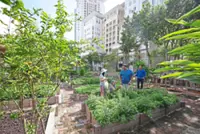
AT a high-rise residence in Tanjong Tokong, Penang, retiree Chin Nyoke Thow is seen “ingredient shopping” in the grounds of the building.
He cuts pandan leaves, picks curry leaves and harvests lemongrass from the community’s lush urban farm at Quayside Seafront Resort Condominium.
“Whenever I run out of something for my cooking, I just head down to the garden.
“It is usually just a handful I need. This time, I needed pandan, serai and curry leaves – perfect for my prawn curry!” said the 78-year-old with a grin.
Chin, who has lived at Quayside for the past 12 years, said he was not required to help with the garden but could freely reap its benefits.
“It is our little green treasure, not just practical for the residents, but also beautifully arranged and so well kept. I love it!” he said.
The 929sq m plot at Quayside is among urban community gardens and farms being introduced at high-end condominiums, some located at rooftops and terraces.
In recent years, such gardens have become premium residential amenities.
In fact, these green spaces are now a sought-after feature in some of the most expensive urban real estate.
They bring an unexpected blend of sustainability, wellness and community to high-rise living, catering to residents who seek not only luxury but also meaningful, eco-conscious lifestyles.
Sustainable urban living
Quayside Knight Frank property management associate director P. Chandra said there were 40 types of fruits, herbs and vegetable crops at the urban farm.
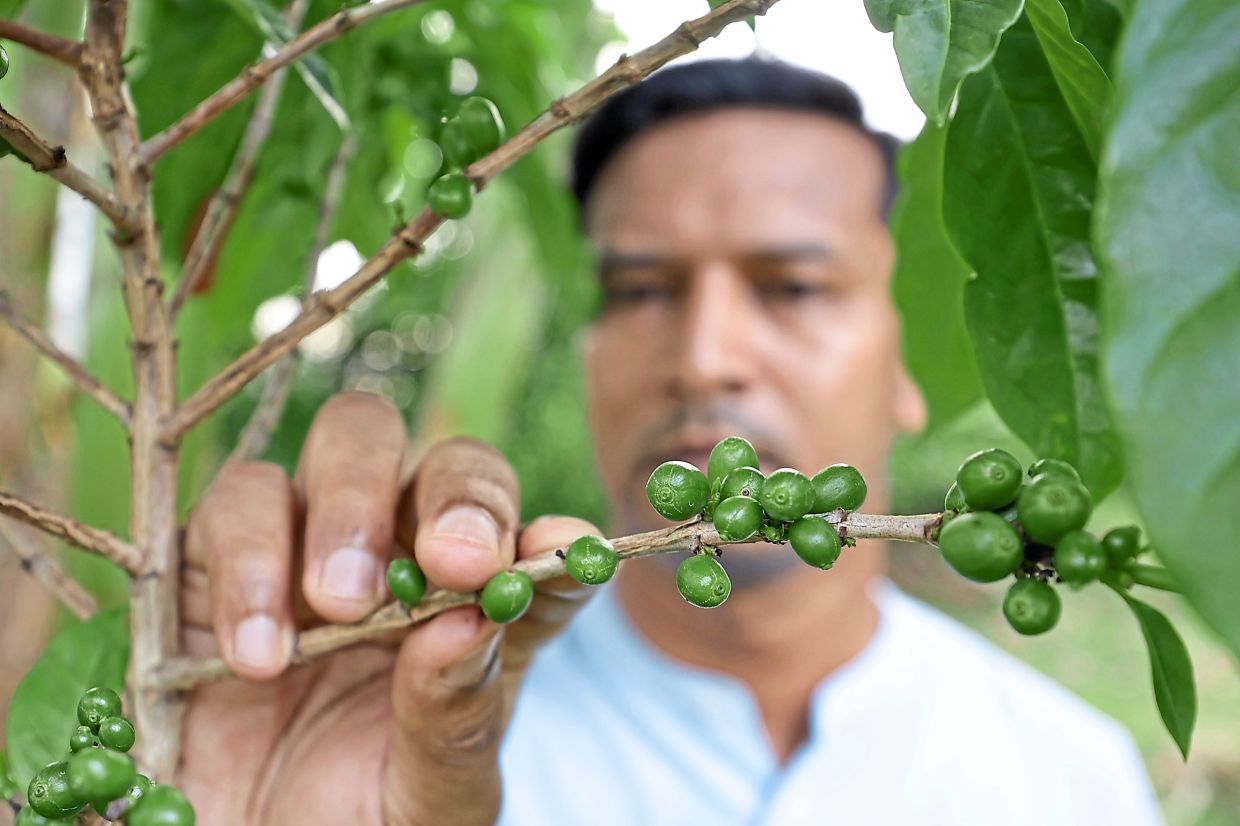
These include rosemary, mint, thyme, coriander leaves, sweet basil, vanilla, oregano, pandan, Beijing grass, velvet apple, Indian borage, Chinese mugwort, coffee and bullock’s heart fruit.
He said the garden, introduced in 2018, was revamped in July 2024 with help from gardeners of the management company.
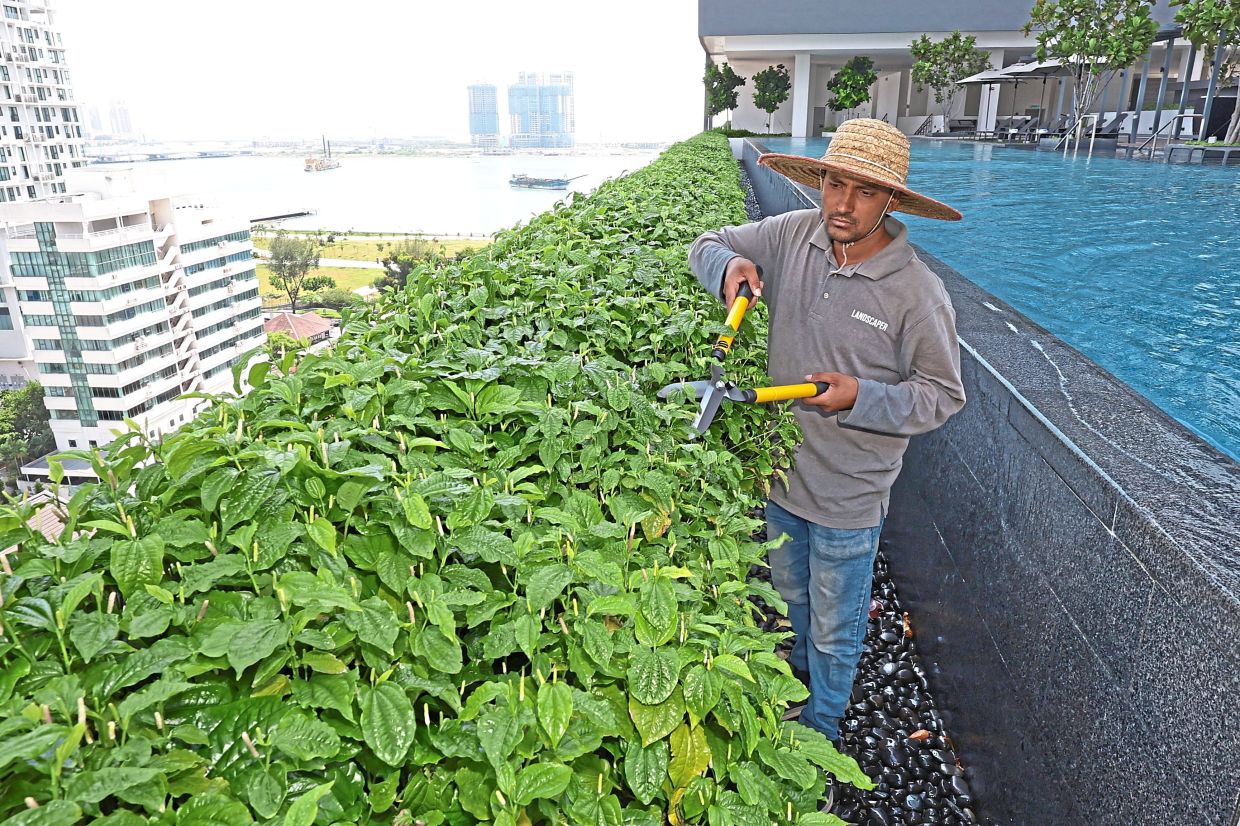
“We got off to a good start and the garden began flourishing, with an increasing number of residents showing interest in the farm,” he said, adding that the management company had plans to expand the garden.
Chandra said such gardens and farms served as more than just plots for growing fruits, herbs and vegetables – they were hubs of community engagement, environmental sustainability and social equity.
He said that while tropical climates offered great potential, such as year-round growing seasons, fast crop turnover and rich biodiversity, they also came with unique challenges.
“For instance, the rain can cause waterlogging, root rot and even erosion.
“Soil nutrients get washed away and the plants may not survive,” he said.
“On the other hand, heat and humidity create ideal conditions for fungal diseases, mildew and pests, making it difficult for us to keep up with high maintenance needed to keep the crops healthy,” he elaborated.
He said that wet and warm conditions allowed for rapid weed and pest growth.
Pests, especially aphids and mealybugs, are a constant presence.
“Hence, our gardeners have to pay close attention to the plants.
“The tropical climate also makes it challenging to balance water supply between hot spells and monsoon seasons.
“To tackle this, we will implement a rainwater harvesting system, and have in place proper drainage to prevent waterlogging during the monsoon season,” said Chandra.
So far, he said, the farm had not experienced major pest attacks.
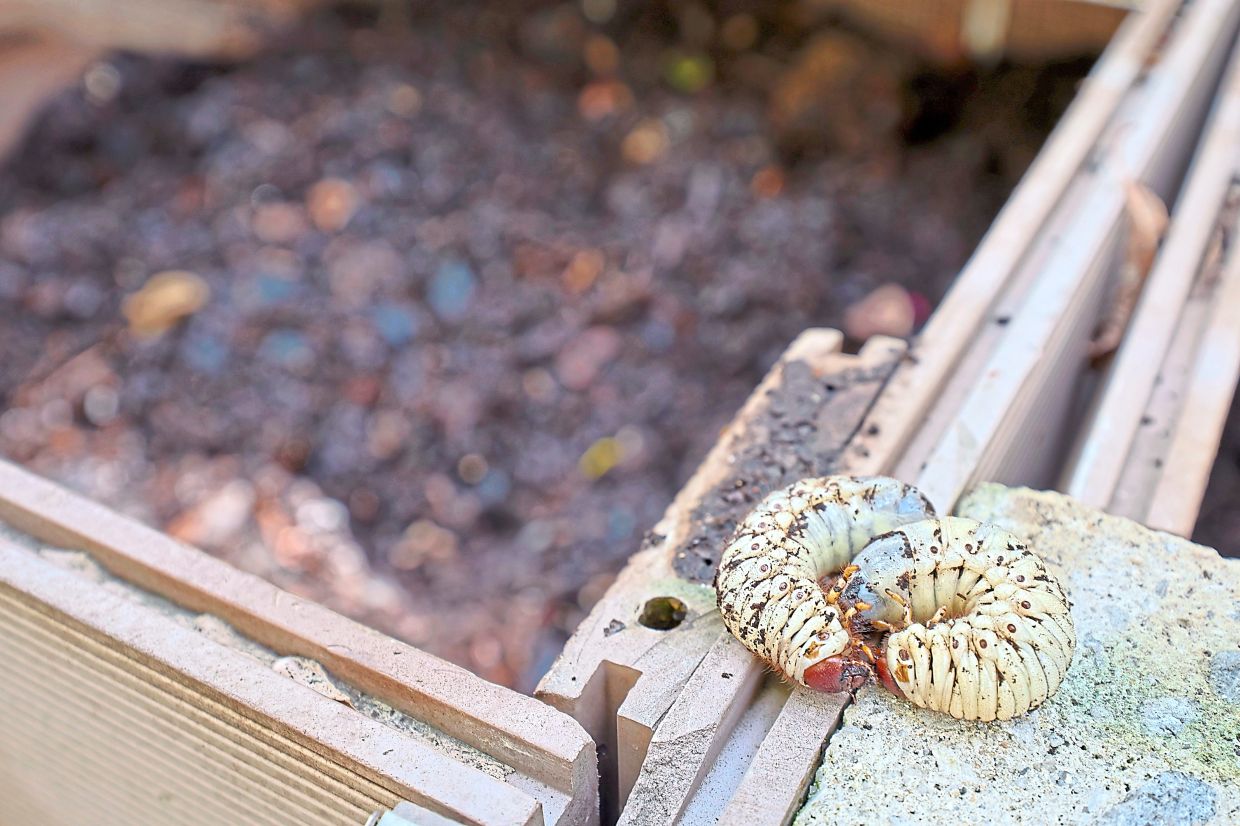
“We make our own compost using a composting bin for residents to dispose of their kitchen and household wastes.
“We also produce our own EM (effective microorganisms) and use it in the garden to promote healthier plants, improve yield and reduce reliance on chemical fertilisers and pesticides.
“The EM ensures the soil is well-aerated and supports beneficial organisms like earthworms, isopods and millipedes, which help break down organic matter and aerate the soil,” he added.
To keep pests away, the gardeners use organic methods such as a spray solution made with garlic and baking soda which has proven effective.
On whether the management would consider using chemical pesticides in the event of an infestation, Chandra said this was highly unlikely, as pests rarely attacked healthy plants.
Produce with purpose
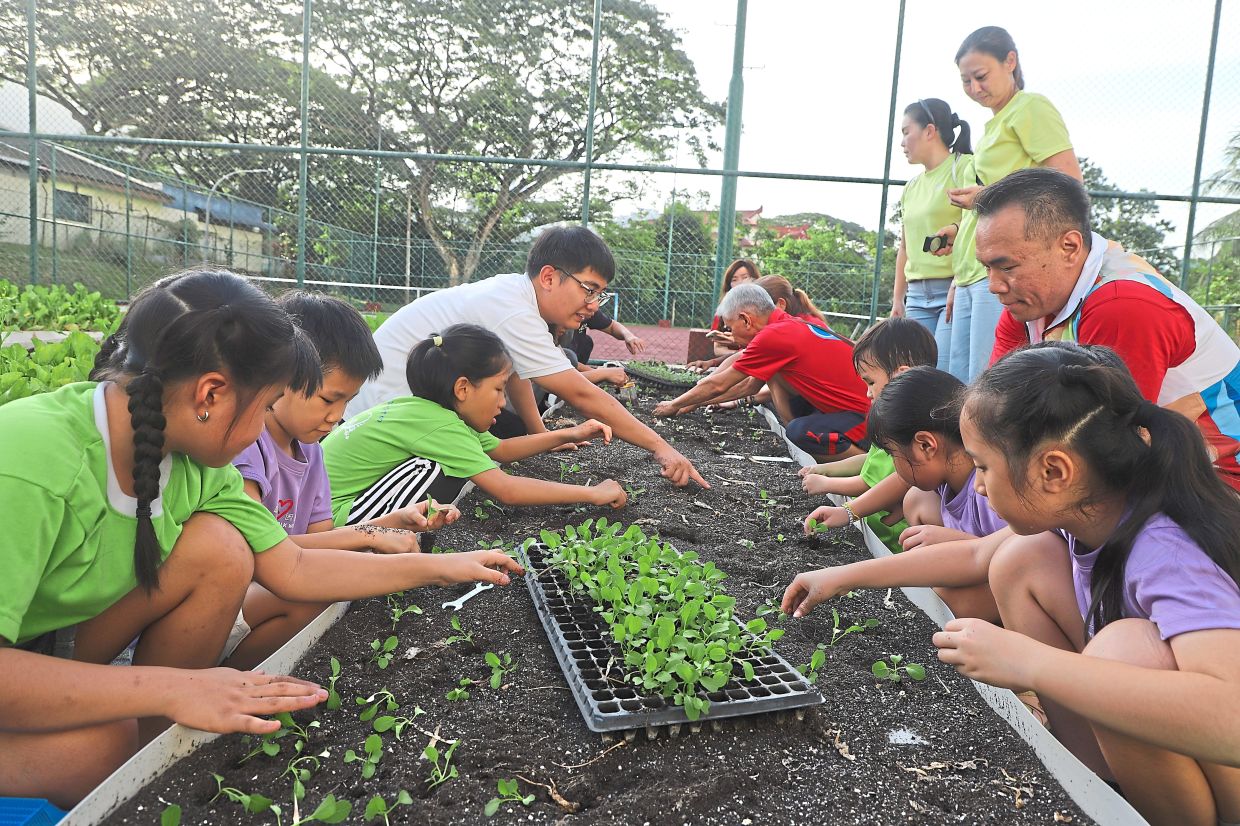
Over at the Grand View Condominium in Jalan Tanjong Tokong, a flourishing community farm is managed by Persiaran Gurney Village Community Management Council (MPKKPG).
MPKKPG chairman Tan Chen Tatt said the farm was a collaboration between the council, ViTrox Agritech and the condominium management.
He said the farm not only produced pesticide-free vegetables but also served as a model for eco-friendly farming practices.
“We are happy that ViTrox Agritech is working with us to introduce pesticide-free food production, waste reduction, and energy efficiency, all contributing to a more sustainable future.
“What is especially beneficial is that the company owns and operates a farm in the Tasek Gelugor suburb, which focuses on sustainable agriculture and precision farming techniques.
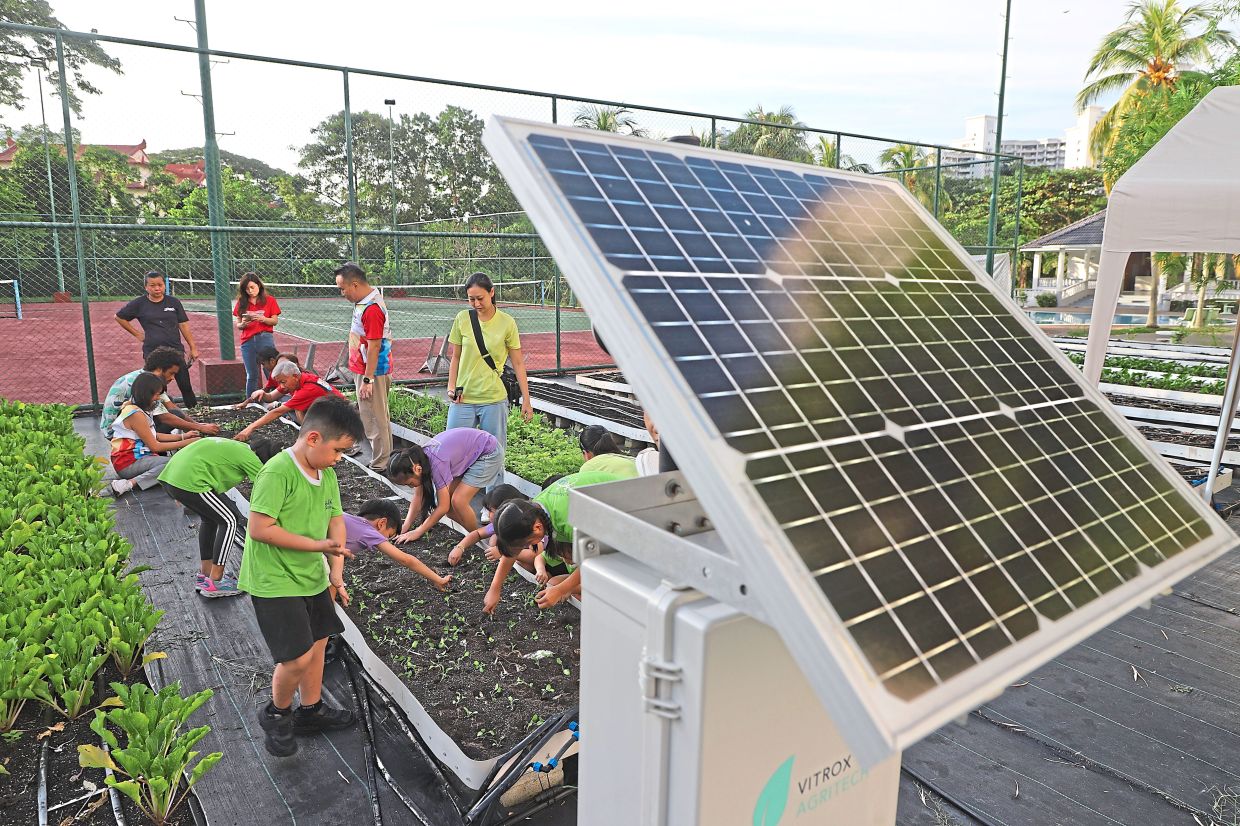
“Following its success in commercial farming, the company is now transferring that knowledge and expertise to urban farms,” he said.
“This farm also sells its harvested produce to ViTrox Agritech, which markets it on our behalf. This is helpful to some of our B40 residents.”
Tan added that besides residents purchasing garden greens, some were also put up for sale through the condominium residents’ WhatsApp group.
ViTrox Agritech co-founder and business unit head Vincent Ong said the company provided turnkey solutions for the urban farm, proving that tech-powered, sustainable farming could thrive even in the heart of the city.
When well cared for, he said, the yield could exceed 240kg fresh vegetables per month – just from the 278sq m space next to the tennis court.
“With these systems in place, we are not only empowering the community and enhancing food security, but also providing business insight for people,” he said.
The project, which began in July, was funded through the “Sejati Madani” grant, said Ong.
“This urban farming project took six months to set up.
“It is relatively economical in terms of cost.
“We installed solar-powered closed-circuit TV (CCTV) cameras and the irrigation is managed through an Internet of Things (IoT) system, so if it rains, watering of plants is automatically reduced,” he said.
On the challenges, Ong said heavy rainfall and pest attacks were their main concerns.
“We are going into our second planting cycle, and have identified four types of pests.
“The main one is the flea beetle, which primarily attacks leafy vegetables,” he said, adding that viruses, fungi and bacteria could also affect the crops.
However, Ong said, besides making their own compost, MPKKPG members used plant-based pesticides from blended plant extracts to spray on affected plants.
“If a crop is severely affected or if there is an infestation, we take the next best step by removing the crop to prevent the problem from spreading to nearby plants,” he explained.
Overwatering, he said, could also lead to root decay which would cause them to break down and become unhealthy, often due to fungal or bacterial infections or excessive moisture.
“This is why our company places strong emphasis on providing MPKKPG with sufficient knowledge and training for all farming activities,” said Ong.
In Gurney Drive, high-end development Marriott Residences Penang features a vegetable and herb garden on the 11th and 12th floors.
Its residential services director Ivan Khoo said the property was the first branded residence to feature such a concept on an elevated terrace since December 2023.
“We have plants and herbs like Murraya paniculata (orange jessamine), basil, oregano, sireh, Indian head ginger, rosemary, clover leaf, spinach, lemongrass, talinum and cat whiskers.
“The plants have been growing and flourishing well, as the high altitude limits the growth and survival of pests.
“Our gardeners also spray lemongrass oil on the plants and herbs from time to time to prevent pest attacks,” he said.