
SYENA Ghazali, 49, is fiercely proud of her workplace, a popular cafe and event venue in Dusun Tua, Hulu Langat in Selangor.
The area is renowned for its beautifully landscaped gardens and chalets.
However, for over a decade, the public bins opposite have become an unsightly and odorous problem, threatening her business.
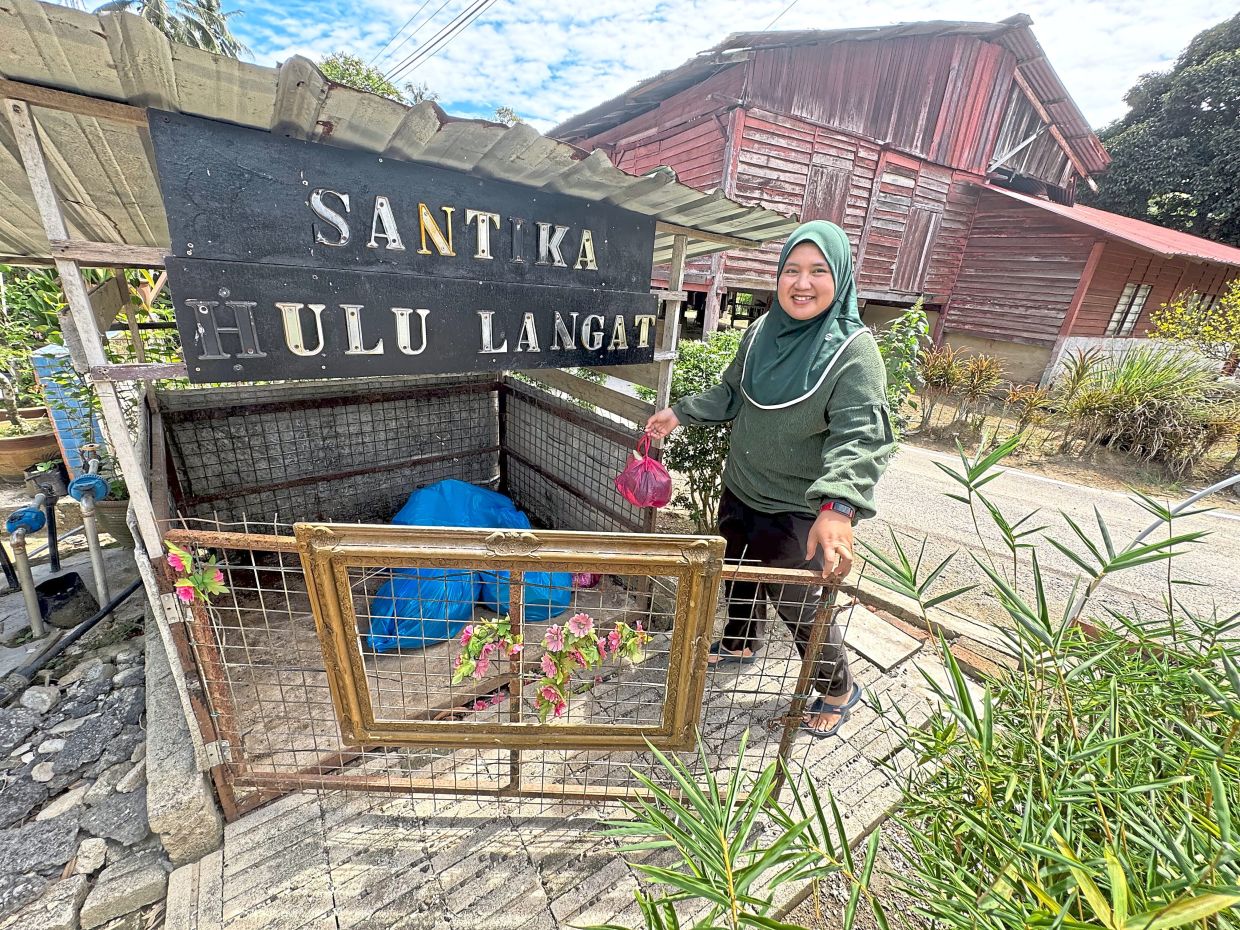
“The stench of rotting food wafts into our cafe and pavilion whenever we open the doors or windows,” Syena lamented.
“We have a surau here, and the foul odour is uncomfortable for people during prayer times.
“When we have bookings, we are forced to neutralise the smell with charcoal dust and mouthwash,” she added.
Disposal dilemma
Overflowing bins plague residents and businesses in Dusun Tua, a favoured spot for weekend holidaymakers.
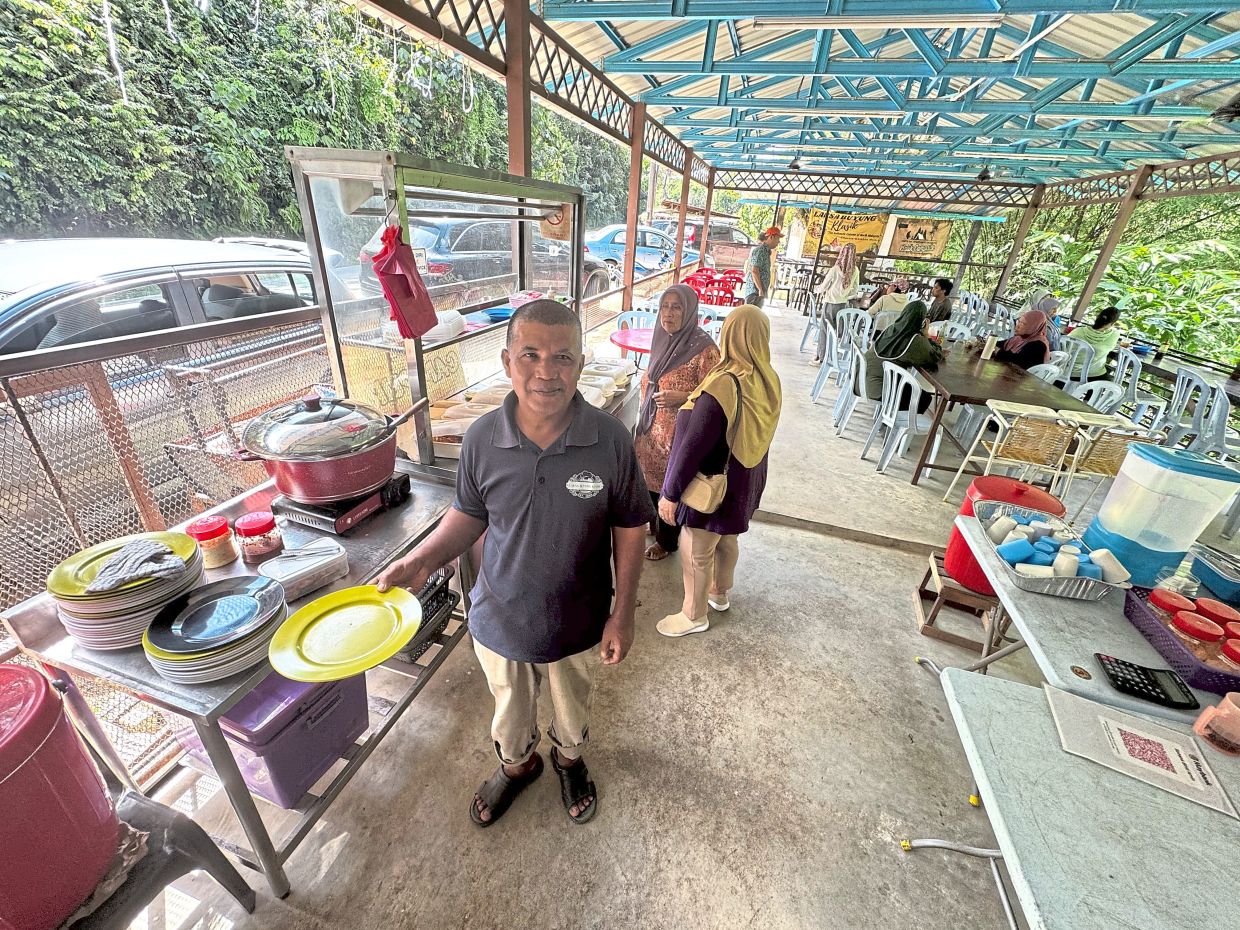
A villager from Batu 14 Jalan Hulu Langat said that unlike towns, traditional villages lack door-to-door rubbish collection because property owners don’t pay assessment tax.
Previously, burning or burying rubbish was common.
This changed 12 years ago when Kajang Municipal Council (MPKj) provided communal rubbish bins for Hulu Langat’s 16 traditional villages.

“So, to dispose of our waste, my husband has to carry rubbish bags to a public leach bin about a kilometre away.
“Sometimes, if we are going to town, we will carry the rubbish with us until we find a disposal bin,” said the villager.
Meanwhile, tourism promotions in Selangor have led to more campsites, resorts and chalets in Dusun Tua.
Village heads blame these businesses for the rubbish overflow, as the bins, meant for residents, cannot handle the commercial waste.
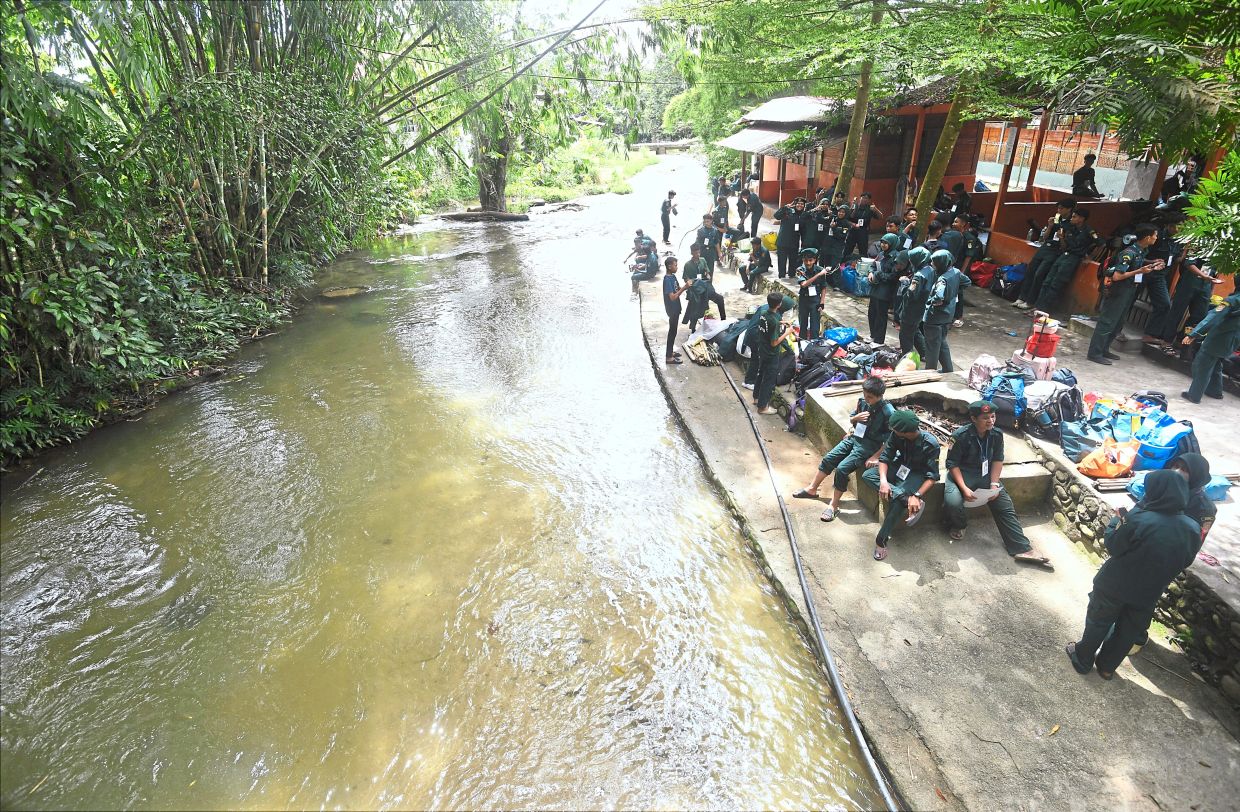
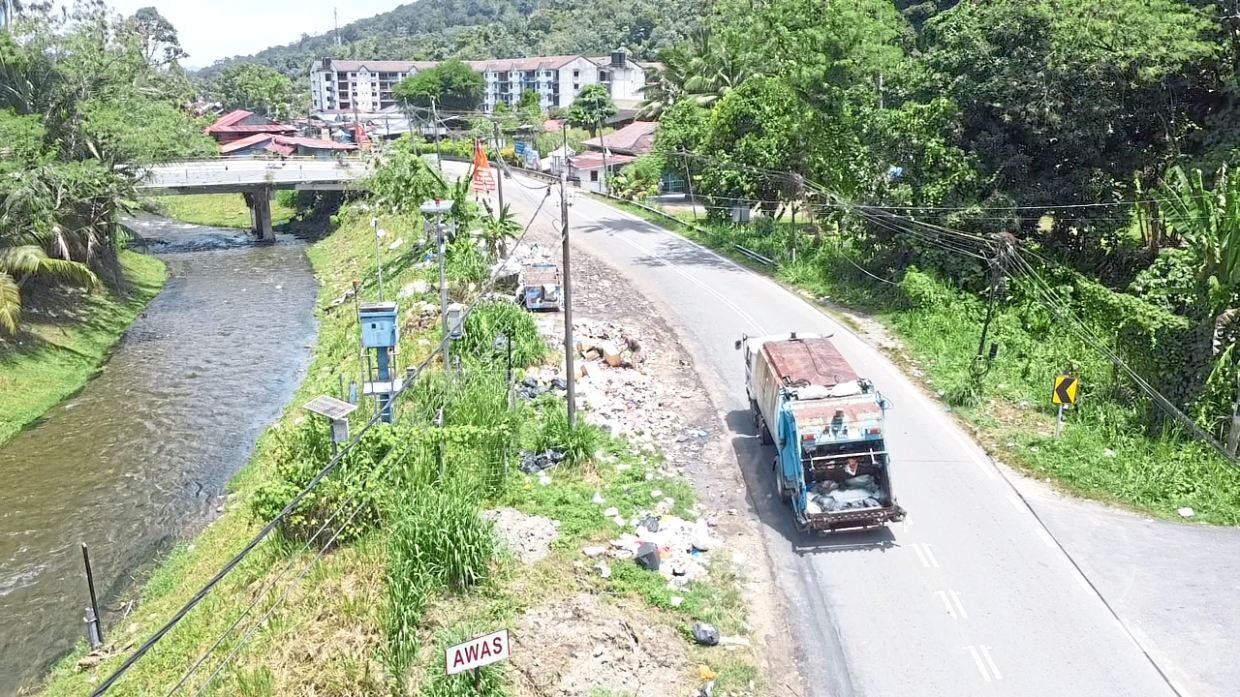
KDEB Waste Management Kajang operations head Abdul Razak Abu Talib told StarMetro that between six and eight tonnes of rubbish were collected just at the dumpsite in Batu 18 Jalan Hulu Langat alone.
This dumpsite is next to Sungai Langat.
Concerns and expectations
As a solution, MPKj president Nazli Md Taib said chalet and campsite operators might soon pay for rubbish management.
The announcement, made at the local council’s full board meeting last month, has prompted operators to seek details about charges and hiring options.
Most operators appear willing to pay for collection to maintain Hulu Langat’s appeal.
They agree that for Hulu Langat to retain its crown as a weekend holiday destination, cleanliness must be maintained.
“As long as they (the authorities) can solve the problem, we will pay. For years, the rubbish issue has caused much frustration,” said Syena.
“When you have rubbish, no matter how beautiful the surroundings are, it makes the environment ugly,” she noted.
But concerns remain over service delivery.
Commercial operators say tardy collection was one reason for the mountains of rubbish at the village communal leach bins.
“There are days when the compactor trucks don’t show up and there are times when the rubbish is left uncollected for as long as a week,” complained Azman Haron, 59, who operates a chalet rental.
Zamri Ahmad Daud, 58, who runs a food stall and campsite at Batu 20, expects KDEB Waste Management Sdn Bhd (KDEBWM) to adhere to schedules once payment starts.
“I am looking forward to the day when I will no longer have to carry rubbish to the leach bins myself,” said Zamri.
Where charges are concerned, Mohd Nor Zam Ujud, 58, who runs a homestay at the 14th Mile, expressed hope that authorities take into consideration that most businesses were only busy on weekends.
If there are any bookings for weekdays, it is considered a bonus.
“Take for example, small operators who have only one house to let out for RM300 a night. Multiply that by four weekends, that is only RM1,200 in rental.
“Say we are charged RM240 for rubbish collection; that makes up 20% of our revenue.
“And we still need to cover maintenance costs,” he said, adding that he hoped whatever fee charged for rubbish collection would be reasonable.
Wan Fariza Wan Ismail, 58, a resort operator in Kampung Sungai Lui located at Batu 20, also hoped a proper survey could be carried out on the volume of rubbish generated by the different classes of operators.
“If a blanket rate is imposed for all, it will burden the smaller businesses.
“Fees should also not be based on size or built-up area, but on how much actual waste is being generated,” Wan Fariza stressed.
Nadia Muhamad Suyat, 45, a chalet operator in Kampung Jawa, said the amount of rubbish would peak on Mondays, following the influx of weekend holidaymakers.
During fasting month, however, the volume of waste is almost zero at her chalet.
Operators also said enforcement needed to be beefed up to catch fly-tippers from making use of communal leach bins, and against picnickers who litter.
Need to recycle
However, paid rubbish collection is not a panacea.
“We need a widespread campaign on rubbish management awareness, such as recycling methods and the importance of waste separation,” said Zaid Abd Latif, 36, who runs a restaurant in Batu 18.
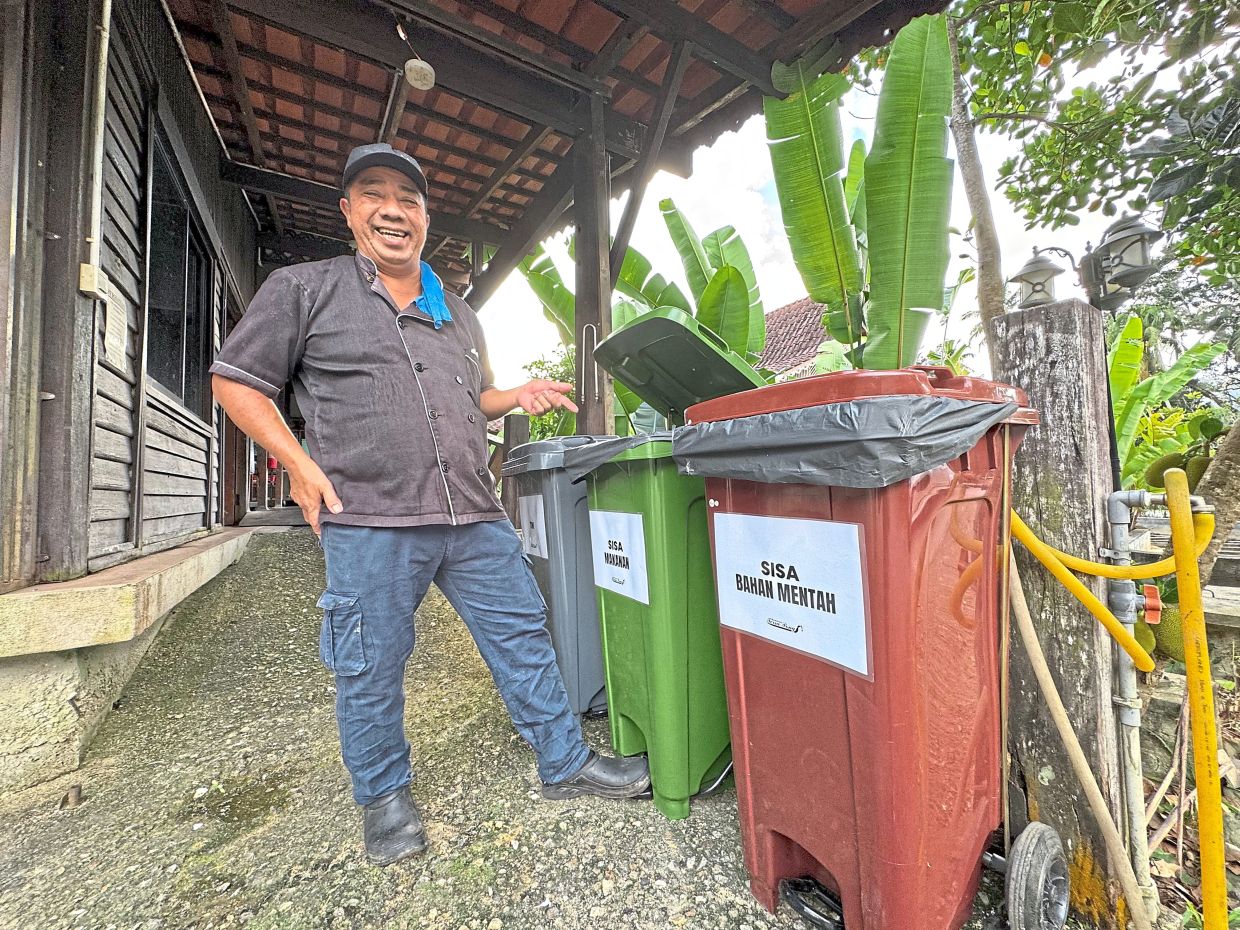
Zaid has found ways to dispose of food waste, which makes up 70% of the rubbish generated from the restaurant’s daily operations.
It is turned into compost to fertilise some 80 trees that are planted around his one-hectare property.
“Leftover rice is fed to the free-range chickens, and egg shells are crushed and sprinkled on the plants.
“For used cooking oil, we have a private contractor to pick it up.
“By selling cardboard packaging, tin cans, plastic and glass, we can get an additional RM60 a month in income,” he said.
For the long term, Zaid said a recycling station should be set up as one way of reducing the amount of waste at the communal leach bins.
Nadia too practises recycling at her chalet, with garden waste piled up and turned into compost.
Setting wheels in motion
In July, an engagement session, one of many expected to follow, was held to inform stakeholders how this new waste management plan would be implemented.
Held at the Dusun Tua National Advanced Youth Vocational Institute auditorium, it was chaired by Dusun Tua assemblyman Datuk Johan Abd Aziz.
About 50 people attended, including MPKj and KDEBWM staff as well as operators of hot springs, food and fruit stalls, resorts and event spaces.
MPKj Municipal and Health Services Department director Shariman Mohd Nor gave stakeholders a presentation of the growing rubbish issue which had become public eyesore along Jalan Hulu Langat.
During the meeting, the local council proposed that monthly fees be based on bin sizes.
The fees proposed are RM240 for a 240-litre bin and RM660 for 660-litre bin. For leach bins, the proposed fees are RM1,100 and RM1,500 respectively for 1,100-litre and 1,500-litre.
On the necessity for these charges, KDEBWM revealed that the cost of running a 10-tonne compactor and a roll-on roll-off (Ro-Ro) five-tonne lorry to transport the waste was RM37,800 and RM25,000 per month respectively.
Though no firm date was given on when the rubbish collection and charges would be implemented, Shariman asked for the cooperation of all the commercial entities to ensure the waste management plan worked.
As a short-term measure, KDEBWM public relations head Mahfuzah Muhammad Tarmidi said four additional leach bins had been placed at the communal rubbish areas of Sungai Tekali as well as Batu 16 and Batu 18 of Jalan Hulu Langat.