THE Perak Pawsitive campaign, in its second year now, is part of Perak government’s efforts to address its stray animal problem.
The campaign, which started in 2024, is a public awareness and subsidised neutering initiative to address the state’s stray animal problem in a humane manner.
The Perak Pawsitive 2025 campaign for the Kinta district was launched at the Red Crescent Hall in Ipoh.
ALSO READ: Fair handling of strays needed
State housing and local government committee chairman Sandrea Ng Shy Ching, in her speech at the launch, said the programme was aimed at reducing the stray population through subsidised neutering, free vaccinations and health checks.
“This is not a problem that arose overnight, nor will it be solved tomorrow.
“It is more than just an issue of cleanliness or public order.
“It also concerns safety, community harmony and even religious sensitivities,” she said.
Ng cited irresponsible pet owners for failing to neuter their pets, permitting uncontrolled breeding, and abandoning animals as the root cause for the stray problem.
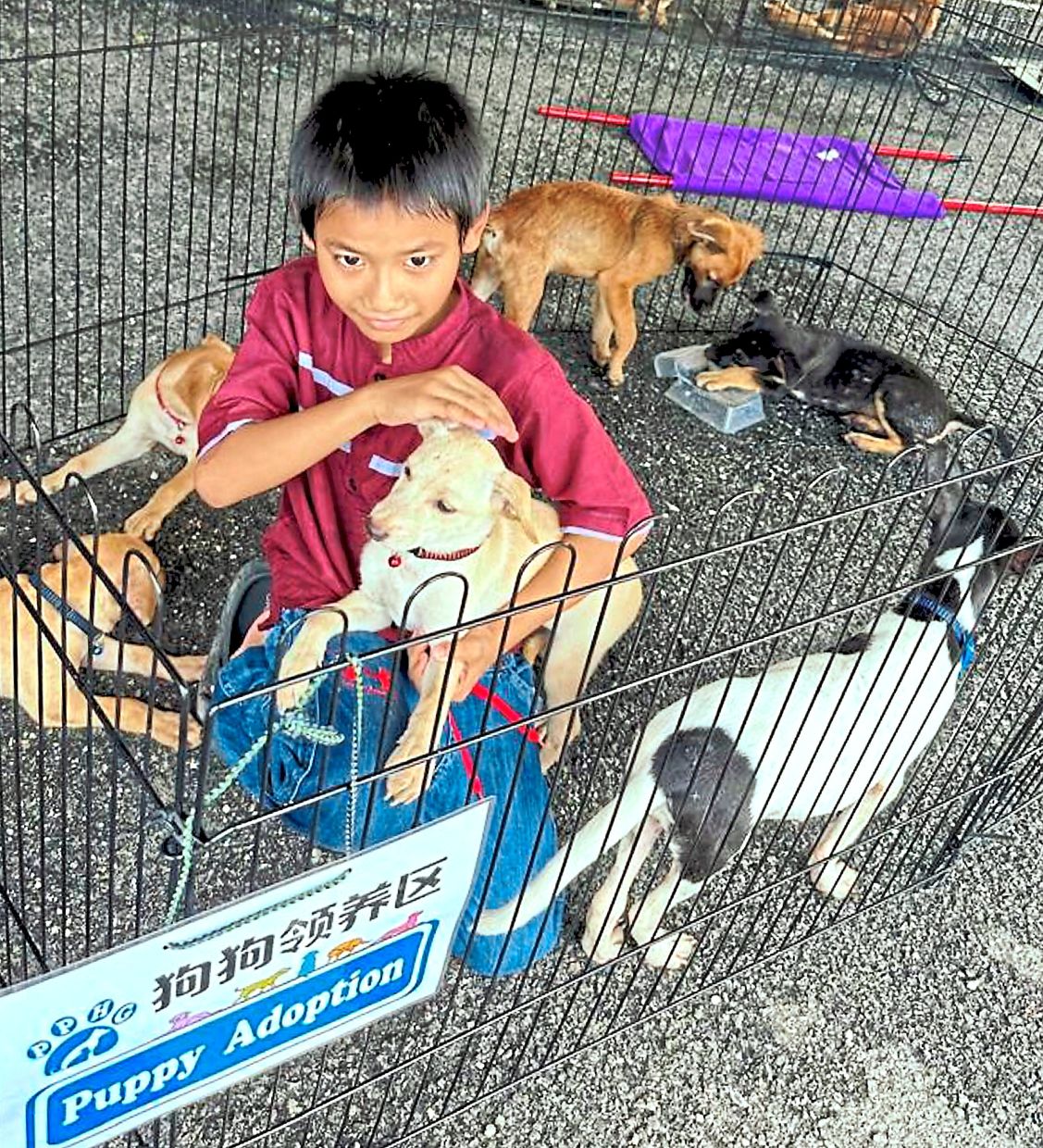
She said that as of April, 15 local councils in Perak had recorded 1,421 complaints on stray dogs.
“A total of 538 operations were carried out, and 2,171 dogs were captured,” she said.
She stressed that the figures underscored the seriousness of the issue.
Ng said measures under the Perak Pawsitive initiative included subsidised neutering to control the population at its source, community education on responsible pet ownership, and joint operations with non-governmental organisations (NGOs) and government agencies.
She said these measures required time, cooperation and patience for implementation.
Since the Perak Pawsitive launch, 301 dogs and 254 cats have been neutered.
“Licensing is also a key focus, with 498 dog licences issued during the campaign after officers learned that many owners had not registered their pets,” said Ng.
She said animal welfare group data indicated that an unneutered cat and its offspring could multiply to over 11,000 in just five years.
“Progress is not only measured by buildings and roads, but also by compassion, responsibility and our willingness to protect the weak,” she said while thanking sponsors, local leaders, and volunteers for their contributions since the programme kicked off in 2024.
Ng also praised the Friends of Pawsitive volunteer network for their on-ground work, from distributing flyers at night markets to engaging with the public, rain or shine.
“You do not just talk about change, you make it happen.
“It is that spirit that drives the Perak Pawsitive initiative,” she added.