ON June 24, Dewan Bandaraya Kuala Lumpur (DBKL) unveiled the Kuala Lumpur Local Plan 2040 (KLLP2040) – a bold and sweeping blueprint that charts the city’s evolution over the next 15 years.
This statutory document – developed through a public consultation process that ran from January to April 2024 – outlines a future where Kuala Lumpur is not only more connected and inclusive, but greener, more accessible, and deeply attuned to the rhythms of urban life.
Among its guiding principles: fostering transit-oriented development, mandatory affordable housing, strong land‑use control and zoning, heritage safeguarding, and expanding the city’s green lungs.
Under the KLLP2040 framework, the preservation of green spaces and open areas is prioritised through the establishment of dedicated land use zones OS1 (Public Open Space 1), OS2 (Public Open Space 2), and OS3 (Private Open Space) ensuring sustainable urban planning and environmental balance.
One of the most forward-thinking innovations introduced under KLLP2040 is OS4 – Public Open Space in Private Schemes – a new planning layer control mechanism designed to promote more innovative and sustainable approaches to open space provision.
This is DBKL’s answer to one of the most pressing challenges of modern urban life – the scarcity of open land in densely built environments.
In Kuala Lumpur, where vertical growth is the norm and every square metre of land is increasingly precious, the city’s planners are looking up – and reimagining what urban greenery can mean.
The idea is as elegant as it is ambitious: what if public parks didn’t need to be anchored to the ground?
What if they could be found five, ten, or even twenty storeys above street level, woven into the very architecture of the city’s high-rises?
The rise of the vertical park
As the city swells, both in population and vertical development, conventional parks at ground level are no longer sufficient to meet public needs. Rather than view this as a constraint, KLLP2040 embraces it as an opportunity.
OS4 encourages developers to incorporate public green spaces within high-rise developments – not as exclusive rooftop lounges for residents, but as open, accessible areas that serve the wider community.
Think podium-level jogging tracks open to all, sky gardens perched above retail hubs, or tree-lined terraces in mixed-use towers – lush, livable spaces where one can walk, breathe, or simply look out over the city.
Designing for density
In the heart of KL, land is no longer an empty canvas. Every inch comes with competing demands – for housing, infrastructure, commerce.
Traditionally, this has come at the expense of parks and green lungs. But DBKL is proposing something different: a city that grows upward without sacrificing space for people and nature.
These areas are counted toward the city’s official green space quotas, providing an alternative to conventional parkland that is no less meaningful – and often more impactful.
Functionality beyond beauty
Though rooftop parks and vertical gardens may evoke a sense of design flourish, OS4 goes far beyond aesthetics.
These elevated green spaces are hard-working, multi-functional elements of the urban fabric:
> Recreation: Elevated walking paths, play zones, and fitness areas allow city dwellers to unwind and recharge above the urban hustle.
> Climate resilience: Green rooftops mitigate the urban heat island effect, improve air quality, and reduce stormwater runoff.
> Social connectivity: Shared sky-level spaces can host community events, weekend markets, or educational workshops, strengthening neighbourly bonds.
> Equity and access: Residents in high-rise-heavy districts – often underserved by traditional parks – gain proximity to wellness-enhancing environments.
By integrating these functions vertically, DBKL is creating layered landscapes where greenery is not merely decorative, but a daily companion to city life.
Measured path to 2040
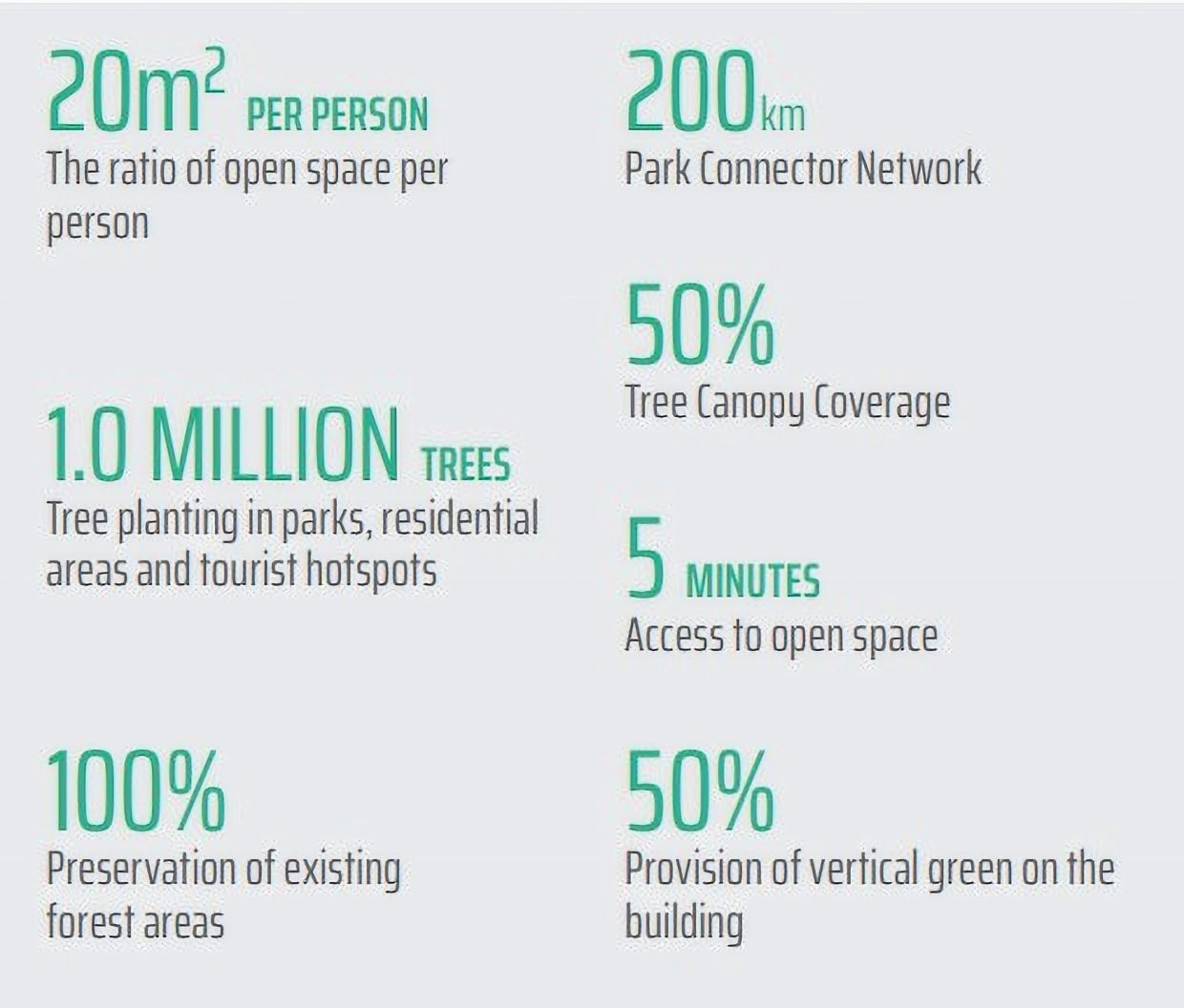
The broader goal of KLLP2040 is to ensure that every resident in KL enjoys access to at least 20 square metres of open or green spaces.
For a projected population of 2.35 million by 2040, that equates to approximately 4,700 hectares of green areas – a formidable target for a city of KL’s scale and density.
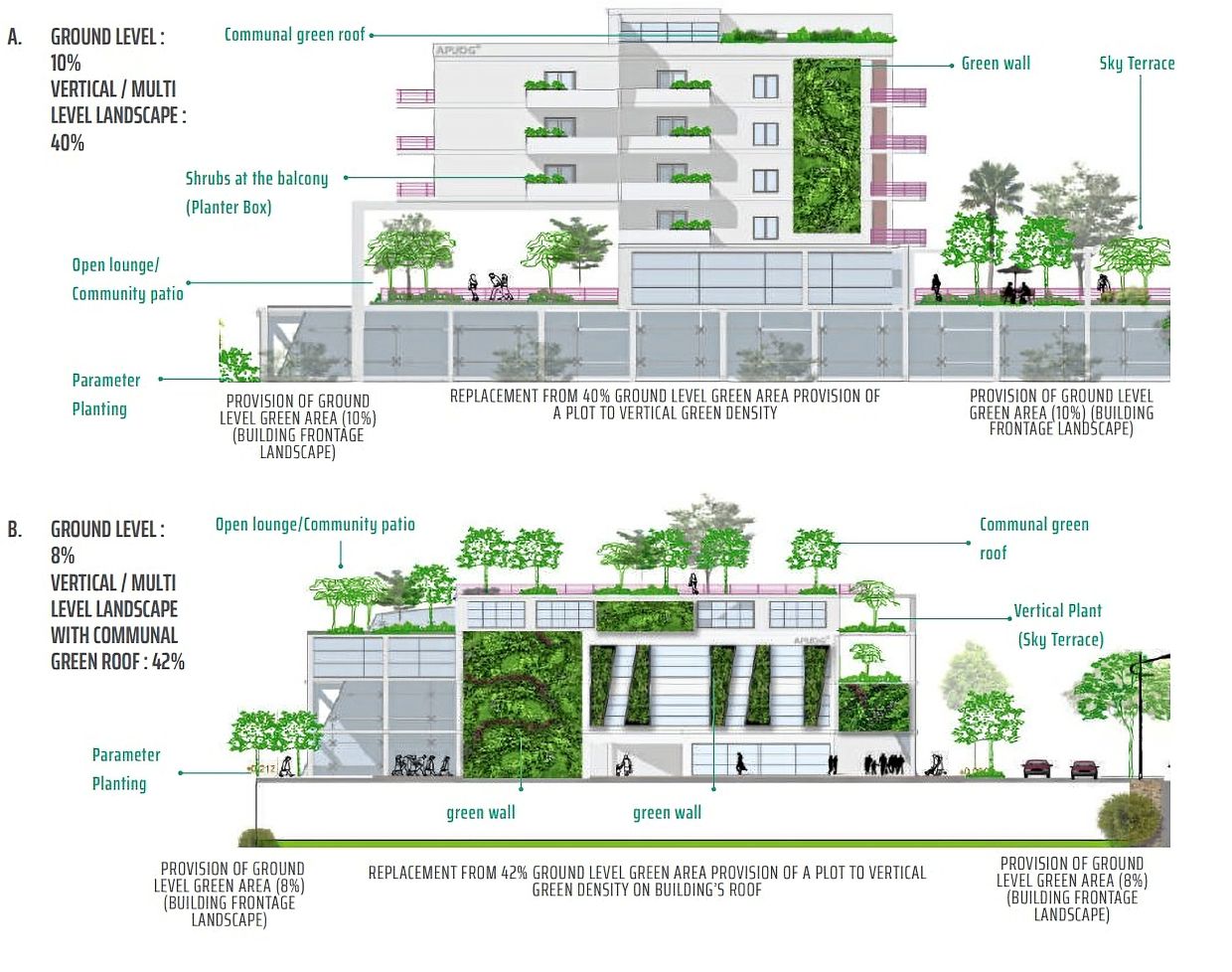
This is where the concept of vertical green density becomes crucial. It allows green areas to flourish in unconventional places, from green facades and balcony planters to rooftop gardens, vertical farms, and interconnected rooftop parks via link bridges.
The Kuala Lumpur Structure Plan (KLSP2040) outlines concrete steps to bring this vision to life, including:
> Mandatory design guidelines for integrating vertical greenery
> Accessibility requirements, ensuring that public access is not compromised
> Connectivity enhancements, such as skybridges that link green spaces between buildings
> Encouragement of productive greenery, with 20% of vertical planting proposed to support urban agriculture
These provisions are not simply cosmetic – they replace the estimated 50% loss of ground-level greenery due to urban development, ensuring no net loss in ecological value subjected to specific areas.
From concept to concrete
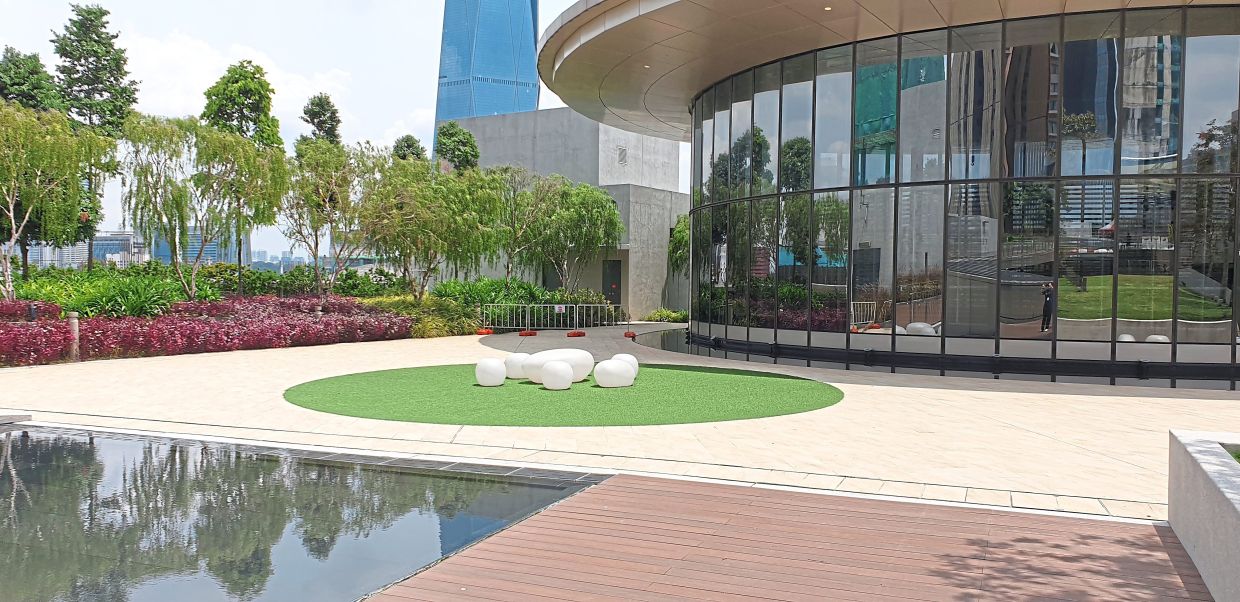
This isn’t just planning theory – OS4 is already taking root. Projects such as LaLaport BBCC, Tun Razak Exchange (TRX), and Pavilion Bukit Jalil have embraced strata-level green spaces in their design ethos, setting new benchmarks for what integrated, inclusive city-building can look like.
These spaces are not gated off or hidden behind resident-only passes. They are designed, maintained, and managed collaboratively between the city and developers – a genuine effort in shared stewardship.
It’s a model of urban co-creation, where greenery is not an afterthought but a foundational element of lifestyle, health, and community engagement.
Toward a more human skyline
As KL continues its vertical evolution, its future will not be defined by steel and concrete alone. With OS4 and other green initiatives, the city’s skyline is gaining a softer edge – one that prioritises community, wellness, and the natural world.
It is a quiet but profound transformation: from building upwards for profit, to building upwards with purpose.
DBKL’s vision is clear – that there’s always room to grow, even in the densest parts of the city.
And with every elevated garden and shared rooftop oasis, KL is proving that the future of urban living doesn’t have to come at the cost of nature. Instead, it can rise with it.