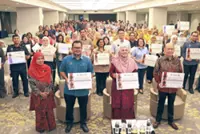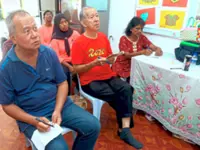
BURSTS of laughter fill a senior citizen activity centre in Taman Gombak Permai, Selangor, where men and women gather for a morning of making friends and sharing stories.
But this is not your typical place where the elderly socialise with their peers; it’s a growing network of “Pusat Aktiviti Warga Emas” (senior citizens activity centres), or PAWE, all over Malaysia where the able-bodied silver-haired community congregates with gusto, purpose and dignity.
With 15% of Malaysians projected to be over 60 by 2030, ageing has become one of the country’s most pressing demographic shifts.
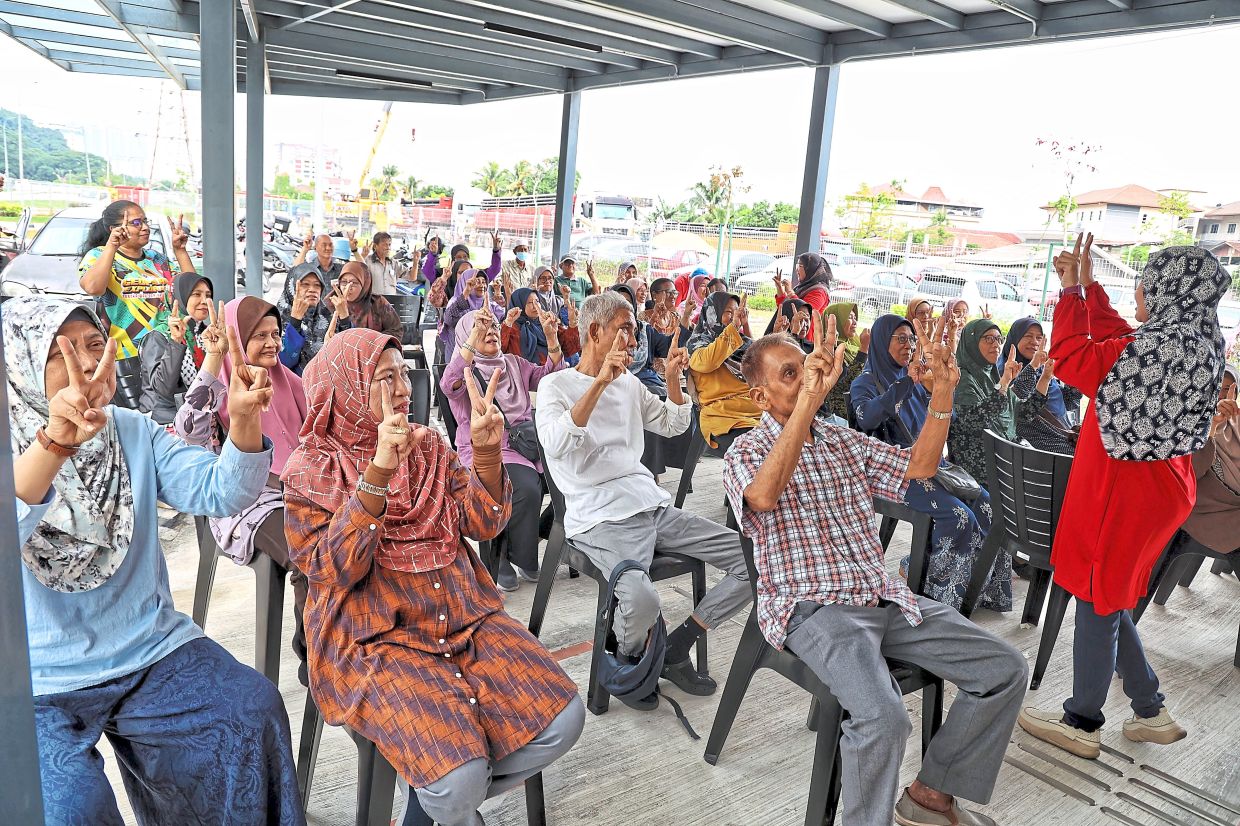
As such, these centres are emerging as lifelines to keep seniors engaged, independent and even economically productive.
Sanctuary for seniors
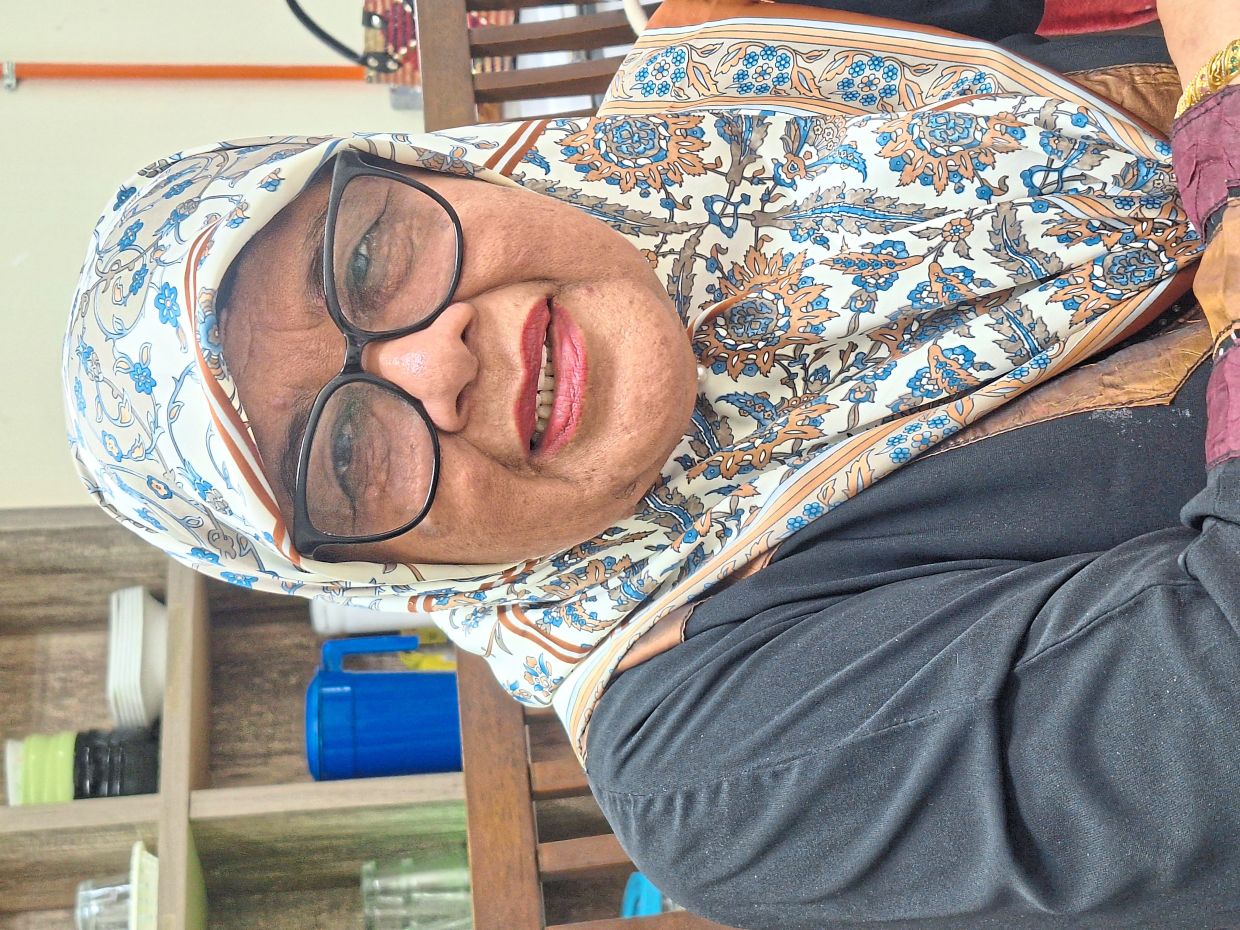
It is Selangor’s first such centre under a local authority.
Before any PAWE existed, the elderly local community had no place to spend their time when their children and grandchildren went off to work or school, said retired kindergarten teacher Ruslina Othman, 61.
“There is nothing much to do at home,” she said.
“The activities here are good for our physical and spiritual well-being.
“We can make new friends, and sometimes reunite with old friends.
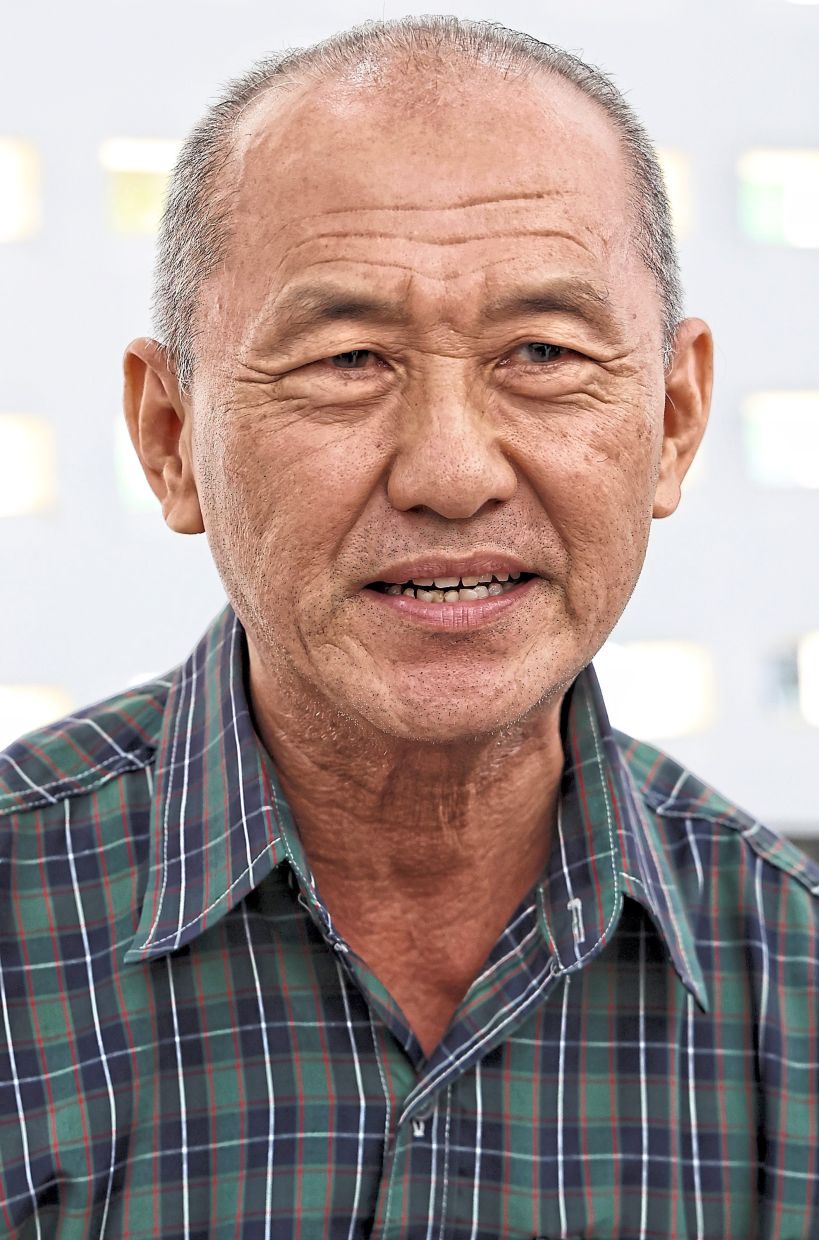
“I hope this (centre) lasts,” she said.
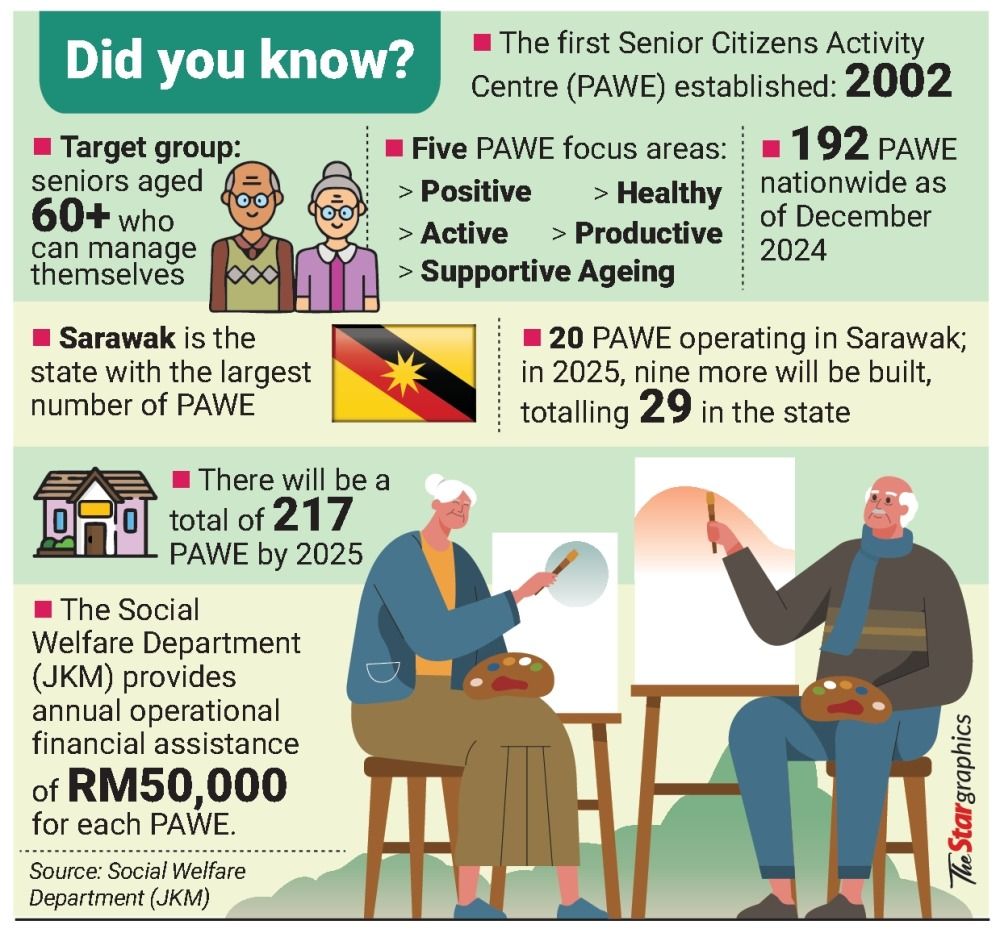
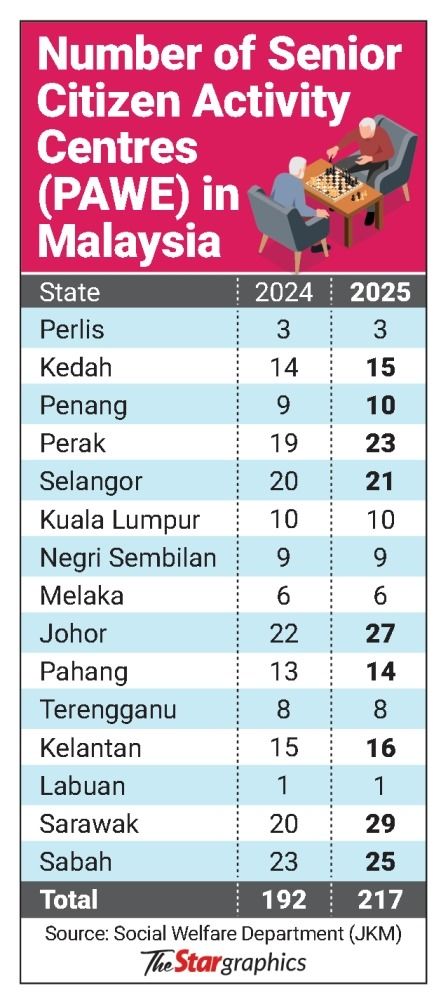
The Sungai Tua PAWE, located on 0.58ha of government land and having a built-up area of 4,387sq ft, is just one of the 192 centres operating nationwide.
According to Women, Family and Community Development Ministry, all the centres are administered by voluntary organisations registered with the Registrar of Societies (ROS) and supervised by the Welfare Department (JKM).
“JKM provides annual operational financial assistance of RM50,000 for each PAWE,” the ministry’s corporate communication said in reply to StarMetro.
To date, there are 21 PAWE in Selangor and 10 in Kuala Lumpur.
Retiree Phriya Mayavan, 69, takes a 15-minute walk from her home nearby to the Sungai Tua PAWE in Jalan Laksamana 2 almost every day.
“It is good exercise for me. I like the health talk organised today.
“It keeps our mind active and open,” said the former production operator.
The PAWE is where Phriya socialises with other seniors and accompanies them to run errands and even visit the Social Security Organisation (Perkeso), Employees Provident Fund (EPF) and JKM office if need be.
“Some seniors here even sponsor food for those who don’t have much money,” she said.
The bright and airy centre houses a games area with carrom tables and board games, a lounge with two massage chairs, classroom, surau, kitchen and disabled-friendly toilets.
Mohd Sharizwan Kang Abdullah, 65, a retired security officer, finds the centre conducive and convenient for them to socialise – an important activity to ward off loneliness among the aged.
“Socialising can help reduce the occurrence of depression among seniors,” said Sharizwan.
Pensioner Misnan Mohd Damin, 65, concurs, sharing that now that he is retired, he needs to take better care of his physical and mental health.
“The world of retirees can be lonely.
“We need to learn to be with people and make new friends,” added Misnan, acknowledging the supportive centre staff for catering to the seniors’ needs.
Building more PAWE
According to the ministry, new centres are set up with development budget allocations approved under the Malaysia Plan.
A total of RM17mil had been allocated since 2018 for PAWE under the 11th Malaysia Plan.
Initially, all states received the allocation based on the planned number of approved PAWE.
However, at the end of the 12th Malaysia Plan (2025), only nine states received the allocation for the establishment of PAWE.
Several states have channelled funds to improve PAWE premises and services.
The Johor government, for example, allocated RM385,000 in 2024 and RM584,000 in 2025 to upgrade 12 PAWE premises and services improvement projects.
State initiative
MPS Community Development Department director Affendei Samingan said the Sungai Tua PAWE opened on Sept 1 last year.
He attributed the centre to Datuk Seri Amirudin Shari who is Selangor Mentri Besar and Sungai Tua assemblyman.
Affendei said Amirudin was instrumental in the initiative to care for the elderly at the local council level.
“We had to work out something since we had the site already.
“While our department’s forte is community programmes and sports, building a PAWE made us go further,” he said.
He added that building the centre cost RM2.5mil.
Affendei said MPS reached out to international non-governmental organisations (NGOs) like Japan’s Council of Local Authorities for International Relations (JCLAIR).
“We submitted a paper requesting for a subject matter expert to be sent from Japan to guide us in building a PAWE,” he said.
Adapting similar architectural concepts like PAWE centres in Japan was challenging, said Affendei.
“These included accommodating public transport adjacent to PAWE locations.
“Their centres are more clinical in architecture too, with more advanced technology.
“We did our best in adopting their design in terms of use of air-conditioning and open space for the seniors to meet,” he added.
At the moment, the Sungai Tua PAWE is managed by MPS staff, comprising a chairman (MPS deputy president), secretary (Affendei) and a treasurer.
A PAWE needs to be run by a registered association under ROS.
“We are getting this done because we need to form the executive committee.
“We are spending public money to give back to the community, so good governance is needed, including checks and balances to run the centre at an optimum level,” Affendei said.
For now, it is open from 9am to 12pm Mondays to Fridays.
Registered members, now at 481, come for activities in the morning and return home in the afternoon.
“Once the centre gets approval from ROS, there will be a supervisor and assistant to manage it,” said Affendei.
He said they were also open to university students and corporations to conduct their corporate social responsibility (CSR) projects with the seniors at the centre.
Beyond day care
All PAWE are encouraged to carry out programmes and activities based on five dimensions under the National Senior Citizen Policy.
These are Positive Ageing (holding positive beliefs), Healthy Ageing (forming healthy lifestyles), Active Ageing (optimising involvement in family and society), Productive Ageing (contributing to economic activities) and Environmental Ageing (senior- friendly internal and external environments to age well).
Intergenerational membership
In Kuala Lumpur, the Lembah Pantai PAWE at Jalan Sri Sentosa 8 in Taman Sri Sentosa started operations on Jan 2, 2020.
It is open from 9am to 3pm on weekdays, and if there are events, on weekends too.
Its chairman Rosita Rahim, 68, is busy making the premises, parked under Kuala Lumpur City Hall (DBKL), a vibrant one for the elderly.
They now have 332 registered multi-racial members.
The outspoken pensioner’s last post was Under Secretary in the Prime Minister's Department (Ceremonies, Protocol & International Conferences Division), and as an administrative and diplomatic officer at the National Institute of Public Administration (Intan).
In fact, she said they have opened their PAWE to younger members aged 18 and above to drive intergenerational membership.
“The younger generation needs to socialise and realise that they will be senior citizens too one day, so they must be prepared to cope in the environment,” she said.
Managing a PAWE is hard work, Rosita said, as it involves a lot of collaborations and networking with NGOs, universities and private entities to equip the centre with facilities.
She said Universiti Malaya (UM) and EPF offered support like conducting workshops and useful skills courses.
Rosita said more needed to be done to make PAWE more accessible and senior citizen-friendly.
“Lembah Pantai has six zones and many seniors cannot drive, so there is a lack of transport.
“Railings and wheelchair ramps need to be installed at the bus stops.
“The infrastructure for seniors needs to be improved,” she stressed.