Lack of regulatory body, proper laws hamper efforts to reduce such incidents, say experts
AN incident where a 16-year-old student drowned during a training session at a sports school in Johor last November highlights the pressing need for better rules and regulations pertaining to life-saving personnel at swimming pools in the country.
Life Saving Society of Malaysia (LSSM) president Lim Chee Gay and lawyer P. Rajasundram told StarMetro such tragedies could be reduced if there was a dedicated regulatory body overseeing the teaching and learning of swimming in Malaysia.
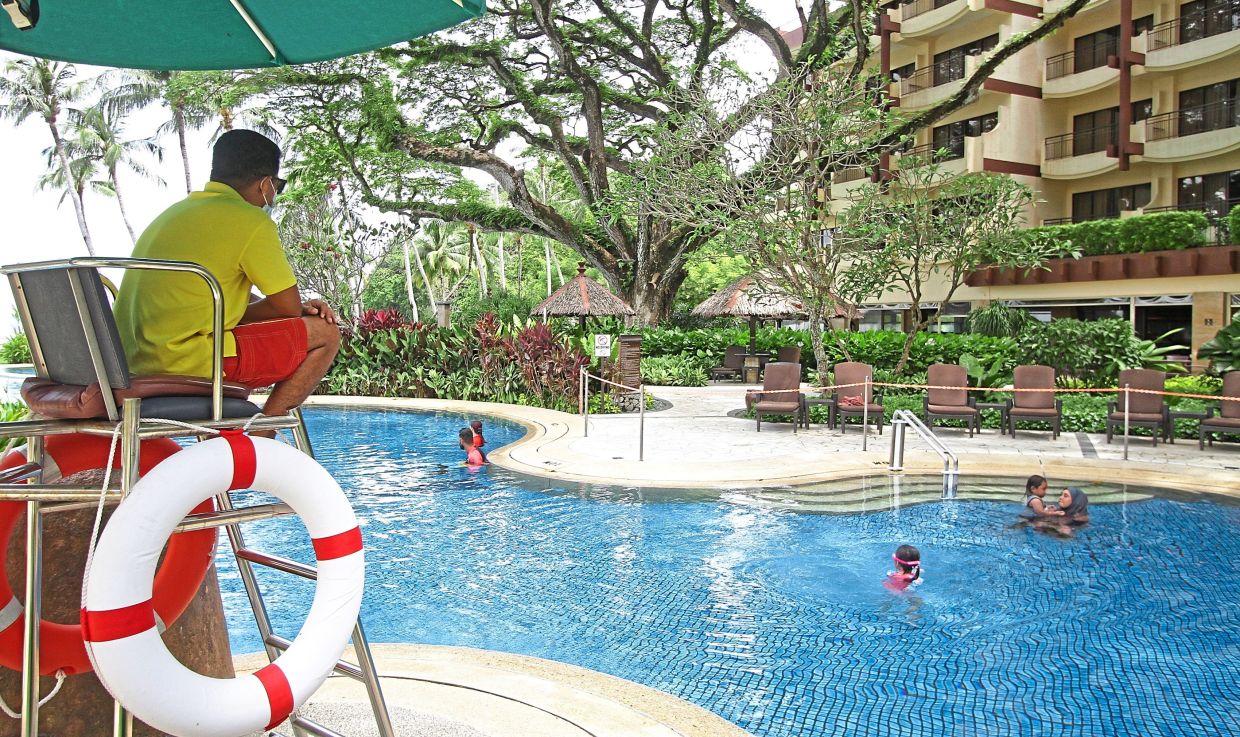
Currently, life-saving certification is not mandatory for swimming instructors and standards vary.
Having a valid business registered under Companies Commission of Malaysia (SSM) is not sufficient to teach, coach or run a swim school, they opined.
Both said laws were needed to create an authority to regulate the swimming industry, define necessary standards to be implemented and adopted as well as address the competency of teachers and instructors.
Saving lives
Lim highlighted a critical vulnerability; the absence of mandatory life-saving and cardiopulmonary resuscitation (CPR) certifications for all swimming instructors.
While many can teach swimming techniques, Lim said this did not guarantee the ability to effectively respond during an emergency.
This gap, he said, existed within a largely unregulated industry, raising urgent questions about instructor preparedness, safety standards and whether enough was being done to prevent avoidable deaths in the water.
“The main pillar of LSSM is drowning prevention. We have made this our vision and mission.
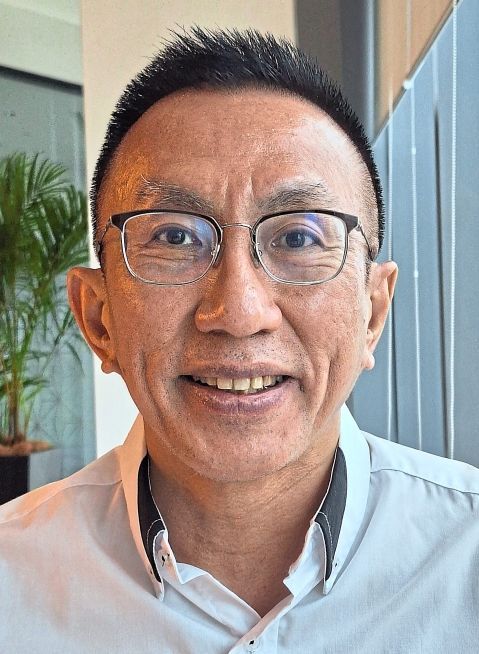
“The issue is that only some swimming academies require their instructors to take life- saving or CPR courses.
“There is currently no guideline requiring all swimming instructors to take life-saving courses,” he said.
To ensure drowning prevention in swimming pools and all water recreation areas would involve many parties within the public and private sectors as well as better policies, Lim added.
“For example, we have been pushing for all hotels to have lifeguards at their pools.
“Our mission is also to ensure every household has one lifesaver, but those who have lifesaving certification may not necessarily become lifeguards,” he said, adding that LSSM was a full member of the International Life Saving Federation.
“We are glad that swimming is included in schools’ co-curriculum, and from our end, LSSM ensures there are enough instructors and examiners because we want as many people to learn lifesaving as possible.”
In 2024, LSSM issued more than 3,000 certifications including CPR, Expired Air Resuscitation (EAR), Bronze Medallion, pool lifeguard certification and open water lifeguard certification (see chart).
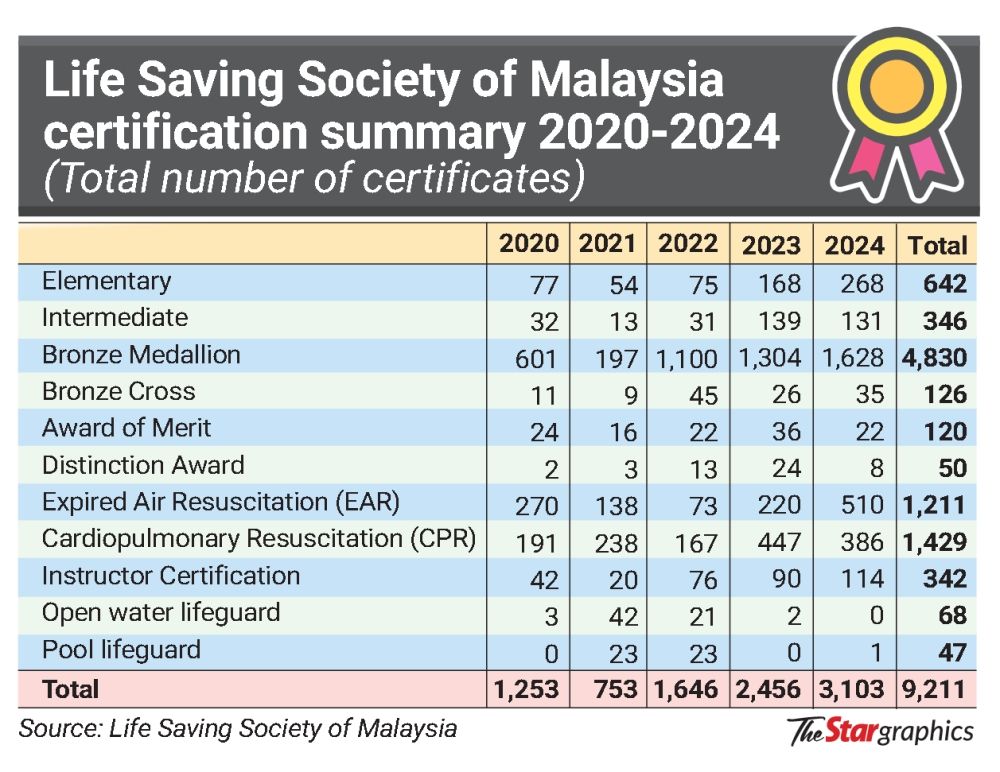
EAR, also known as mouth-to-mouth resuscitation, involves the transferring of expired air from a person to a victim of drowning.
To earn the Bronze Medallion in Malaysia, Lim said candidates must demonstrate proficiency in water safety knowledge, rescue and emergency response techniques, together with first aid and CPR.
Legal requirement
Rajasundram is a senior managing partner and honorary legal adviser to Swimming Teachers’ Association of Malaysia (STAM).
He said in Malaysia, public swimming pools regulations were primarily handled at state and local government levels.
They are covered by the Local Government Act 1976 (Act 171).
The Health Ministry plays a role in establishing water quality standards and some aspects related to pool maintenance and crisis management.
“The specific guidelines and by-laws vary by state.

“For example, Kuala Lumpur City Hall (DBKL) has its own Swimming Pool (Federal Territory) By-laws 1981.
“Generally, these regulations focus on water quality, safety measures and operational guidelines.
“There is no specific law governing teachers, coaches and those running a swimming school or institution.
“When it comes to legal issues concerning teaching swimming and lifesaving, the biggest challenge is the lack of initiative and willingness to regulate the private swimming industry.
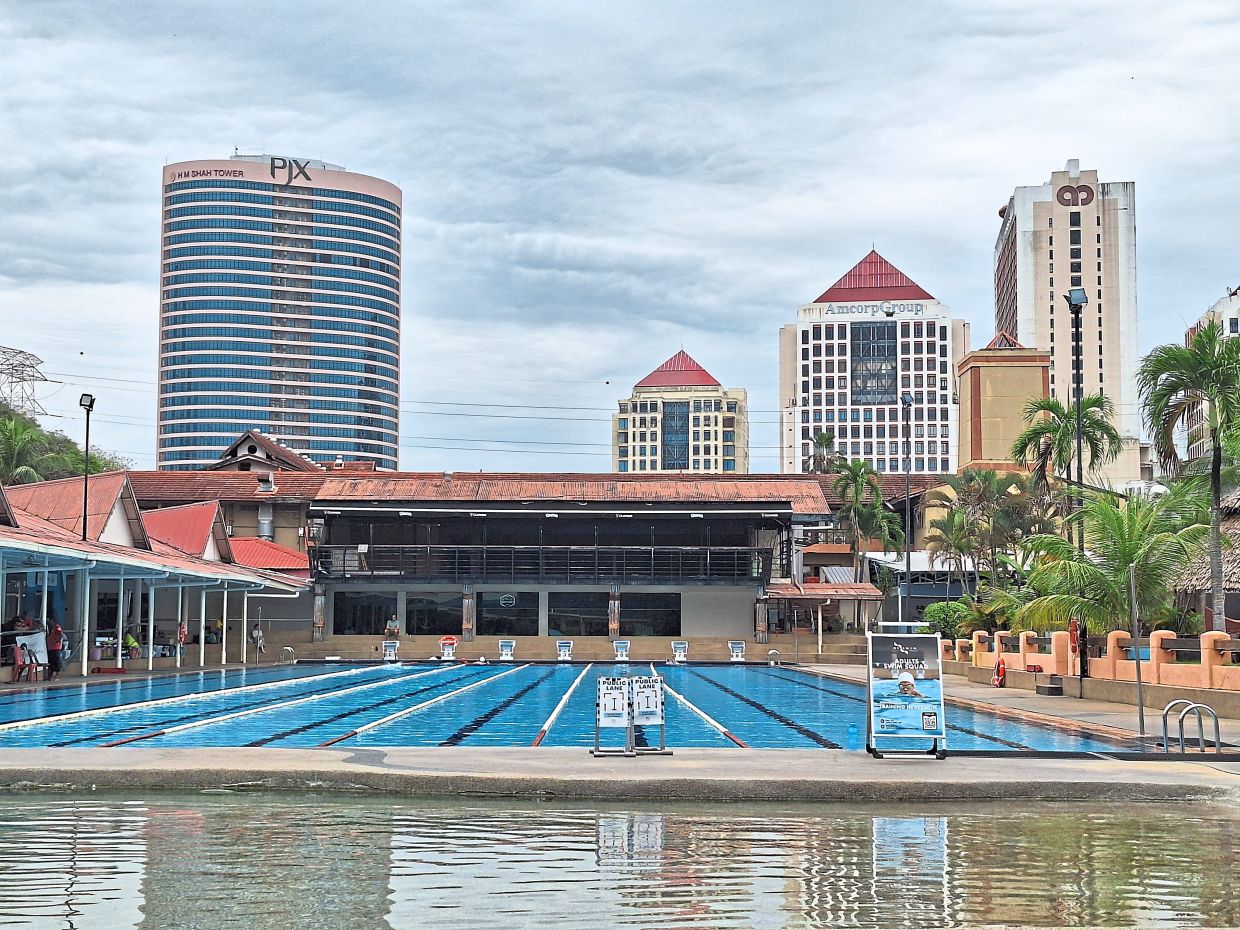
“Act 171 does not govern the private swimming industry,” said Rajasundram.
He pointed out that during water-related crises or lifesaving procedures, the person in charge must know what they were doing when attempting to save the victim’s life, for example administering CPR.
“This is where a mandatory, regulated and accredited certification plays a crucial role.
“Even if the person knows how to swim or has been a competitive swimmer, it does not guarantee that they will become a good teacher or a lifesaver.”
He said mandatory training and retraining with regular refresher courses and the adoption of international standards must be made compulsory.
For public swimming pools under Act 171 involving premises established and run for public use, the pool operator needs to follow guidelines regarding safe usage, supervision of children and emergency procedures.
No reliable data
In 2017, former national swimmer and researcher Dr Tengku Fadilah Tengku Kamalden developed an interactive online water safety course, with the intention of reducing the number of drowning cases in the country.
The retired associate professor from Universiti Putra Malaysia (UPM) told StarMetro that the course, however, was not actively promoted.
“Most of the beneficiaries were my students at the time, and it was part of the effort by the then Urban Well-being, Housing and Local Government Ministry – now Housing and Local Government Ministry (KPKT), as well as Higher Education Ministry.

“The collaboration was between UPM Innovations and OpenLearning Global to commercialise the course and encourage teachers to get certified,” she said.
Tengku Fadilah added that LSSM could not be a regulatory body for the teaching of swimming and the life-saving industry.
“It is a non-governmental organisation that promotes water safety and a career path to becoming a lifeguard.
“The regulatory body should be local councils and all public swimming pools should have lifeguards on duty every day the pool is open,” she added.
The online water safety course came after the Water Activity Safety Council (WASC) was established by KPKT in 2016.
Tengku Fadilah heads one of WASC’s four committees, specifically the one dealing with data and research.
“We embarked on this after we had a convention on world drowning in Malaysia.
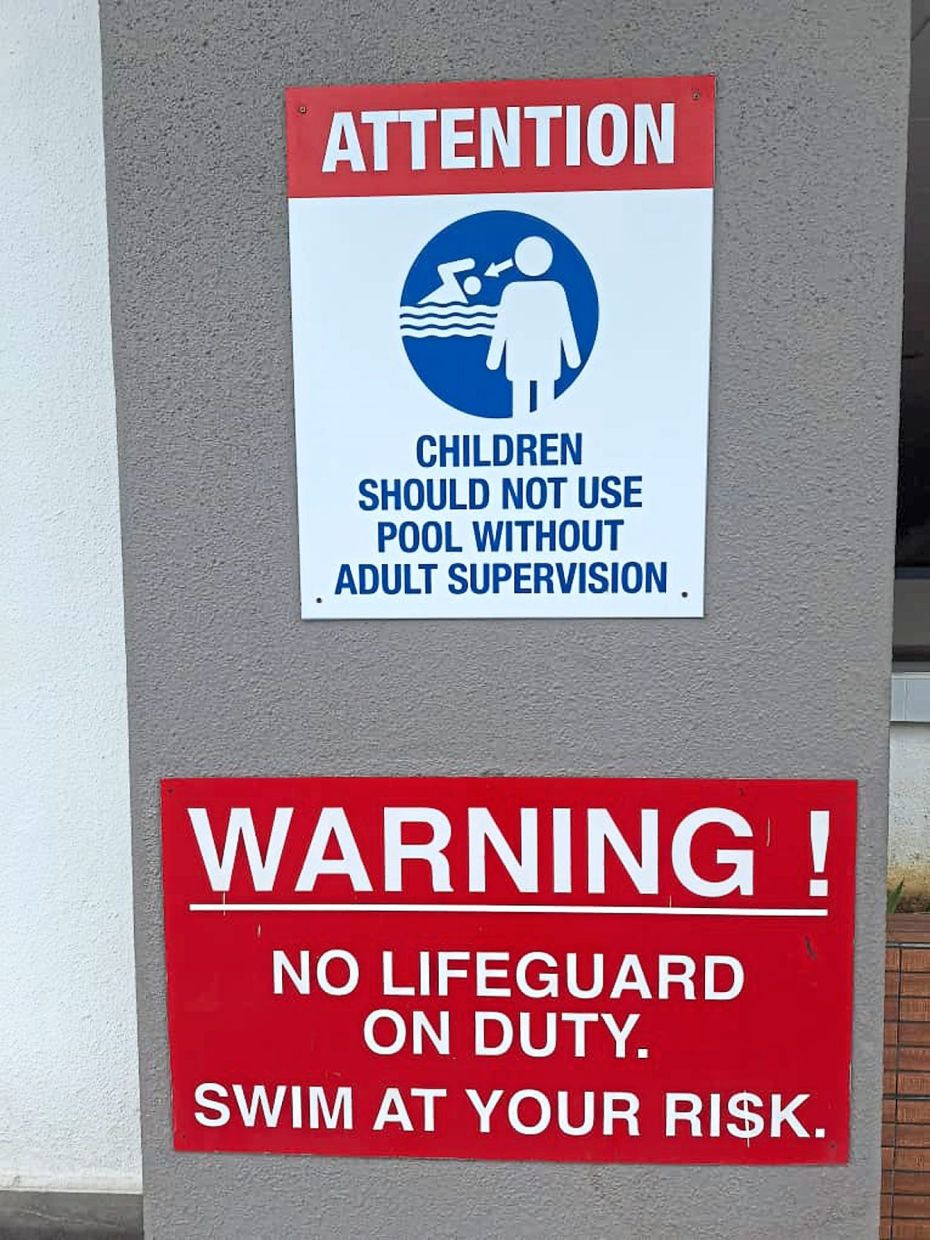
“Part of the plan was to discuss the steps on drowning prevention yearly,” she said.
One of her duties was to get stakeholders involved because until today, there was no standardised way of collecting data on drowning.
“We are in the process of coming up with a standardised form which can be used by anyone to report drowning incidents.
“The issue now is that the police as well as Fire and Rescue Department have different reports,” she said.
Tengku Fadilah said accurate data on drowning incidents was needed to prevent overlap in terms of reporting.
“Some 600 cases could be 300 because there might be incidents reported twice.
“We are piloting this (standardised report) and will meet soon with the fire department to discuss further.”
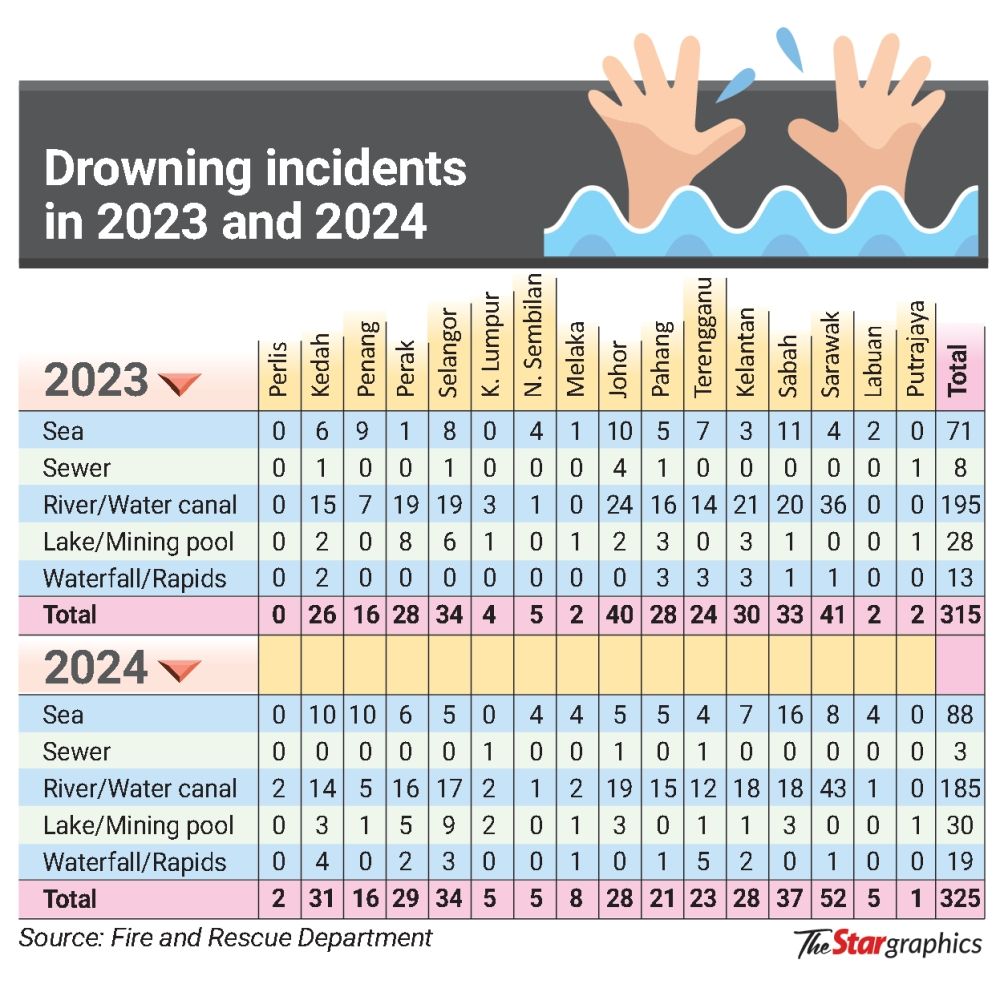
Currently, fire department statistics on drowning do not include swimming pools but only fatalities in the sea, sewers, rivers and water canals, lakes and mines as well as waterfalls and rapids. (See chart)