
THEY were once the go-to places for affordable food, but over the years, hawker centres and food courts have slowly lost their reputation as wallet-friendly options among diners.
Traders cite the rising cost of ingredients, coupled with increasing rental and the minimum wage, as some of the factors forcing them to hike prices of food.
Patrons also feel they can no longer rely on hawker centres or food courts for budget-friendly meals and are thinking twice before dining at such places.
StarMetro spoke to traders and consumers in Johor Baru who shared their concerns and comments about the rising food prices at hawker centres and food courts in particular.
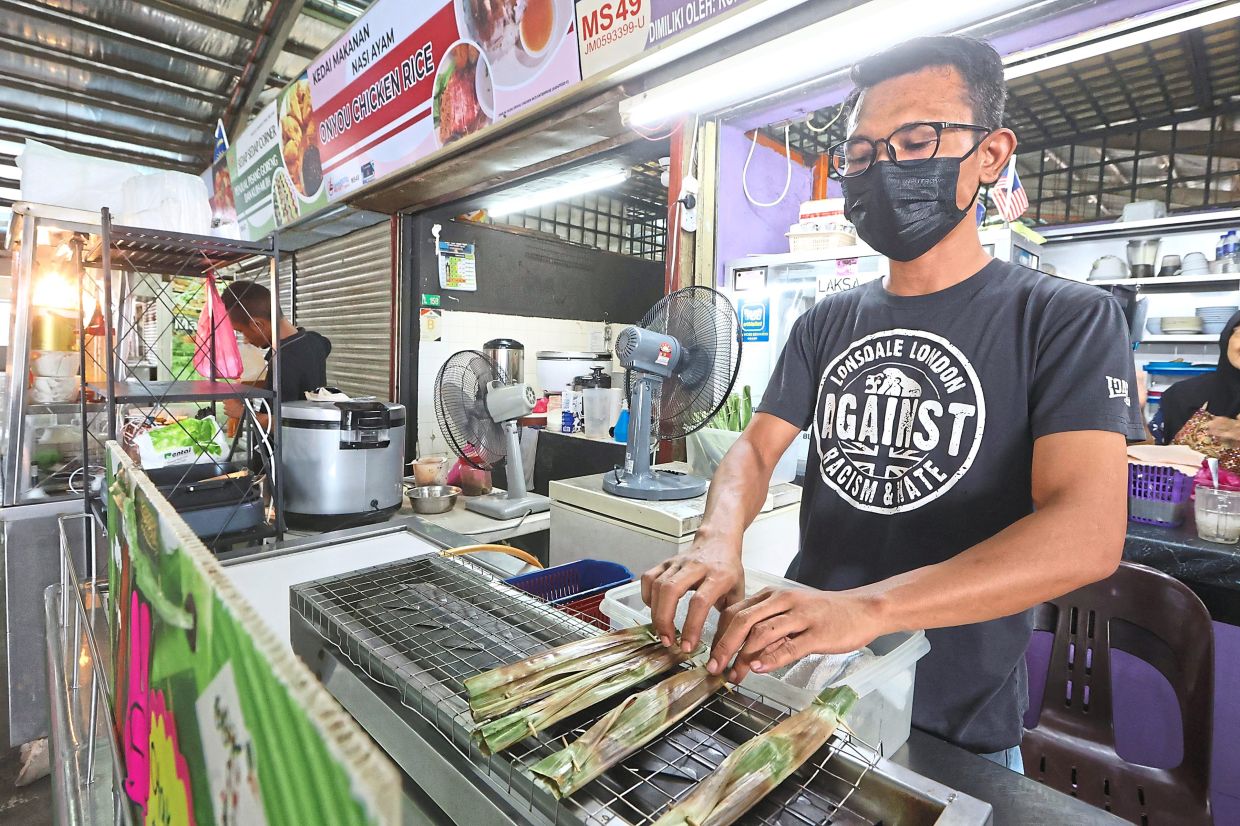
Trader Rohani Radit, 63, who runs a stall at a food court in the Larkin bus terminal, said that despite her best efforts, it had been difficult to maintain low prices for her customers.

“People are so used to the idea of getting cheap food at places like this.
“If we increase prices by even a few sen, they get upset.
“Recently, I increased the price of a piece of otak-otak to RM1.20 from the previous RM1. This is the first time I have increased the price in over five years.
“Although most customers understand, there are those who question the increase, saying it is unreasonable,” she said.
Rohani, who has been operating the stall for over two decades, fears that increasing prices would discourage people from enjoying her food.
“I understand, now more than ever, that people need affordable food, and I believe that most traders are trying their best to offer that.
“However, I also hope customers understand that our hands are tied and we are already absorbing as much of the extra cost as we can,” she said.
Trader Goh Soi Chong, 75, said he had to increase the price of his kaya toast to RM2.30 from RM1.50, due to rising cost of ingredients.
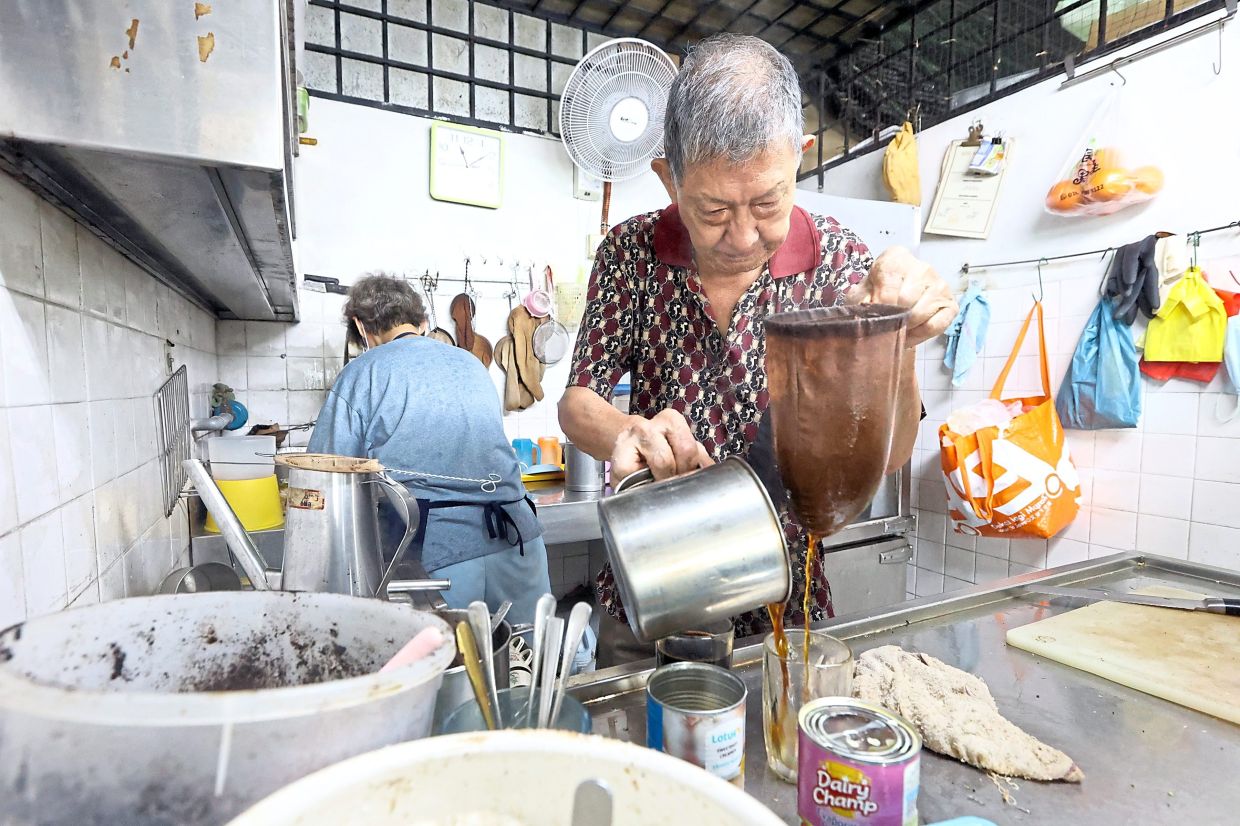
“For example, the price of one large tin of kaya, weighing about 4kg, is now RM70 compared to just RM40 a few years ago.
“On top of that, prices of bread and margarine have also gone up. There is no way I can keep my business running at the old price,” he said.
Goh is thankful that his regular customers, who had enjoyed his food for decades, understood his predicament and had not complained.
“In fact, some even pay me extra as a kind gesture,” he said.
He operates the stall with his wife, and without any full-time workers to reduce operational cost.
“If I were to hire workers, costs would go up, and I might have to charge higher prices.
“For now, the two of us can manage, though I do hire part-timers on weekends and during school holidays,” he said.
Rasidah Salau, 62, who sells banana fritters and traditional Malay kuih, said pre-packaging her food helped her balance operational costs without raising prices.
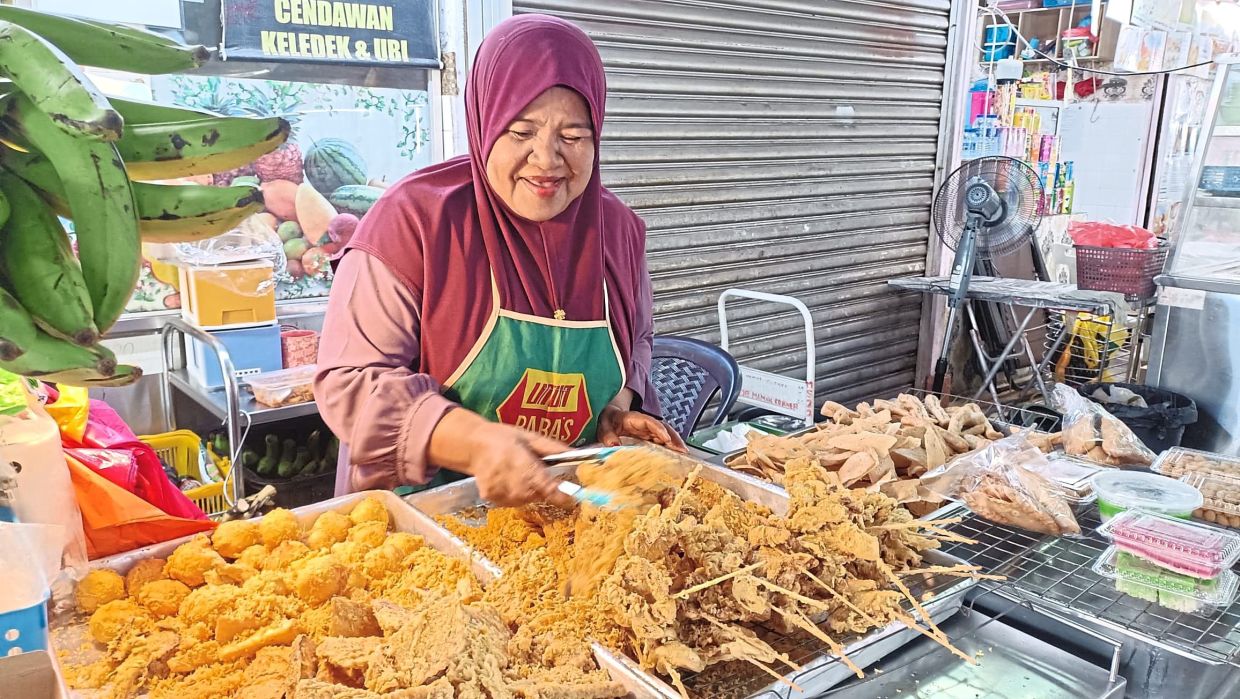
“I pre-pack the food and set a clear price so customers know the cost before deciding to buy,” she said.
“I think this makes it easier for both sides and helps avoid issues over prices.
“Most customers understand and don’t mind the prices, but I don’t want to burden them, because many are from the B40 category.
“Sometimes, I even give free food if I know a customer is struggling,” said Rasidah, adding that it was important for traders to offer affordable food.
At a hawker centre in Tampoi, trader Cha Foo Tiang, 55, said she offered a full meal comprising rice, vegetables and meat priced between RM6.50 and RM7.
“Early last year, the same meal was about RM5 to RM5.50, but that is no longer possible.
“However, I think it is still relatively cheap compared to other places in Johor Baru.
“Many of my customers working at nearby offices can afford it,” said Cha.
“I am trying my best not to increase prices – not just to retain customers but because I want people to still see hawker stalls as a place they can turn to for affordable meals,” she said.
Cha said one way she managed to keep prices low was by actively looking for special deals.
“Sometimes there are offers during festive seasons, like discounts or buy-one-free-one deals for dry ingredients.
“When I find these, I will buy extra. We just have to be alert and look out for such offers,” she said.
Jason Chen, a stall owner at a hawker centre in Johor Jaya, maintained the price of the fried noodles he sold but reduced the portion size.
“I reduced the portion and used fewer pieces of meat or seafood.
“That is the only option we have. We either reduce portions or increase prices.
“There is to keep both and still sustain the business,” said Chen, 39.
Mixed views
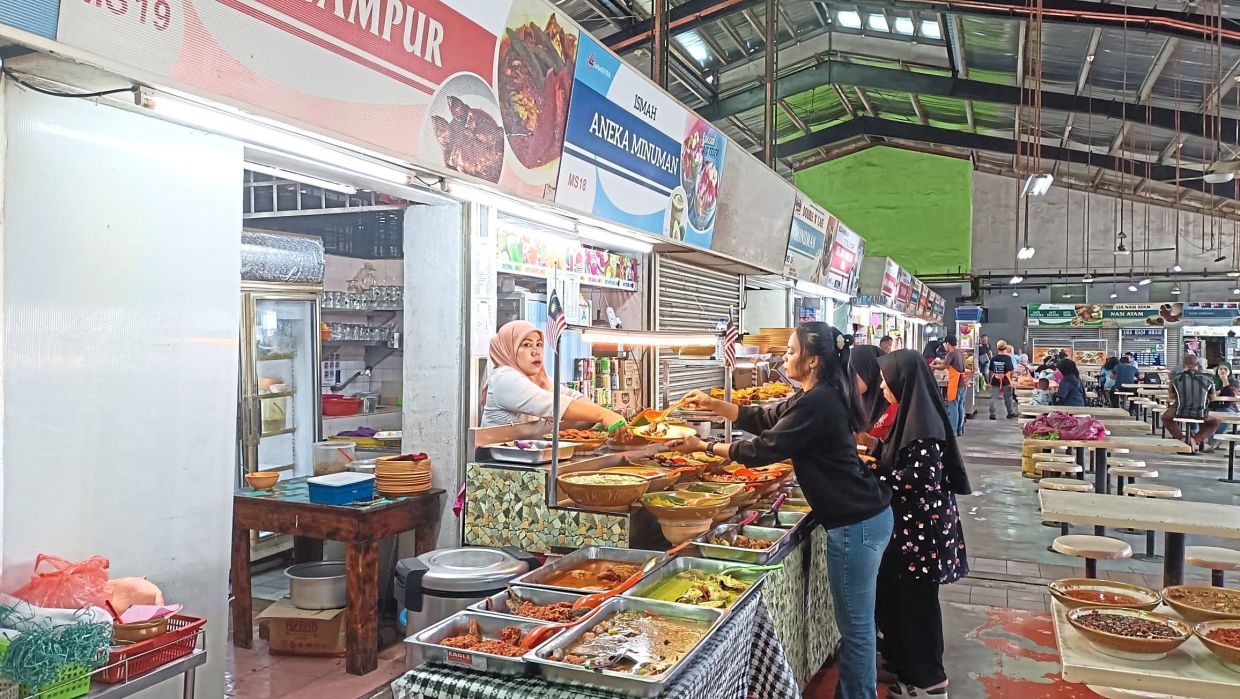
Diners say while they are less keen on eating at food courts and hawker centres these days, they understand the challenges faced by traders.
Businessman Tan Choo Oo, 62, preferred dining at air-conditioned restaurants as he found the price difference between hawker centres and food courts was not as significant anymore.
“Prices at hawker centres and food courts are still relatively cheaper, but the difference is not that big.
“I might as well choose a more comfortable place with air-conditioning if it cost only a few ringgit more,” he said.
Tan, however, still frequents hawker centres and food courts for their unique dishes.
“In the end, nothing beats the local food we get at these places.
“I believe locals will still flock to hawker centres because they offer food that is close to Malaysians’ hearts.
“So far, I haven’t found any high-end restaurant that can replicate the taste of hawker food,” he said.
Medical officer Dr Mohd Khair Ismail, 30, accepted that food prices would inevitably rise and did not mind paying more as long as it was reasonable.
“Some traders raise prices excessively, but that is rare.
“The increase is noticeable, but most customers understand that it is beyond the traders’ control.
“For now, I can still get a decent meal with drinks for about RM12 in Johor Baru, which I think is reasonable.
“In the past, it was around RM10, so it is still an increase but not drastic,” he said.