MALAYSIANS who have taken articulated buses in other countries have given positive feedback.
University student Jonathan Lee, 22, who used them in Brussels, Belgium, while on vacation, told StarMetro that the buses were generally comfortable and well ventilated.
“They are also quite efficient, thanks to the availability of designated bus lanes and evenly distributed stops that are helpful for me to get to different parts of the city during peak hours,” said Lee, who currently resides in the United Kingdom.
However, he said though the articulated buses can sometimes navigate turns more smoothly, they require wider turning space at intersections.
“I think these buses could struggle in very narrow streets with cars parked on both sides. I have seen situations where a regular bus might have squeezed through these streets easier than an articulated one,” he said.
Lee urged the authorities to improve the general infrastructure before implementing articulated buses in Kuala Lumpur.
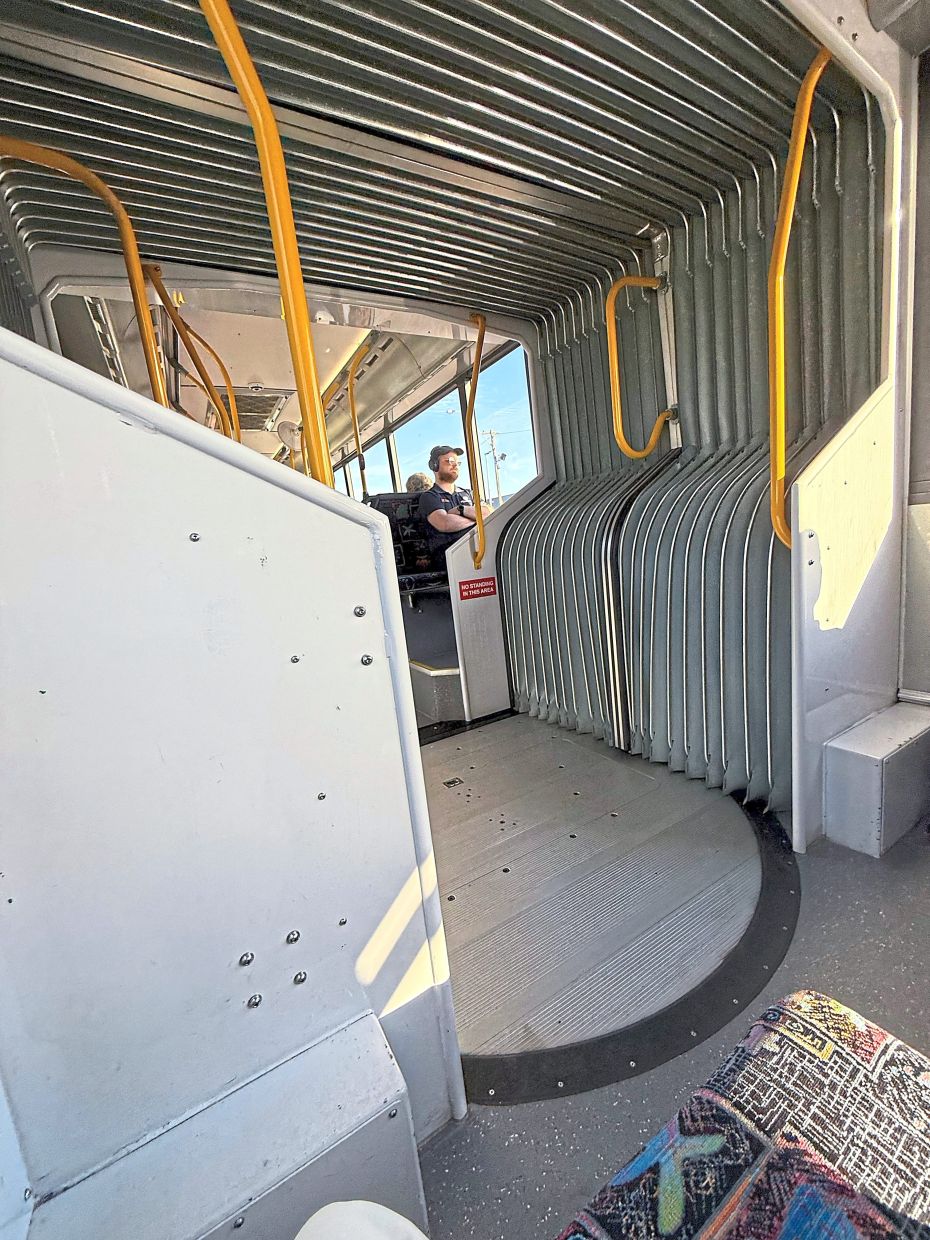
“There are two things that stand out for the articulated buses in Belgium, which are having a dedicated bus lane and a well-planned bus network system that supports efficiency. The articulated buses there are integrated into the overall network well, ensuring they serve high-demand routes effectively,” he said.
Accountant Maxine Tan, 22, who now lives in Perth, Australia, said the articulated buses often need to move further into the middle of the road before turning left.
“Also, I think the articulated buses would face a hard time merging to the road from the bus stops because the other vehicles would need to give way for them. If they don’t, the buses may take an eternity to move onto the main road,” she added.
However, Tan said she preferred articulated buses over the conventional ones because they have larger capacity.
“The articulated buses in my place have three doors, with one allocated for boarding and another two for disembarking.
“With the larger capacity, I don’t have to stand when the buses are crowded,” said Tan.
Articulated buses are also in use in Singapore, where they were introduced in 1996. However, they are slowly being phased out.
Among other countries in the region where these bendy buses are in service are Indonesia and China.