
FUNERAL service providers are opposed to the privatisation of the city council-run crematorium in Petaling Jaya, Selangor, citing potential conflicts of interest.
They argue that allowing a private funeral services company to manage the crematorium in Jalan 229, Section 51A, would put competitors at a disadvantage.
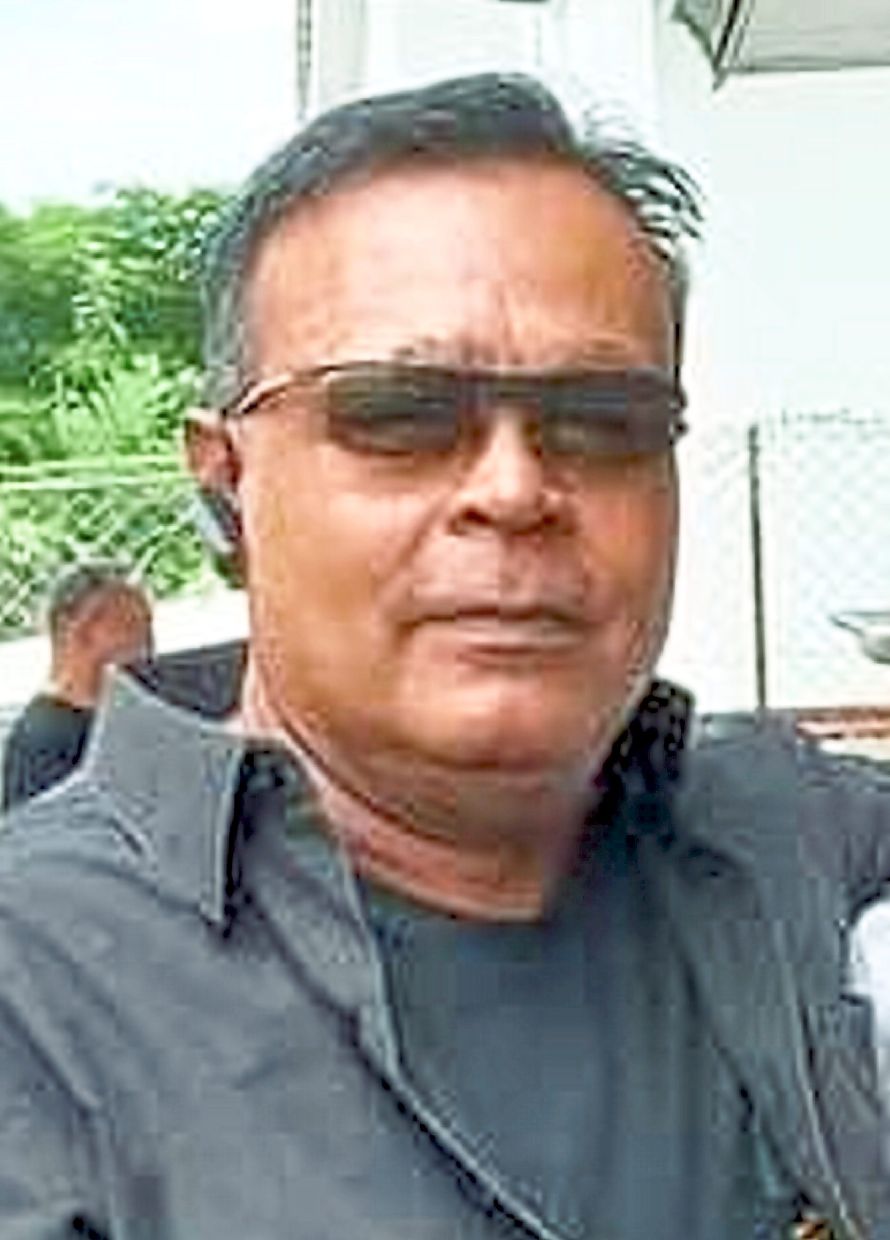
For healthy competition, there must be a level playing field, said Norman Funeral Services senior partner Francis J. Mascrinhos.
If a private company took over operations of the only Petaling Jaya City Council (MBPJ) crematorium, people would have no choice but to engage the services of that company to use the facility, he said.
“The company will place its logo at the facility, gaining increased visibility and marketing advantage.
“There are about 20 other bereavement care companies based in Petaling Jaya.
“Why should one company be given exclusive rights to manage and monopolise the facility that is in a strategic location?”
He questioned why bereavement firms were not consulted on the matter, and the manner in which the company was chosen.
Mascrinhos also said, “MBPJ should ensure that everyone has equal rights to use the facilities.”
Religious sensitivities must be considered, he further said on the MBPJ crematorium privatisation plan which included improving the facility with a columbarioum to fit 10,000 urns.
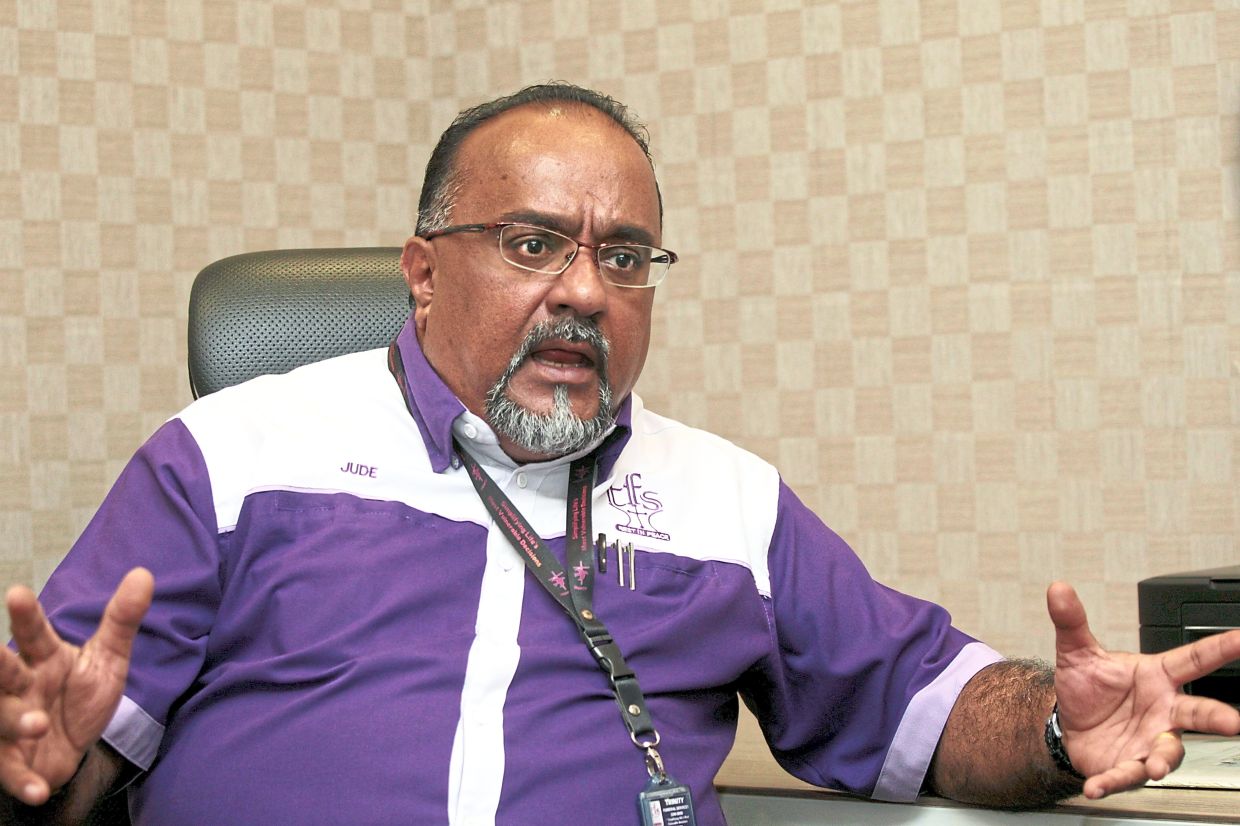
Trinity Funeral Services director Jude Anthony said if the crematorium privatisation went through, there was no guarantee of equal treatment.
“Some days, there is a waiting list to use the cremation facilities and it is typically managed on a first-come, first-served basis.
“With a private company in charge, what guarantee is there that it won’t be biased in allocating time slots, especially since the company also provides funeral services?”
Meanwhile, Siyuan Funeral Services manager Kimberly Chee is worried about prices.
“MBPJ charges RM120 per cremation while other local council-run crematorium fees in Klang Valley range from RM100 to RM120.
“It is crucial to ensure that charges remain affordable for the low-income group, as everyone deserves a dignified process for managing the deceased.
“With the privatisation, will there be a long-term binding guarantee that there will be no increase?” she asked.
Chee said the company carried out some 30 free cremations a month upon receiving requests from old folks homes to help with managing deceased without next-of-kin.
“If charges are increased by the private company, it will add to our cost.
“It will also increase the burden for the poor,” she added.
Separately, Kuala Lumpur City Hall (DBKL) is set to hold discussions pending its decision to increase cremation service charges.
At Dataran Merdeka yesterday, Kuala Lumpur mayor Datuk Seri Maimunah Mohd Sharif said while the proposed charges had been put on hold, DBKL would call for a stakeholder meeting before making a final decision.
This follows recent reports that service charges at the Jalan Kuari Crematorium in Cheras were set to increase by 1,200% from March 1, with cremation fees rising from RM100 to RM1,000 and an additional RM300 daily charge for hall usage.
The total cost of RM1,300 would make it more expensive than private crematoriums, which charge between RM800 and RM1,000 for similar services.
DBKL had also planned to impose a RM1,000 deposit for using the crematorium hall, but the local authority postponed all the new charges following protests.
Funeral service providers had condemned the hike as “unjustifiable and excessive”.
In a media statement, DBKL said the new service and facility charges under DBKL Rate of Charges Standing Order 2025, which took effect on Feb 1, had been temporarily suspended until further notice.
City Hall stated that all charges would remain at previous rates while it reviewed the matter.