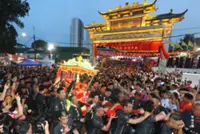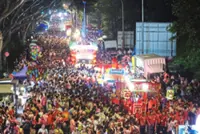
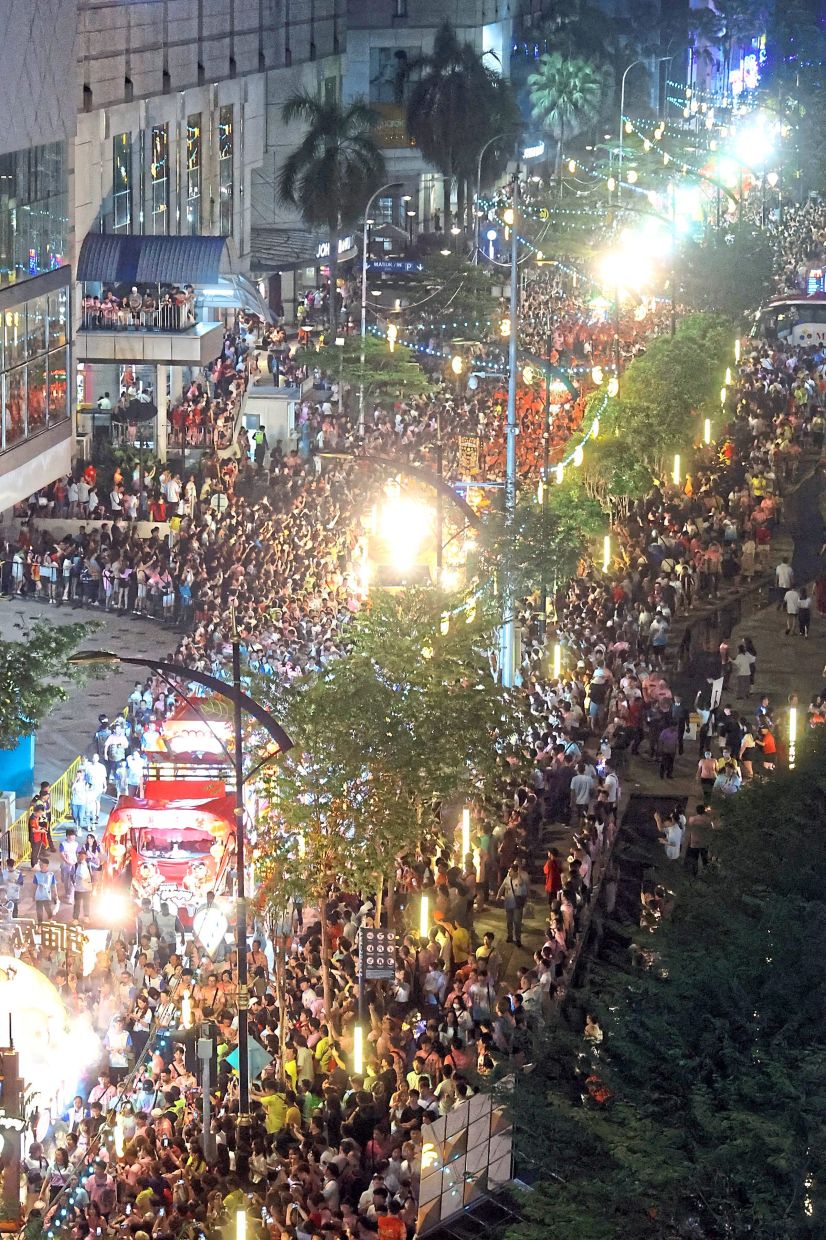
ONE of the iconic events on Johor’s tourism calendar, the colourful Chingay festival parade attracts thousands of participants and spectators annually.
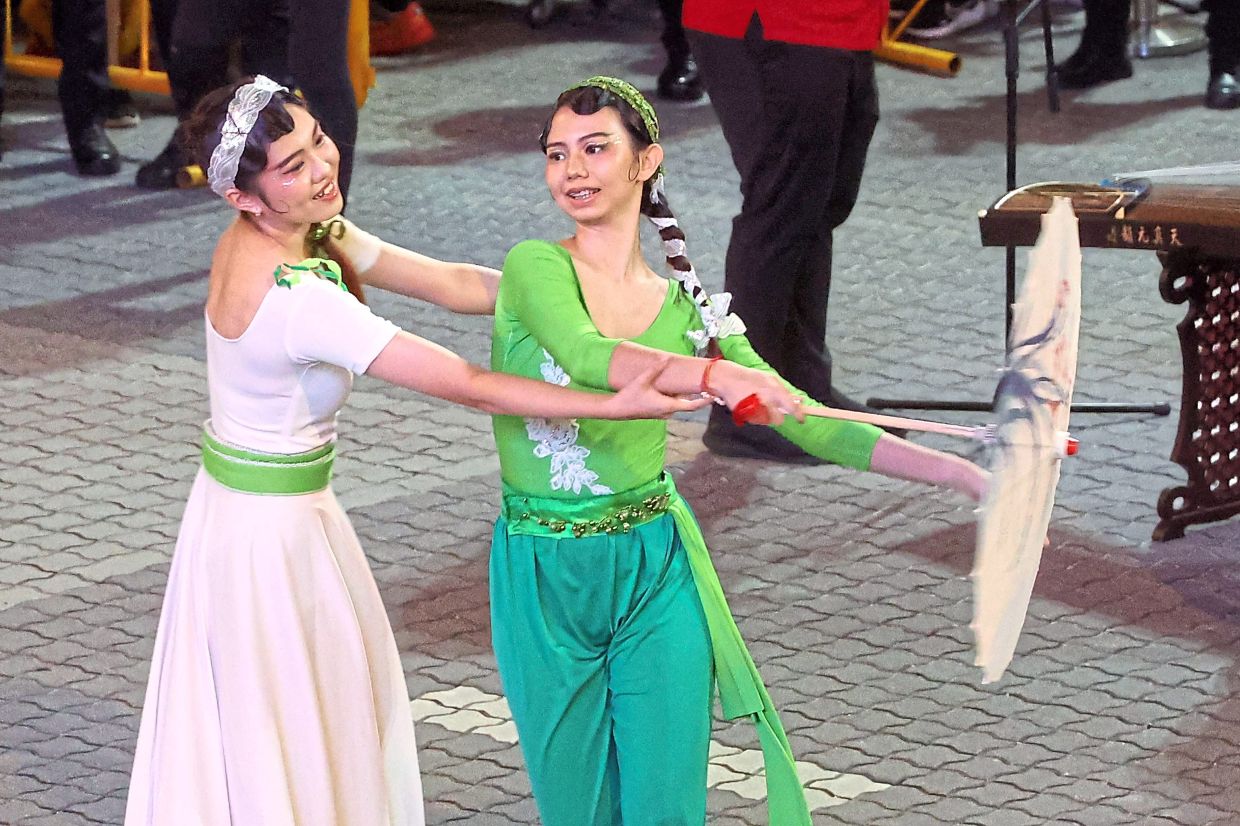
Visitors are treated to lion and dragon dances, stunts such as stilt walking and balancing giant flag poles, in addition to colourful floats and entertaining cultural performances.
“Chingay” is a Hokkien term referring to the art of costume.
After years of preparations, Malaysia and Singapore will submit a joint nomination next month for the Chingay festival to be included in the Unesco intangible cultural heritage list.
Intangible cultural heritage includes practices, knowledge and expressions that communities recognise as part of their cultural identity, along with associated objects and spaces.
The 2003 Unesco Convention emphasises the need to safeguard these cultural expressions for future generations.
Johor Baru Tiong-Hua Association president Ho Sow Tong said Unesco recognition would further elevate Johor’s Chingay parade, which is over 150 years old, and give it global exposure.
“This is a long time coming as the association, as the main festival coordinator, has spent years seeking Unesco recognition for the annual event.
“In 2012, the Johor Chingay Festival was accorded national heritage status by the Malaysian government,” he said.
“Three years ago we met with Tourism, Arts and Culture Minister Datuk Seri Tiong King Sing about submitting an application to Unesco through official channels, and received a positive response,” he added.
Ho said the association, together with its affiliated non-governmental organisations, had been rigorously preparing documents and presentations for the submission.
The submission, he said, would be a joint effort involving Johor, Penang and Singapore which have their respective Chingay events.
“Our events may be slightly different but our core values and intentions are the same, which is to promote and preserve culture, heritage and history,” he said.
After the nomination submission next month, if all goes according to plan, an answer will be received within the year, he added.
This year, Ho said Chingay organisers from Penang and Singapore were invited to Johor Baru for the parade.
“We discussed our final preparations and the need to form a cross-border body or committee involving all three organisers, to ensure that our events meet and maintain Unesco’s standards if our submission is successful.
“If Chingay makes it into the Unesco list, we must preserve our traditions and core beliefs but at the same time, we must not resist creativity and innovation, to attract youth participation so that it can be passed down for generations,” he said.
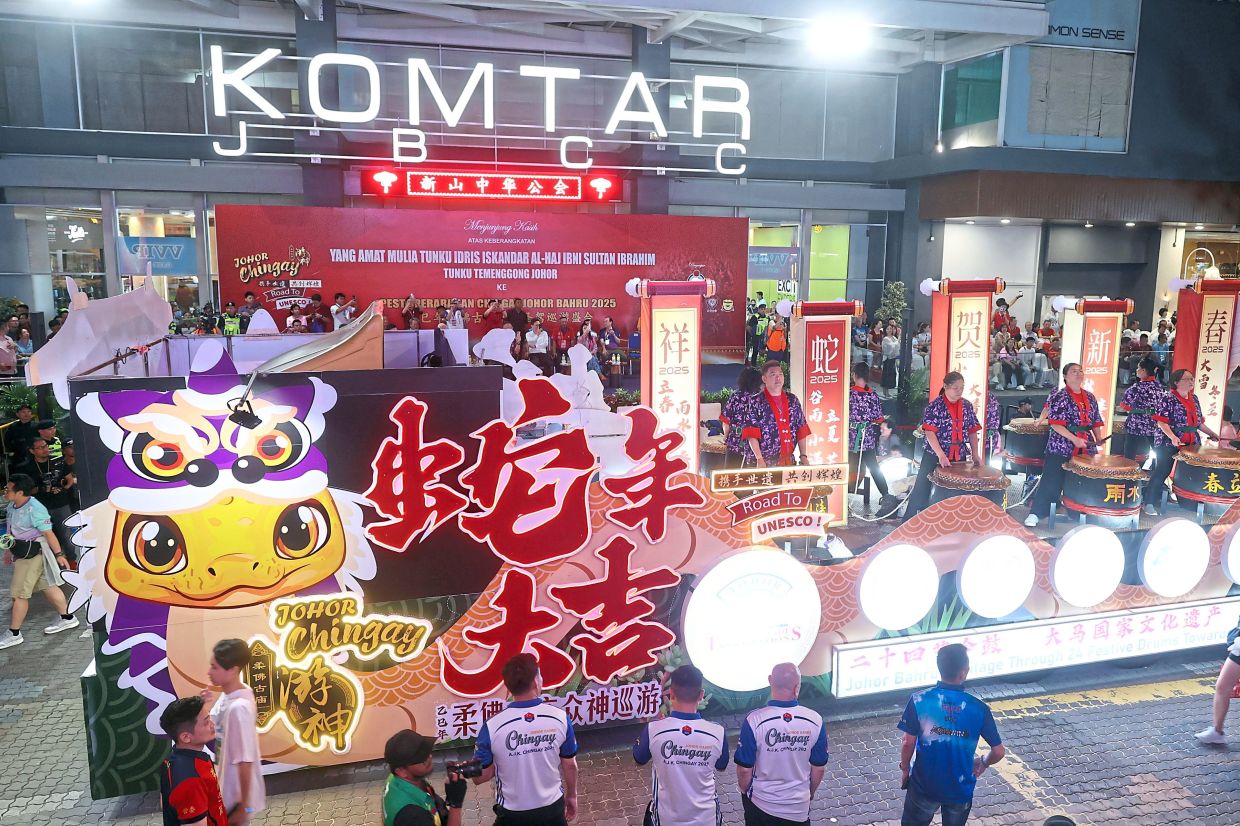
Ho is confident that Unesco recognition will help to introduce Chingay abroad, just like the exposure received by the kebaya that was accorded recognition on Dec 4 last year.
He also expressed gratitude to the National Heritage Department for its support.
In Johor, the Chingay festival is spread out over five days from the 18th to 22nd day of Chinese New Year. This year, it was conducted from Feb 15 to 19.
The festival usually kicks off with a lighting ceremony on the first day, followed by a street-cleaning ceremony on the second day to ward off evil spirits along the parade route.
On the third day, five deities –each representing Hainan, Cantonese, Hakka, Hokkien and Teochew dialect groups – are brought out of the Johor Ancient Temple in Jalan Trus, to be temporarily housed at the Xing Gong Temple about 3km away.
The highlight of the festival is the fourth day as the parade begins at 7pm from Xing Gong Temple.
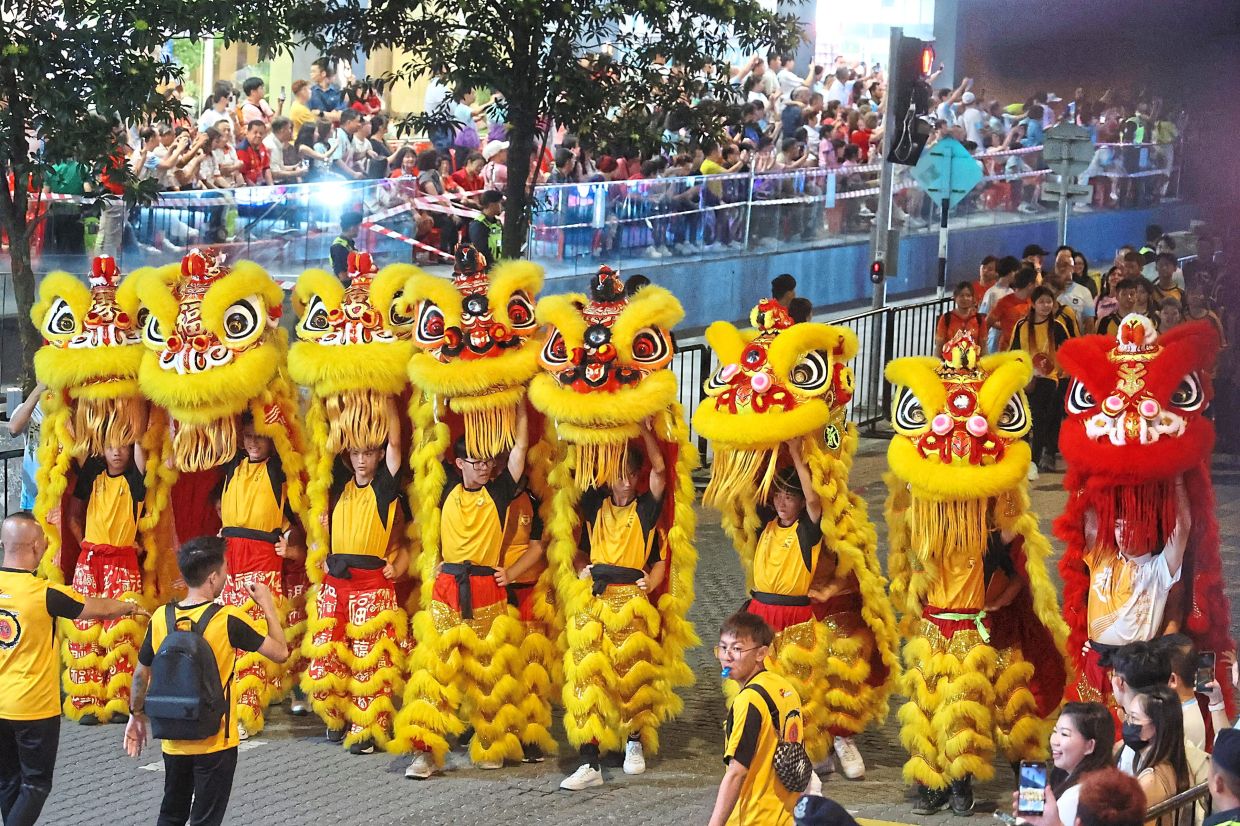
The parade will travel for some 8km around the city before returning at past midnight to the starting point.
During the parade, the five deities are transported on palanquins by large groups of devotees for an annual “tour” to bless the city.
On the final day, the deities return to the Johor Ancient Temple where they will remain for the rest of the year.
Typically for Chinese communities, the Chinese New Year culminates on the 15th day of the lunar calendar but for Johor folk, Chingay marks the end of the celebrations.