
URBAN farming is fast transforming the agricultural efforts made in towns and cities where it has offered people economic benefits that are rewarding for those taking a bold step into business.
Minister in the Prime Minister's Department (Federal Territories) Dr Zaliha Mustafa said the keen interest in urban farming meets the increased demand for locally sourced and sustainable downstream produce.
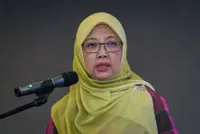
“It is a sustainable approach for eco-friendly food production,” she said after officiating Putrajaya Urban Farming and Stingless Bee Open Day (HTPBKP)2025 at Taman Botani in Precinct 1, Putrajaya.
At the event, Dr Zaliha also witnessed the launch of the Putrajaya Urban Agriculture Master Plan 2030, which serves as a strategic guide to advancing the urban agriculture sector to support local economic growth.
HTPBKP 2025 which carries the theme “Jom Bertani Komuniti Madani” will be on until Sunday (Feb 2) that is expected to receive an estimated 2,000 visitors in line with the Madani government policy aimed at building a progressive society while supporting the 2030 Sustainable Development Goals and the New Urban Agenda recognised by the United Nations in 2016.
At Saturday’s event, it featured a lively market offering freshly picked vegetables and fruits from the community farms of Putrajaya and Kuala Lumpur, as well as demonstrations related to urban farms.
Dr Zaliha said the objective of urban farming is to provide opportunities for urban communities to learn modern agricultural techniques for sustainable living, promote environmental conservation through practices like organic farming and composting kitchen waste, improving food security by producing their own food, and empowering local economies.
“HTPBKP 2025 also introduces the Laman Dapur and Laman Kelulut located at the Taman Botani as a hub for urban agriculture and stingless bee farming in Putrajaya, that specifically involves the local community,” she said.
Dr Zaliha said additionally, it promotes collaboration with strategic partners such as the Raja Zarith Sofea Foundation (YRZS), Universiti Teknologi Malaysia, the Agriculture Department, Malaysian Agricultural Research and Development Institute (Mardi) and the National Institutes of Biotechnology Malaysia.
“Urban farming encompasses a variety of practices, including vertical farms, hydroponics and community gardens different from traditional farming, which requires large areas of land. Urban farming maximises the use of limited urban spaces,” she said.
Dr Zaliha took the opportunity to walk to the 23 stalls and visit more than 10 activities throughout the event which included the sale of various downstream products, herbal plants and seedlings, fruits, and stingless bee honey from community farms in Putrajaya and Kuala Lumpur.
At the event, six exhibitions from government and private agencies showcased the latest urban agriculture technologies and provided agricultural advisory services aimed at reducing local communities' reliance on external food sources.
Among the demonstrations of research and development products included, honey detection filter kits, tiger milk mushrooms, freshwater fish and prawn farming, and the production of compost and stingless bee-based cosmetics, as well as tree care advisory services.
Other, demonstrations involved preparing soil mixtures for planting herbal trees using compost, organic pesticides to deter garden pests, and stingless bee honey harvesting.