
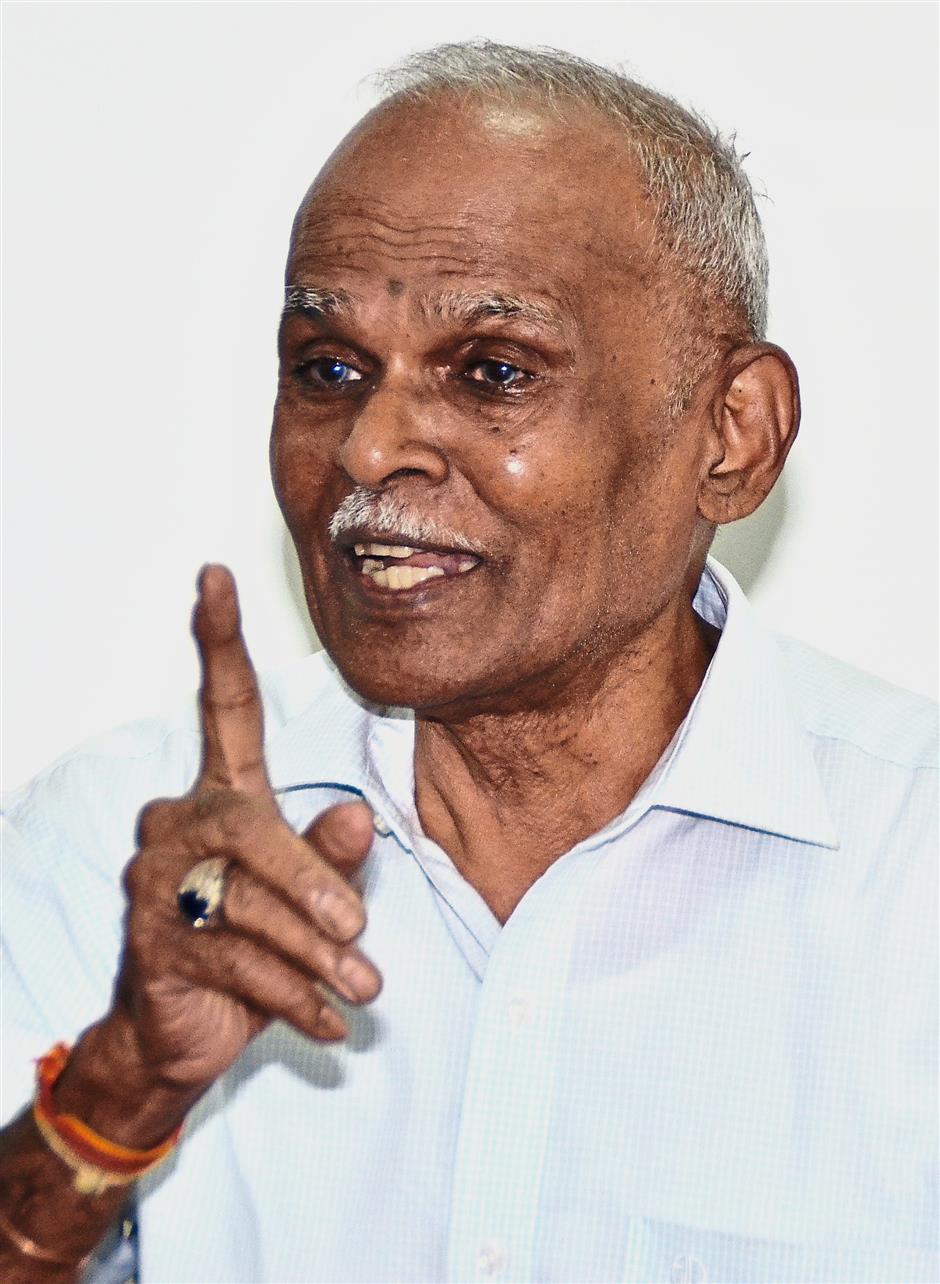
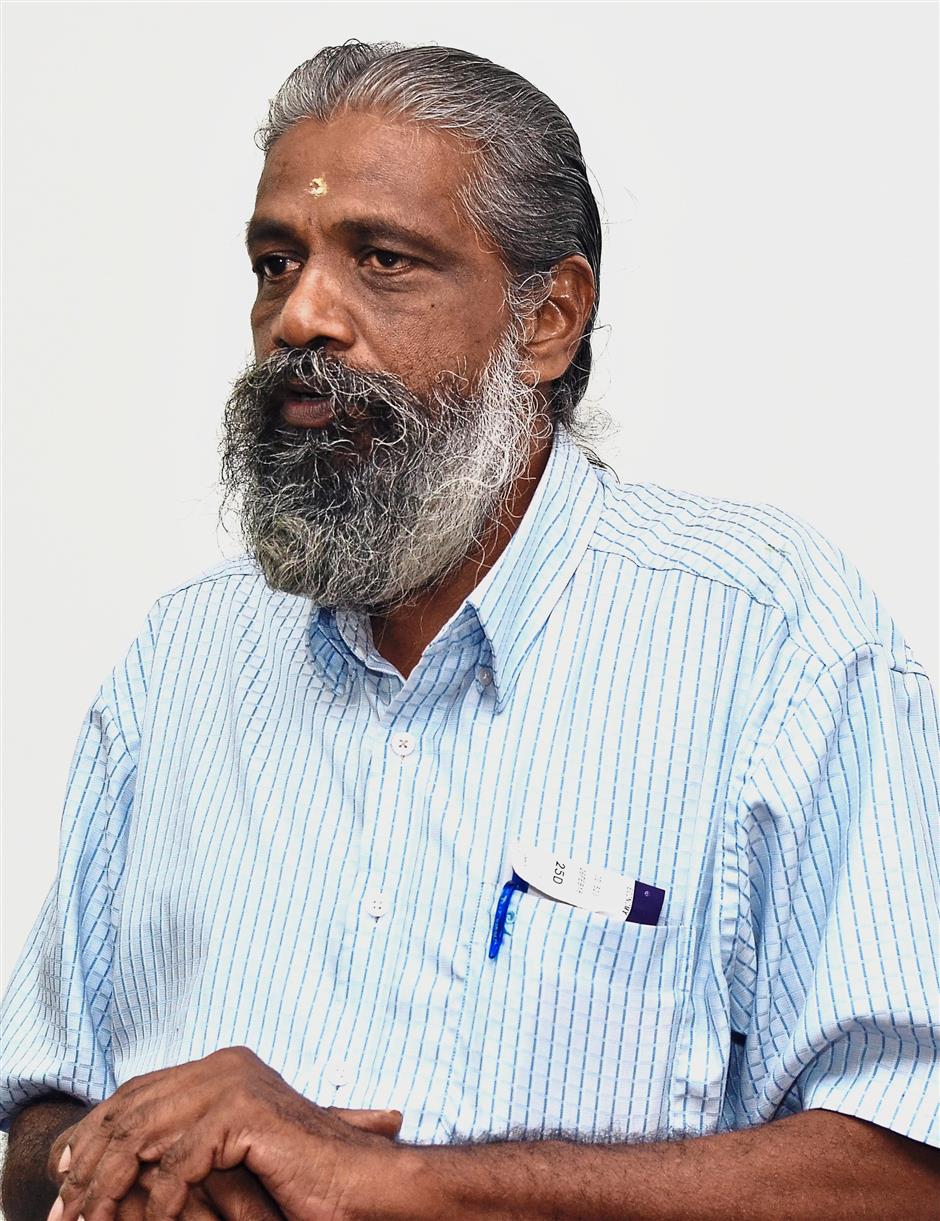
“Every day people died and their bodies were discarded into mass graves or thrown into the river,” he said.
In February, Ponnampalam, with a group of other survivors and their kin, travelled about 3,400km to the Myanmar border, some 75 years after he last made the harrowing journey.
The group of 18 started their journey at the Kuala Lumpur railway station where they headed to Padang Besar, Perlis, before continuing their journey to the western Thailand town of Kanchanaburi, a key railway terminus and site of the infamous bridge over the River Kwai.
Another survivor, K. Arumugam, 91, believed it was his own initiative that saved his life when he acted as interpreter for the Japanese after having picked up the language when they invaded Malaya.
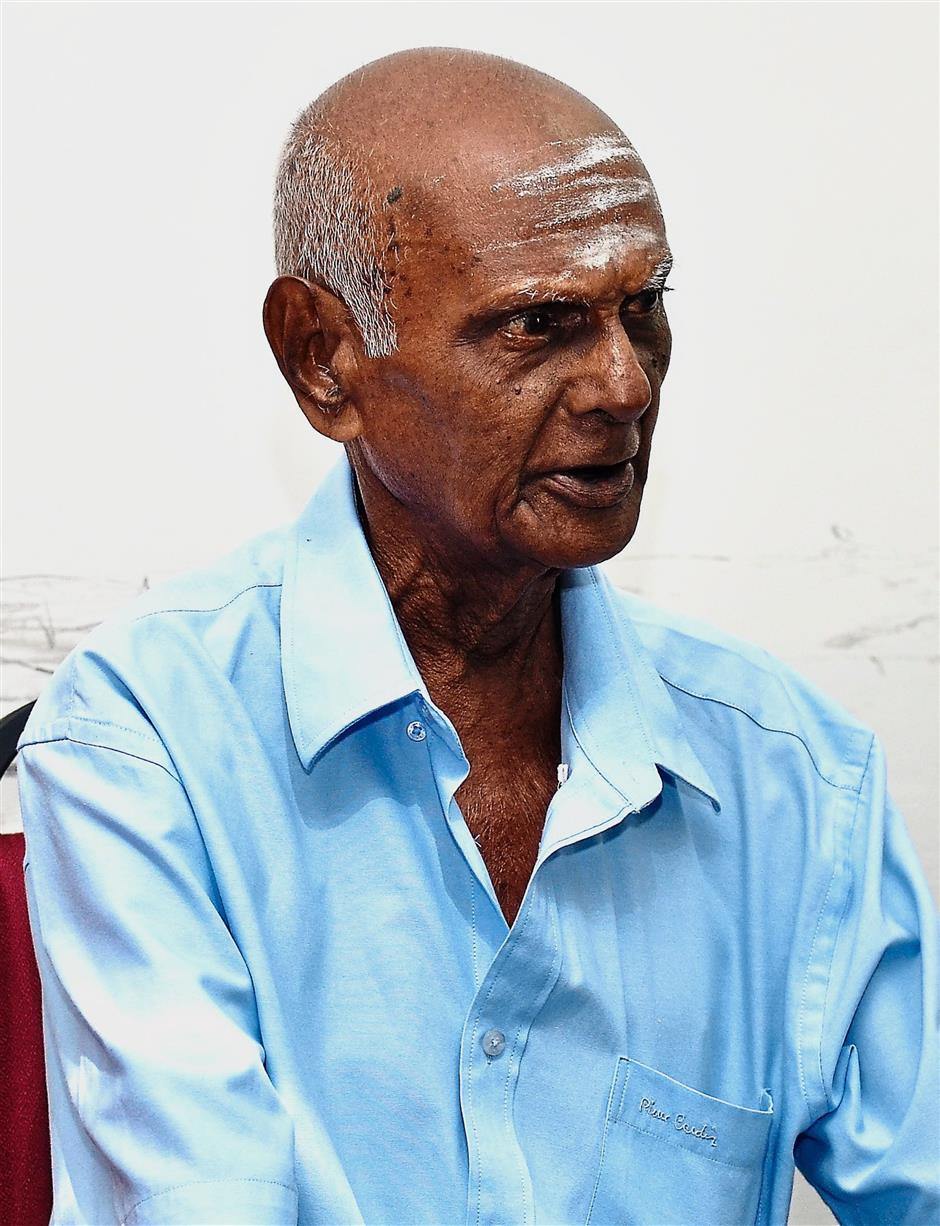
Only 15 years old when he was sent to work on the railway, Arumugam said he acted as intermediary between the Japanese and the workers.
“Most could not understand what they were saying and would be beaten for not following instructions,” said Arumugam, whose brother was among those who perished.
Death Railway Interest Group chairman P. Chandrasegar said they would continue to champion for recognition for the Asian workers of the railway line.
“They deserve a place in the national history books and a monument to be built in their name.
“The responsibility rests with our generation to chronicle as much as possible about the railway and the people who worked on it,” he said.
Chandrasegar, whose late father worked on the line as a locomotive assistant, said apathy and indifference was the biggest challenge faced by the group.
“If our own people and government do not place importance on this vital chapter in our history, then all this will be lost,” he said.
Already a subscriber? Log in
Get 20% OFF The Star Digital Access
Cancel anytime. Ad-free. Unlimited access with perks.