THE world of female powerlifting has long been clouded by misconceptions – from claims that lifting heavy weights will make women look “too muscular” to warnings that it could harm their health.
Despite this, three Malaysian women – Amirah Nursaidah Amir Hamzah, Nicole Lee Shu Wei and Dr Izza Arsyika Abdul Rahim, found empowerment through powerlifting.
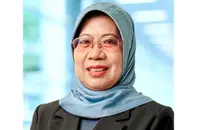
Amirah and Lee are competitive lifters who had set records at national and regional events, while Dr Izza Arsyika, 37, a medical specialist, discovered strength training as part of her recovery from a sports injury.
Powerlifting is a strength sport focused on lifting the maximum possible weight in three specific exercises: squat, bench press, and deadlift.
Despite their different backgrounds, the three women share a common goal – to challenge misconceptions about women’s participation in strength sports and promote the physical and mental benefits of lifting weights.
“People think female powerlifters can’t lift as much as men, but we can squat double our body weight and deadlift triple; we carry babies in our womb during pregnancy,” Amirah, a mother of two, told Bernama.
Before taking up powerlifting, Amirah, 38, struggled with obesity and health issues including a slipped disc and hernia.
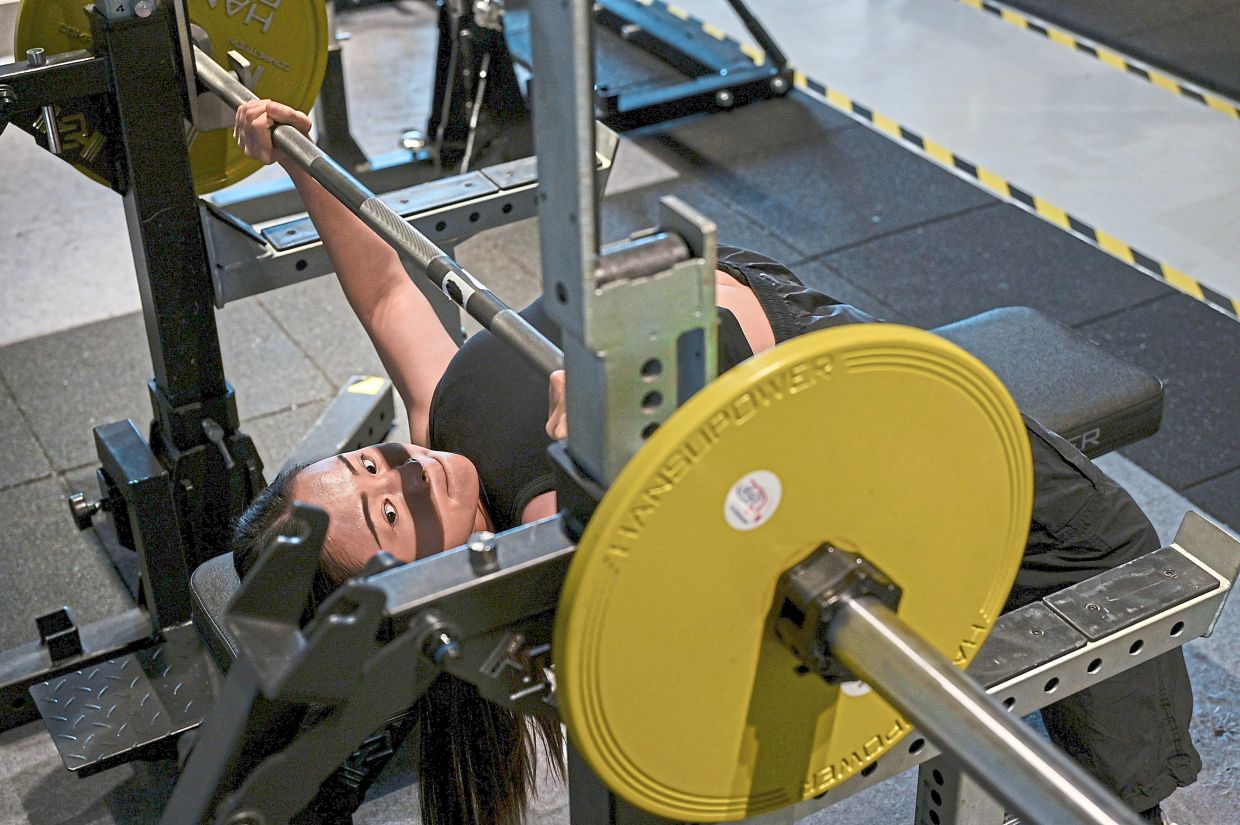
After undergoing bariatric surgery in 2019 and working with a personal trainer, she discovered strength training and entered her first competition in 2021.
She later won bronze in the squat category at the South-East Asian Cup in Johor Baru.
Lee’s journey began at 19, shortly after finishing school.
In July 2025, she broke the Asian record with a 151kg squat in the under-52kg category at the Asian Pacific African Powerlifting Championships in Himeji, Japan.
Powerlifting helped her overcome body dysmorphia and manage polycystic ovary syndrome, shifting her focus from appearance to performance.
“When I started focusing on what my body can achieve, I let go of the obsession with how it looked,” said Lee, 25, a freelance personal trainer.
Dr Izza Arsyika’s strength journey began after a basketball injury in 2018.
Her recovery led her to strength training, which she now promotes to patients as a way to maintain bone and joint health.
Working in a hospital during the Covid-19 pandemic reinforced the importance of physical strength for healthcare professionals.
“I’m living proof that strength training works. It helps us move better, prevents injuries and keeps us independent,” she said.
All three women continue to defy age-related myths and advocate for progressive training that builds strength and mobility.
For Lee, powerlifting is a celebration of capability.
“Every time I step onto that platform, I’m reminded that I’m no longer punishing my body, I’m merely celebrating what it can do,” she said.