
Ticking off a checklist of attractions, joining large group tours, having everything planned out – this is the norm for most travellers.
But while this style of travel has its perks, it also comes with restrictions, especially when it comes to schedule flexibility.
Whether in a group or by themselves, travellers who follow a scheduled itinerary – which is normally packed from morning to night – leave little room for last-minute changes or the chance to slow down when they want to.
Holidaymakers today are shifting gears. Many are embracing the slow travel trend, travelling “purposefully” and taking the time to immerse themselves into whatever situation or environment that surrounds them.
No one knows exactly when the term “slow travel” was first coined. Some believe it traces its roots to the broader “slow movement”, which emerged in Italy in the 1980s alongside the “slow food” movement.
Founded by activist Carlo Petrini in response to fast-paced, convenience-driven lifestyles, the slow movement advocated quality over speed, emphasising tradition, local culture and a deeper connection to place.
Over time, these ideas gained traction among travellers, influencing the way people explore new places. Slow travel evolved into a mindset that valued meaningful experiences and deeper cultural engagement, encouraging travellers to take their time rather than rush from one destination to the next.
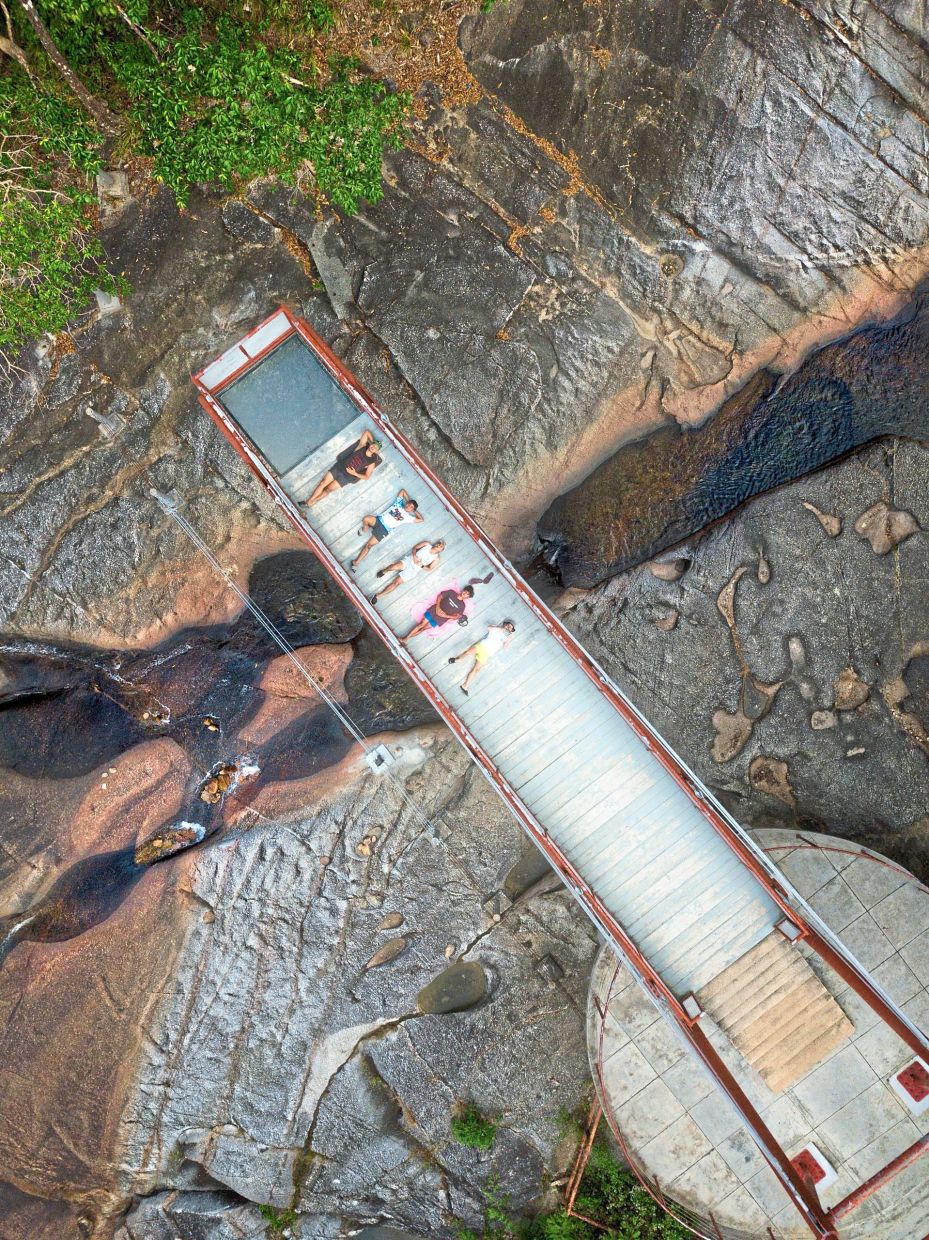
Today, the trend is evident in the growing preference for travelling in smaller groups, as well as going solo, both of which allow for deeper, more personal experiences.
Slow travel fans are also choosing to spend more time in a single location – or going back to the same place a few times – and to learn more about the culture, people and history of the place.
To explore what slow travel truly means, we follow the journeys of three Malaysians and learn how travelling at a relaxed pace made their holidays all the more meaningful.
Moving slower
Muhammad Fahim Mohamad Nazeri, 30, says the trend has changed the way he thinks about travelling.
Holidays are supposed to help us recharge, yet cramming too much into a trip often leaves us drained, he shares.
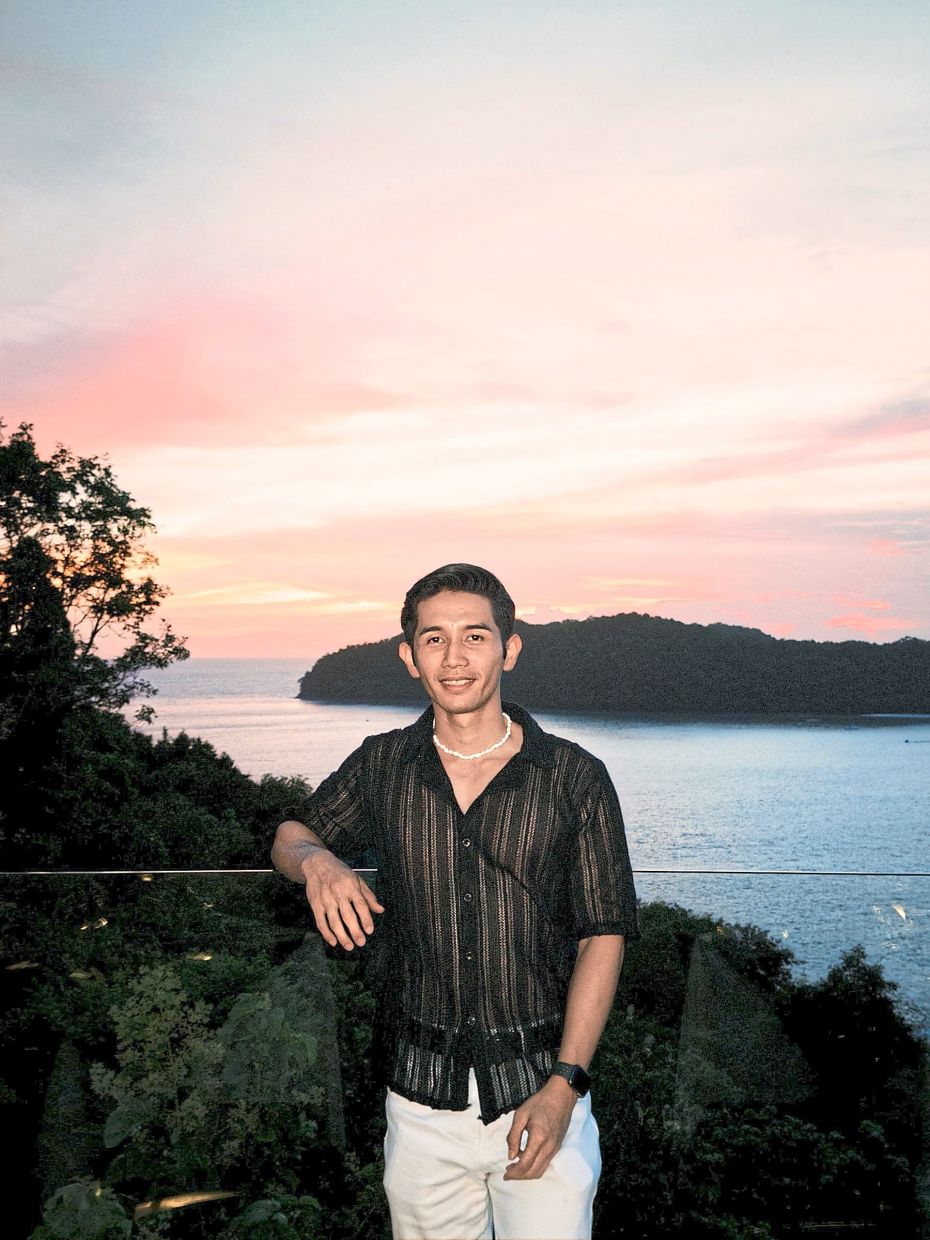
For Muhammad Fahim, travel is less about hopping between attractions and more about taking the time to enjoy each experience fully.
“Slow travel has taught me to pause and appreciate being in the moment. I have learned to value even the smallest experiences,” says the Perlis native, who runs a homestay in Langkawi, Kedah.
Before this, Muhammad Fahim would only visit the island for short getaways. He worked there briefly a few years ago, but at the time, he was still harbouring dreams of building his professional career in Kuala Lumpur.
Slowly, Langkawi won him over. “Eventually, I realised the city life wasn’t what I was looking for,” he says.
He fell in love with the leisurely pace of life on the island and hence made the decision to permanently stay there.
Now that he calls Langkawi home, he has also learnt to embrace travelling at a much slower pace.
Intan Baizura Roslan, 38, who works in office administration, makes it a point to visit Langkawi at least once a year. Over the past five years, the biggest change in her travelling style has been in how she plans and experiences her Langkawi trips, and other holidays in general.
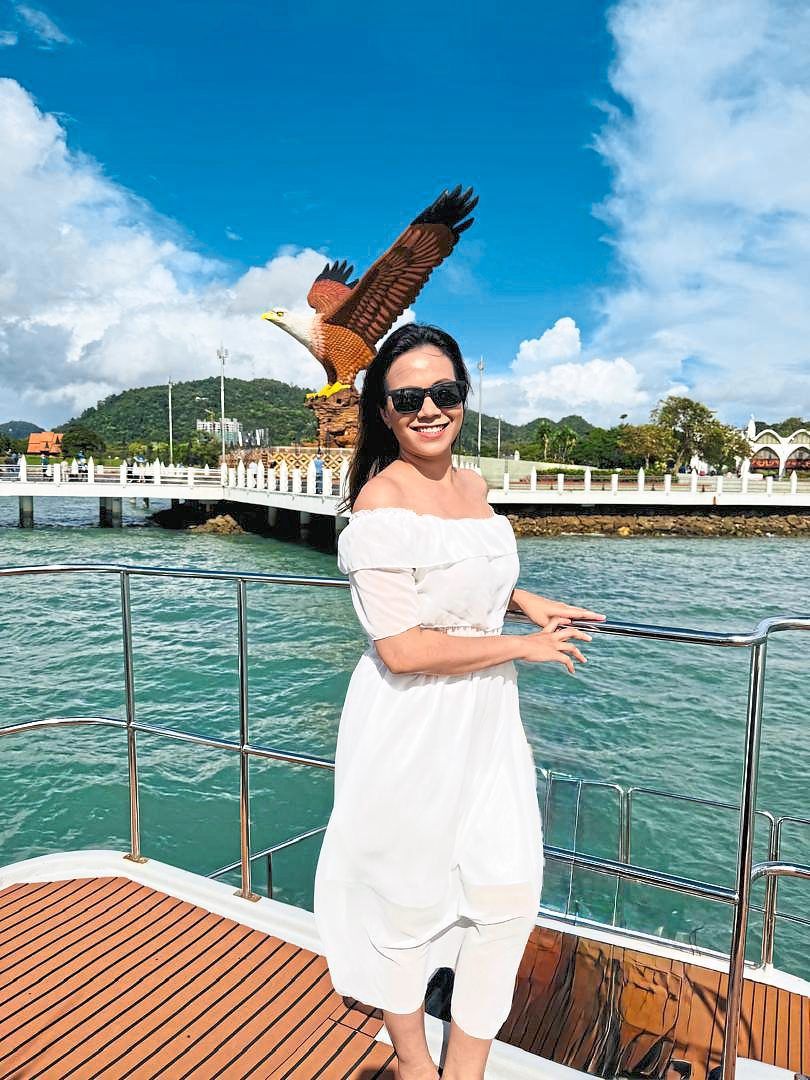
“In the past, I preferred having a fixed itinerary because it helped me stay organised and made the trip feel more manageable,” she shares.
Intan Baizura adds that back then, she would try to visit as many places as possible to make the most of her holiday.
However, she came to realise that what matters more is the experience itself, not how many places she ticks off her list. “I wasn’t truly immersing myself in the destination as it felt more like I was running from one place to the next,” she explains.
“Planning everything in detail definitely saved time, but it also made the trip feel rushed.”
Her checklist has grown shorter and shorter over the years, and today, she hardly needs it at all.
“The most valuable part of travelling is being able to be ‘present’. Becoming more grounded during my trips has taught me to do less planning and focus on enjoying the moment. I am also not constantly checking the time or worrying about what’s next on the list,” says Intan Baizura.
For Adeline Lee, 31, a sales manager at a hotel in KL, slow travel means spending more meaningful time with her partner, Jentzon Ng, which she considers the most important part of any trip.
“He enjoys a more laid-back travel pace, so we kept our days light,” she says, referring to their recent vacation in Seoul, South Korea. “We only visited about three places and spent the entire trip just enjoying the city.”
Lee says five years ago, her itinerary would have looked completely different. She would pack several cities like Seoul, Busan and Jeju in a single trip, spending no more than a day or two in each place.
For Ng, slow travel is about paying attention to the details, learning from the culture and letting a city reveal itself at its own pace.
“Focus on quality over quantity,” says the 35-year-old scriptwriter.
Having visited Seoul for the first time last year, Ng describes the city as a place where ancient traditions and modern life blend seamlessly.
And Ng wanted to experience the place fully, not just snap a photo and move on.
More than just sightseeing, travel gives you the chance to see the world – and yourself – in a new way.
For Ng, this means looking beyond the usual attractions. “I believe a location isn’t just about its famous hotspots. That said, I make it a point to seek under-the-radar spots, which often have their own stories to tell,” he explains.
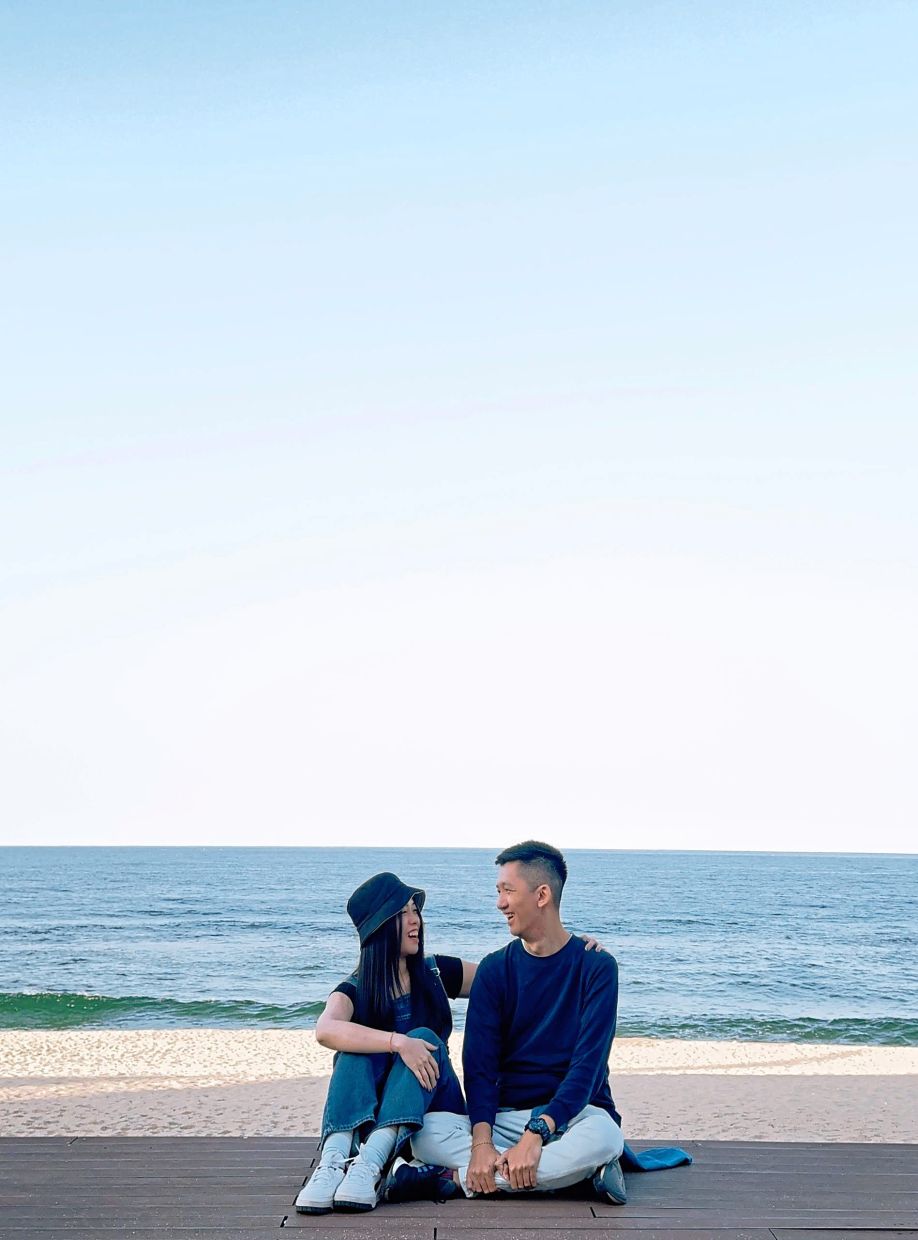
Lee and Ng’s “Seoul-venture” was mainly to attend a concert, but they didn’t lock themselves into a strict itinerary.
“We wanted the journey to unfold naturally, and it was refreshing to let the city guide us,” Lee says.
A perfect example of this spontaneity was when they were looking for a place to eat. Lee and Ng had initially planned to visit the famous Bukchon Hanok Village, but the couple changed their minds when they realised it would be crowded with tourists. A quick Google search brought them to Eunpyeong Hanok Village instead.
Lee says it was “a quieter alternative”.
Finding this little spot was one of the highlights of the couple’s trip. “We didn’t have to fight with the crowds and took our time exploring the complex, admiring its architecture,” Lee recounts.
Another unexpected discovery was Seosulla-Gil, a street lined with local eateries, hip cafes and boutiques. “The best part was that it was mostly frequented by locals,” she says, adding that it gave her a taste of real local culture, not one specially created for tourists.
Lee emphasises that while having a plan is useful, it’s important not to be bound by it. “Sometimes, it’s good to let yourself wander and wonder a little,” she explains.
She adds that they wouldn’t have been able to do that if they had relied on public transport. Walking allowed them to explore the city fully.
In fact, they walked an average of 20,000 steps a day in Seoul.
“Jentzon and I genuinely enjoy walking,” she says, adding that when you move too fast, you miss a lot of things.
Slowing down her travels, Lee discovers, is not only more enjoyable but also more “environmentally friendly”.
Agreeing with Lee, Intan Baizura says there’s no better place in Malaysia that captures this spirit than Langkawi, where you can usually get around easily on foot or by bike in the town area.
“The streets are quiet, with very little traffic or cars,” she adds.
Letting herself wander has become one of the best parts of her holidays. Before discovering the joys of slow travel, her days were jam-packed with a list of places to visit and things to do.
Now, she’s left all that behind. “Instead, I let the places ‘find me’,” she shares.
“A typical day in Langkawi might start with breakfast by the beach or at a local cafe. I don’t really plan what I’ll do – I just go with the flow.
“Sometimes I go for a swim, take a walk, or do nothing at all, just relaxing at a cafe.
“I have found a renewed appreciation for spontaneity,” Intan Baizura says.
Making local connections
Muhammad Fahim believes the locals you meet while travelling adds more value to your experience, turning an ordinary trip into something deeply meaningful.
However, it’s not just about getting to know the locals, it’s about the shared connections and the things you learn from each other, he adds. These interactions can also expand your social circle.
“I connect with locals through activities like kayaking and hiking. We usually exchange social media handles and sometimes even plan future trips together,” he says.
Joining activities allows him to experience life the way locals do. Even small moments like chatting with the community or simply watching the sunrise together feel wholesome.
“Wherever I go, I feel welcomed in Langkawi. When locals open up, I don’t feel like an outsider, I feel as though I’m part of the community.
“That sense of belonging is not something you’d get when you rush through a trip,” Muhammad Fahim says.
Through these connections, he has also discovered places off the usual tourist trails, such as Pulau Singa Besar, which is great for camping.
Meanwhile, Lee says connecting with people can sometimes be challenging, especially when you don’t share the same language. But it did not stop her and Ng from learning and trying in Seoul.
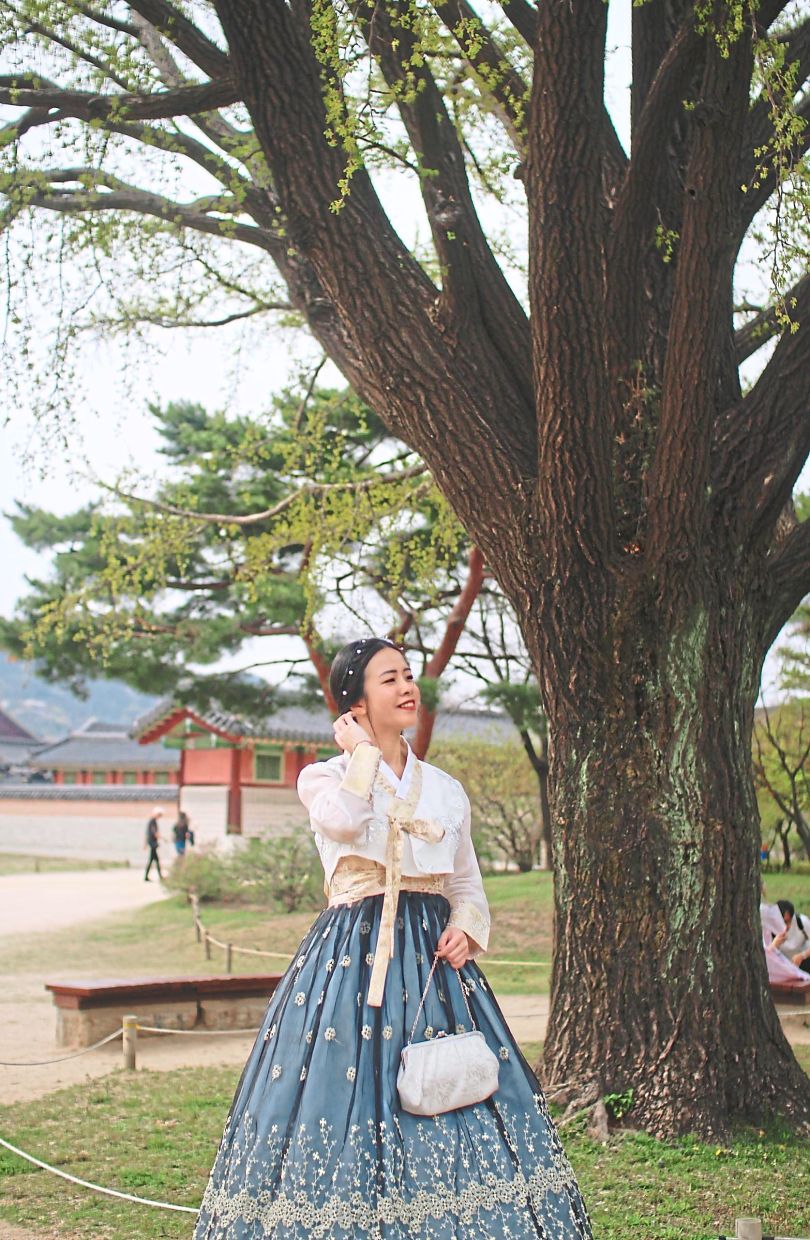
Prior to their trip, the duo picked up some basic Korean, a small effort that went a long way. Lee points out that it didn’t cost them anything to do this, with plenty of free online resources available.
“In smaller towns, locals don’t speak much English, unlike in tourist-heavy areas like Hongdae or Myeongdong, so picking up a bit of Korean really came in handy for us,” Lee says.
Being able to communicate enriched their experience. “It also made me feel more connected to the people.”
Besides that, staying in local neighbourhoods can help forge connections, Lee adds. Being in a residential area also gave them a glimpse of everyday life in Seoul.
“We saw families taking evening walks – scenes you don’t usually see in big cities,” she shares.
The couple also experienced kindness first-hand when they went to a small eatery helmed by an ajumma (Korean for aunt). She was friendly and treated the couple – and fed them – well.
As for Intan Baizura, staying longer in Langkawi has allowed her to forge more friendships with locals. She likes chatting with cafe owners and getting to know the community.
“You know you are doing it right when you feel like you belong in a place, rather than just passing through,” she says.