
Sometimes a holiday is about discovering places off the beaten path, far from the usual tourist crowds.
From quaint villages to remote islands, every corner has its own stories and surprises.
Visiting these offbeat destinations allows you to connect with the local way of life and immerse yourself in experiences that feel more authentic and personal.
Besides that, it also leaves a sense of wonder that typical tourist spots often cannot provide.
Here are a few places around the world you might like.
Ganja (Azerbaijan)
Yes, it has a “funny” name. No, the city is not full of the substance. Ganja is the second largest city in Azerbaijan, the transcontinental country straddling Western Asia and Eastern Europe. Officially, it is a country in Asia but culturally it is more Europe-influenced.
Azerbaijan is also a “young” sovereign state, having regained independence from the Soviet Union in 1991. However, the Azerbaijani people and their culture have ancient roots, dating back many centuries.
But back to Ganja.
The city is said to have a “vibrant youth culture”, according to its tourism site, Discover Ganja. Amid this young spirit, the city has centuries-old mosques and hammams (baths) that were built during the Safavid Empire era (1501-1736).
There are also ruins of buildings and structures left from the Ganja Khanate (established in 1747) and the Russian Empire (1721-1917). The architecture in Ganja is very interesting, to say the least.
Key attractions include the Imamzadeh Mosque and Mausoleum Complex which dates back to the 8th century, a mausoleum dedicated to Nizami – a famous Azerbaijani poet from the 12th century, Sabzikar Cemetery and Javad Khan Mausoleum.
If you’re not too keen on the dead, then check out instead the Heydar Aliyev Park Complex. At 450ha, it is said to be one of the biggest parks in the world.
Here, visitors can do regular park things like jog, walk or bike, have a picnic, fly kites and the like. There’s an artificial lake built among beautiful flowers and trees, and an entertainment centre called GanjaLand, where concerts and theatre shows are held.
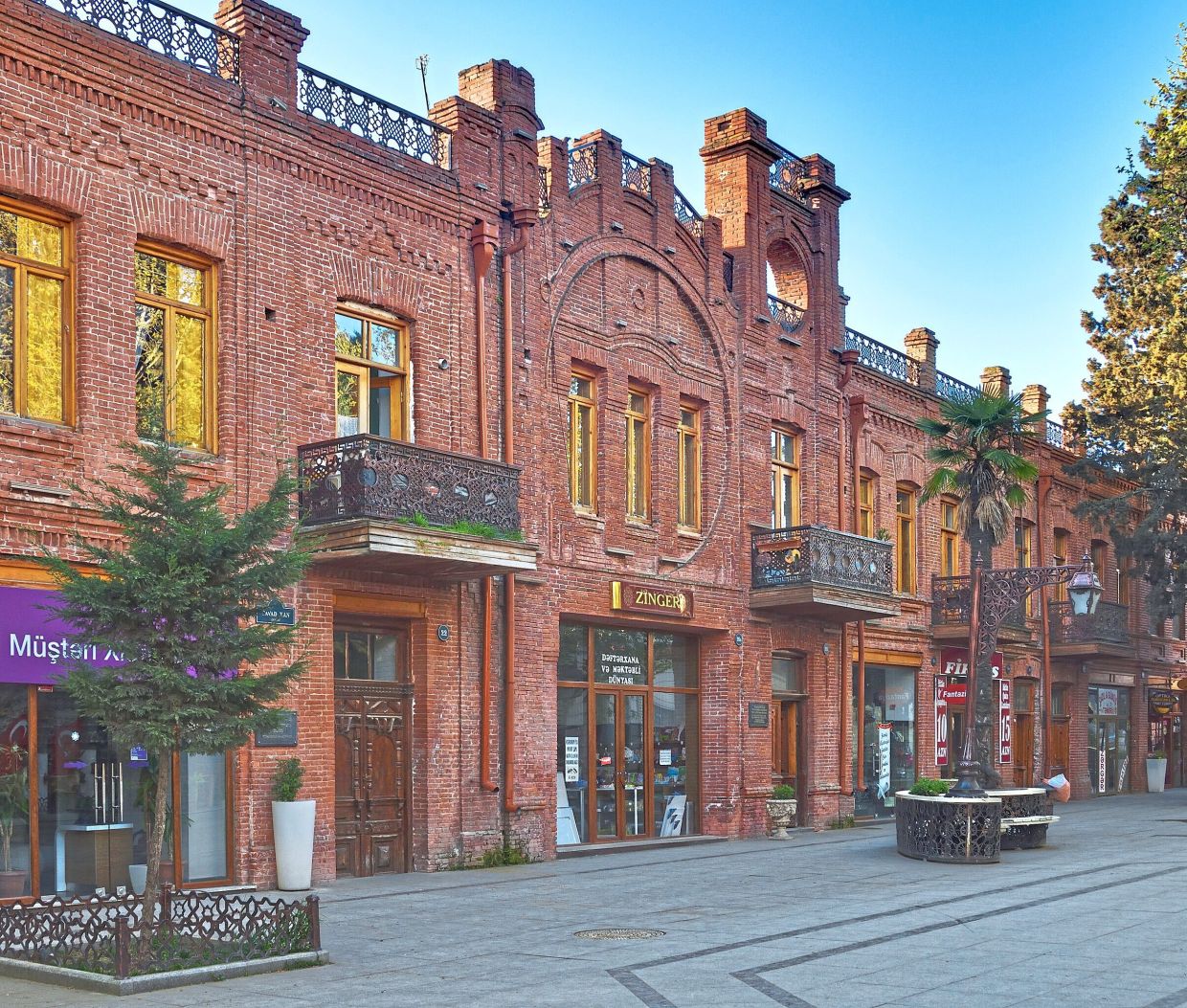
Once you’re done at the park, head to the very photogenic Javad Khan Street, where every building is built with red brick, a Ganja architectural signature, it seems.
It would take at least a whole day to get to Ganja from Kuala Lumpur, though. To make the trip even more worthwhile, pay a visit to the Azerbaijani capital, Baku, for a few days before making your way to Ganja via train (travel time: almost four hours).
Isle of Mull (Scotland)
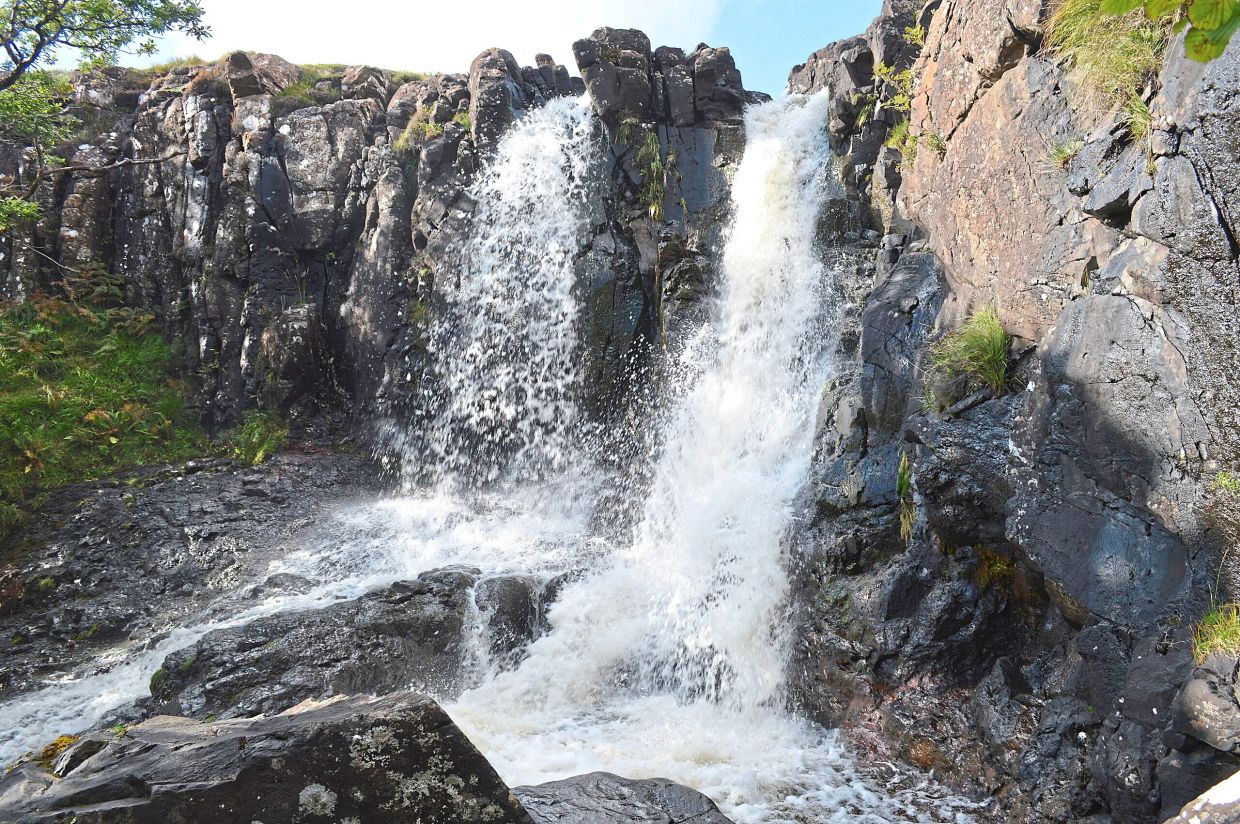
As the saying goes, “the more difficult the journey, the sweeter the reward”. Travelling from KL to the Isle of Mull, Scotland is “difficult” in the sense that the journey is long, requiring 25 hours at the very least.
You’ll need to hop on a plane from KL to Edinburgh or Glasgow (or, depending on your budget, you may have to fly into London first, then take a train to either Scottish city), take a train to Oban and then board a ferry to Mull.
As arduous as that sounds, it’ll make you appreciate all the more the serenity that awaits at the scenic destination.
Spend your days lounging on secluded beaches, like Traigh na Cille (Black Beach) and Fidden, which features a white sandy bay surrounded by pink granite outcrops. History buffs would enjoy Calgary, the beach with ruined settlements and Iron-Age forts.
Explore the island’s natural beauty by hiking, biking or pony trekking. Learn its history at places like Duart Castle (one of its six castles) and the Bronze Age Lochbuie Standing Stone Circle.
Go wildlife watching; look for animals like puffins, white-tailed eagles and corncrakes – a rare bird considered endangered in that part of the world.
Stroll leisurely along the harbour in the capital, Tobermory. You’ll see rows of brightly coloured houses, and boats of all sizes bobbing in the water.
Kiso Valley (Japan)
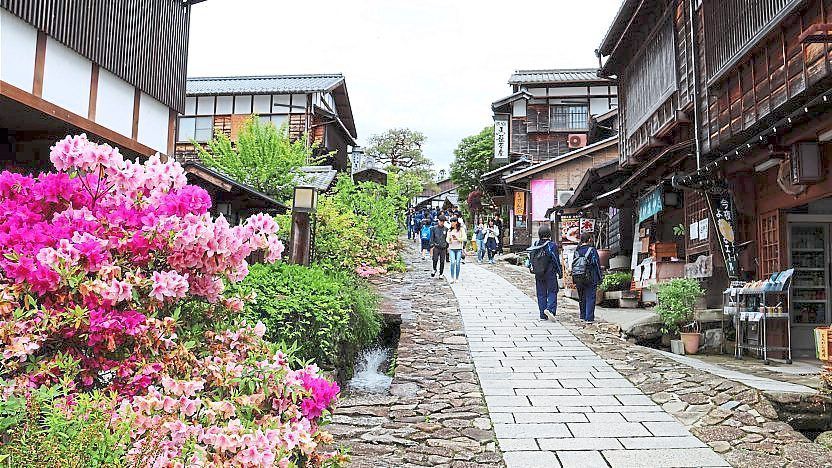
Kiso Valley is a peaceful stretch of mountains and rivers dotted with towns like Tsumago and Magome, where traditional wooden structures have been carefully preserved for centuries.
For a more immersive experience, visitors can stay in ryokans (Japanese inns) or minshuku (family-run guesthouses), where you can sleep on tatami mats, soak in onsen baths and enjoy home-cooked meals.
You can spend a few days here enjoying rural life.
One of the highlights of the region is the Nakasendo Trail, a historic route that once connected Kyoto and Edo (now Tokyo).
The section between Tsumago and Magome is great for a leisurely hike, taking around two to three hours, leading you through forests, rivers and quaint villages.
Along the way, hikers can stop to sample local specialties like gohei mochi (grilled rice cakes) and fresh vegetable dishes, which can be found at street stalls and eateries.
Experience local life by trying woodworking, pottery and other hands-on crafts that have been part of the community for generations.
To reach Kiso Valley, fly from KL to Nagoya, then hop on a scenic train ride to the valley.