
In the desert stillness of Egypt’s Wadi El-Hitan (also known as Wadi Al-Hitan), a group of stargazers knelt on the cooling Fayoum sands as Mohammed Hassan’s green laser sliced through the ink-black sky to illuminate the glowing disk of Jupiter.
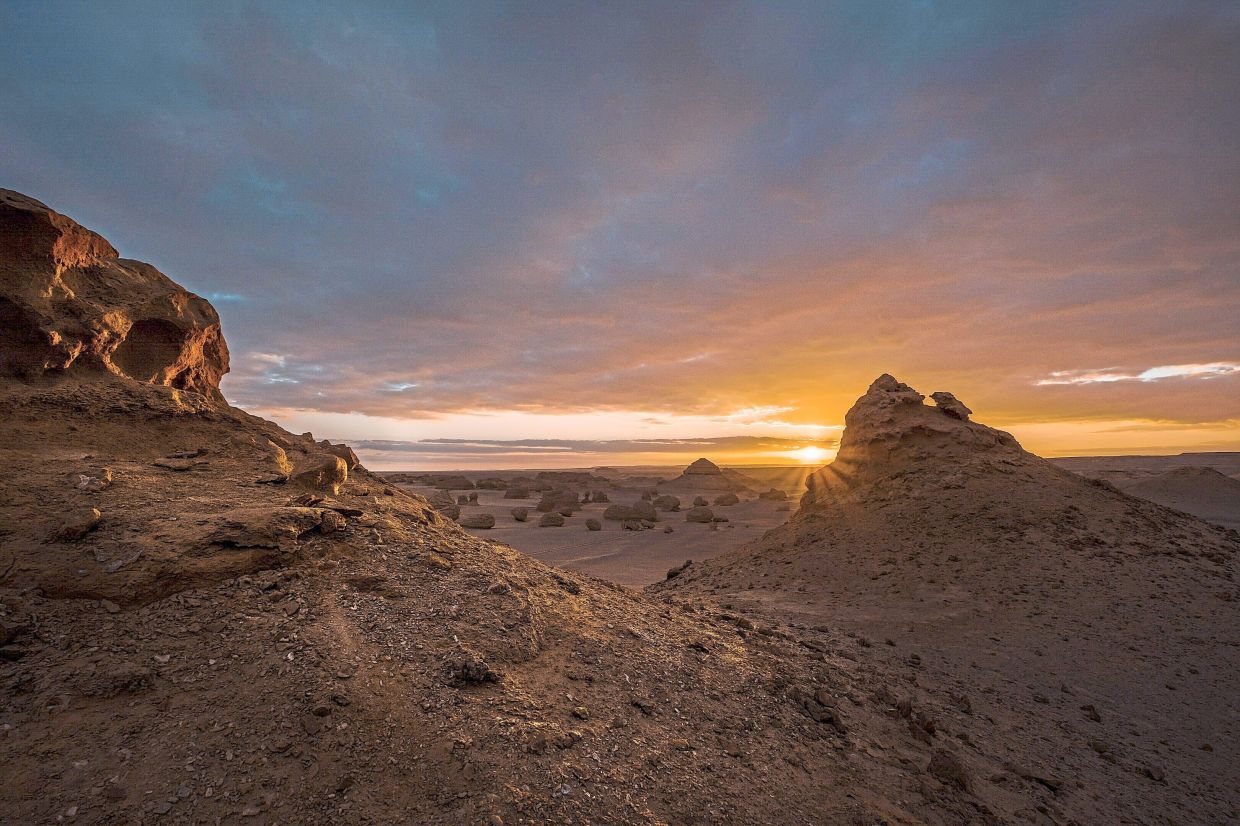
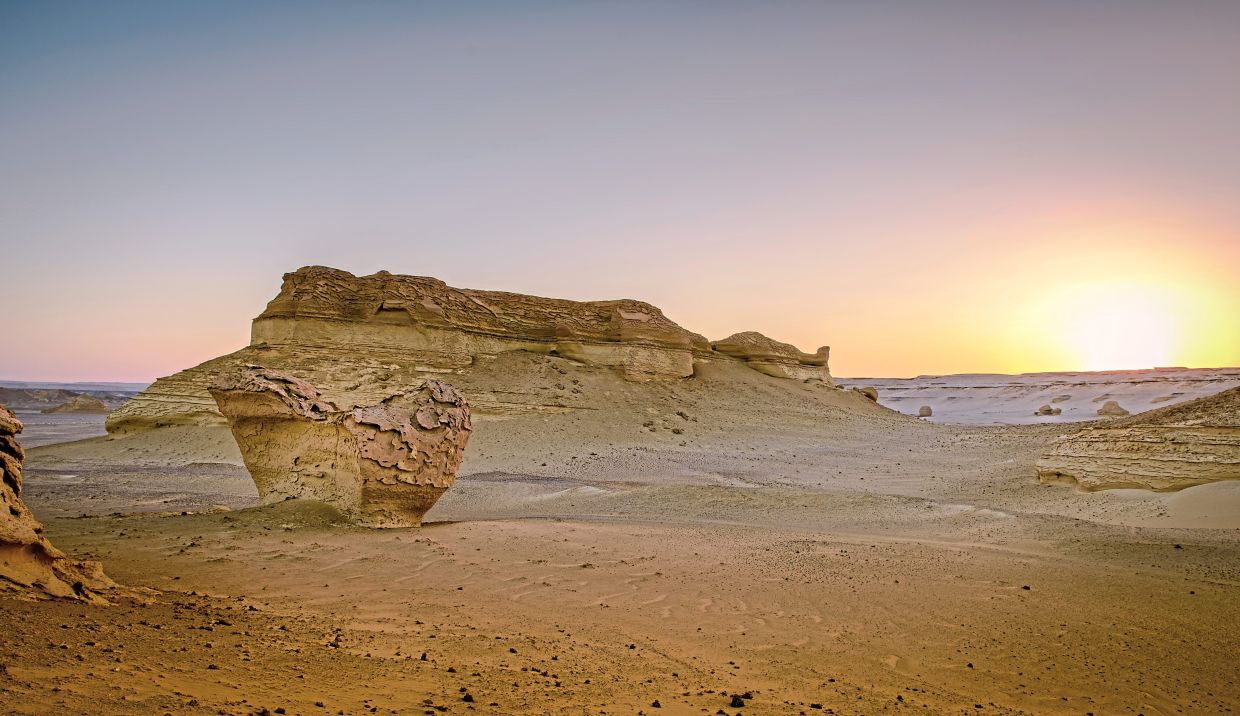
Wadi El-Hitan, or the Valley of the Whales, located in the Fayoum governorate southwest of Cairo, is famous for being an open-air museum, featuring 40-million-year-old whale fossils.
As the sun goes down, the focus shifts from the fossil-strewn ground to the vast expanse of the heavens.
Hassan, the camp organiser and an astronomy expert, spends his nights giving brief lectures about the planets and stars, using his laser pointer to guide the eyes of amazed tourists toward the wonders of the universe.
“The demand for this experience is growing every year,” Hassan said as he prepared a powerful telescope for the group.
“Egyptians and non-Egyptians are coming here, especially in the summer, to reconnect with the cosmos. Astrotourism is a new growing trend,” he shared.
Hassan revealed that thousands of tourists visit this Unesco World Heritage Site every year because the sky here is among the clearest in the world, adding that the number of visitors is notably growing every week.
Good initiative
This surge in interest is a direct result of a government-backed push for ecotourism, he said, adding that the state provides the necessary permits for these tent camps and maintains a security presence to ensure the site remains protected.
In 2020, Egypt launched the Eco Egypt campaign as the first initiative of its kind designed to reposition the country on the global tourism map as a leading destination for sustainable travel.
This strategic move not only protects the nation’s natural wonders but also bolsters a sector that remains a critical source of foreign currency for the Egyptian economy. It ensures that the preservation of the environment goes hand-in-hand with national financial stability.
Among the crowd of tourists were Mostafa Abdel-Fattah and Mona Mohammed, a newly married couple who chose this wilderness as their first trip together. Mona said that after a day spent walking on an ancient sea floor among the fossils, looking up at starlight that has travelled for millions of years makes her feel as if the history of the Earth and the universe are finally meeting.
“It is a strange and beautiful feeling,” said Mona as she looked up from the lens of a telescope, watching the sharp craters of the moon and the distinct rings of Saturn.
Her husband Mostafa, a mechanical engineer, said he first discovered the magic of Wadi El-Hitan through a viral post on social media.
“My professional background gives me a unique appreciation for the celestial mechanics at play above the dunes,” he said.
“I have always been fascinated by the sheer precision of the universe, and I have spent years wishing to truly understand the deeper mystery of astronomy.”
The experience has left such a lasting impression on Mostafa who is already planning to revisit the site. For him, the combination of technical wonder and natural beauty is irresistible.
“There is something about this place that makes you feel both small and significant at the same time,” he said.
“You can read about the stars in books or see them on a screen, but feeling the desert wind while you witness the cosmos in person is something entirely different. It is a passion I want to keep exploring,” he added.
Not far from the couple, Mostafa Diab, a young doctor who is visiting the site for the third time, brought a group of his friends after finally convincing them to come along.
He watched with a smile as his friends, who are usually glued to their screens, realised that their phones have no signal.
“I told them that once you get deep into the desert of Fayoum, your phone becomes a toy,” he said. “There is no signal here, and that is the best part.”
He shared that he had to show his friends that they do not need a five-star hotel to feel like a millionaire, as all they need is “a clear sky and good company”.
At the camp, the lifestyle remains simple and authentic. There are no luxury buildings, only two toilets and a small cafe. As the desert air turns cold, the tourists sit around a crackling wood fire, making tea over the flames.
The smell of woodsmoke and the sound of local Bedouin music shows fill the air, as musicians from nearby communities share their traditional songs under the Milky Way.
“There is nothing that can be better than this night ... the sand is my mattress and the sky is my cover,” Mostafa Diab said. – Xinhua