
Public toilets are something most of us don’t think about until we have to use them, and discover that they are dirty or broken. Clean and safe toilets are more than just a convenience for the public, they are also essential for our health and comfort.
In an effort to raise public awareness on this, the World Toilet Organisation introduced World Toilet Day in 2001, observed annually on Nov 19. This commemorative day later became an official United Nations event in 2013, which makes a global call for ensuring that everyone has access to clean and safe sanitation by 2030.
In Malaysia, there are many initiatives that raise awareness on the cleanliness of public toilets. In 2023, the Housing and Local Government Ministry launched a Toilet of the Year Award to ensure that public restrooms are “clean, attractive and pleasant”, while also enhancing the country’s image to visitors.
Additionally, there is an Asean Tourism Standards programme that encourages clean toilets. Under this programme, an Asean Public Toilet Standard Award was introduced; most recently, Laos took home the award.
This is not the only initiative of its kind either. Hong Kong holds a yearly Best Public Toilet Award, and the Loo of the Year Awards are organised annually in England, Ireland, Scotland and Wales.
Here’s a look at some of the world’s most fascinating toilets, featuring everything from innovative designs to locations with breathtaking views.
Matakana Toilets (New Zealand)
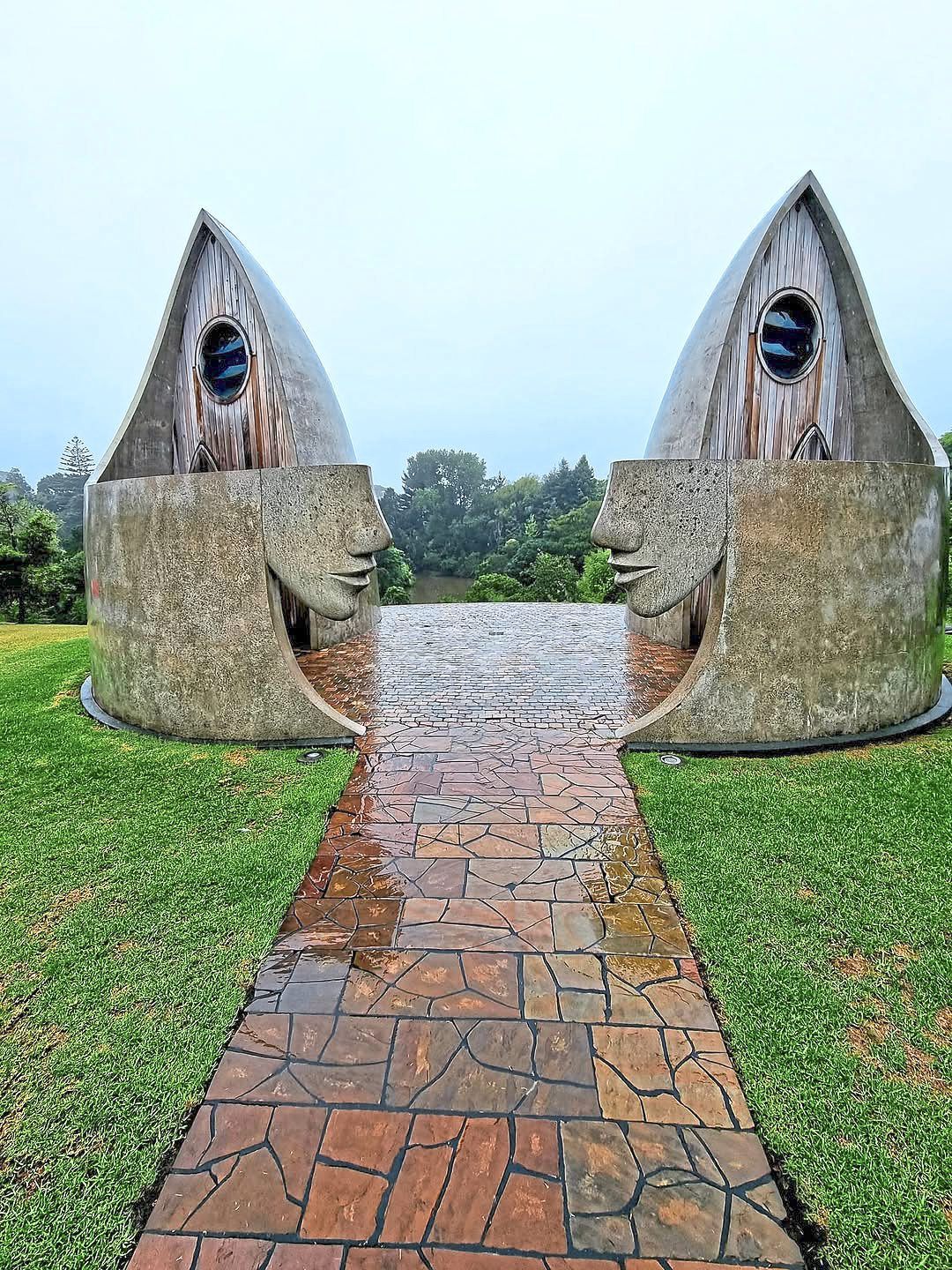
Instead of just fixing its old public toilets, the small town of Matakana in New Zealand decided to create something special – the Matakana Toilets.
These toilets, designed by a then university student named Steffan de Haan, are shaped like boat hulls and feature sculptural faces. The design actually celebrates the town’s boat-building heritage.
Today, the Matakana Toilets, which took seven years to complete, stand as both an amenity and public art. You can come here not only to use it but also admire the fascinating design.
Krafla (Iceland)
Imagine stumbling upon a toilet out in the wild in Krafla, Iceland. To make things even quirkier, the toilet comes with a showerhead.
No one knows for sure who installed this toilet, but it was built near the Krafla Geothermal Station.
The water for both the toilet and shower comes from a hot spring, so things stay warm all year round.
The toilet continues to amuse – and be of use to – hikers wandering through the steaming volcanic landscape today.
Nanago Dori Park (Japan)
Understandably, most people prefer to minimise touching surfaces whenever they are in a toilet, especially in public restrooms.
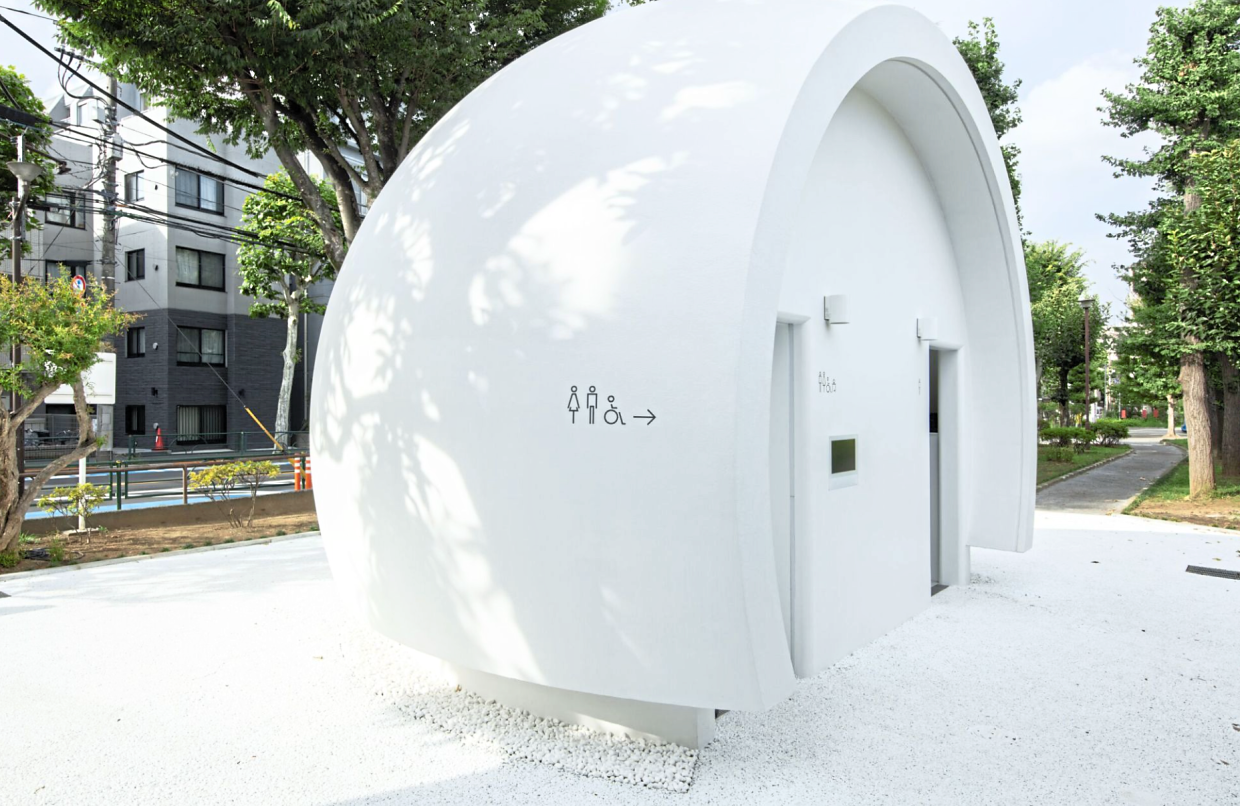
Japanese designer Kazoo Sato came up with a brilliant solution to this “problem”: Introducing, Hi Toilet, a fully voice-controlled restroom pod.
A list of commands is available in both English and Japanese, where you just “ask” the toilet to open or close the door, flush or even play music should you want a little extra privacy while doing your business.
The toilet stall’s dome-shaped design and high ceiling also improve airflow and ventilation.
This innovation is part of The Tokyo Toilet Project launched in 2019, where 17 public toilets were redesigned by world-renowned Japanese architects, like Kazoo himself, as well as Shigeru Ban, Kengo Kuma and Tadao Ando.
Lavatory Madeleine (France)
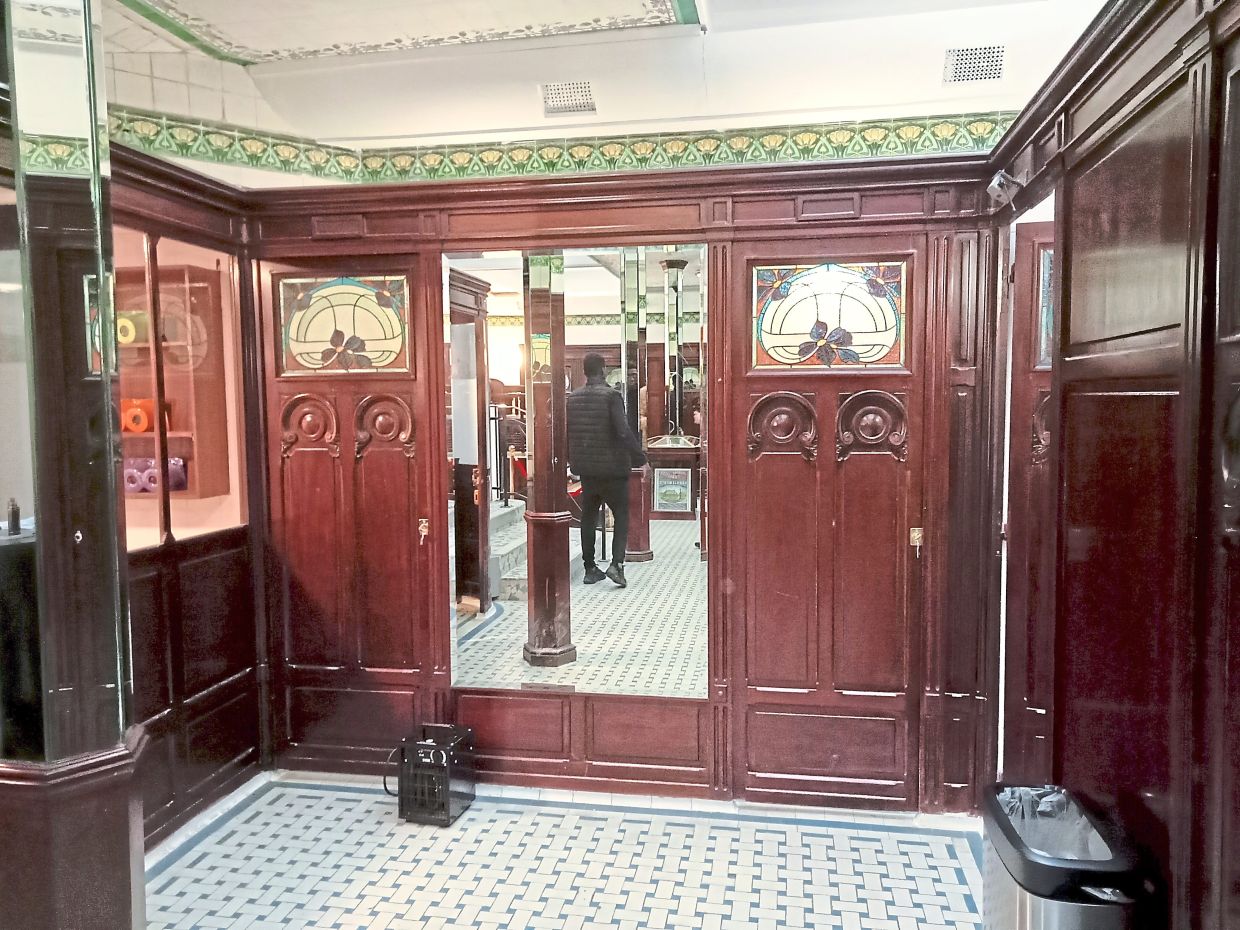
When in Paris, it’s a must to visit the Lavatory Madeleine, a beautifully-restored Art Nouveau-style public underground toilet from the early 1900s.
This elegant restroom features mosaic tiles and stained glass – and, yes, you can actually use it.
Once neglected, it was closed in 2011, but reopened to the public in 2023 after extensive refurbishment.
A small fee will be charged as you enter, but it’s worth seeing this unique piece of Parisian history.
Myco Toilet (Canada)
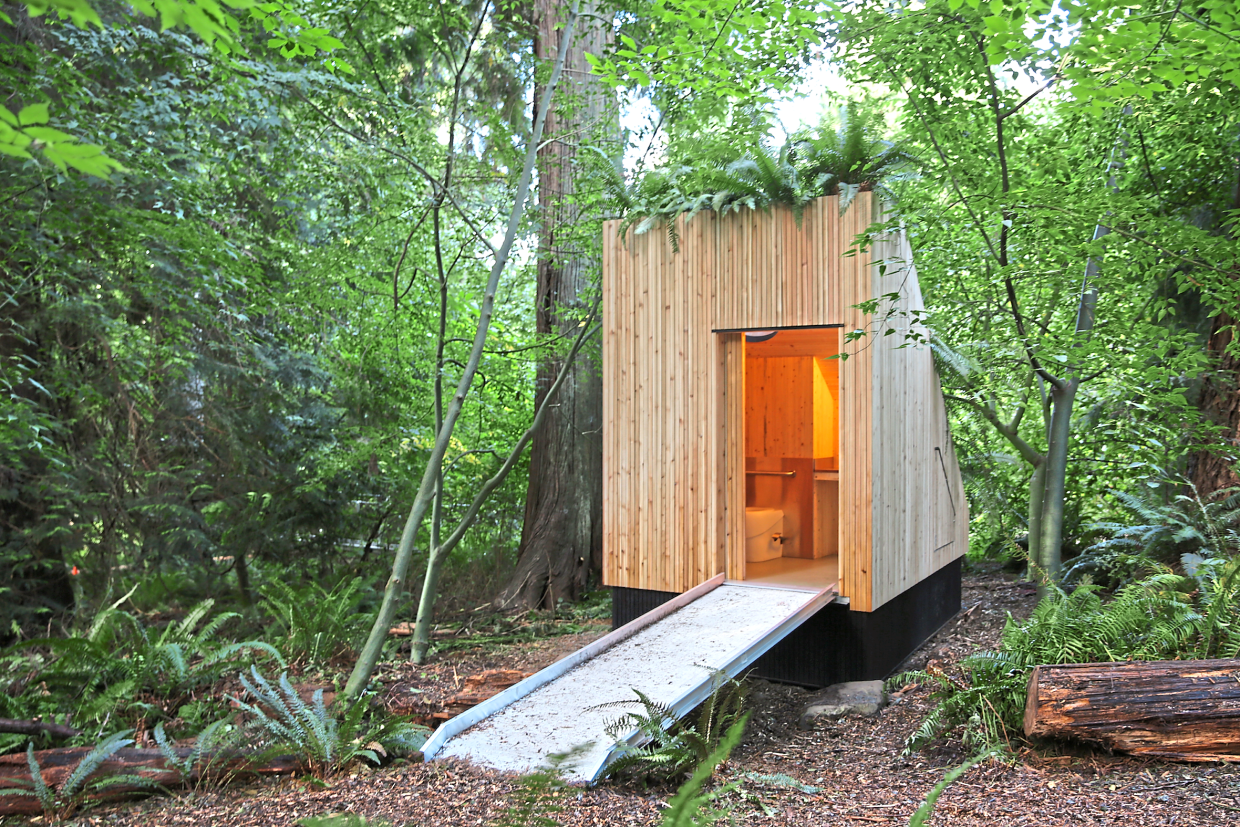
Unlike typical toilets that use a large amount of water to flush, a prototype in the University of British Columbia’s Botanical Garden is powered by mushrooms.
This innovative concept – the MycoToilet – requires no water or electricity. Instead, it uses mycelium, a type of mushroom that turns human waste into compost and liquid fertiliser.
According to the Canadian university’s official website, it can produce up to 600 litres of soil and 2,000 litres of fertiliser while naturally absorbing odours.
It’s clean and eco-friendly: It offers a glimpse of what the future of sustainable sanitation could look like.
The system could one day be installed in parks, isolated areas and communities without plumbing, according to the university’s website.
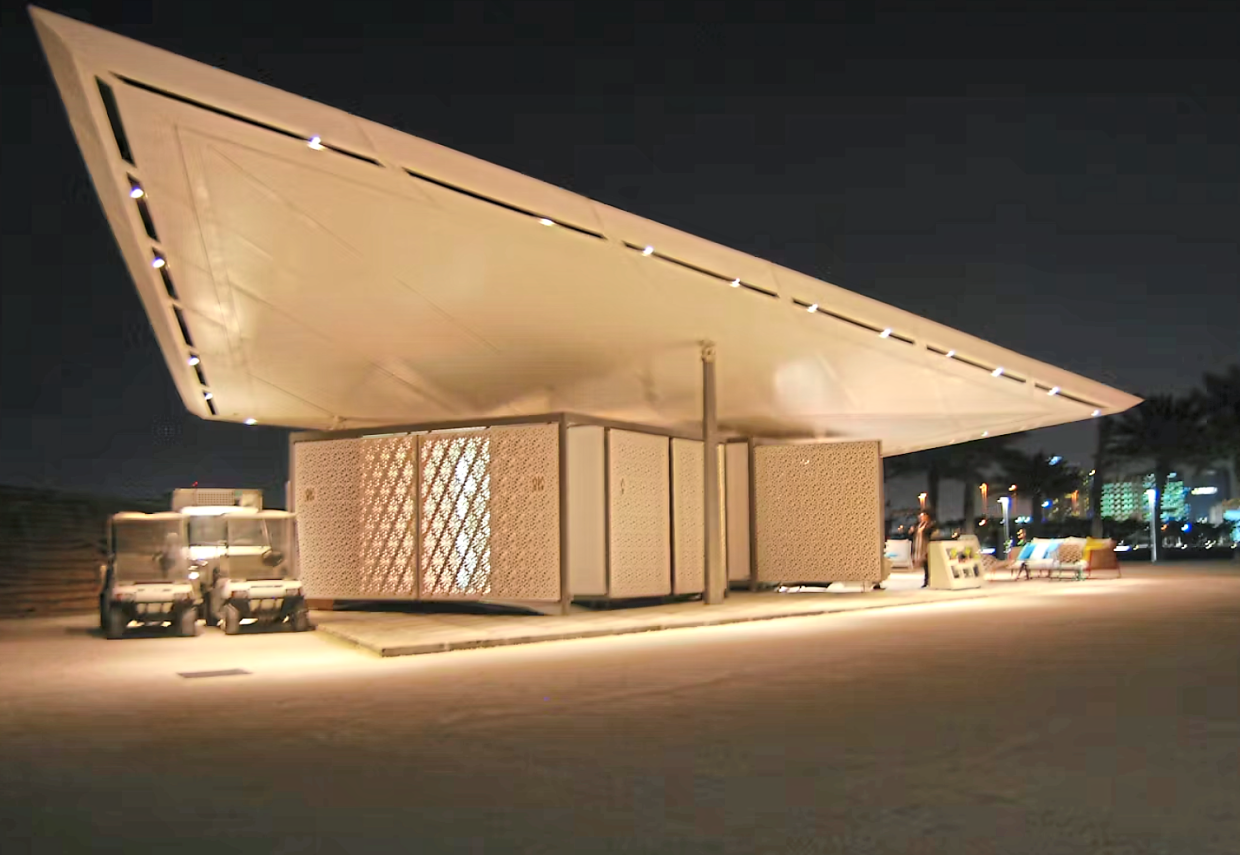
Museum of Islamic Art Park toilet (Qatar)
Visitors to this art gallery can enjoy its eye-catching toilet as they explore the area.
The public restroom, located in the Museum of Islamic Art Park in Doha, Qatar features a futuristic facade and is an architectural highlight.
Designed by Pritzker prize-winning architect leoh Ming Pei (more famously known as l.M. Pei), the toilet mirrors the museum’s blend of glass and geometric patterns.
Visitors to the museum can admire this eye-catching structure as they explore the area.
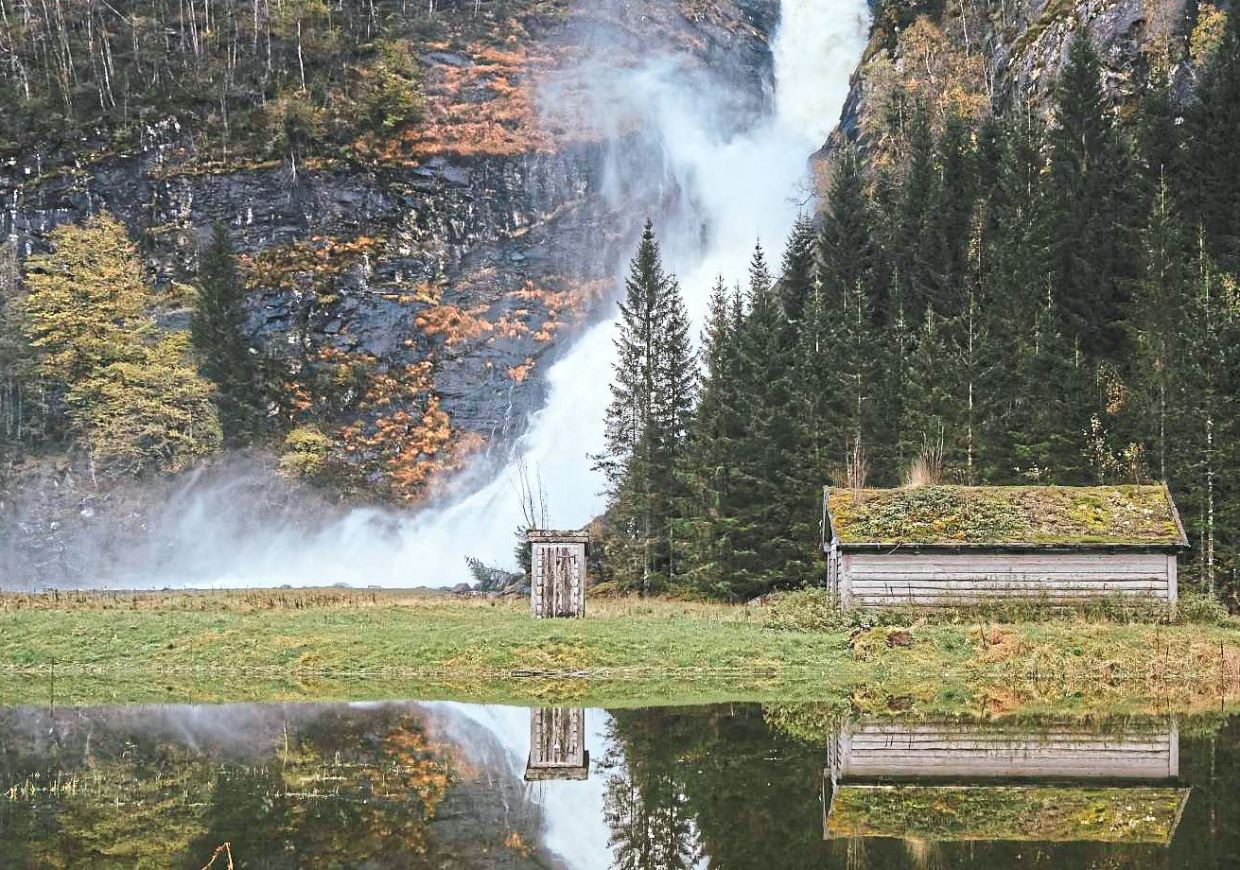
Huldefossen waterfall (Norway)
At Norway’s Huldefossen Waterfall, you don’t have to worry about “gross” bathroom noises because nature has you covered.
The toilet sits against the backdrop of a 90m-tall cascading waterfall that roars so loudly it drowns out every other sound.
You are surrounded not only by lush greenery but also by the breathtaking view of the falls as you conduct your business.