
Think archery is all zen and chill? Think again.
Behind every smooth arrow release lies a mountain of regulations designed to keep everyone safe and the competition fair.
At first glance, an archery tournament seems serenely calm: archers in neat rows, bows at the ready, arrows perfectly poised – a picture of meditative focus.

But look closer, and the sport is less “Robin Hood in the woods” and more “checklist with a bow”.
Beginner or spectator, it doesn’t matter. Step onto the field without observing the unwritten – and sometimes very written – code, and you might find yourself in hot water faster than an arrow leaves a bow.
First, the dress code.
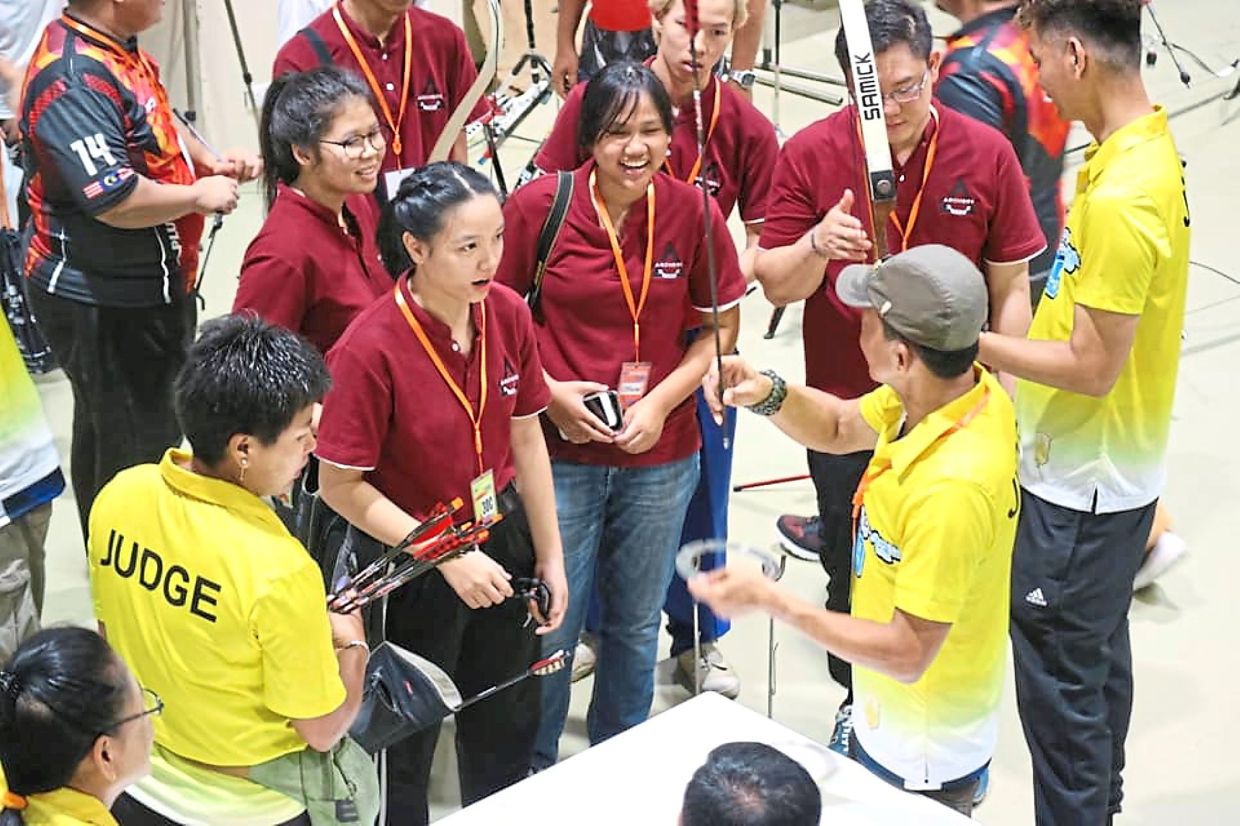
Archers are expected to be in uniform: matching team colours, logos, names, the whole ensemble.
Jeans, leggings, flip-flops, camo, or any item that could make you look like you wandered in from a jungle-themed costume party? Out.
Judges are armed with the authority to make you tape it up, toss it aside or politely escort you off the field.
Pride, identity, and the rulebook are non-negotiable.
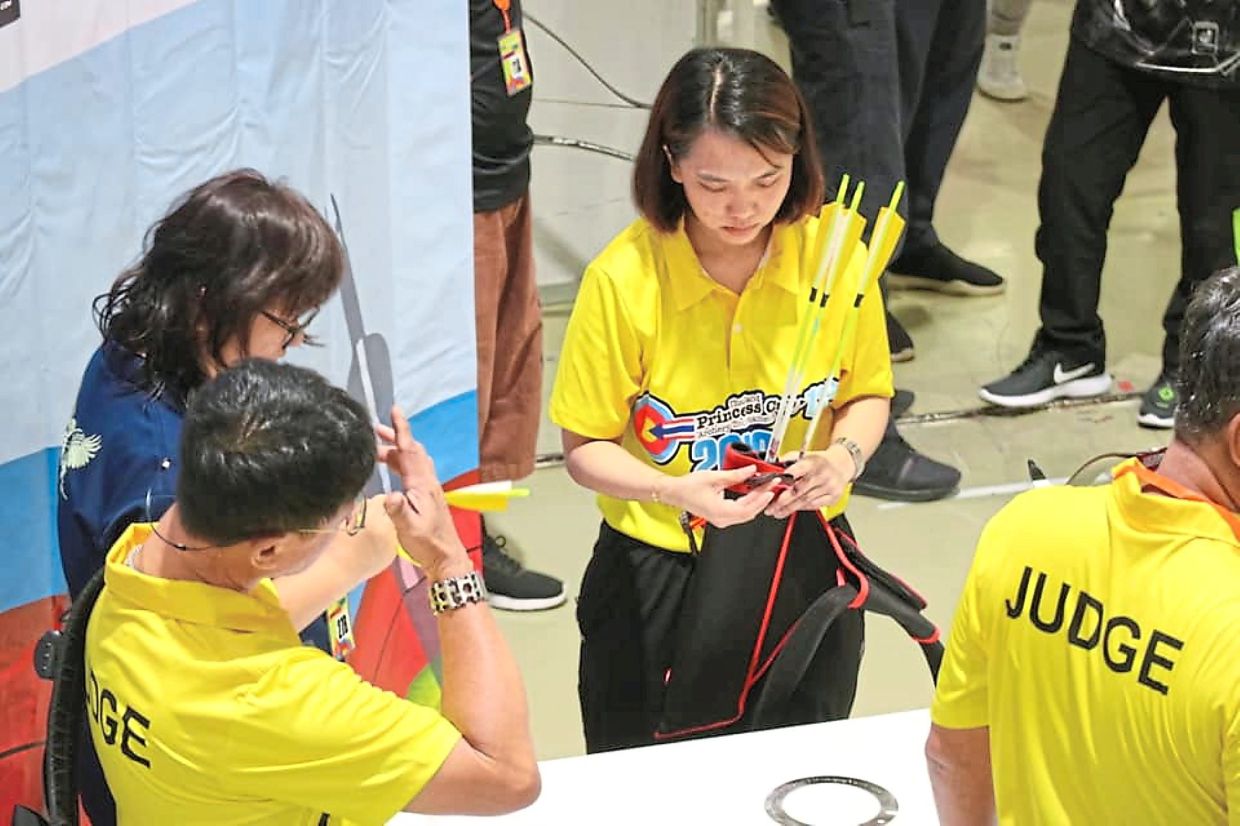
Next comes the ritual inspection of equipment. All arrows must match – colour, length, fletching – and carry the archer’s initials.
If your dozen arrows aren’t clones of each other, expect the judge to make you play “spot the odd one out” before you can even step onto the shooting line.
And don’t think a single inspection suffices: it can – and often will – be repeated mid-competition. Rules are rules.
When the buzzer finally sounds, signalling it’s time to shoot, every movement is choreographed.
Bows sit neatly behind the equipment line, shots must be released within a strict time frame, and any arrow shot beyond the limit is forfeited.

The sequence flows like a well-rehearsed dance: shoot, wait, walk downrange, pull arrows, score, repeat.
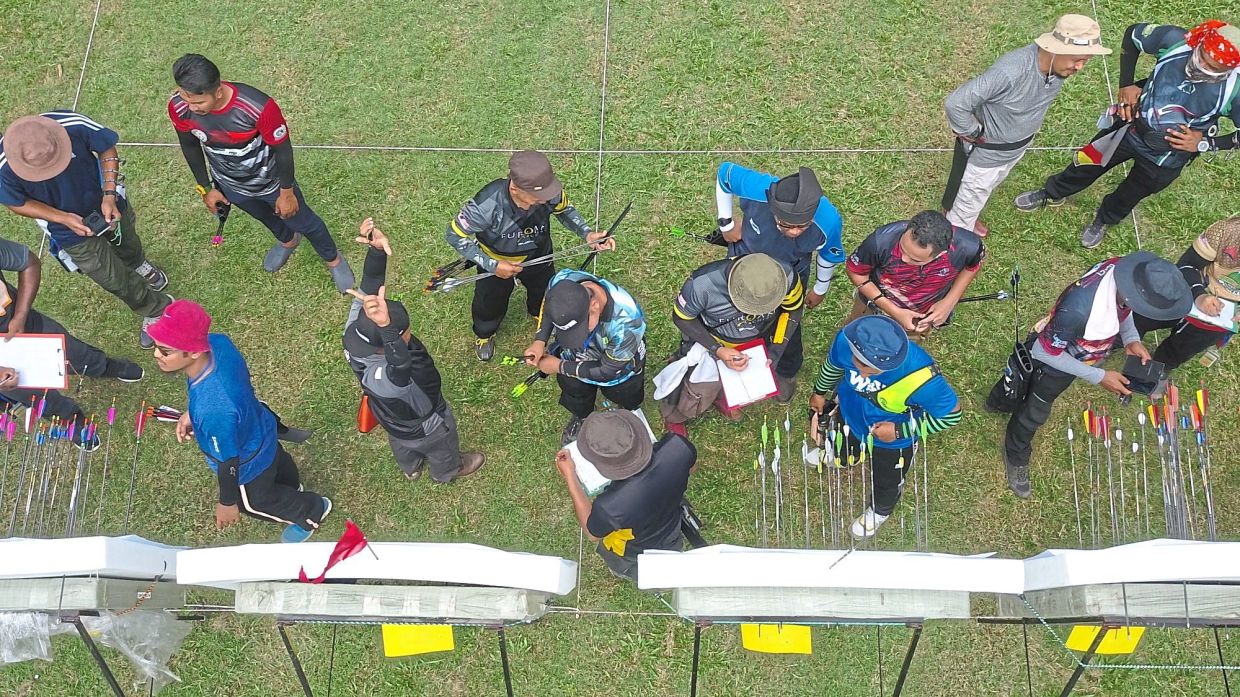
Four archers share a lane, and roles – scorekeeper, witness, scorer for digital systems – rotate with military precision. Miss a step, and you risk chaos in the ranks.
Scoring itself is a ritual. Scores are read from highest to lowest, and every round ends with a signature. No signature, no score.
A post-results protest window of two hours exists for those who feel a number has gone astray, after which the scores are final, locked in like arrows in a target.
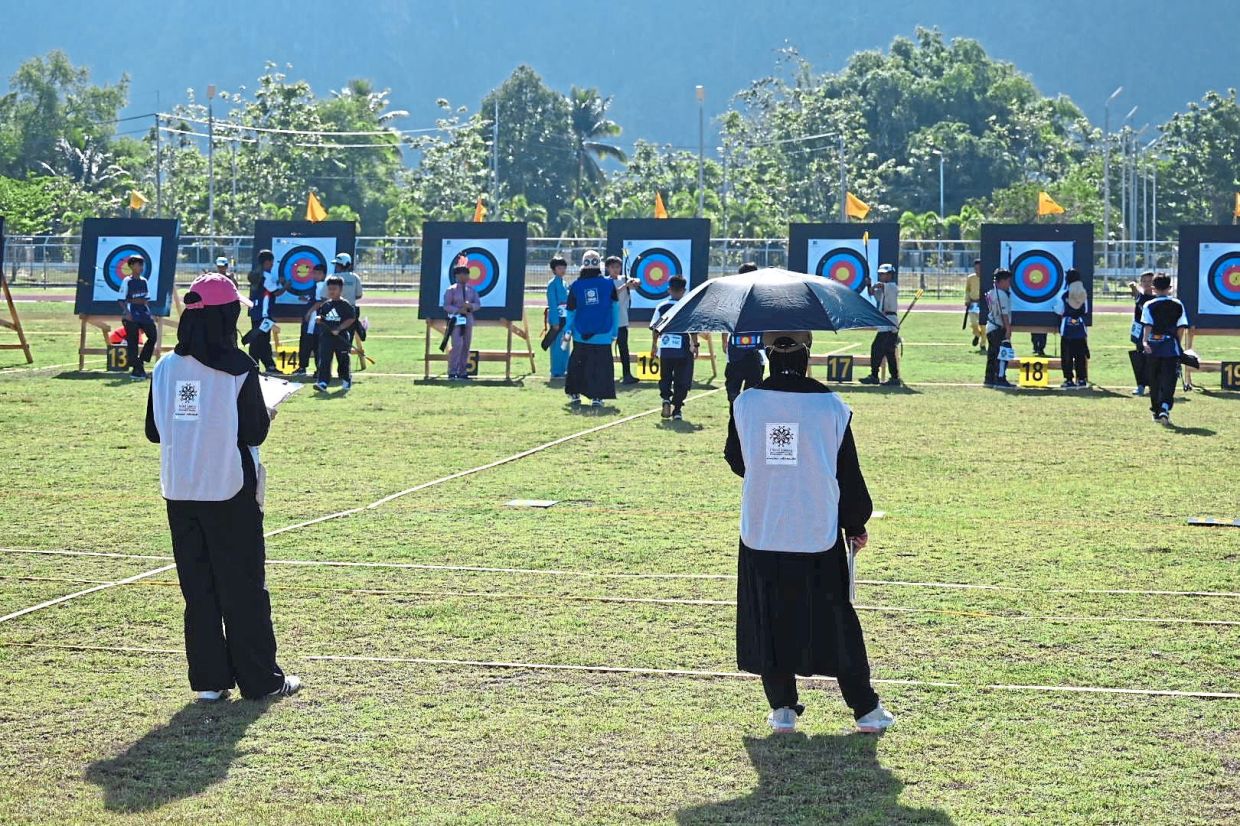
Outdoors, the elements add another layer of unpredictability.
A gust of wind or looming storm can pause the game at the director’s discretion, while spectators are safely corralled behind the field – close enough to feel the tension, far enough to avoid becoming a pin cushion.
Even fans aren’t off the hook: formal events often come with their own dress code.
Despite the meticulous rules, there’s a rhythm and fairness at the heart of archery.
Every restriction exists to give each archer an equal chance and ensure that the only thing flying dangerously is the arrow itself.
And when all the uniforms are in place, arrows match, signatures signed, and the wind behaves? Only then does the real magic happen – the arrow arcs perfectly through the air, and the calm, rule-obsessed sport briefly feels like pure poetry.