Most people assume the forest goes to sleep after dark. But step in with a headlamp and the jungle wakes up instantly – almost like you’ve wandered into a secret party.
Frogs begin calling from unseen puddles, geckos shuffle into view and the undergrowth glints with tiny reflections.
Sweep your light across the leaf litter and the rainforest seems to wink back.
This is the world that draws people into herp photography – the simple act of photographing reptiles and amphibians where you find them.
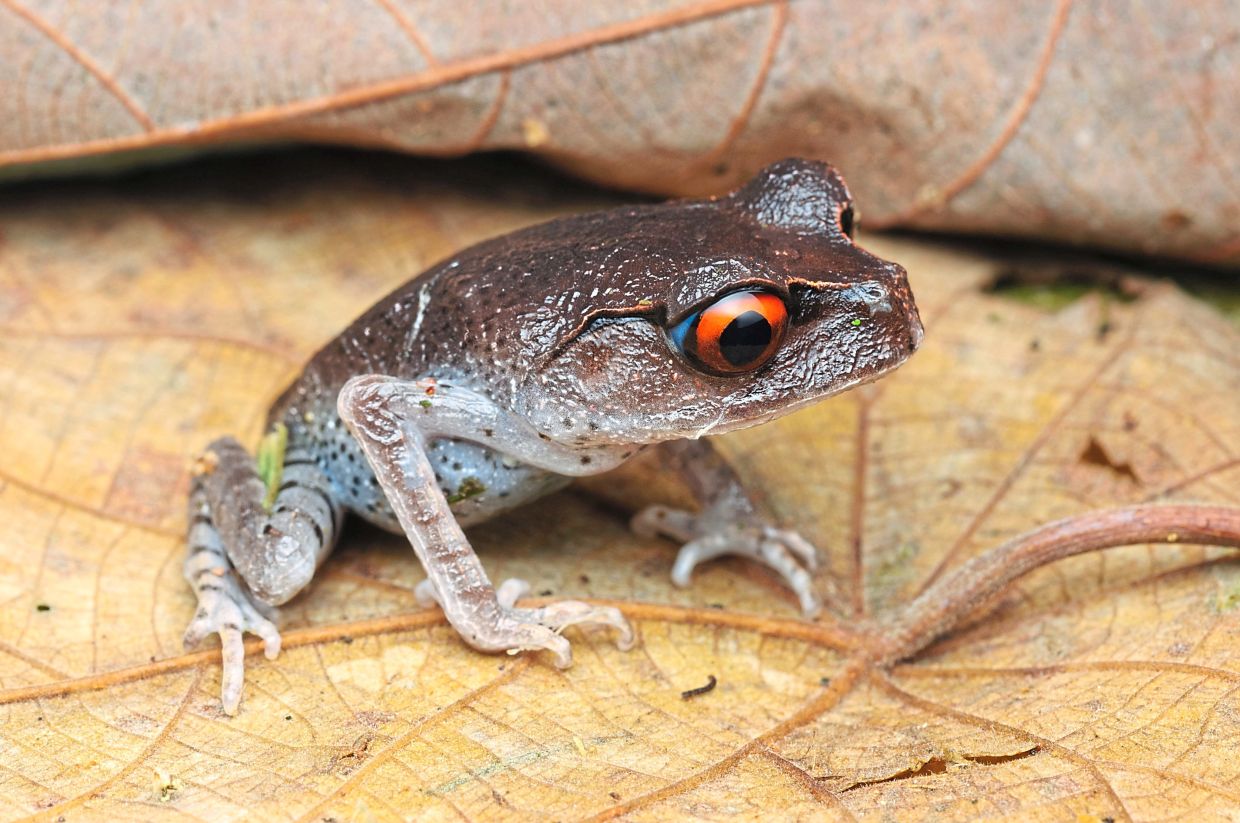
It requires no extreme fitness or deep expertise, just patience and an eye for the small and unexpected.
Once you start, the jungle will never look the same again.
Herp photography forces you to slow down. Instead of scanning the canopy for hornbills or chasing movement on a distant ridge, your attention narrows to the subtle signs: the glint of moisture on a leaf, a small shape curled on a branch, the sudden stillness that betrays something watching you.
Malaysia is perfect for this kind of wandering.
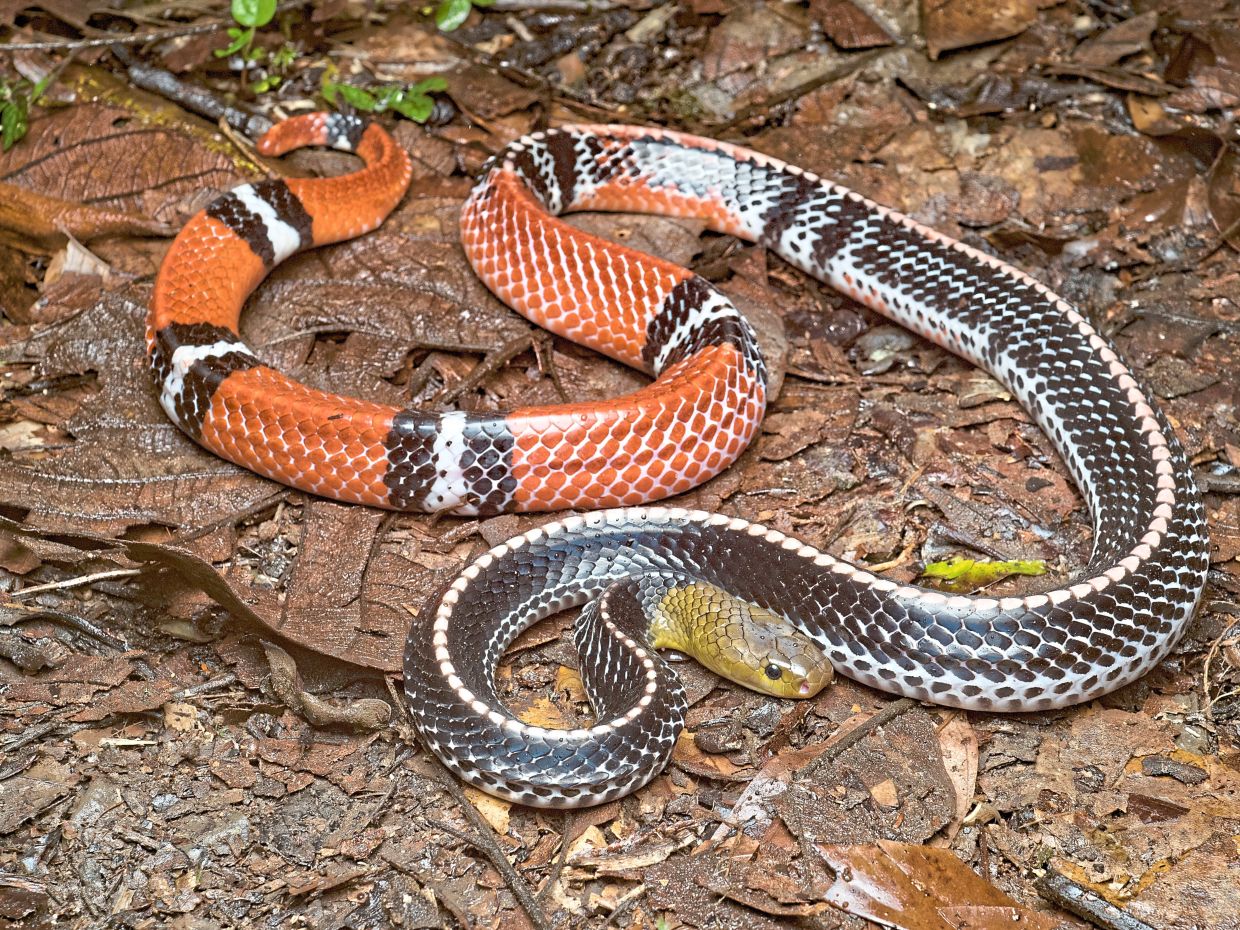
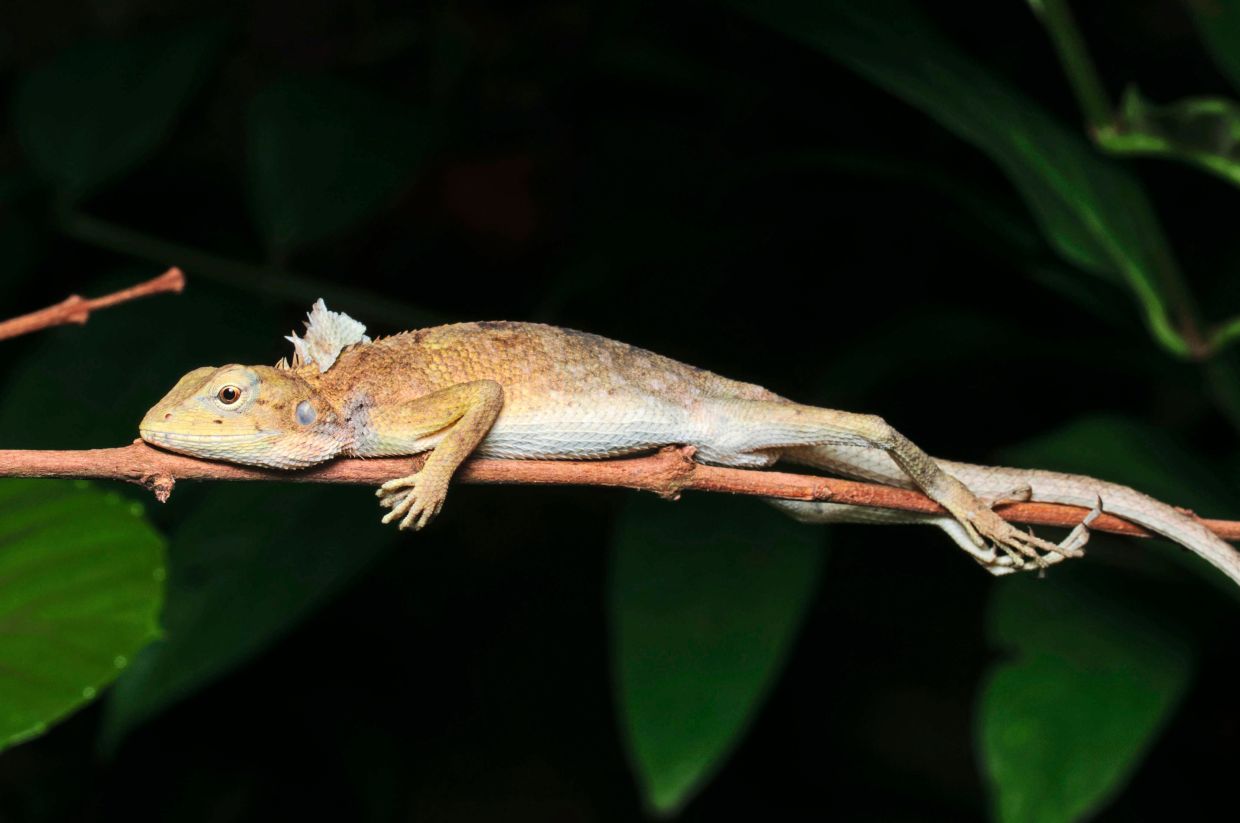
Our forests brim with frogs, skinks and geckos – many of which stay surprisingly calm if you approach slowly.
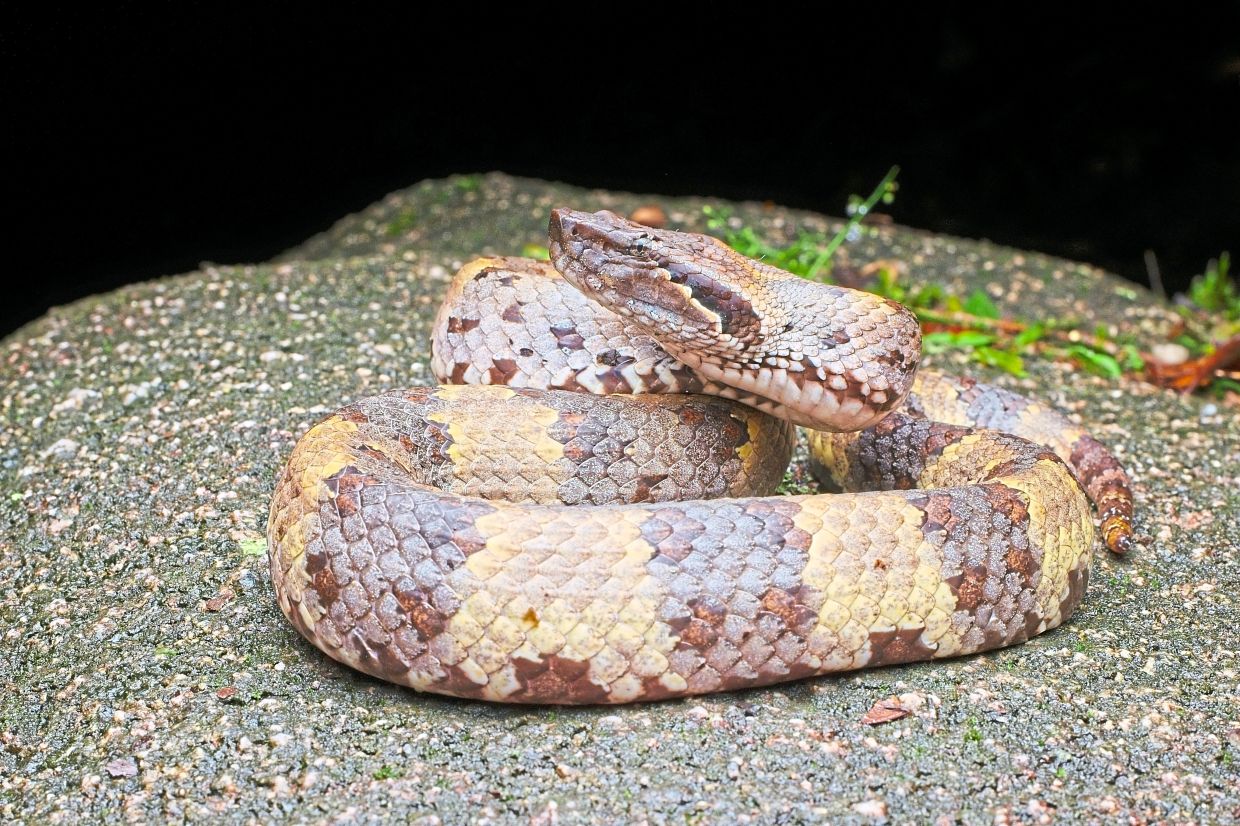
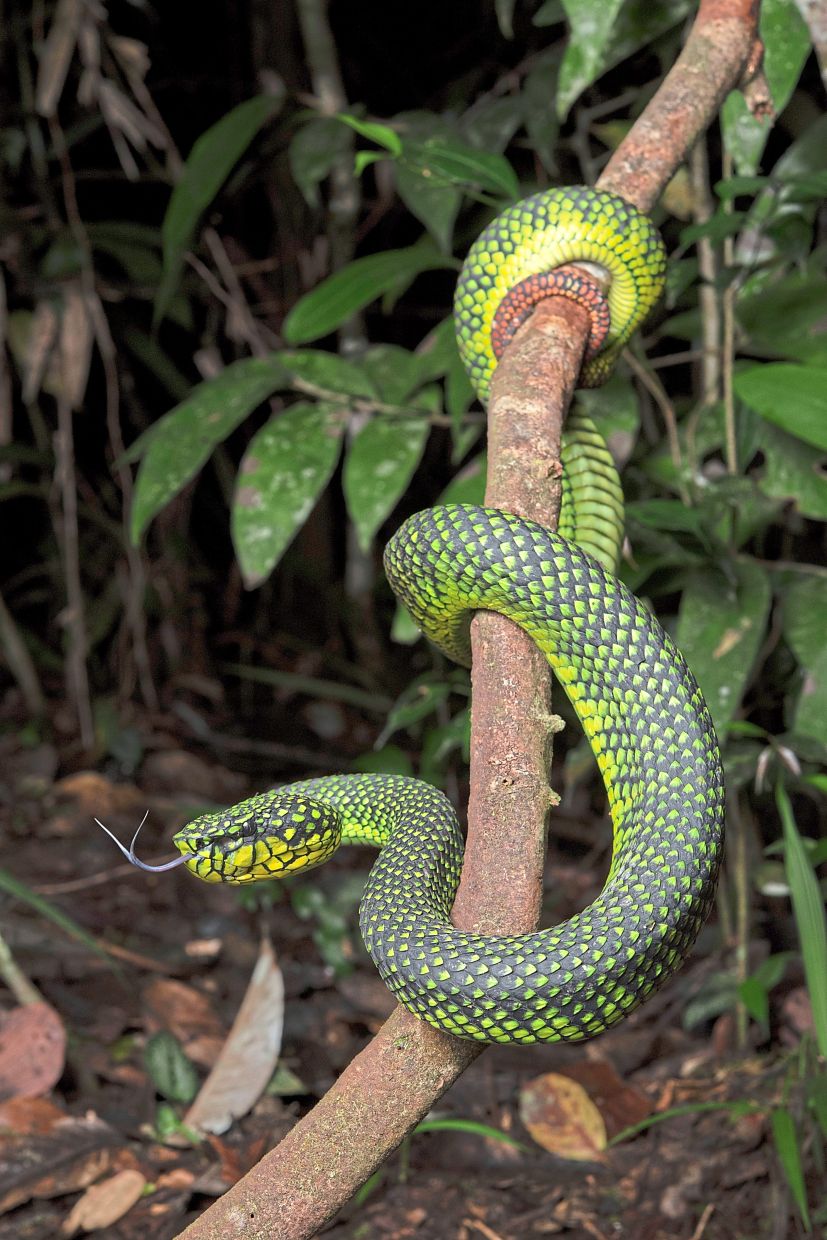
Some sit so still that you can crouch beside them, taking in details you never noticed before: the rings of colour inside a frog’s eye, the tiny speckles along a gecko’s skin, or the delicate scales of a small snake resting quietly and minding its own business.
This quiet thrill – seeing creatures up close, without disturbing them – is what keeps people hooked.
You don’t need fancy gear to start.
A basic camera or even a smartphone with a macro lens or macro mode works well.
A flash or constant light helps bring out the colours that disappear into the nighttime gloom, and many photographers use simple DIY diffusers made from plastic or foam to soften the light and improve depth.
The most essential piece of equipment, however, is a headlamp. Having both hands free makes a world of difference when focusing on a frog sitting on a slippery branch or a gecko tucked against a tree trunk.
A comfortable pair of shoes is equally important – expect mud, rocks and plenty of uneven terrain.
The golden rule: avoid touching the animals. Some can be poisonous, some will bite when picked up, and all are best photographed exactly where they are.
Keeping the scene natural not only protects the animal but also produces more compelling, honest images.
Herp photography is growing quickly in Malaysia, especially among younger nature enthusiasts who want a low-pressure way to explore the outdoors.
You don’t need to chase elusive mammals or rare birds. You simply walk slowly, listen closely and look carefully.
Many are surprised by how many reptiles and amphibians they’ve never noticed before.
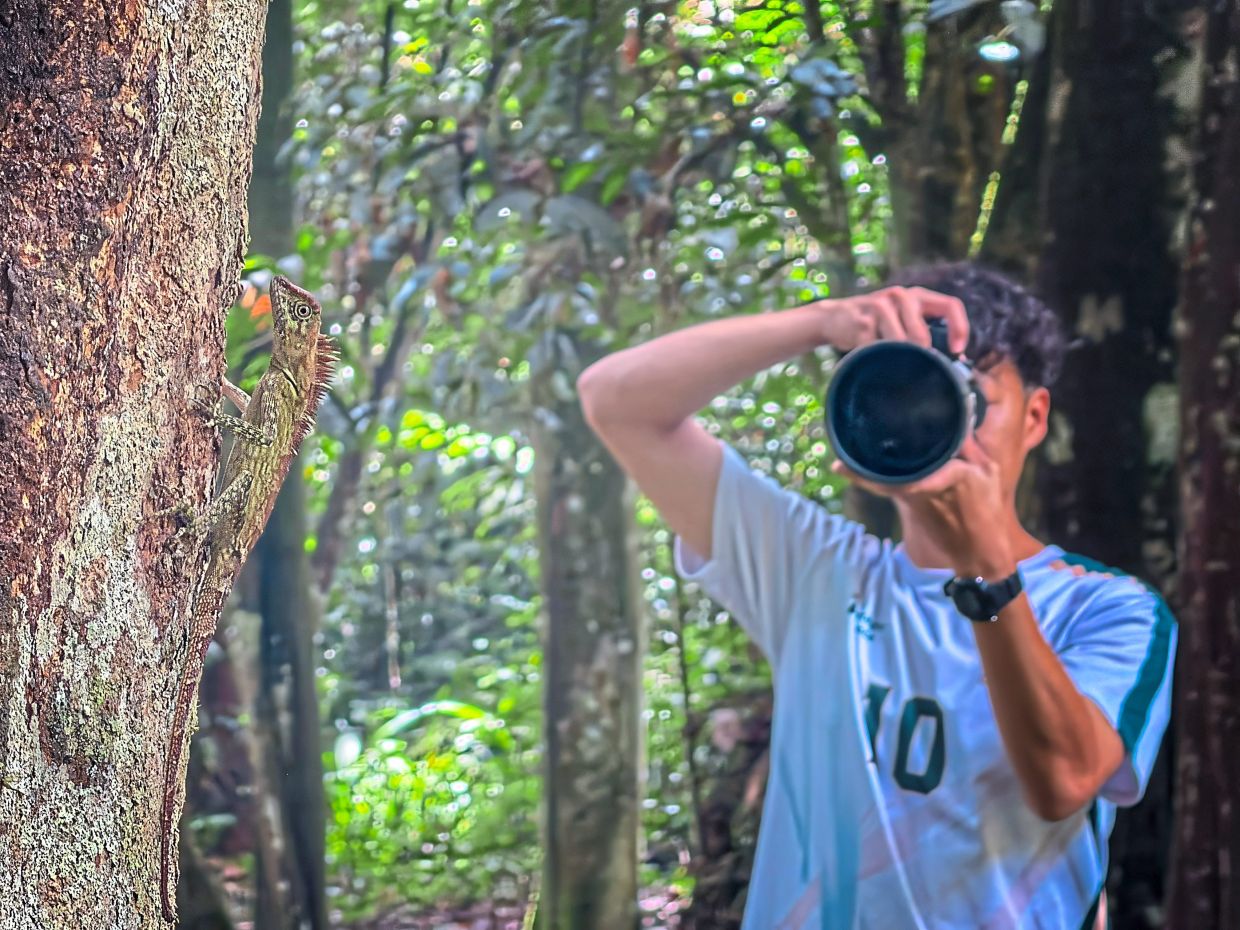
The hobby fits easily into anyone’s routine. There are no strict rules and no special timing required. It can be done in a nearby forest reserve, along a park trail or even in a well-vegetated urban area.
As long as you’re observant, there is always something to find.
For those craving a bit more adventure, guided night walks with experienced nature guides offer an added layer of discovery. These outings often reveal rare or perfectly camouflaged species that would be almost impossible to spot alone.
Guides know the microhabitats – where certain frogs perch after rain, where geckos tuck themselves away, where a harmless tree snake might settle for the night.
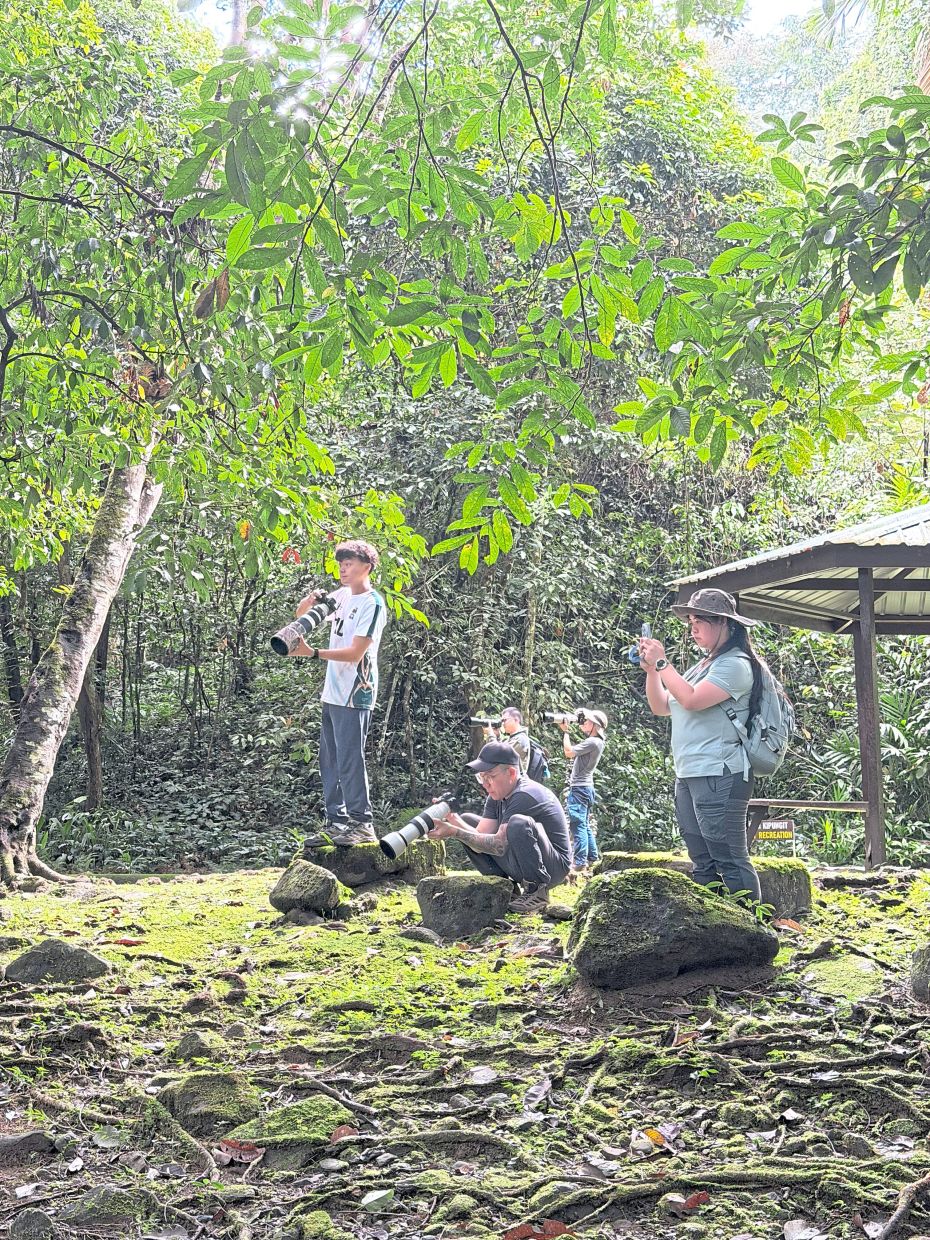
The magic of herp photography lies in the unpredictability.
No two nights in the forest are alike. Each walk offers a new encounter, a species you’ve never seen, or a familiar one framed in a new light.
And that sense of discovery – small, quiet, personal – keeps people coming back.
NOTE: Steven Wong is a professional nature guide. He can be contacted on Instagram under @Steven_wong_45