
Tucked in northern Kelantan, Dabong is a town that moves at its own pace.
Drive along state road D231, and wooden homes drift past, with locals waving in quiet welcome.
Follow this stretch toward Gua Ikan, or Fish Cave, and a modest dirt path leads through low bushes to the cave entrance – unassuming, tucked behind vines and trees, a natural secret of the limestone landscape.
The cave is not famed or heavily promoted. It carries no postcard-perfect promise. It is simply there, known to locals without fuss.
Its name comes from a fish-shaped rock formation near the entrance, accompanied by a folk tale of a magical fish that slipped into the cave generations ago, giving the site a gentle, mystical charm.
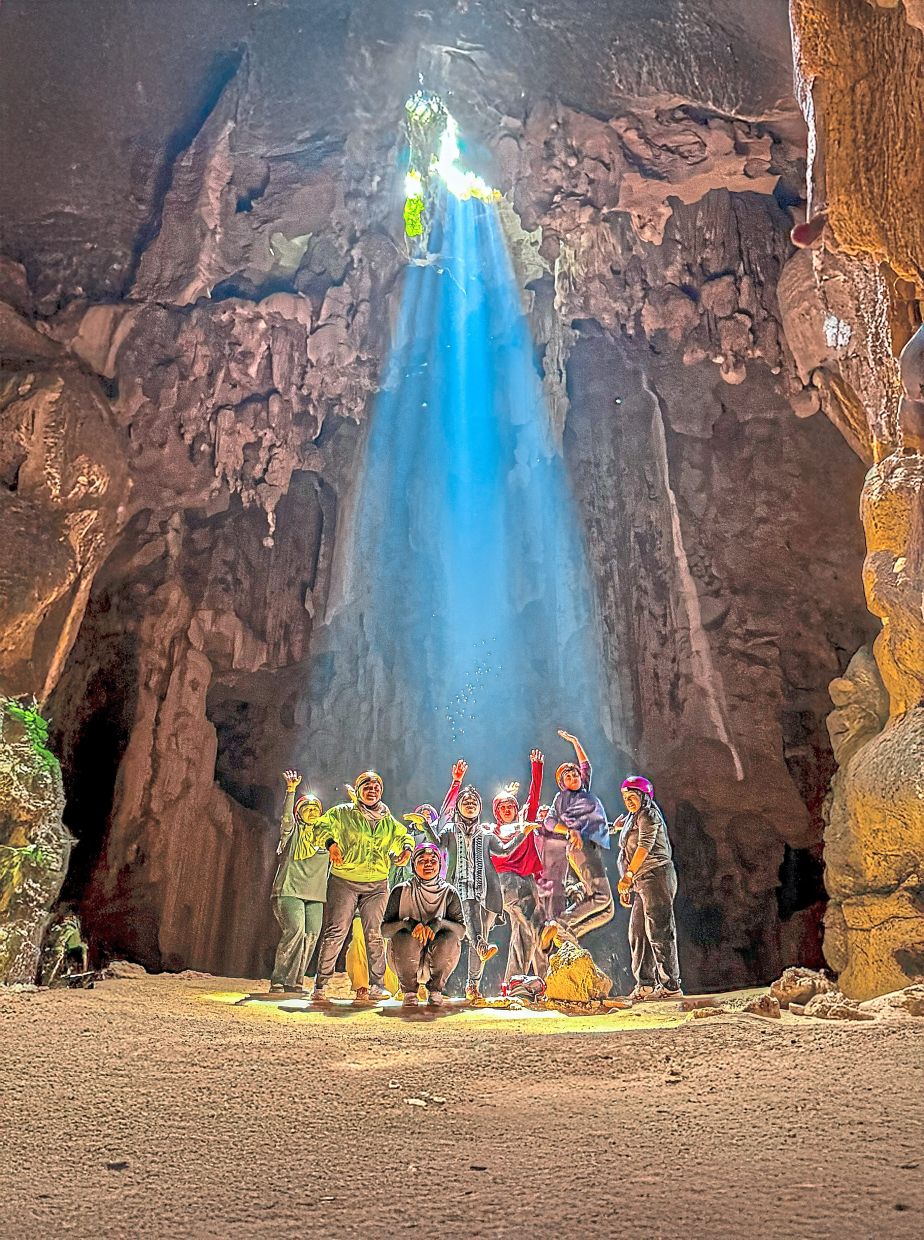
Step inside, and the cave’s stillness contrasts with the forest outside. A natural airflow rustles through, carrying the scent of limestone and damp soil.
Gua Ikan is unpretentious: a few chambers, including Gua Kelawar, Gua Pagar, and Gua Keris, linked by natural openings and tight passages.
A torch is essential; darkness quickly swallows the corners, revealing smooth surfaces, rough textures, and water-carved pools and ridges.
Somewhere above, a bat shifts, a reminder that life persists quietly in the shadows.
The charm lies in its simplicity. There are no walkways, lights, or directional signs.
Paths are chosen instinctively: passages that look tight are avoided, chambers that intrigue invite exploration.
In one corner, the rock might resemble a fish’s head – perhaps the origin of its name – but such details are incidental. Gua Ikan captivates because it has quietly existed for ages, largely unnoticed.
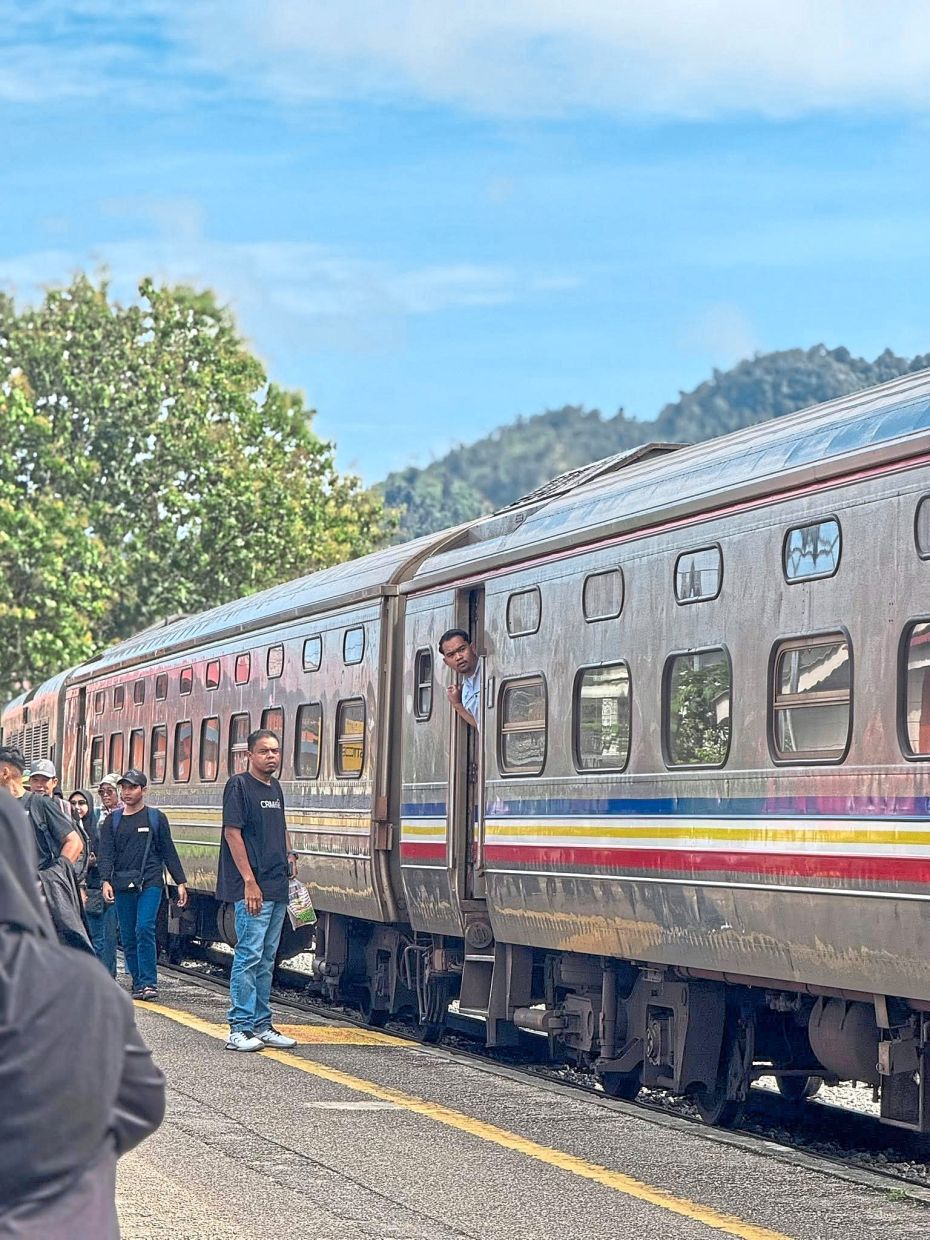
Outside, the forest reclaims your senses. Cicadas call in high, thin notes; birds chirp from the canopy.
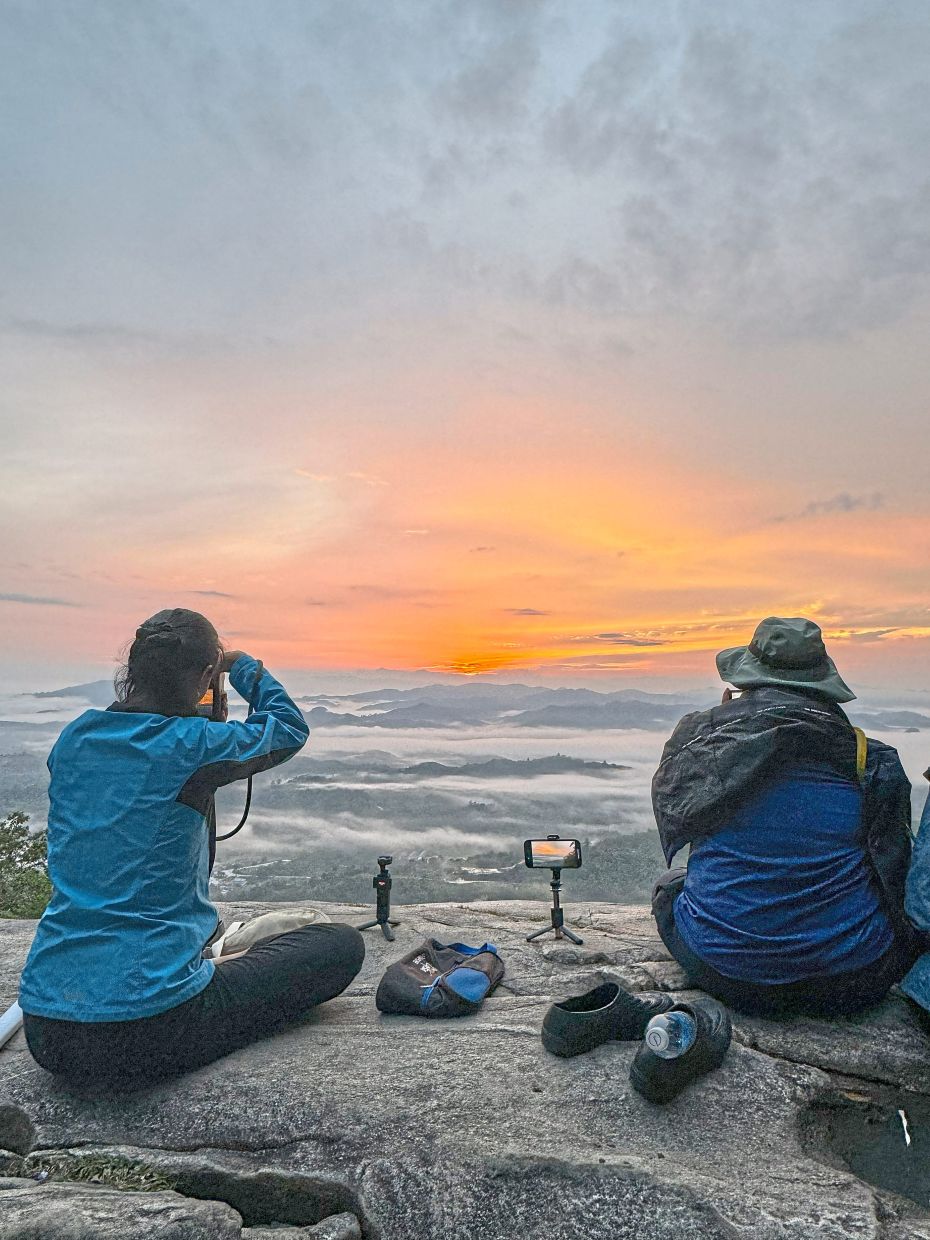
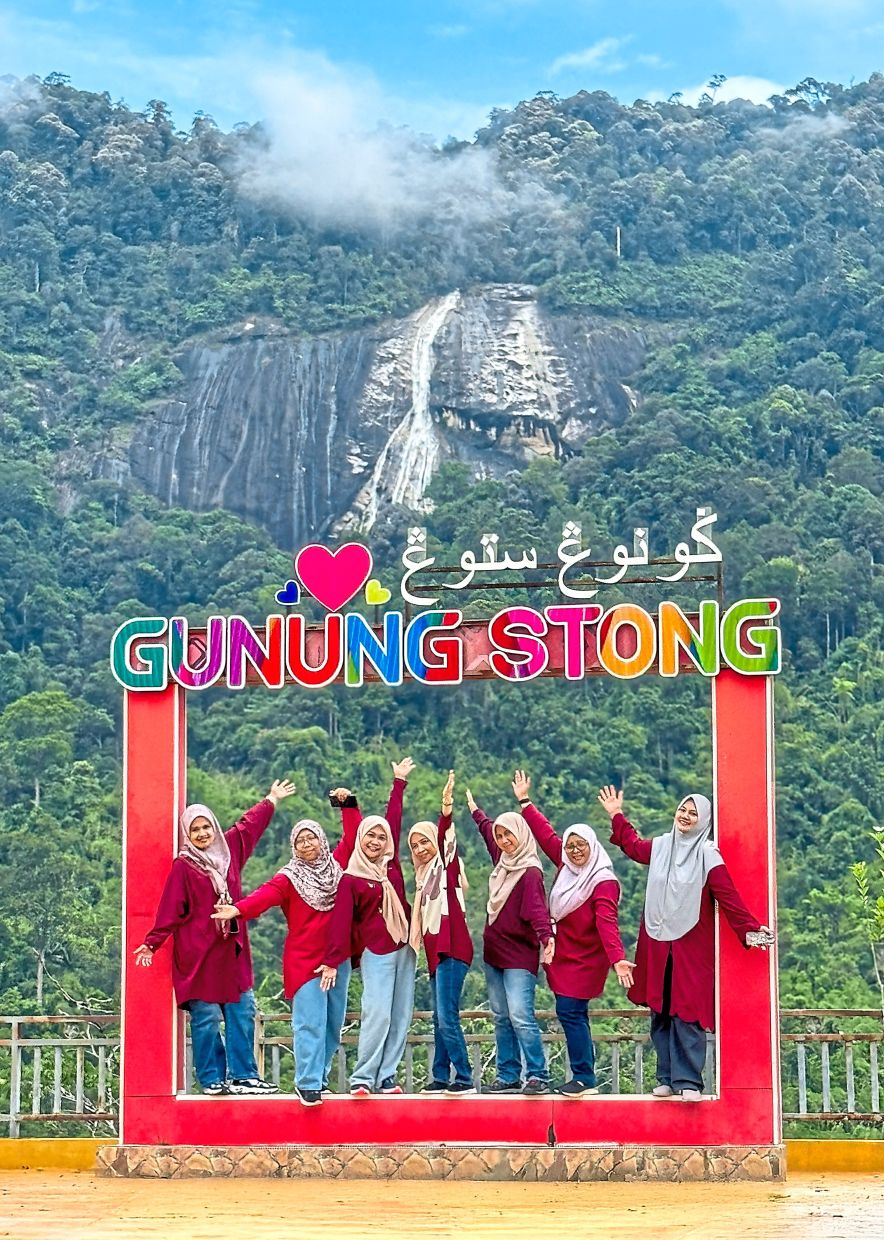
Dabong is also a gateway to other natural attractions: Jelawang Waterfall, one of South-East Asia’s tallest; the climbs of Gunung Stong; and the sunrise vistas at Kem Baha, where a sea of clouds floats low over the valley.
White-water tubing along the local rivers adds a simple thrill – a rubber tube, a helmet and the fast-flowing water weaving through bends and rapids.
For most visitors, Gua Ikan is a curiosity, a side stop along the way. Yet it has its own understated magic.
The cave invites exploration on its own terms, a lesson in slowing down and appreciating the quiet details of the world.
Its raw, unpolished presence mirrors the town itself: uncomplicated, outdoorsy and rooted in its natural surroundings.
The people of Dabong seem to understand this harmony.
Life here feels entwined with the land: the limestone cliffs, the rivers, and the surrounding jungle.
There is no rush, no need for grand gestures or tourist trappings. The town moves to a different rhythm, one that encourages pausing, noticing and simply being.
Gua Ikan, and Dabong as a whole, offers a reminder that not all wonders shout for attention. Some are quietly folded into the landscape, waiting for those curious enough to discover them.
And once discovered, they leave a lasting impression: the kind that lingers long after you leave, echoing in the rustle of leaves, the drip of water in a cave, and the smile of a local passer-by.
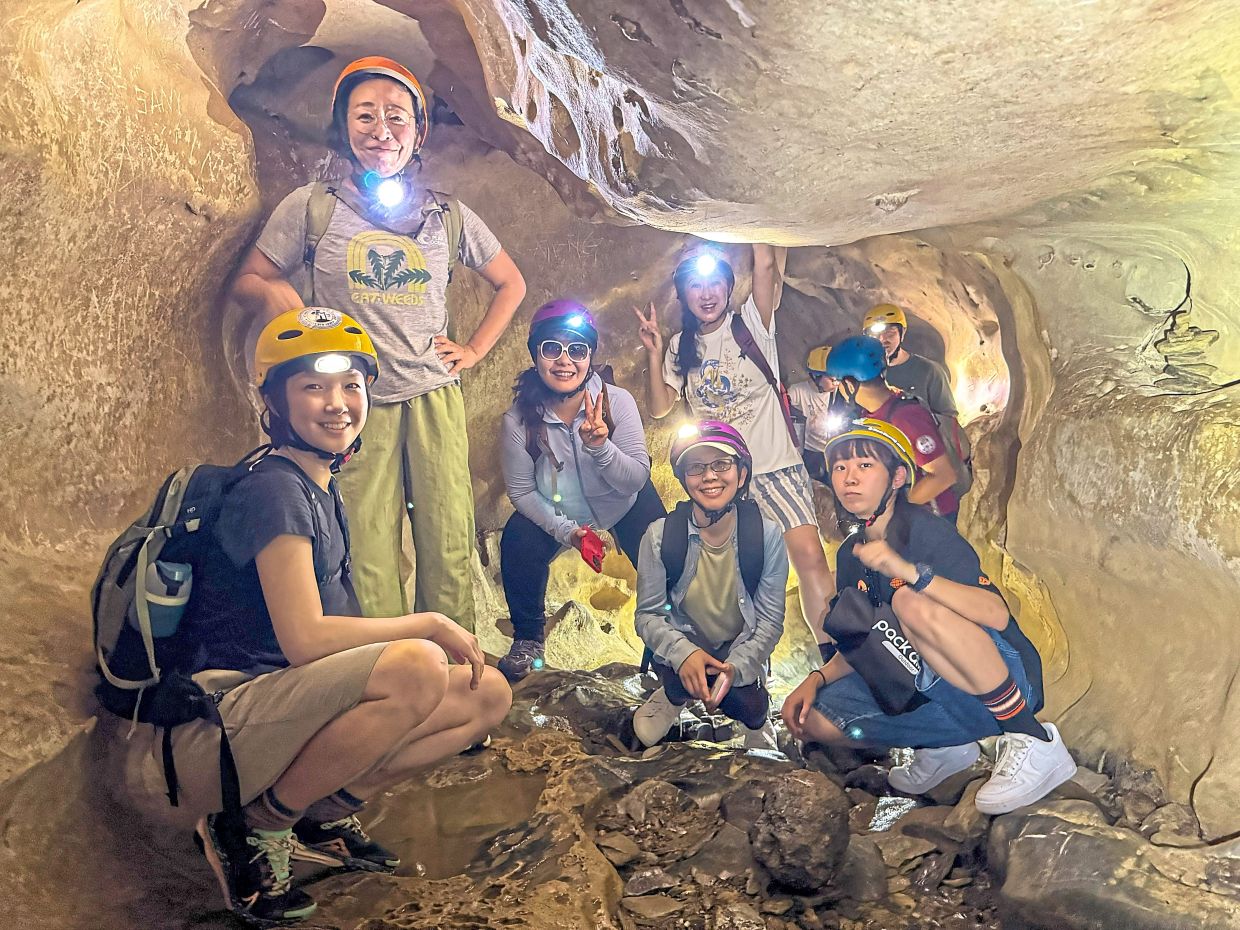
Dabong is small, modest, and largely unknown, yet in its simplicity lies its true appeal.
The town and its hidden cave are invitations to explore slowly, observe carefully, and let the unassuming wonder of northern Kelantan leave its quiet mark on you.