
To the sea or to the mountains? Year after year, this pressing question divides couples and families planning their holidays. But they don’t have to be mutually exclusive – at least not in north-western Italy, where you find both within a short distance.
Liguria and Piedmont offer sea and mountains in a very small area. The trip is also worthwhile from a culinary point of view, with local delicacies between Genoa and Turin all worth a try – if necessary, even on a single plate.
Pesto alla Genovese: Liguria’s most famous dish
The most famous of all Ligurian dishes is pesto alla Genovese or Genovese-style pesto. To make it, olive oil, roasted pine nuts, garlic, sea salt and lots of basil are ground in a mortar to form a creamy pasta sauce. It can be stored in jars for months.
In Liguria, it is best served with trofie, a short, twisted pasta with pointed ends. Pesto alla Genovese is served everywhere, from small restaurants to fine dining establishments in the luxury hotels of Portofino.
The former fishing village, which clings to steep slopes in a tiny bay east of Genoa, is a jet-set hotspot. The few hotels often charge more than a thousand dollars a night, even though the well-heeled have to share Portofino with hordes of day trippers who come by ferry at the harbour.
The same goes for the passengers of cruise ships, which anchor off the bay like besiegers.
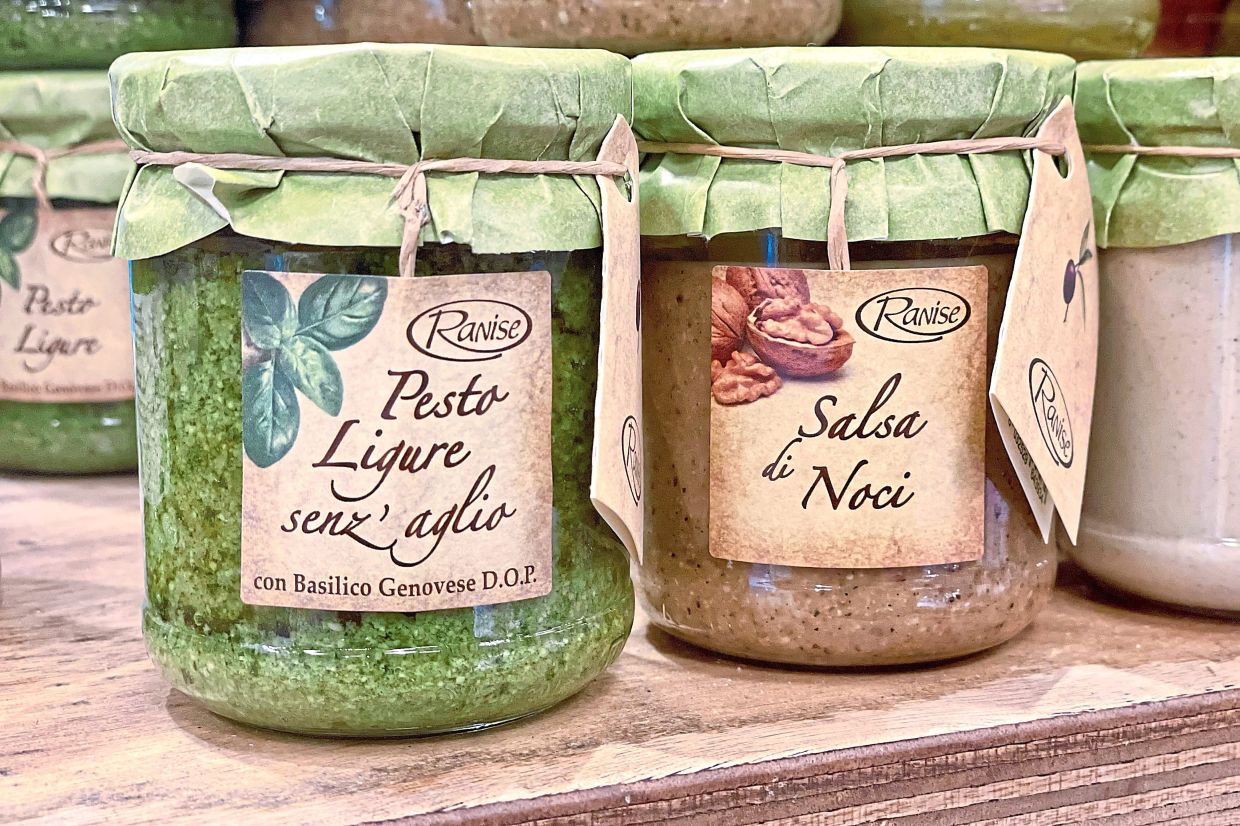
In high season, the hustle and bustle is such that the municipality felt compelled to impose “no loitering” restrictions on photo locations. Prohibition signs at the harbour and in the piazza with its pastel-coloured houses urge tourists to move on quickly. It’s better to sit down in one of the not-so-cheap restaurants and watch the hustle and bustle while enjoying pasta alla Genovese.
Fritto misto: Best straight from the boat
Fritto misto – basically deep-fried stuff, typically seafood – is Italian soul food par excellence.
In Santa Margherita Ligure, a relaxed harbour town right next to Portofino, this year-round classic is available straight from the water.
A fishing boat is moored at the quay, where small fish, prawns and squid are fried in hot oil and served with lemon slices.
The fritto misto from the sea is easier to enjoy at a lido. With sun loungers and parasol hire, a bar and a small restaurant, the lido is the epicentre of Italian beach life.
In Santa Margherita, several line the wide promenade that separates the old town from the harbour.
Pesce alla Ligure: Simple and delicious
Pesce alla Ligure is also a classic and actually quite simple, though even gourmets rave about it due to the freshness of the fish and the sun-kissed ingredients.
At the Trattoria del Porto in the harbour of Santa Margherita Ligure, the Ligurian fish dish is served in the classic style.
Small potatoes, tomatoes, pine nuts and Taggiasca olives accompany a briefly-seared fish fillet. The small black olives come from the Ligurian coast and are particularly aromatic.
Try a Vermentino as a wonderful accompaniment. This dry, fruity white wine, often with a minerality reminiscent of a salty sea breeze, is Liguria’s flagship wine.
However, it cannot compete with the great wines of the neighbouring province of Piedmont.
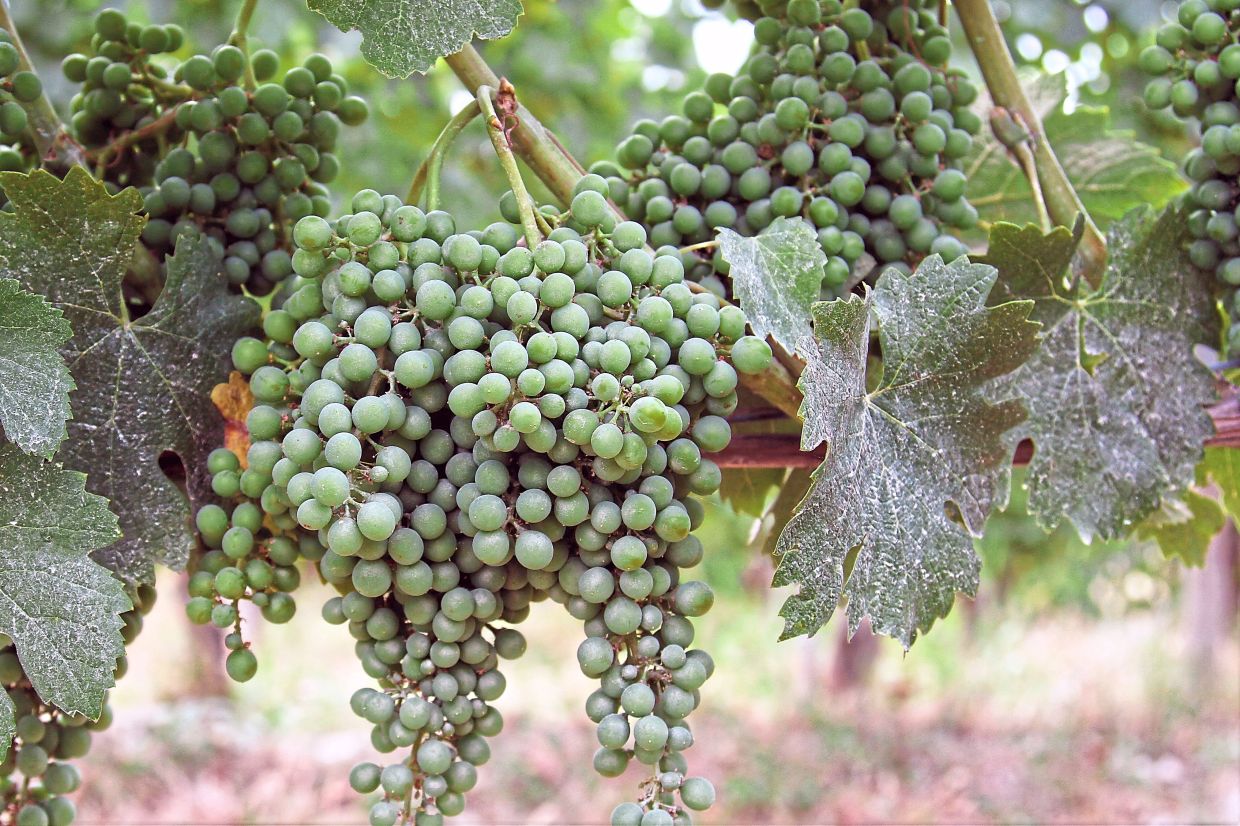
Barolo: Nebbiolo grapes and Michelin-starred cuisine
Competition is fierce with the wines produced around the eponymous village of Barolo in neighbouring Piedmont. Barolo is the heart of the Langhe region, which produces complex red wines from the Nebbiolo grape.
These are among the best and most expensive wines in the world.
The gently rolling hills around the village are covered with vines. The smallest plots in the top Cannubbi vineyard are worth hundreds of thousands of euros. Countless wineries cluster around Barolo.
One of the youngest is the Mura Mura estate of the Relais Le Marne. Its elegant Barolos are among the rising stars of the wine scene. Apart from boutique hotels such as Le Marne, there are only a few larger resorts in the Langhe, such as Il Boscareto Resort & Spa.
The hotel is home to La Rei Natura, one of the best restaurants in Piedmont, led by Chef Michelangelo Mammoliti. The restaurant has been awarded two out of three stars by the Michelin Guide.
Del plin pasta: Hearty fare from Piedmont
Alongside Michelin-starred cuisine, the Boscareto Resort also offers traditional fare at the Sunsi Bistrot. Chef Alessandro Capalbo focuses on hearty Piedmontese specialities such as risotto and pasta.
“I love making pasta,” says Capalbo. “Especially the typical del plin pasta with its pressed dough pockets at the ends.”
“Plin” means “pressed” in the regional dialect.
“In autumn, they are fantastic with a game filling,” says Capalbo. It is served with a creamy sauce called sugo.
Alba truffles: The highlight of Piedmontese cuisine
The only thing that makes gourmets’ mouths water even more is the white Alba truffle. When the vines have been harvested and the leaves are changing colour, a magical time begins.
Then the locals set off with truffle dogs to dig up the tubers hidden deep in the root system of trees.
The locations where they are found are guarded like family secrets. At the Fiera Internazionale del Tartufo Bianco Alba (an international truffle fair in Alba), this year until Dec 8, tubers go under the hammer for several thousand euros per kilogram. Gourmets from all over the world make a pilgrimage to the fair.
“Truffle dishes are on the menu everywhere,” says Giovanni Chiera, who accompanies culinary bike tours.
This is also the case at the Borgo Sant’Anna restaurant near Monforte d’Alba. Star chef Pasquale Laera may come from southern Italy, but Piedmont has been his home for 20 years. “I was immediately fascinated by the traditional dishes of Piedmont. And, of course, the truffles.”
Mare & Monti: Best of the sea and mountains
Laera enthuses about spaghetti Mare & Monti, meaning sea and mountains. That means prawns often combined with porcini mushrooms from the mountain forests.
But creativity knows no limits. You can also often find mussels or fish fillets as the seafood component.
You can find the mountains on your plate in the form of vegetables or even meat. With its unusual combination of maritime and alpine ingredients, Mare & Monti represents the region between the sea and the mountains like no other dish. – BERNHARD KRIEGER/dpa