You don’t arrive in China’s Jiuzhaigou, you drift into it.
One coffee and a boarding pass ago you were in Chengdu – hotpots, pandas, Meituan scooters buzzing like hornets. Then the road starts to climb. Highway glass turns to mountain bone. The air sharpens.
Somewhere after the last service station, faces change. Red cheeks, headscarves. Chinese characters on the signboards give way to looping Tibetan script. Prayer flags multiply, snapping in the wind.
You’re still in the Sichuan province, hundreds of kilometres from Nepal, but culturally you’ve slipped into a Himalayan limbo – more Lhasa, Tibet than Beijing; more yak than pork dumpling.
There’s no border here, only a fade. The buildings grow woodier, roofs sprout horns, and stalls sell yak meat drying on racks beside steaming pots of butter tea. You’re not in a new country, just a higher version of the same civilisation.
Jiuzhaigou – known as the valley of nine villages – honours the nine Tibetan settlements that still cling to its slopes. A Unesco World Heritage Site and Biosphere Reserve about 400km north of Chengdu, the Jiuzhai Valley National Park covers 720sq km of alpine forest, lakes, and snow peaks that rise beyond 4,500m.
It’s home to more than a hundred multi-coloured lakes so clear they look digitally enhanced. The new expressway cuts travel time from Chengdu to under six hours, but take the drive – the journey is the point. Watch China melt and re-form through your windscreen.
Water learns new colours
You step onto the boardwalk.
The first lake looks harmless enough – soft jade green – but a few steps later it turns turquoise, then cobalt, until it feels like staring into liquid sapphire. Fallen trunks lie visible on the lakebed in perfect detail, every branch preserved in suspended clarity.
Locals call Five Flower Lake the pride of the park. On a clear day, you’ll see blue, green, yellow, and amber layered in a single frame. The science? Travertine terraces rich in calcium carbonate trap mineral water that refracts light differently at each depth.
Move 10 steps, the colour shifts; a passing cloud rewrites the palette. Autumn throws gold reflections across the water and photographers lose their minds.
For a lens, it’s unfair. Wide angles swallow whole valleys; telephotos pick out ripples, limestone veins, or a lone red leaf floating on electric green. Your histogram begs for mercy.
This isn’t a “weird side trip”, it’s a destination. Around the park entrance are clusters of hotels – from international chains to carved wooden lodges with painted eaves. Rooms range from clean and basic to full heated-floor luxury. Stay two nights minimum: one to wander in awe, another to chase light properly.
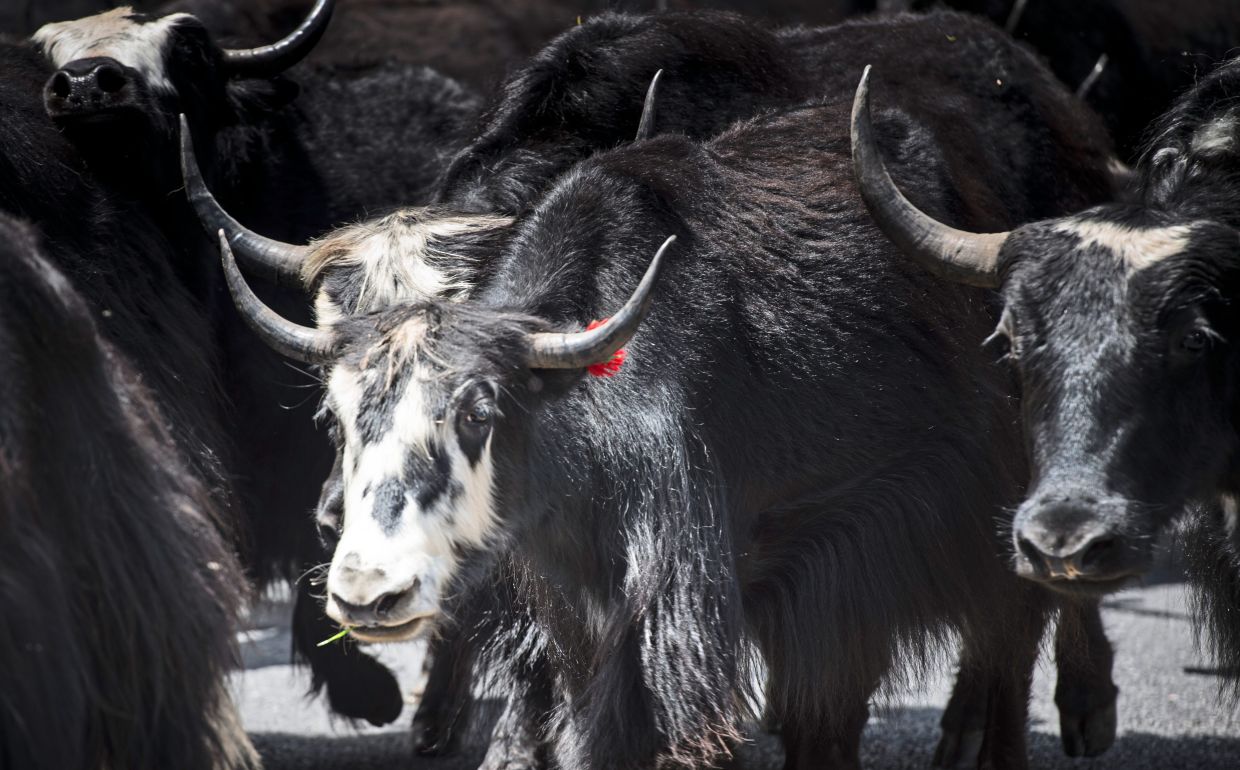
Outside the park, prayer beads share counter space with yak skewers. Try them – lean, gamey, perfect with a bottle of local beer or sweet barley liquor. In colder months, yak-butter tea appears: salty, fatty, strangely addictive, like a Himalayan bulletproof coffee.
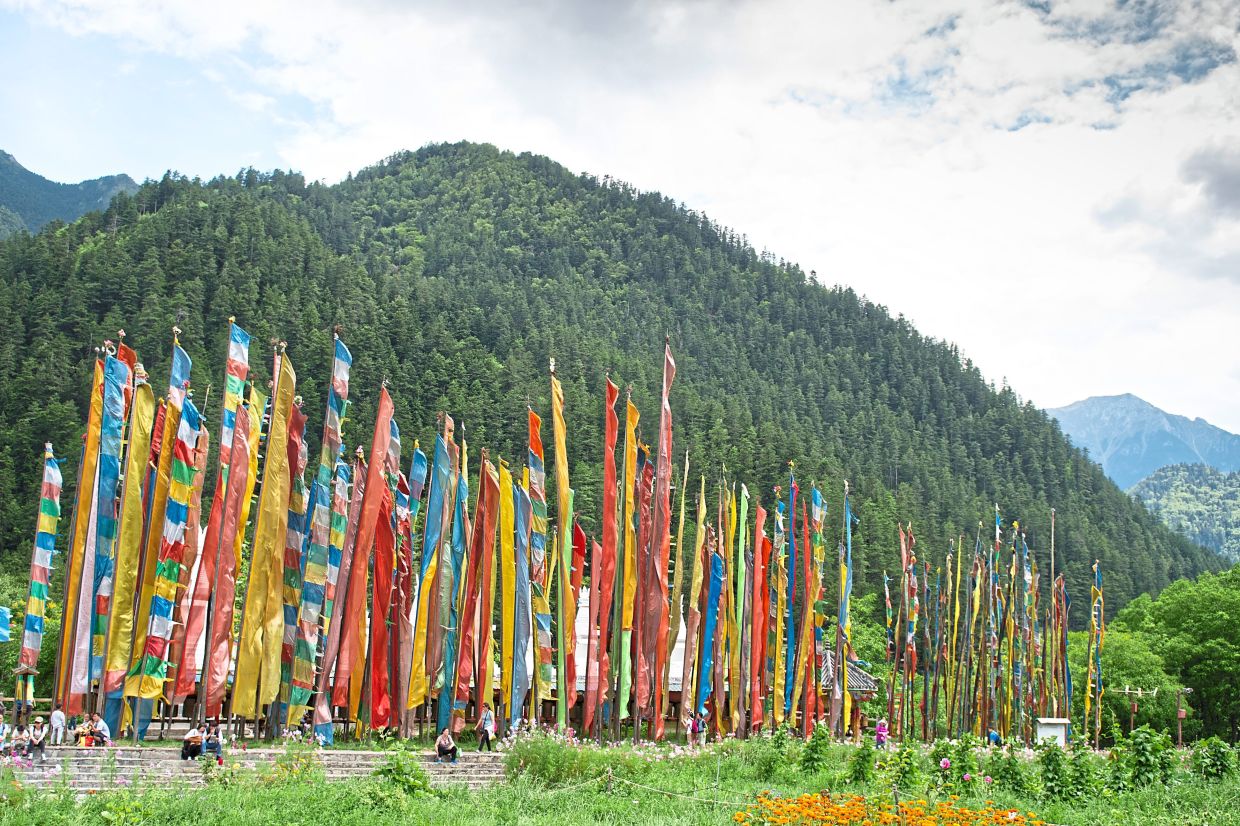
On nearby hills, temples and monasteries wear robes of prayer flags that fade from bright primaries to soft pastels. You hear horns at dawn, see monks queuing for noodles with everyone else. Up here, the sacred and the everyday eat at the same table.
What makes Jiuzhaigou different is the journey itself.
Leaving Chengdu, the land is flat and humid – rice fields, concrete towns, endless hotpot joints. Hours later you’re in Wenchuan and Maoxian, towns rebuilt after the 2008 earthquake. Faultlines in the earth, faultlines in culture.
Qiang villages appear with their stone watchtowers. Further on, you’re technically still in Sichuan, but spiritually you’ve crossed into Tibet.
It’s not “Now Entering Tibet” in big letters – it’s a grandmother spinning a prayer wheel beside a petrol pump, a driver switching from Mandarin to Tibetan, the wool on jackets getting thicker, the cheekbones sharper. Nepal, Ladakh (India), and Lhasa echo quietly through one Chinese province.
You notice. You photograph. And you don’t over-explain. The beauty’s in the fade.
You could spend your next holiday ticking off another capital city, another rooftop bar, another overpriced tasting menu.
Or you could stand on a wooden walkway in north-eastern Sichuan, breath fogging in the cold, watching a lake turn from jade to turquoise as the sun shifts behind a cloud.
Eat yak stew in a town where prayer flags outnumber billboards. Watch a culture change, kilometre by kilometre, without crossing a single border.
Jiuzhaigou isn’t just a pretty postcard. It’s a living reminder that borders are suggestions, that water learns its colours from the sky, and that sometimes the best journeys are the ones where the culture, the light, and you – camera in hand – are all changing at once.
The words expressed here are entirely the writer’s own.
Abbi Kanthasamy blends his expertise as an entrepreneur with his passion for photography and travel.
Travel notes
How to get there: Fly to Chengdu, the nearest international flight hub. From there, take the bus or drive to Jiuzhaigou; or get on the high-speed rail.
When to go: The best time is between April and November, with the May-June and September-October months balancing good weather and fewer crowds; autumn foliage is unreal.
Duration: Minimum two full days in the park, three for photographers.
Camera gear: Wide-angle lens, polariser, light tripod, neutral density (ND) filter if you want that silky-water cliche (you will).
The beauty of Jiuzhaigou
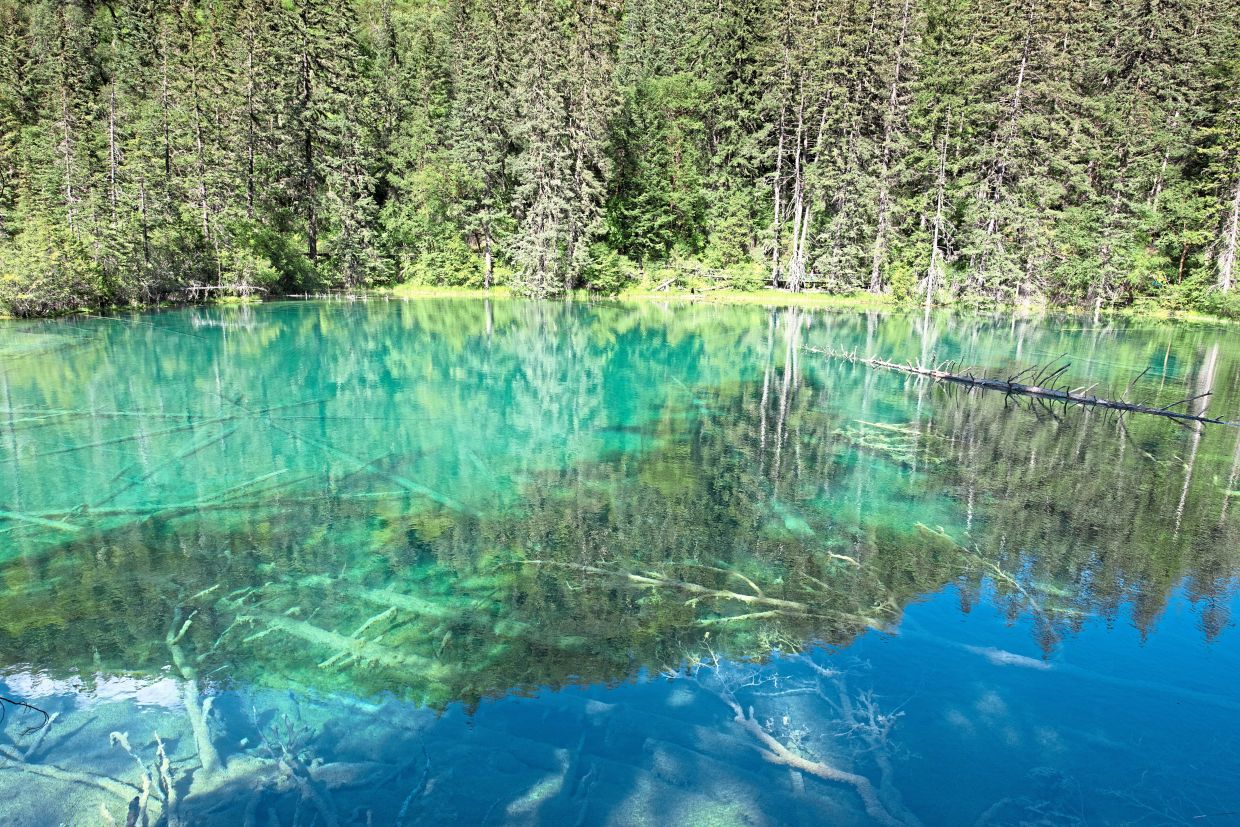
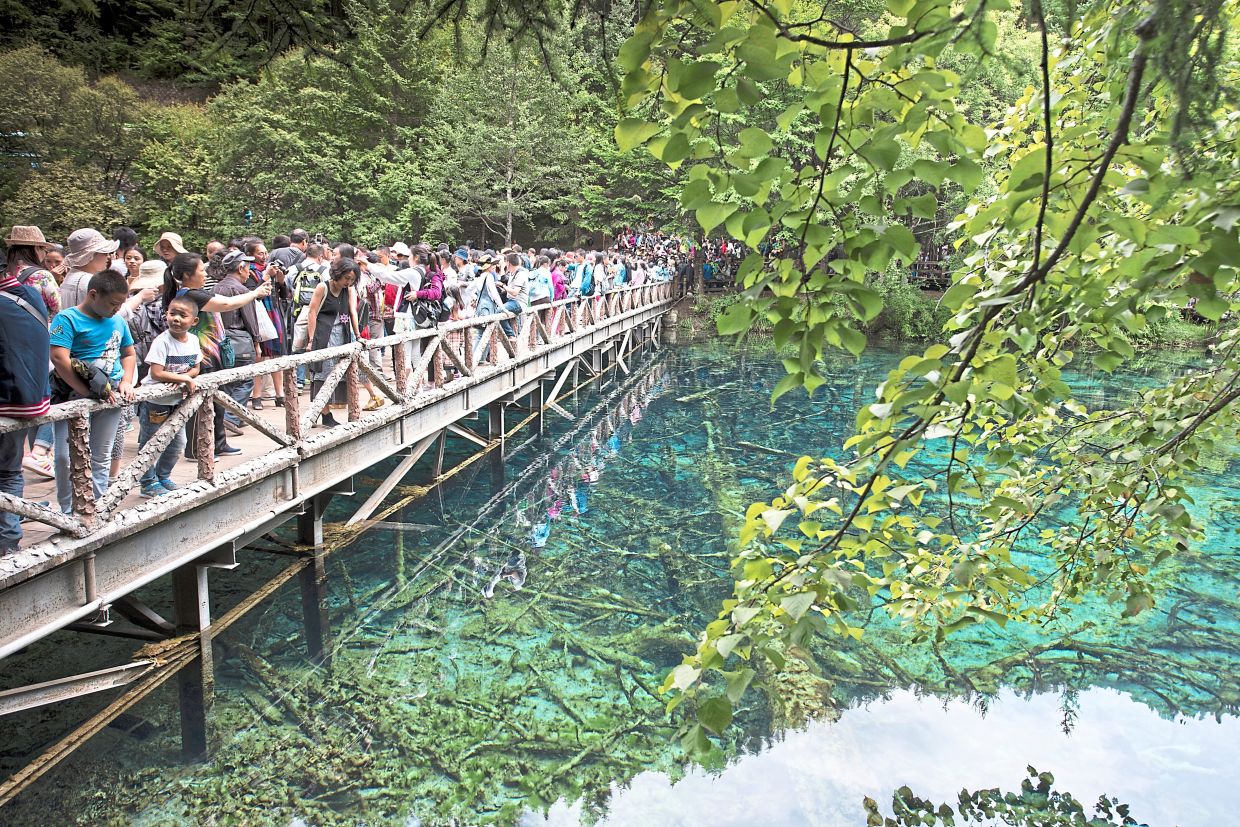
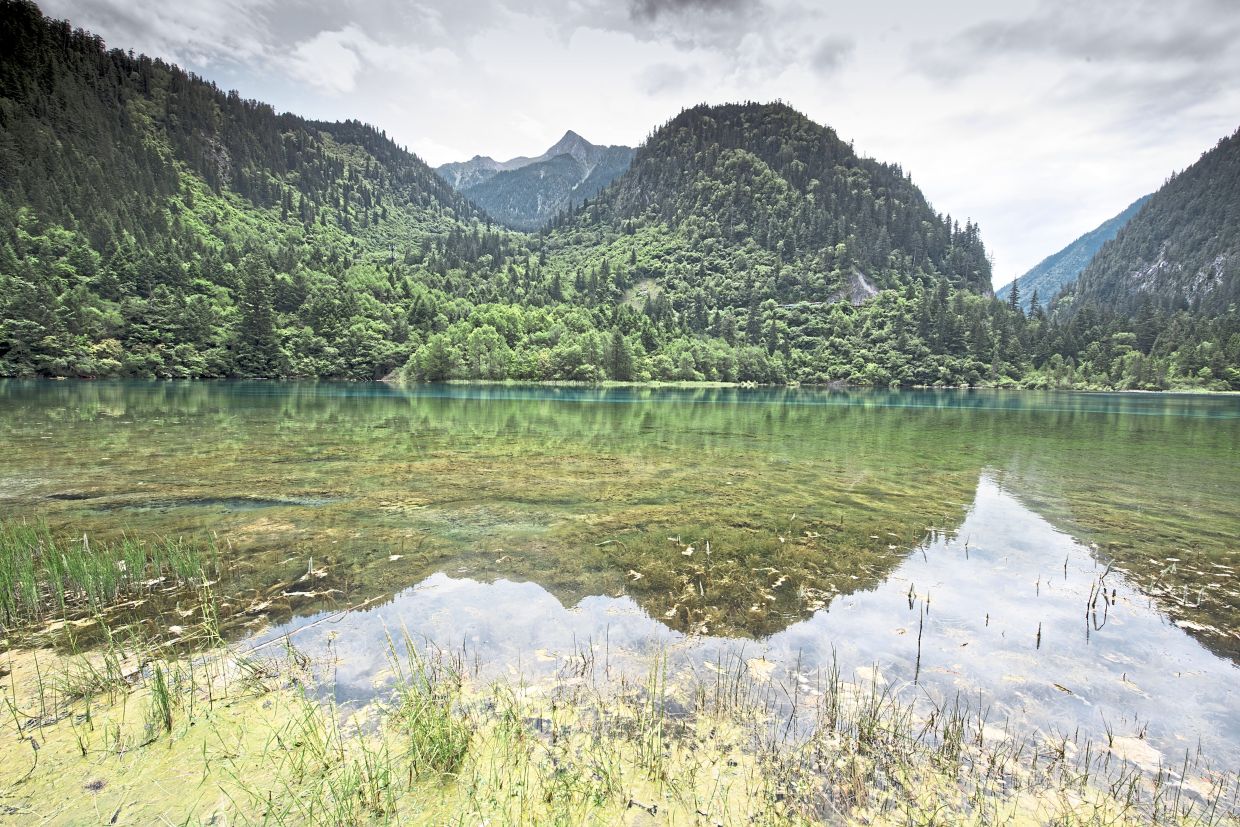
Is it blue? Turquoise? Cyan? Some of the lakes at Jiuzhaigou come in a variety of colours. — Photos: ABBI KANTHASAMY
It tends to get a little crowded at the park, depending on which season you choose to go.
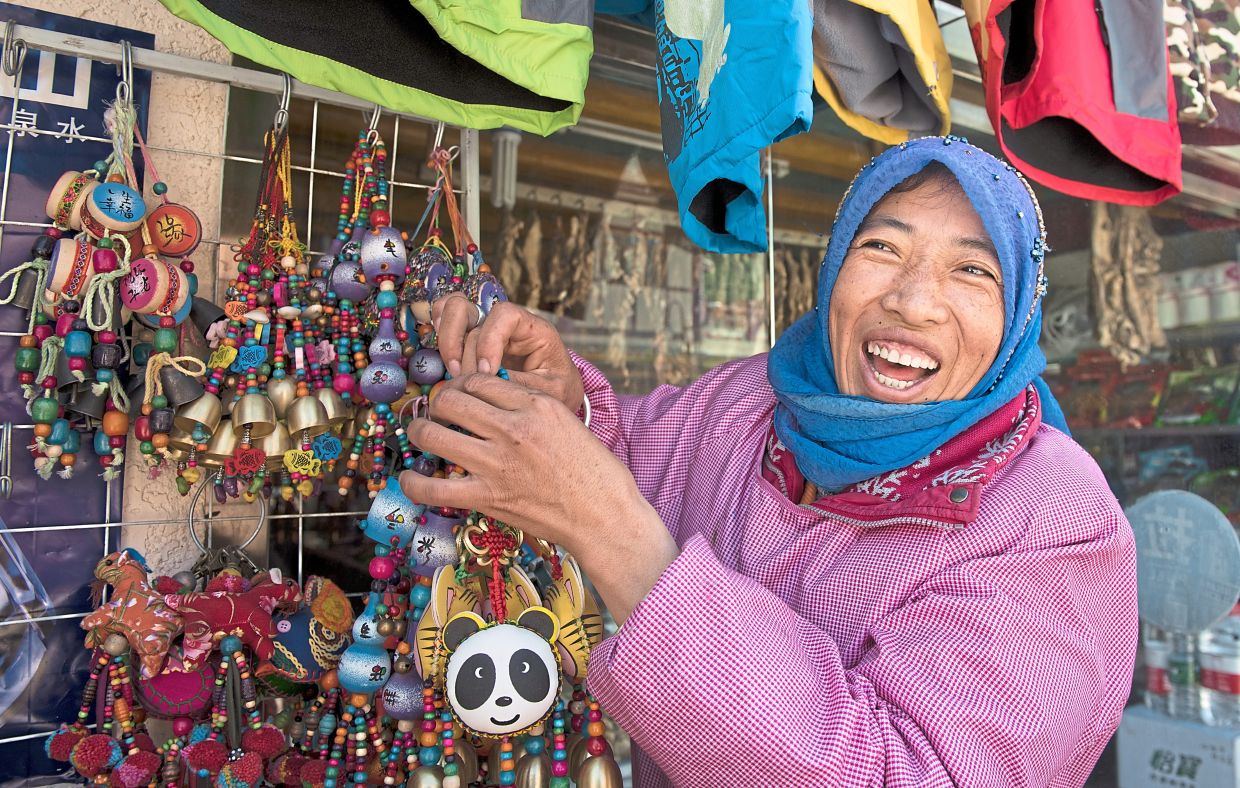
A vendor selling trinkets at the park’s visitors’ centre.
Prayer flags are a common sight in the area.
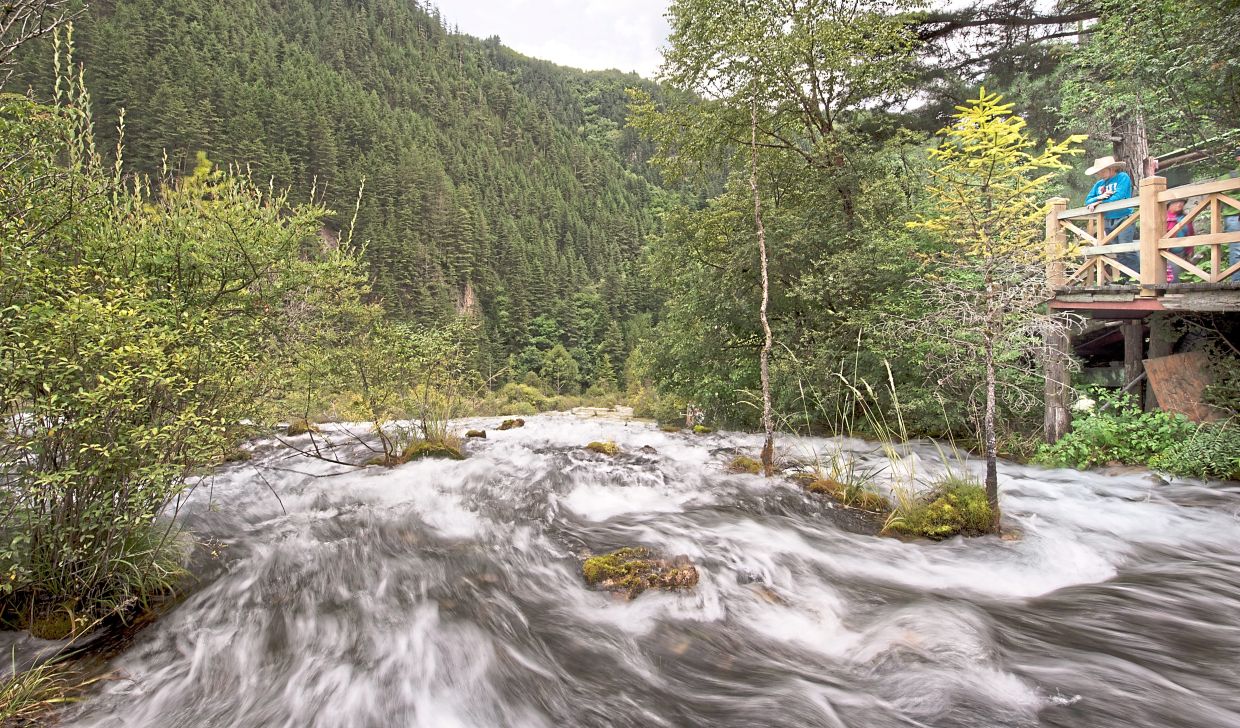
At Jiuzhaigou, the streams flow at a strong pace.
Yaks are traditionally bred for their meat, milk, fur and use in the fields.
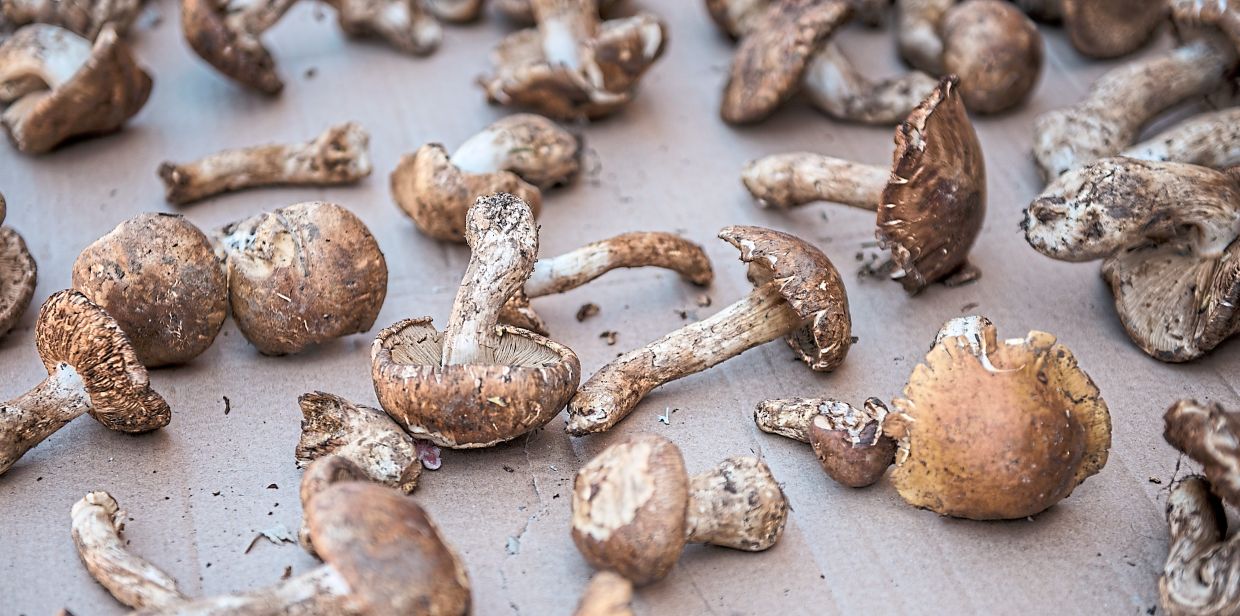
Many types of edible mushrooms are found in Jiuzhaigou.
One of the lakes in the Jiuzhai Valley National Park.