
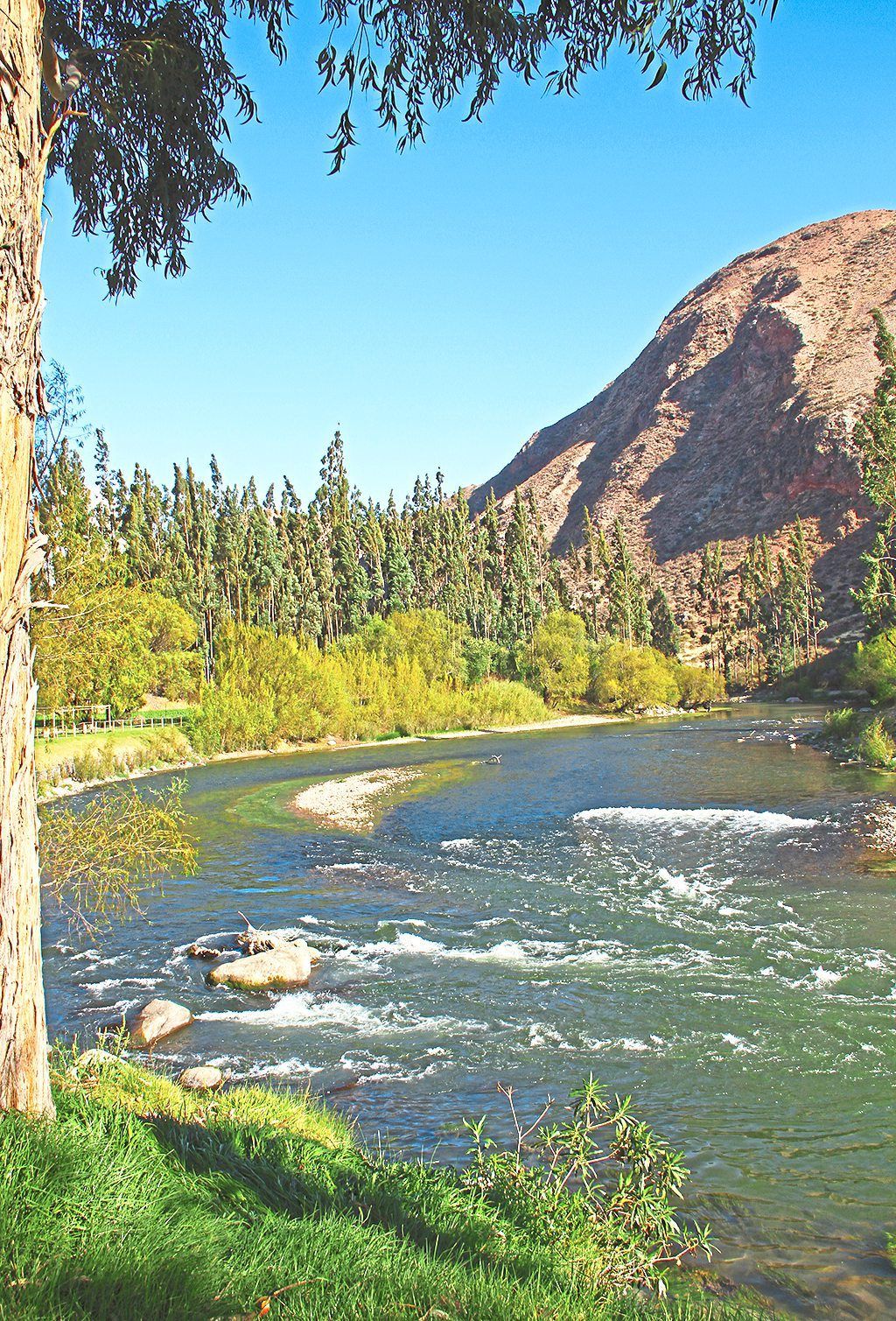
The Sacred Valley, drained by the Urubamba River, is home to rich, fertile soil that has made it a cradle of Peruvian agriculture for centuries. Many vegetables we now enjoy originated in Peru, where endless varieties of potato, corn, and tomato create kaleidoscopic displays in the country’s fresh markets.
Bordered on one side by the towering Andes Mountains, the Sacred Valley is located between Cusco and Machu Picchu, two of Peru’s main tourist destinations.
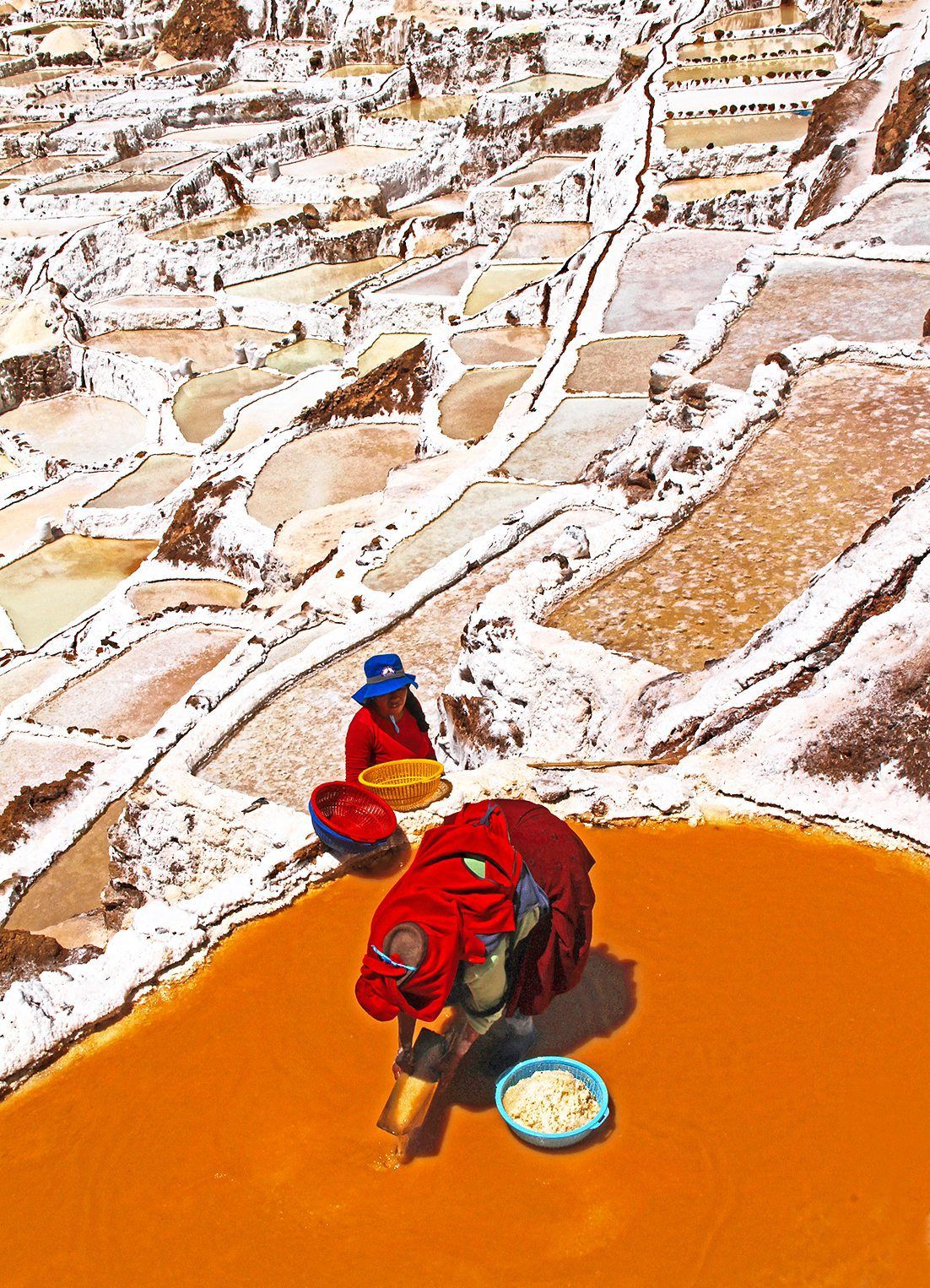
The fertile soil of the Sacred Valley ensured it became the granary of Cusco and surrounding settlements. Salt mining is another important industry in the valley, with the elevated salt ponds of Salineras de Maras (Maras Salt Mines), creating a patterned landscape that lures curious visitors.
The Sacred Valley was part of the vast Inca Empire that flourished until the Spaniards arrived in 1530. This empire extended from modern-day Argentina to southern Columbia and included four main areas, with Cusco as its capital.
Way of life
I have admired textiles for decades, as I find they make great gifts, souvenirs and lasting memories of most journeys I make. Textiles don’t weigh much and take up little space, so when my guide to the Sacred Valley told me of the woman’s cooperative of weavers in Chinchero, I said we must include a stop there on our multi-day visit to the Sacred Valley.
Hand-woven textiles from around Chinchero are globally recognised and the Centro de Textiles Tradicionales del Cusco (Centre for Traditional Textiles of Cusco) supports local village weavers. But the centre’s name is a little misleading, as the village is an hour’s drive from Cusco, the better-known regional capital.
Weavers once produced cloth simply for its utilitarian function, such as clothes, but through the efforts of the cooperative, many women in several villages in the Sacred Valley now enjoy a better standard of living from weaving and selling their cloths.
Age-old techniques have been passed down from mother to daughter for generations, and intricately woven textiles have always been a symbol of status and wealth. The finest weavers were revered and respected by the whole community. Many young Peruvian girls living in rural areas enter the world of weaving through spinning yarn while they stand guard over grazing animals.
Here they appreciate how to spin wool, and as they get older, they learn simple weaving patterns before developing their talent and knowledge with guided practice from older women. Older women not only take on the role of teacher and instructor, but many also enjoy weaving as it is therapeutic and keeps them occupied.
Warp and weft
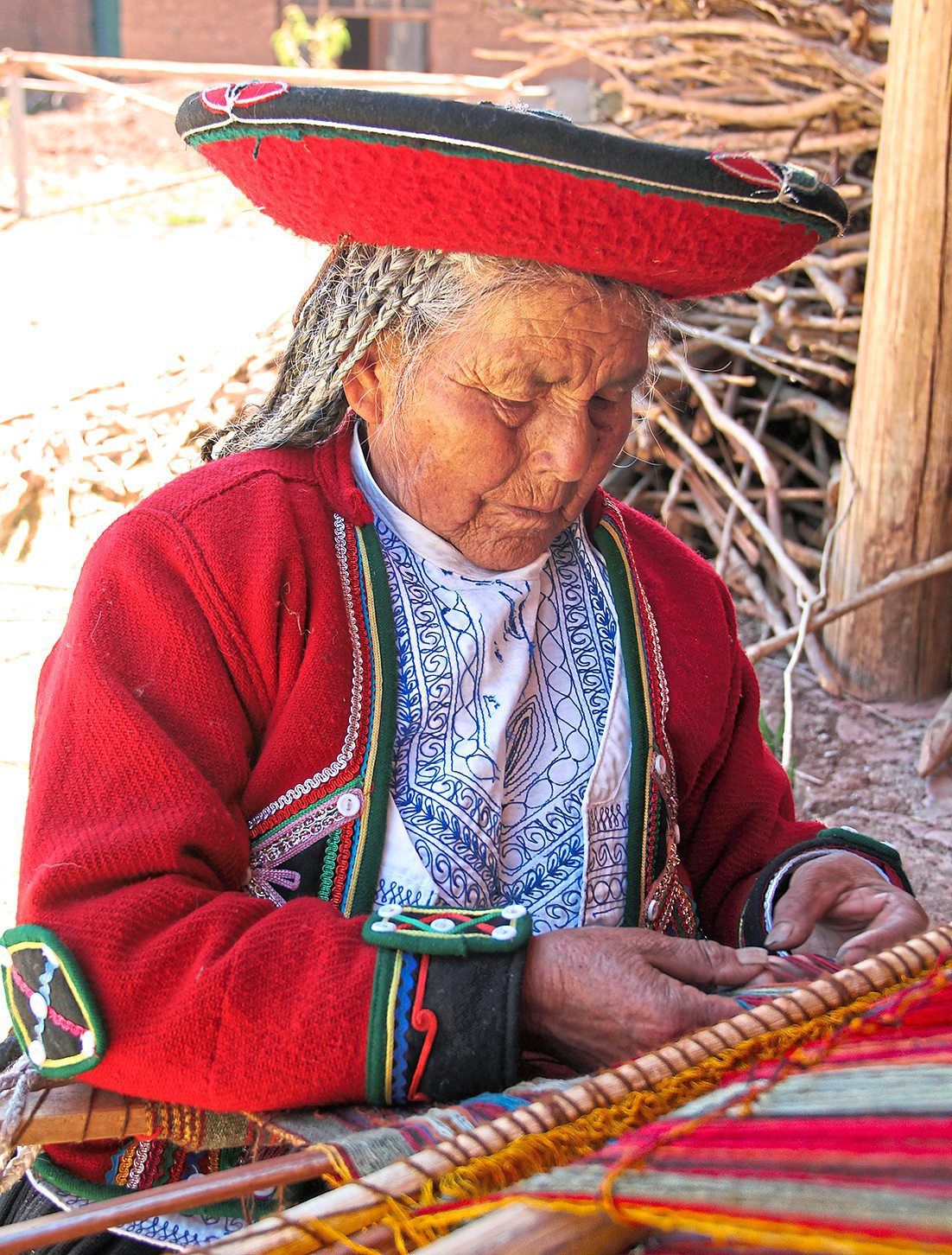
The women in the cooperative, dressed in the traditional clothing of black skirts, round red hats, and embroidered red jackets, demonstrate all the steps involved in creating their intricately patterned textiles.
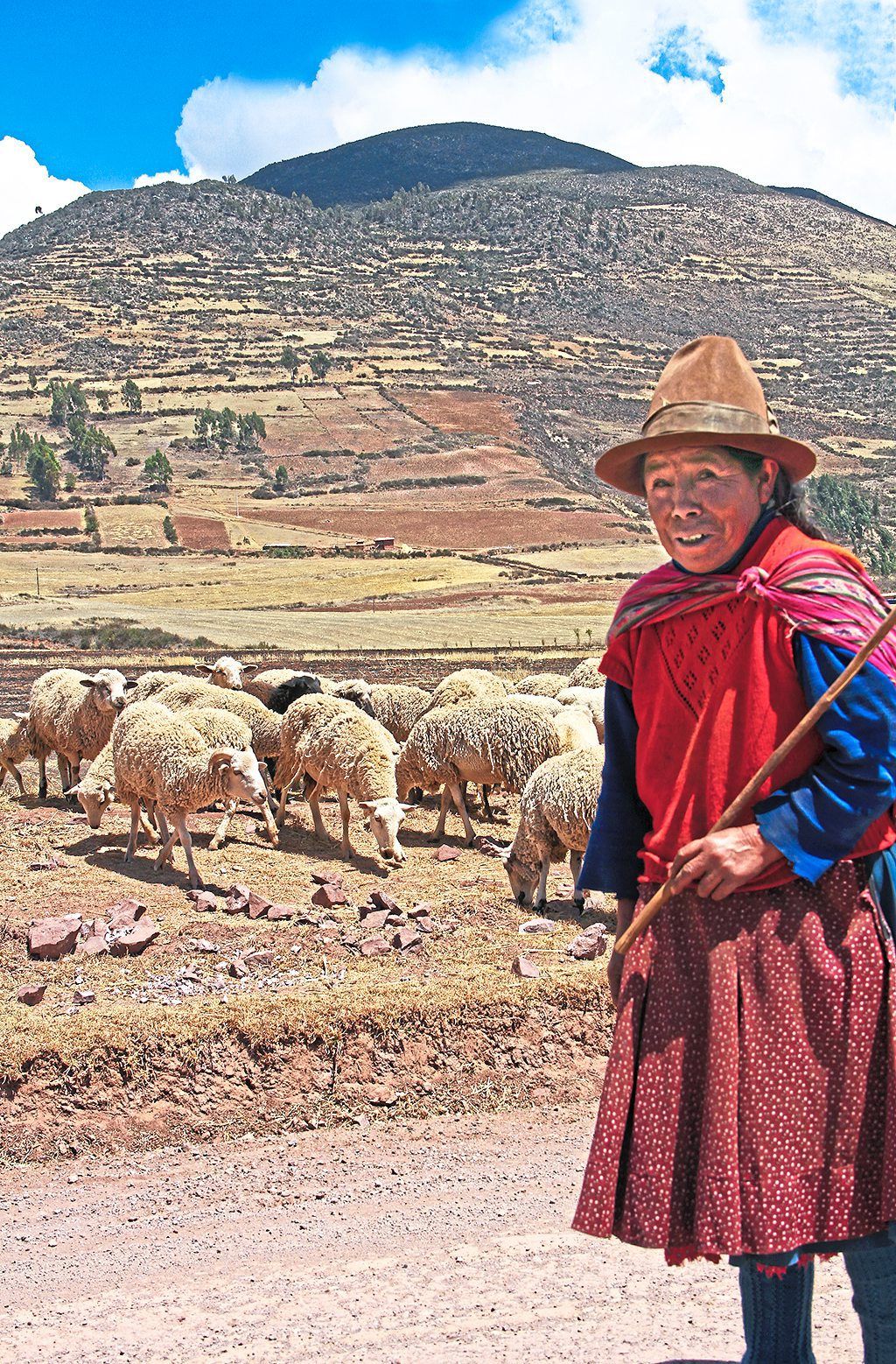
There are six steps to creating Incan textiles: shear, wash, spin, dye, warp and weave. Wool is sourced from alpacas, llamas and sheep herds that graze on mountainous meadows. The wool of these animals has different qualities, such as texture, length and the ability to hold dye.
Alpaca wool is the softest and most prized for fine textiles, and comes in several natural colours such as white, black and various shades of brown.
After the wool is removed from the animal, it is washed to remove foreign objects, dust and dirt. Traditionally, this is done using a natural detergent sourced from the root of an endemic plant.
The clean wool is hand-spun into yarn using a small drop spindle. Generally, this is the first thing young girls learn to do to help out around the farm and home. After the first spin, single threads may be combined by twisting several together to make a stronger ply.
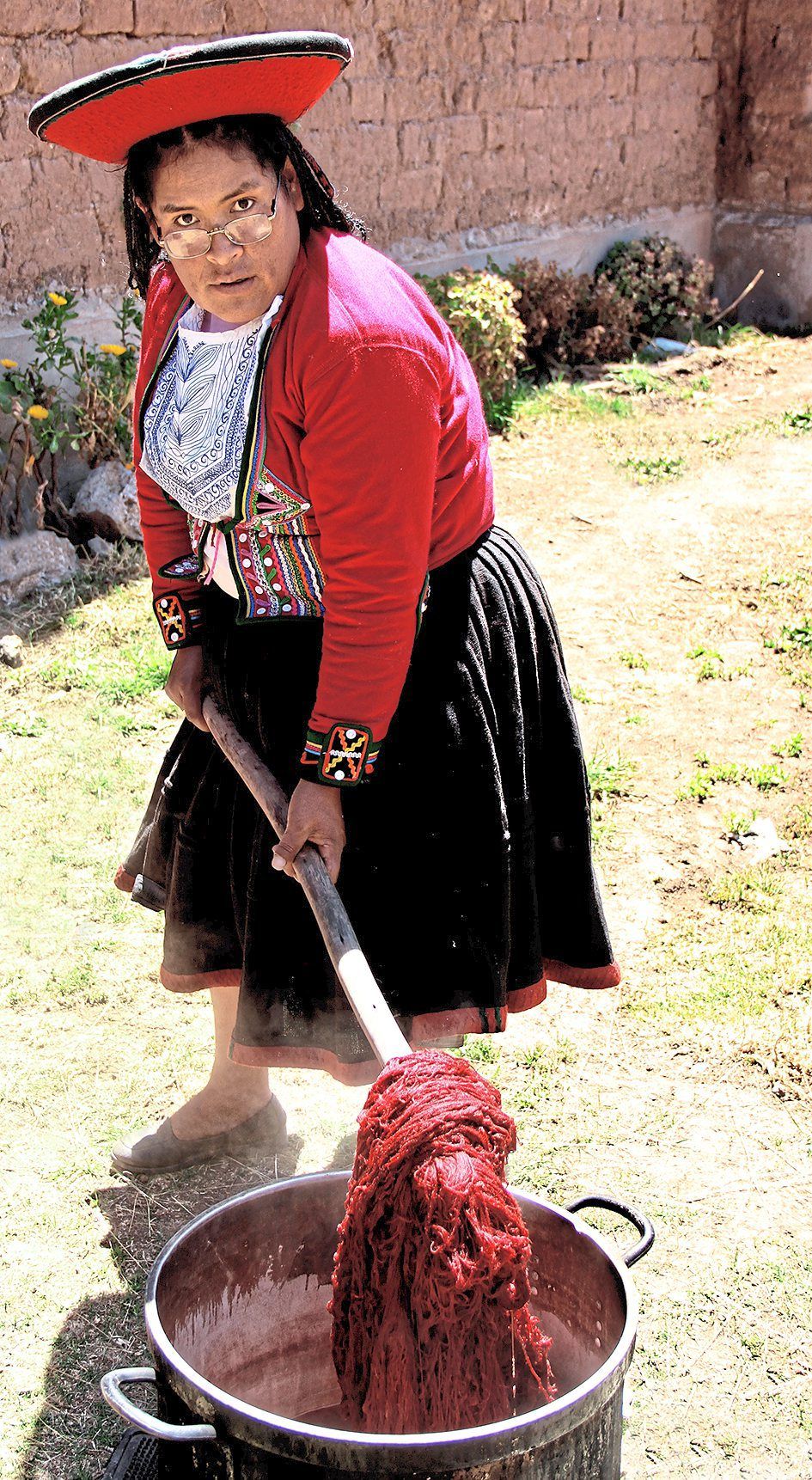
The ply is now ready to be placed on a loom for weaving, but first it must be dyed. It was interesting to learn how the women use natural dyes to create a rainbow of colours.
For example, cochineal beetles found on some cacti are crushed to create a blood-red dye that can also be diluted to create lighter hues, such as pink.
The ply is now ready to be arranged on a loom in the form of a warp, or the vertical threads tied firmly from one end of the wooden loom to the other according to the required size and length of the finished product.
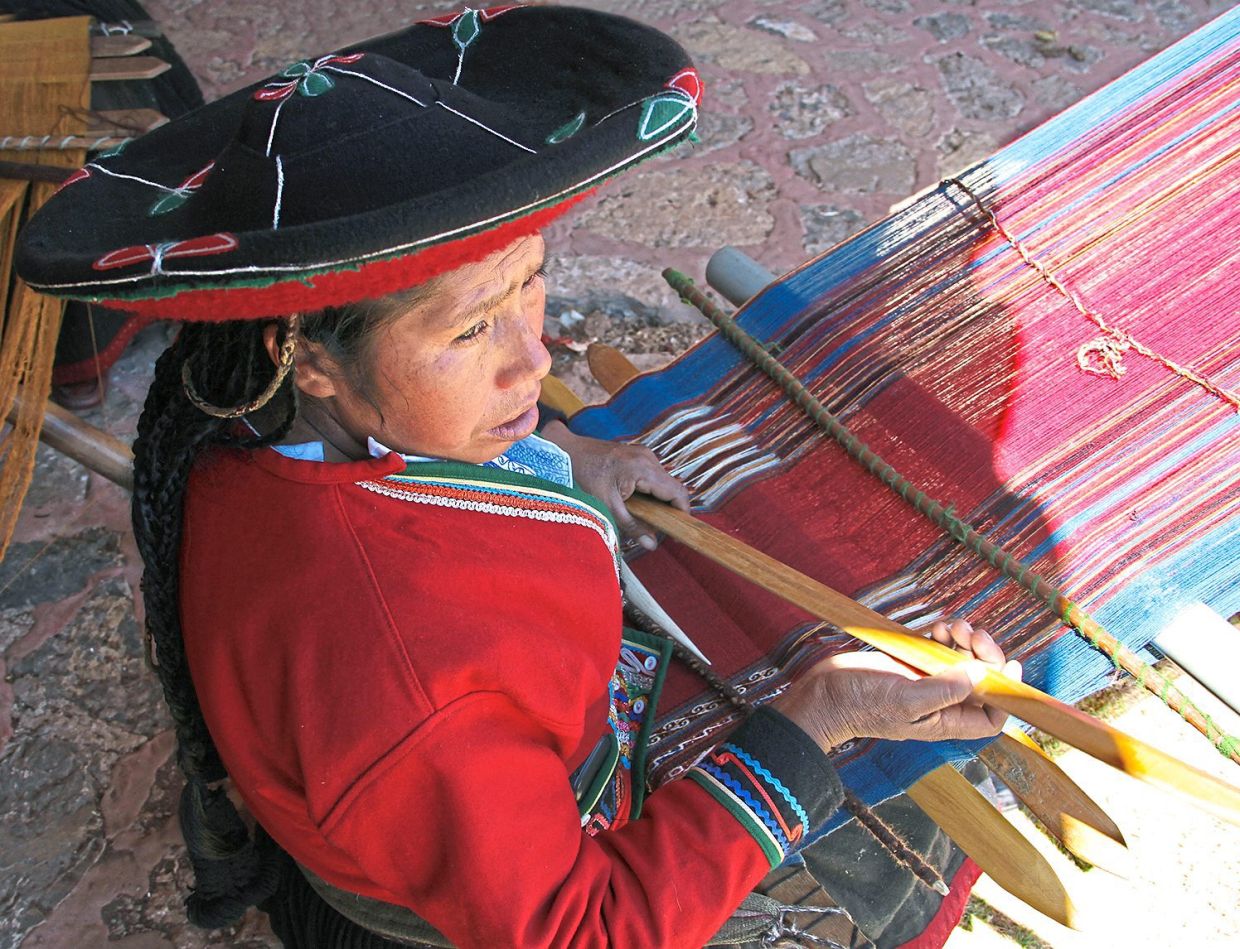
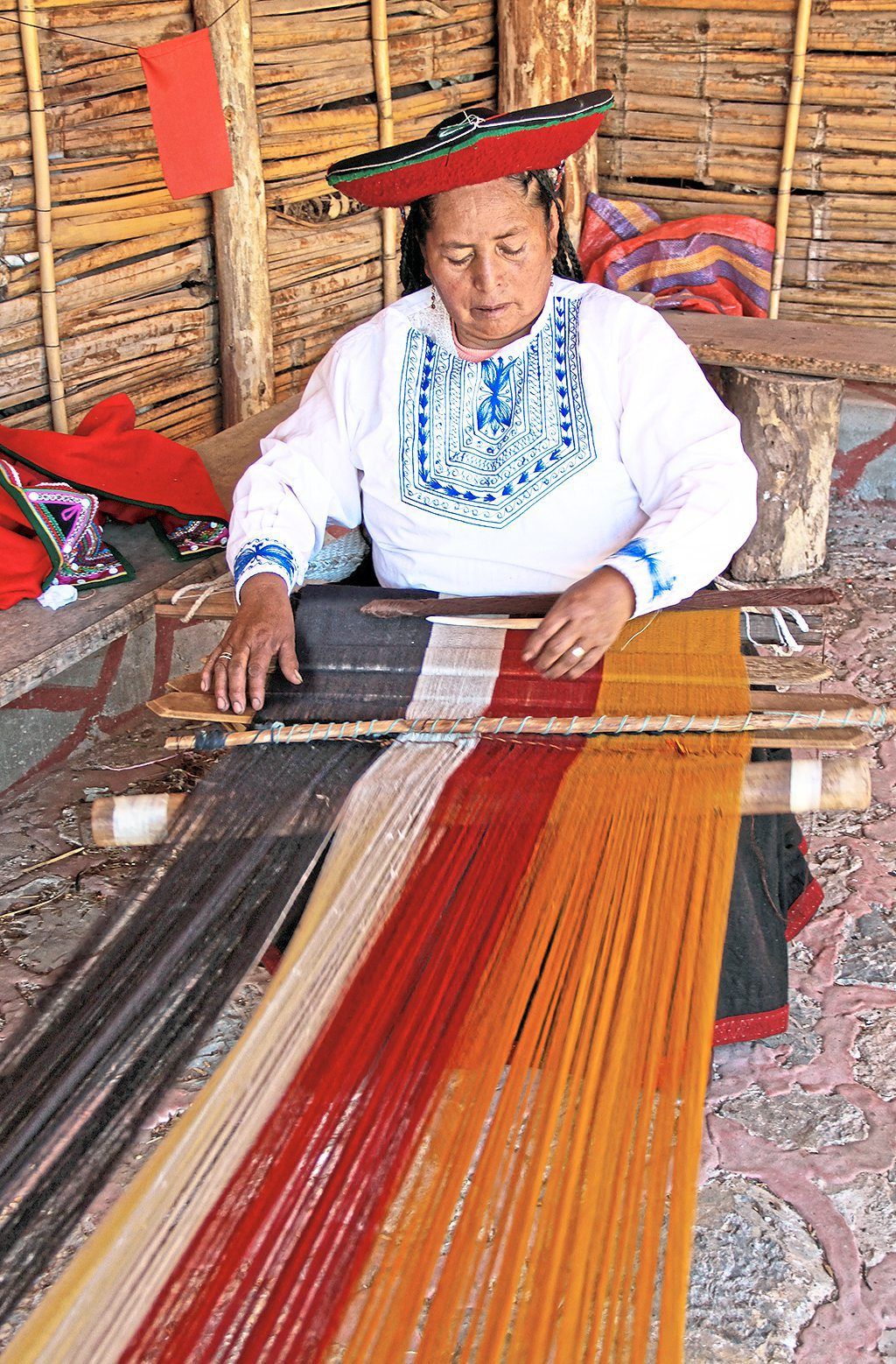
Two types of looms are used at the textile centre: four fixed wooden poles in the shape of a rectangle, and back-strap looms, which are anchored to a post or tree with the other end looped around the weaver’s waist.
Weaving is the final step that involves the weaver shuttling cotton horizontally through the vertical warp. This is where the weaver’s skill shows through as she creates the desired pattern in the cloth.
In Chinchero, the warp-face technique is adopted to create textiles that are two-sided and reversible.
The many different finished products are sold in the textile centre, but none are particularly cheap as they are all handcrafted by artisans.
Sacred sites
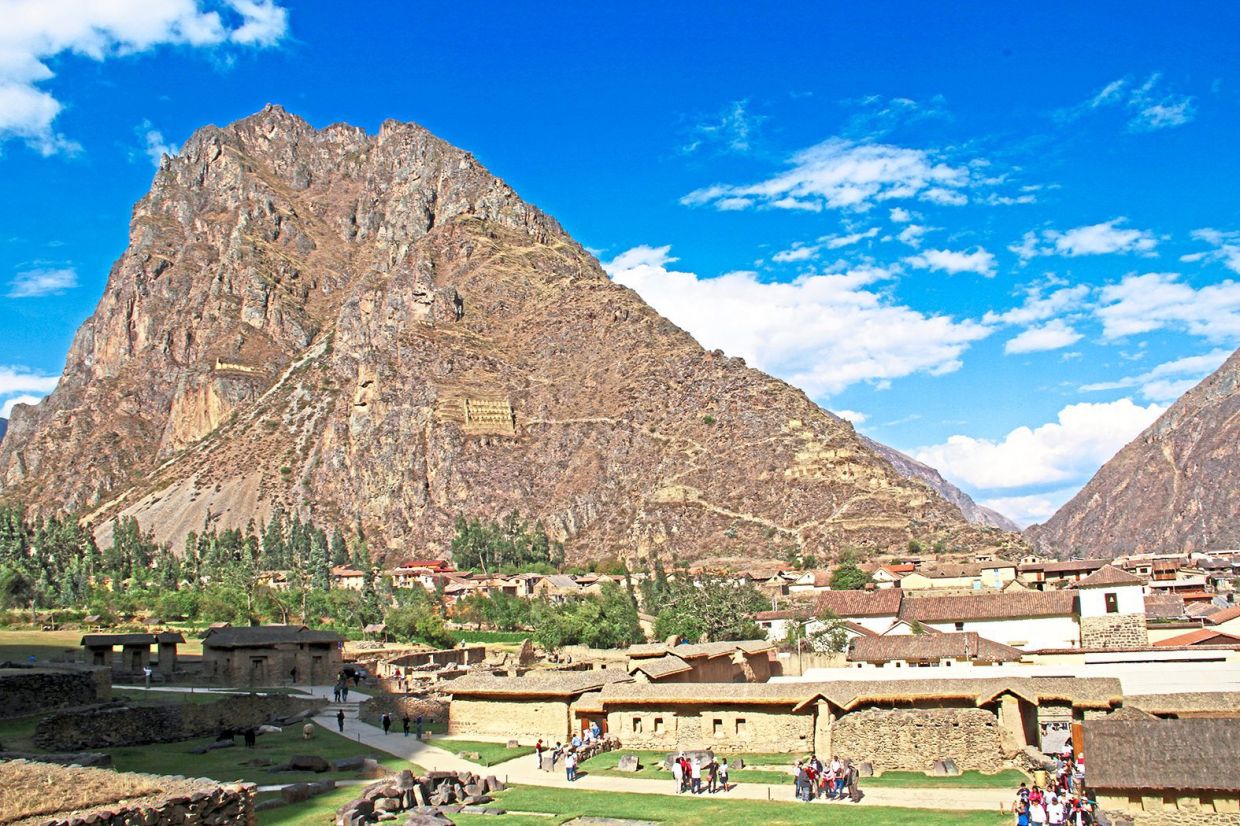
Most visitors to this part of Peru also spend time in Cusco and Machu Picchu. Attractions in the Sacred Valley (or the Urubamba River Valley) include the Inca ruins of Ollantaytambo, although there are other tourist sites and activities such as rafting, biking and paragliding.
Machu Picchu is one of the world’s most recognisable archaeological sites and one that attracts global travellers for its sheer scale and grandeur. This mighty centre of Inca civilisation, in its remote mountainous location, is recognised as a Unesco World Heritage Site. Its architectural genius and the fact that it was unknown to the outside world until 1911 add to its intrigue.
It is possible to arrive in Machu Picchu on the multi-day Inca Trail Walk or, like I did, on the luxurious Belmond Hiram Bingham train that operates from near Cusco to the archaeological site. The train travels through the Sacred Valley and, in sections, close to the Urubamba River.
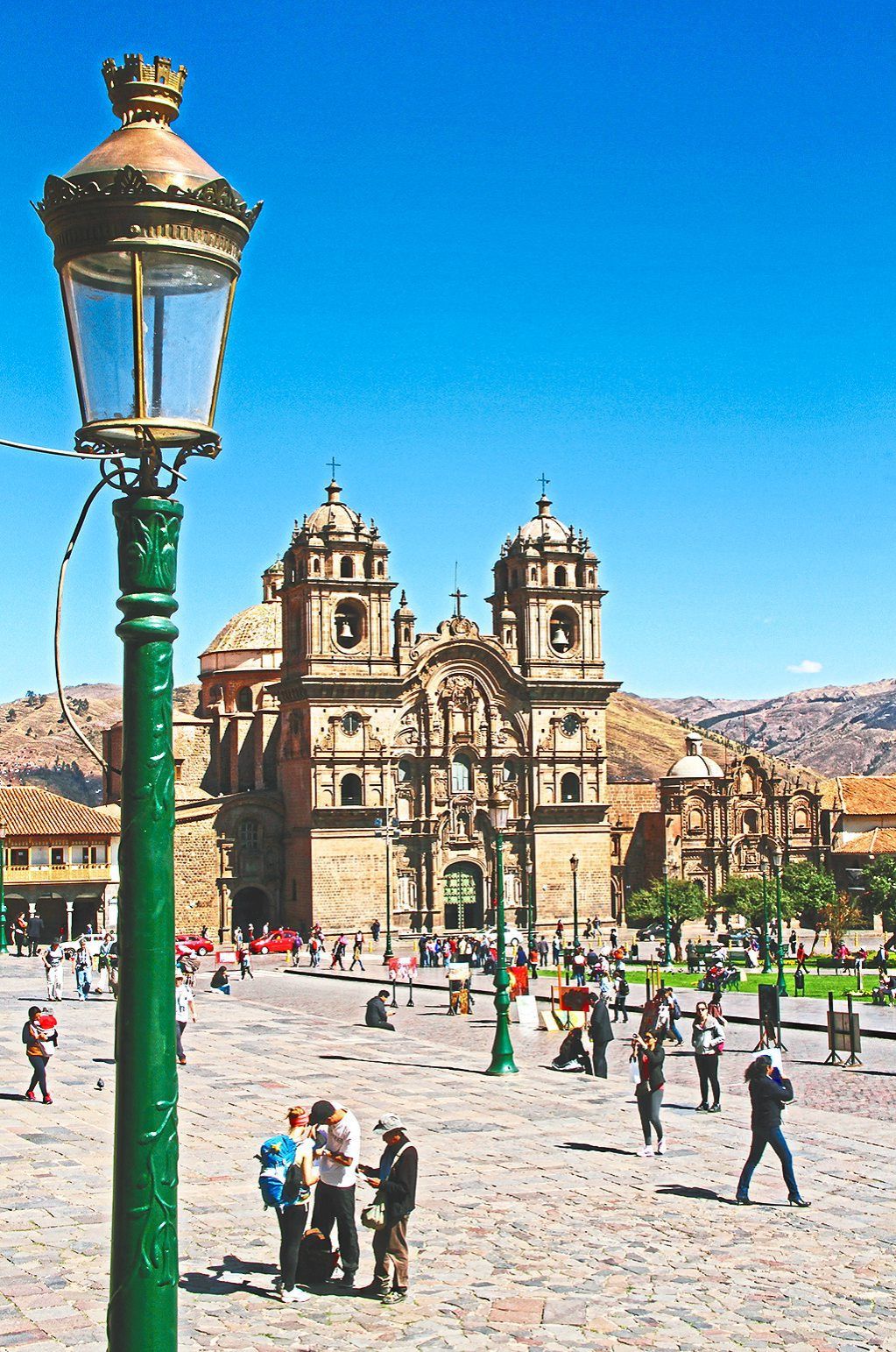
Cusco, with its ornate baroque churches that were built on top of ancient Inca temples, is the gateway to the Sacred Valley. Most visitors will wander slowly along cobblestone streets as they acclimatise to the thin air at high altitude.
There is a lot to take in here from the plazas, the ever-busy market, Inca ruins, and the alleyways of the San Blas precinct and grand colonial buildings.
Every piece of cloth woven in the Sacred Valley embodies the skill, spirit and life journey of individual weavers. Weaving involves traditions handed down from generation to generation and brings together the different threads of an individual’s life.
Travel notes
How to get there: The journey to Peru from Malaysia is a long one, with my flight on the KLM Royal Dutch Airlines taking some 30 hours from Kuala Lumpur with a transit in Schiphol Airport in Amsterdam, the Netherlands.
Most visitors will fly from Lima to Cusco and then be driven to Chinchero in the Sacred Valley (for one hour). The Belmond Hiram Bingham train travels through the Sacred Valley from near Cusco to Machu Picchu and back.
Where to stay: Visiting Andean Peru requires strategic planning for those who want to take in the iconic destinations of Cusco (altitude 3,400m), Machu Picchu (2,430m), and the Sacred Valley (2,870m). Much of this has to do with the high altitude and the associated problems of altitude sickness.
Many travel agents suggest flying into Cusco and then immediately descending into the Sacred Valley to acclimatise and then end up back in Cusco after visiting Machu Picchu.
You can splurge on luxury hotels and resorts at Cusco (Palacio Nazarenas), Sacred Valley (Rio Sagrado), and Machu Picchu (Sanctuary Lodge). The accommodation types in Chinchero are mostly homestays.
Contacts: A2A Safaris (a2asafaris.com) offers tours to Peru’s Sacred Valley and beyond. For more information of the Centre for Traditional Textiles of Cusco, head to textilescusco.org.
Peru's Sacred Valley
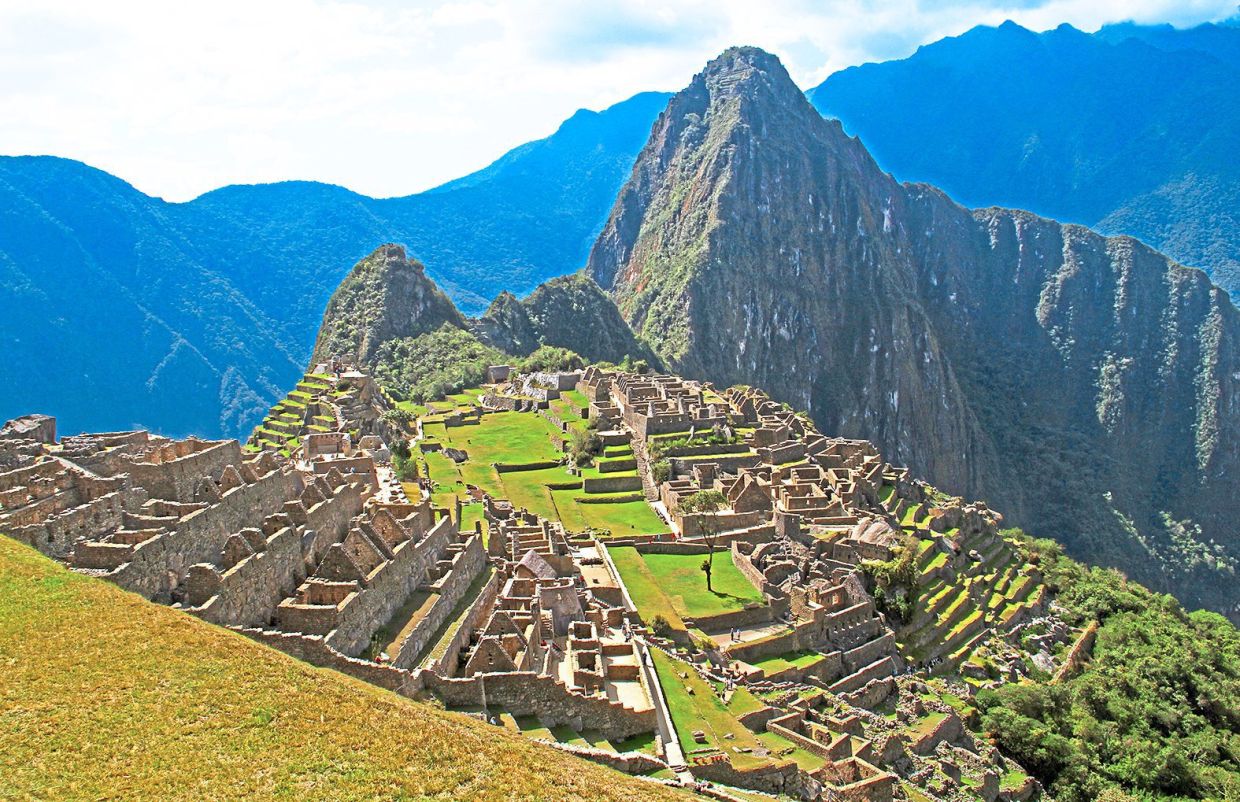
Machu Picchu is the big drawcard for visitors to Peru’s Sacred Valley. — Photos: DAVID BOWDEN
View of the Roman Catholic Iglesia de la Compania de Jesus built in the 16th century and still standing today.
Maras in the Sacred Valley has always been an important source of salt.
The 13th century Inca civilisation stone building within the Ollantaytambo Archaelogical site in the valley.
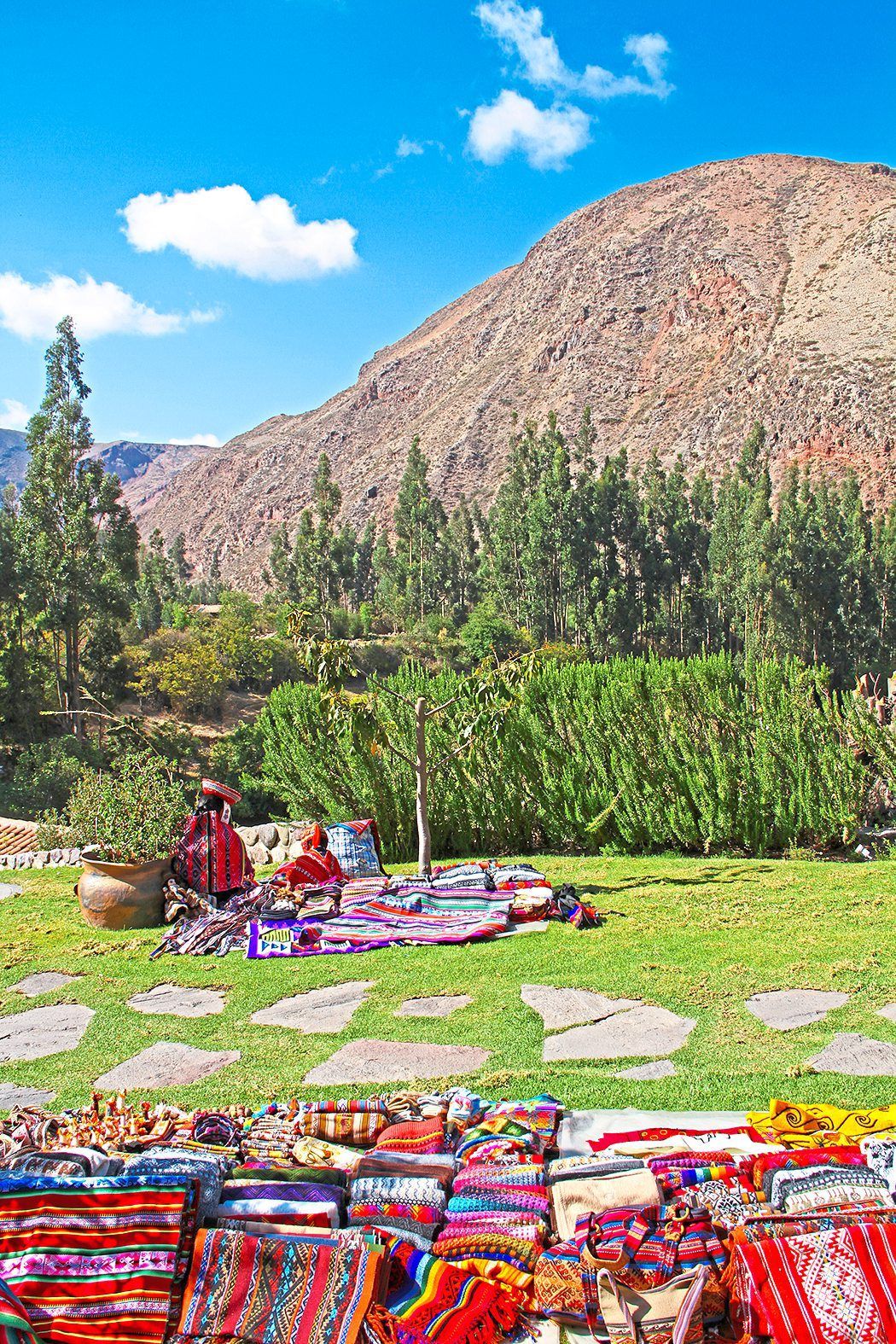
Colourful traditional Peruvian handicrafts for sale at the Belmond Rio Segrado Resort.
A quecha woman wearing traditional clothes while weaving.
The Urubamba River flowing past forests and mountains.
The weavers use natural dyes such as from cochineal beetles.
The weavers use the warp face weaving technique to create intricately patterned textiles.
A woman with a traditional back-strap loom in Chinchero.
A woman herding a flock of sheep near the town of Maras.