
Typically before landing during a flight, the captain will announce, “Ladies and gentlemen, we’ll be landing at Kansai International Airport in Osaka in about 20 minutes. Cabin crew, please prepare for landing.”
Moments later, another familiar announcement follows: “Please stow your tray table, open your window shades, return your seat back to the upright position, fasten your seatbelt, and put away your headphones.” Or something like that.
For frequent flyers, this pre-landing ritual is second nature. The flight attendants move through the cabin, checking passengers’ seatbelts and seat backs, and making sure bags are stored properly – under the seat or in the cabin above. They make sure everything is in place and that all safety measures are taken.
But on this particular flight from Ho Chi Minh City in Vietnam to Osaka in Japan, something unusual happened. A passenger – let’s call him “Mr 4G” – was still lying flat on his seatbed (yes, this was in Business class) even as the plane began its final descent. He looked utterly relaxed, as if under a sleep spell, completely ignoring the real world.
From my seat in 5K by the window, I saw a flight attendant gently poking him twice. No response.
She just sighed and walked away.
By then, the landing gear had already been deployed – the low hum of air against the tyres told us we were less than 10 minutes from touching down.
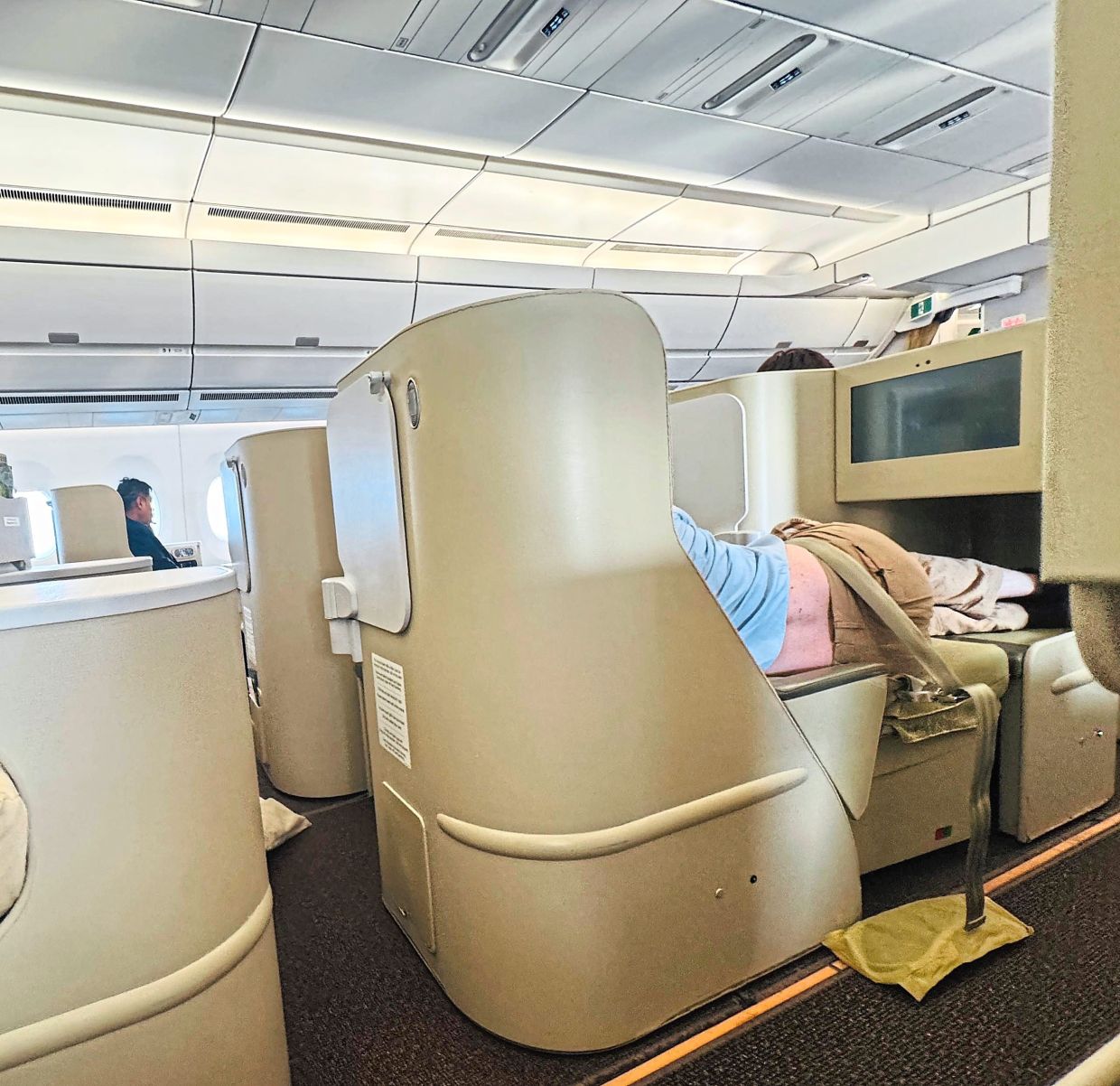
It was clear to me that this lanky passenger wasn’t asleep at all. He shifted slightly now and then – just enough to betray his act – but chose to “keep pretending”. At least this was what I believed.
Then a male flight attendant came over. I thought, “Finally! He’ll wake him up and fix that seat.” After all, standard procedure demands that all seats be upright and both seatbelts for that class – lap and shoulder – are properly fastened before landing.
To my surprise, the attendant only checked the lap belt, nodded, and walked away as if nothing was amiss. The shoulder belt? Completely ignored.
What made it stranger was that earlier, the same attendant had double-checked my two belts like a safety audit. I couldn’t help but wonder – was lying down somehow safer?
And so, Mr 4G completed the entire landing flat on his back – during touchdown, taxi and docking. When the plane finally came to a full stop, he sat up slowly, looking refreshed, like he’d just finished a spa session.
No, he wasn’t sick or disabled – just an ordinary passenger, a Caucasian guy who spoke in fluent Japanese.
In all my years of flying, it was the first time I’d ever seen anyone pull off a “horizontal landing”. Bravo, to the airline. You’ve outdone yourselves.
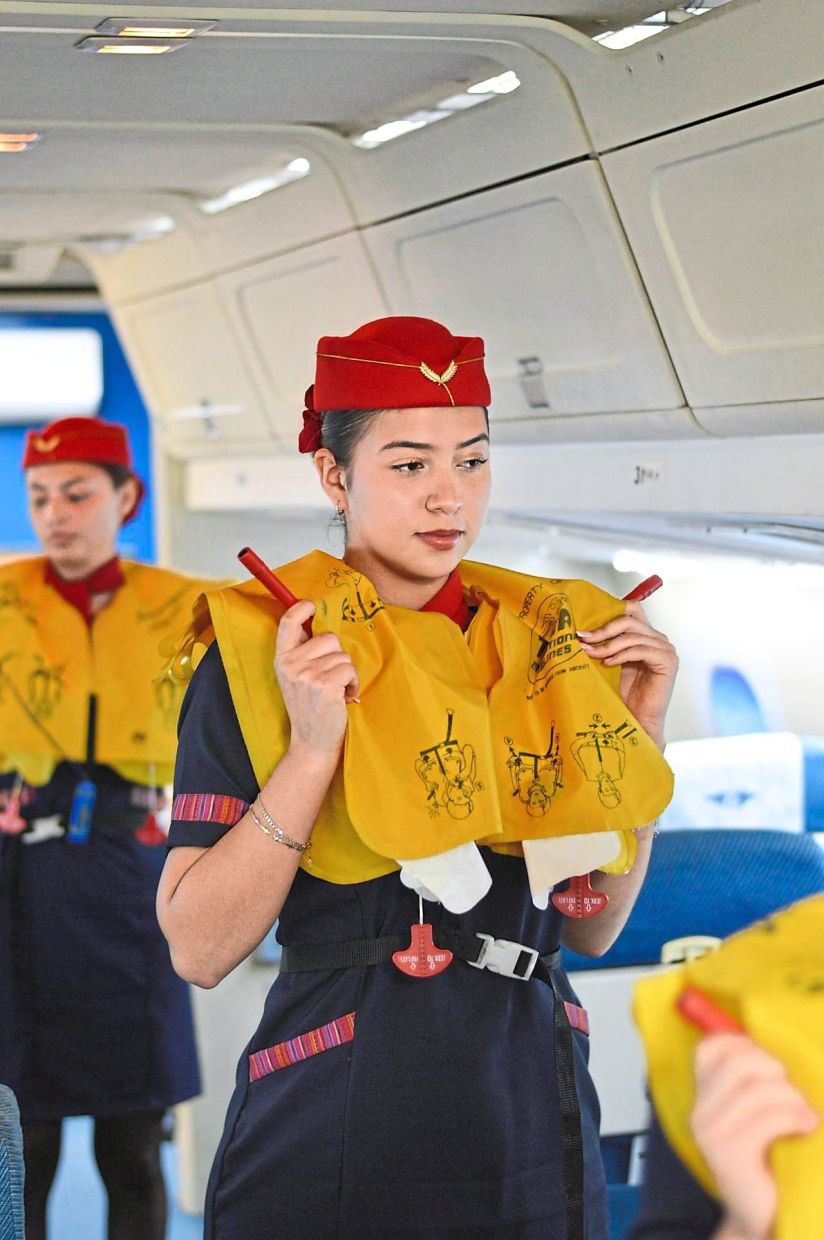
If you ever fly with an airline like this, maybe you’ll get to experience this yourself – assuming, of course, you’re not afraid of what pilots call the “Critical 11 Minutes”, also known as the “Plus Three, Minus Eight Rule”.
This rule refers to the first three minutes after takeoff and the last eight minutes before landing; these are the most crucial, and most accident-prone phases of any flight. In these few minutes, pilots must stay hyper-focused, ready to react and respond to anything. After all, even the tiniest error could spell disaster.
True, modern aircraft boasts near-perfect automation and smart landing systems. But many veteran pilots still insist on manual or semi-manual control. Do you ever wonder why?
One seasoned captain once told me: “The critical 11 minutes ... I have to handle those myself. Because what if turbulence hits? What if a bird strike happens? What if that one-in-a-million ‘what if’ comes true?”
(In aviation, a bird strike is a collision between a bird/birds and an aircraft in flight, often occurring during takeoff and landing.)
The captain wasn’t exaggerating. Not long ago, an Air India Boeing 787 crashed just 60 seconds after takeoff – there was only one survivor.
Last year, a Jeju Air Boeing 737 had its landing gear disabled after getting a bird strike. The plane hit a concrete barrier during emergency landing, and exploded; only two flight attendants survived.
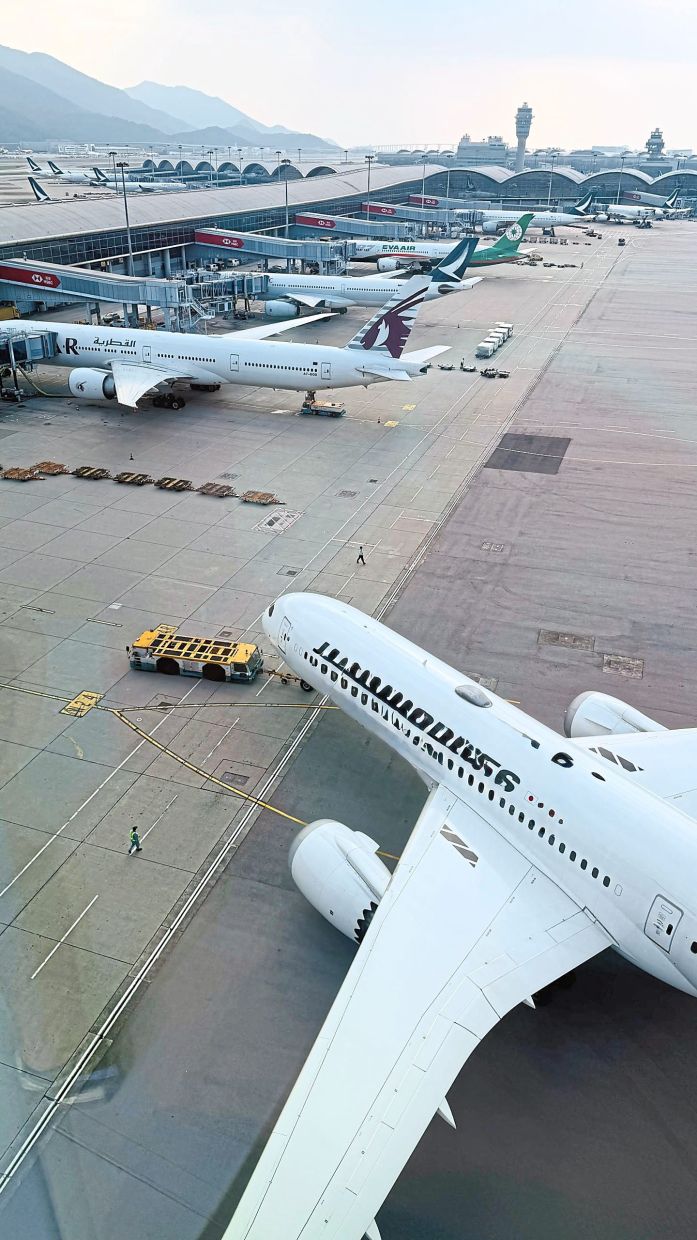
In the early hours of Oct 20, 2025, a Boeing 747 cargo plane overran the runway and plunged into the sea while landing at Hong Kong International Airport, crashing into a ground service vehicle and killing two staff members on board.
And of course, there’s the infamous “Miracle on the Hudson” crash in 2009, when Captain Chesley “Sully” Sullenberger landed an Airbus A320 on the Hudson River in New York, the United States after both the plane’s engines failed due to a bird strike. This happened just one minute after takeoff. Everyone survived.
Was it a miracle, or was it the pilot’s absolute focus and control of the situation in those few minutes that saved everyone?
Aviation manuals explain why takeoff and landing are the riskiest phases of a flight, giving these three main reasons: Mechanical stress peaks; Human workload is highest; Altitude and wind speed fluctuate drastically.
If any of these things go wrong, flight attendants have just 90 seconds to evacuate everyone before smoke, flames, or debris make escaping impossible.
In 2024, Japan Airlines’ Airbus A350 collided with a small aircraft upon landing at Haneda in Tokyo. The plane burst into flames, yet all 379 passengers evacuated safely within 18 minutes. This was nothing short of miraculous.
But what if Mr 4G had been on that flight? He probably would struggle to unbuckle his seatbelt or get up from his seat while the cabin gets filled with smoke. Remember also that in a crash, the shock alone can knock some peole unconscious.
Aviation is, without question, the world’s most SOP-obsessed industry. From safety demos and cargo restrictions to weight balance and fuel protocols, every bolt, every checklist item is tied to human lives.
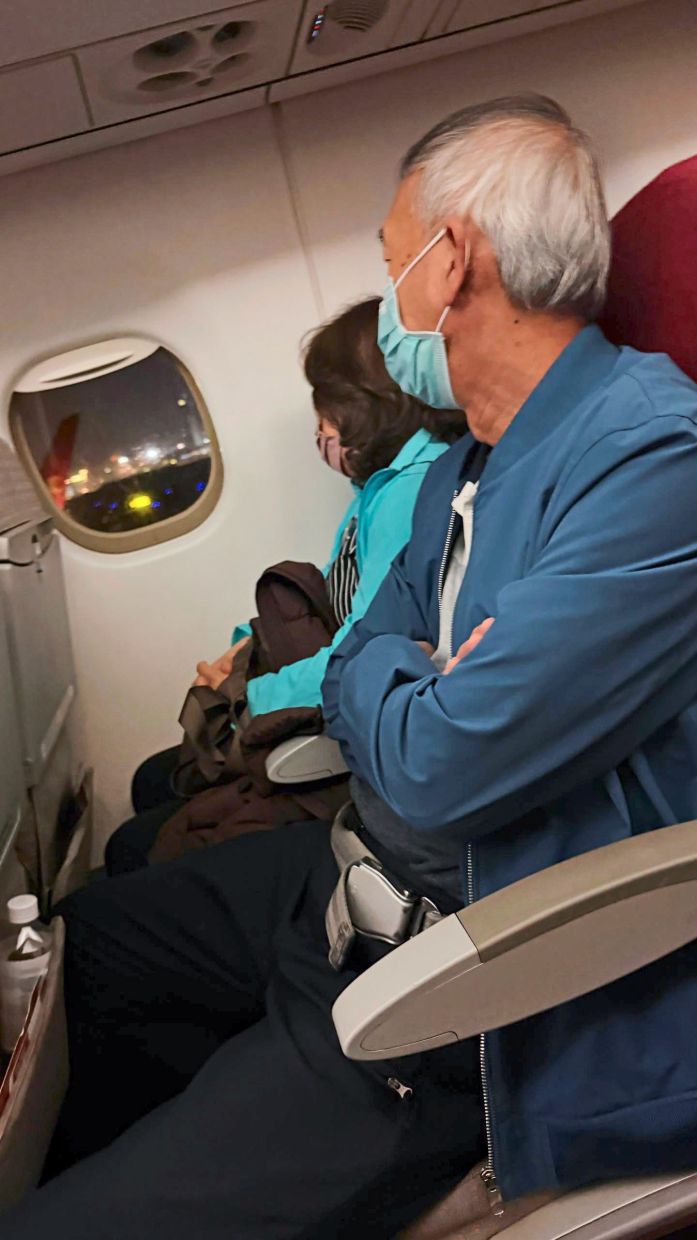
Yet today, social media feeds are filled with mid-air turbulence clips – coffee, cutlery and small bags flying through the cabin like a zero-gravity show. Those who didn’t keep their belts fastened throughout the flight often become unwilling “acrobats”, battered, bruised, or worse.
And still, I can’t stop wondering – why was that passenger allowed to lie flat during landing? Was the procedure ignored? Safety compromised? Or a loophole in company policy?
My friend Hu, a veteran flight safety instructor, shared his view: “That’s straight-up defiance! A flight can be delayed, bumpy, even diverted – but safety procedures must be followed. They can’t lie flat.”
The views expressed here are entirely the writer’s own.
Leesan, the globe-trotting traveller who has visited seven continents and 151 countries, enjoys sharing his travel stories and insights. He has also authored six books.