
From lions in Kenya to polar bears in Canada, countries across the globe have become tourist destinations not solely for luxury resorts or breathtaking landscapes.
Wildlife travel, or travelling to catch a glimpse of animals in their native habitat, has boomed as nations embrace environmental tourism.
But how do you decide what to see and where to go?
Go2Africa, a safari travel agency based in South Africa, used international data to decide which countries were the best stops for wildlife-focused travellers – and the top spot is not where you think it is.
The rating is called the “Wildlife Index” and reveals “the nations leading the way in safeguarding biodiversity, as well as destinations offering the richest opportunities for unforgettable wildlife encounters”, according to data published July 25.
The index accounts for seven factors: megafauna conservation, wildlife species richness, endangered wildlife species, prevalence of national parks, extent of protected natural areas, indigenous protected areas and natural environment quality.
Data from “reliable third-party sources, including the International Union for Conservation of Nature (IUCN), World Database on Protected Areas (WDPA), Yale Environmental Performance Index, UN Food and Agriculture Organisation (UN FAO), and World Wildlife Fund, among others”, were used to give each country a score out of 100.
While every recognised country was originally considered, a total of 161 were included in the ranking after eliminating those with insufficient data.
Here are the top 10:
1. United States – 90.5/100
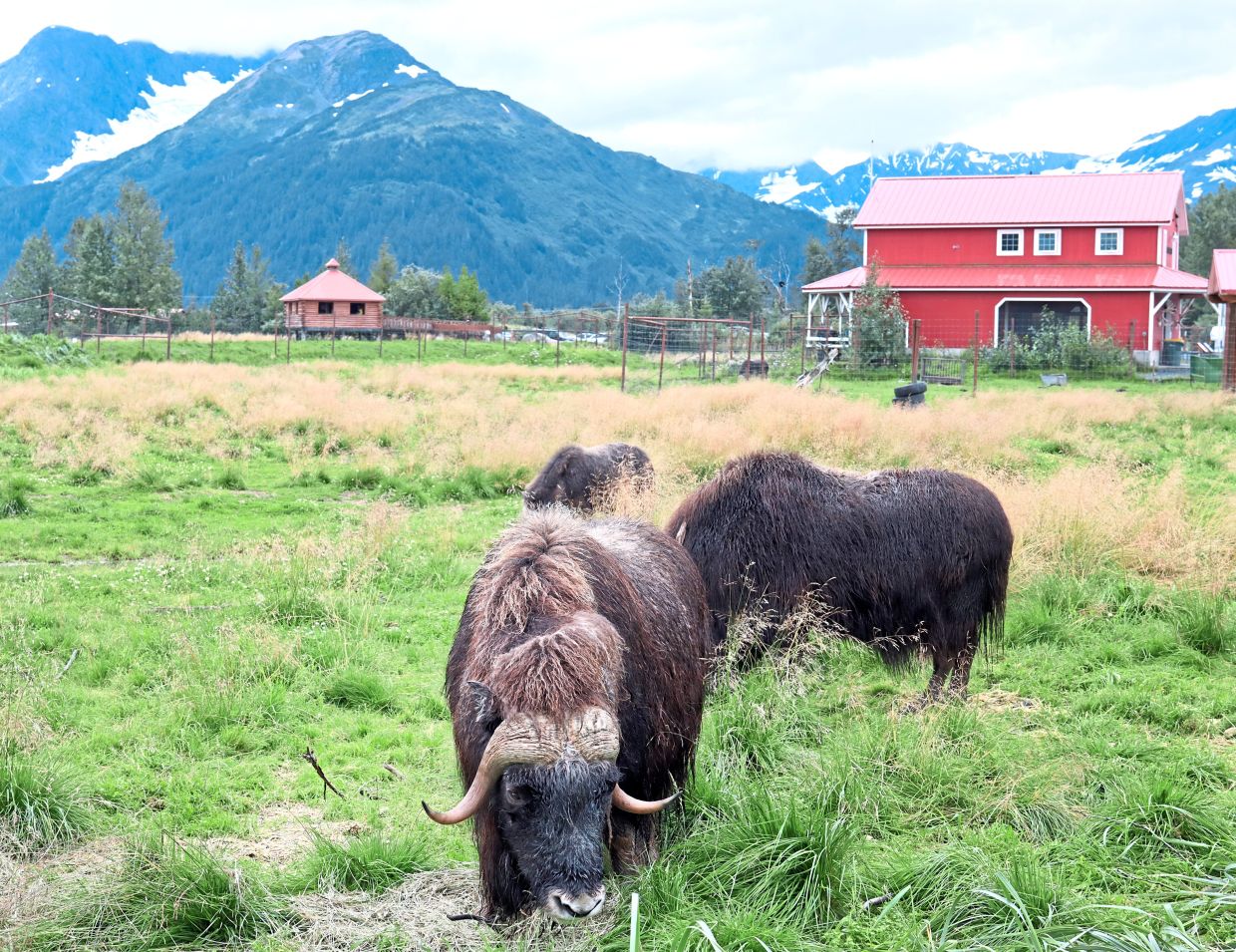
The US takes the top spot thanks to its expansive protected land and natural areas, according to the index. There are a total of 51,018 protected natural areas, the group said, which is considered the highest globally.
Much of this land is concentrated in Alaska and includes 32 game refuges, critical habitat areas and wildlife sanctuaries with more than 3.2 million acres, according to the Alaska Department of Fish and Game.
Animals like the black-footed ferret, American bison and Hawaiian monk seal are only found in the US.
2. Brazil – 90.2/100
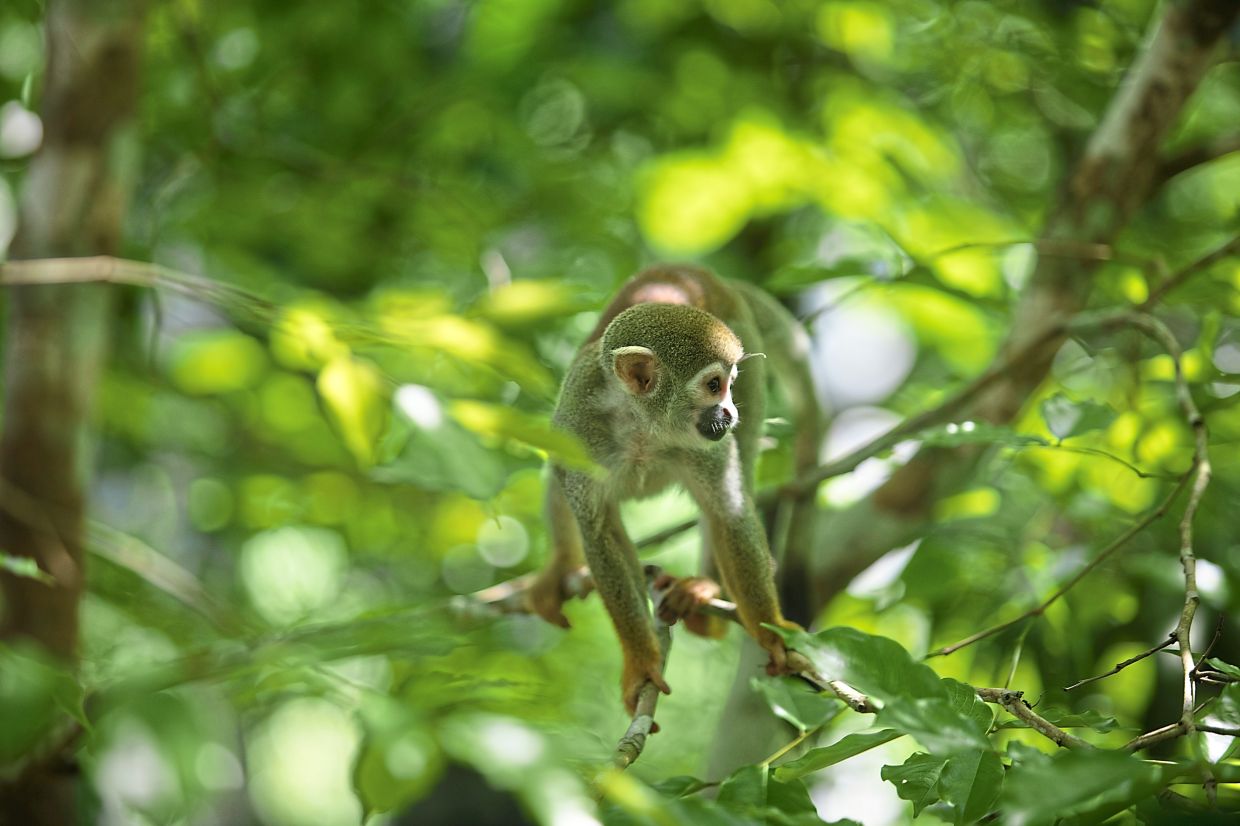
Brazil comes in a close second to the US, thanks to its immense biodiversity, according to the index. The country has the highest number of endangered and critically endangered species on the planet, hidden in the expansive tropical rainforests, highlands and coastline.
Brazil contains about two-thirds of the Amazon rainforest and 20% of the world’s total biodiversity, according to the Rainforest Foundation US.
Tapirs, the Amazon river dolphin and the golden lion tamarin exclusively call Brazil home.
3. Colombia – 85.5/100
Colombia rounds out the top three, all of which are located in the Americas. More than 14% of the country is protected as national parks, across 60 locations, according to the index.
The country has more than 6,000 native species, 432 of which are considered endangered.
The Amazon Rainforest also reaches into southeastern Colombia, bringing biodiversity and unique creatures. The Colombian woolly monkey, golden poison frog and blue anole are some of the animals you might spot in Colombia.
4. Australia – 82.1/100
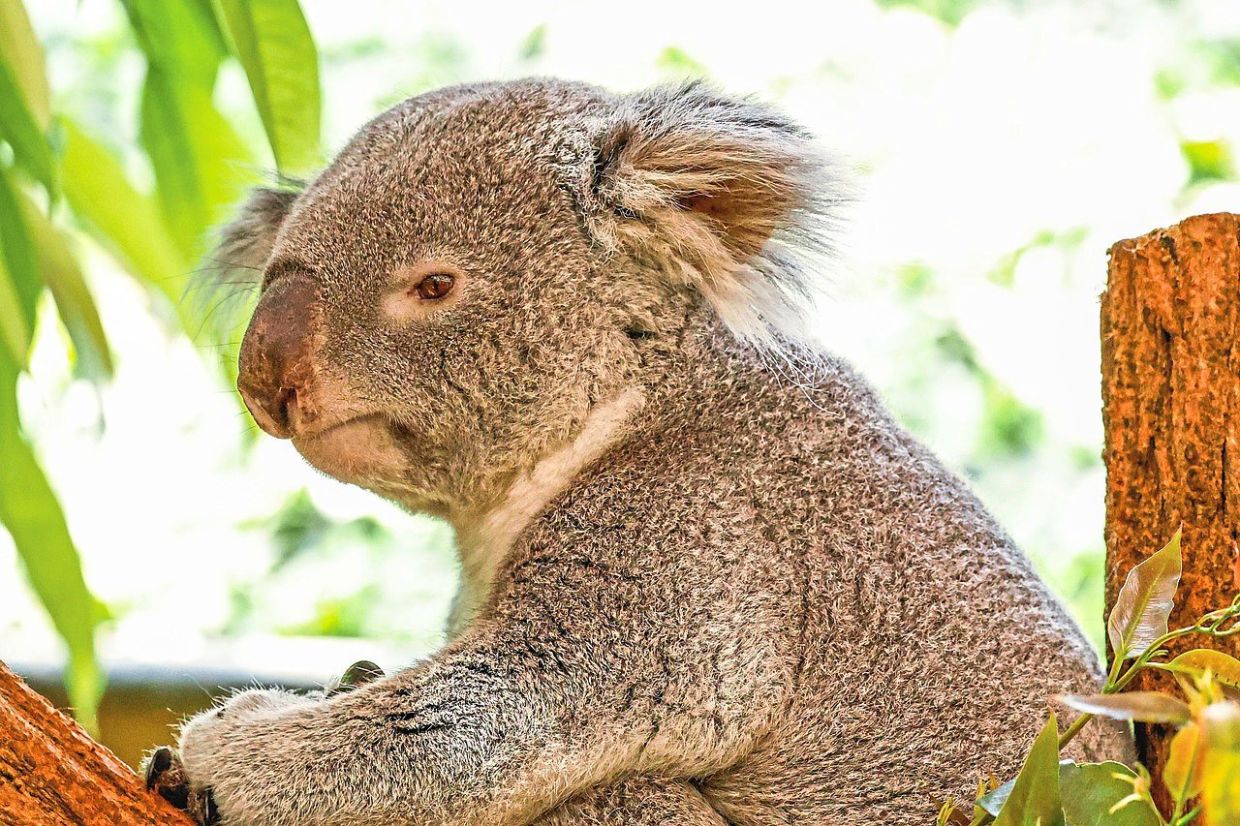
The next country hops across the Pacific Ocean to the nation of Australia. Creatures in Australia are some of the most unique in the world, and the country includes the third-highest number of recorded species on Earth.
Many of the species – like the koala, platypus and echidna – aren’t found anywhere else. Australia has 685 protected areas, according to the index.
5. Tanzania – 81.8/100
Tanzania is the top country from the African continent, known for nearly 4,000 wildlife species and 413 animals considered endangered or critically endangered.
Iconic species like cheetahs, leopards and the black rhino are found in the plains and forests of Tanzania. The country has a particularly high score in megafauna conservation, 96.69, ranking behind just two other African nations, Namibia and Botswana.
Canada, neighbours to the north of the top destination, came in sixth in the ranking, followed by #7 Peru and #8 Spain, the only country in Europe that made the top 10.
Kenya and Panama, with similar attractions as those higher on the list, tied for ninth to make the complete top 10 ranking.
Broken down by criteria, Botswana was ranked highest for Megafauna Conservation, Sweden led the world in quality of the natural environment, Brazil ranked first in wildlife species, Indonesia ranked highest in endangered wildlife species, Australia had the most national parks, the US had the most protected wildlife areas, and Papua New Guinea ranked first for protected land managed by indigenous peoples, according to the index.
“While our study reveals the top countries to see wildlife and highlights their conservation efforts and the unique ecosystems they support, it’s important to recognise that there is always more work to be done,” Go2Africa said.
“Despite these countries being great for seeing unique animals out in the wild, the ongoing threat to wildlife and their habitats necessitates a continuous commitment from countries and governments worldwide.” – Miami Herald/dpa