
Culion is unlike any of the Philippines’ 7,641 islands — a quiet alternative to overtourism and a place where paradise and history coexist.
“Culion is a lost island paradise,” says museum director John Lisboa in the island’s main town.
Here, there are blue bays and waterfalls, fishing villages and nearly deserted beaches. There are no resorts, no rental cars and barely any public transport.
Getting around means hopping on a moped or tuk-tuk and embracing the bumps. Yet beneath the calm, Culion hides a difficult history.
The island’s museum and archives are recognised by Unesco’s Memory Of the World Register, highlighting their importance in preserving the island’s unique history.
“Culion was once the largest organised leprosy colony in the world,” says Lisboa, 58, whose grandparents once worked in the colony’s administration.
Even today, he still finds himself fighting “stigmatisation and prejudice”. Leprosy, however, has long been eliminated as a public health problem on the island.
The years of isolation are over, and since the mid-1990s, Culion has become a thriving, ordinary community. Visitors have nothing to fear, Lisboa adds.
A look into the past
In 1902, during the United States colonial period, plans were drawn up to establish a leprosy colony on Culion. The island was chosen for its strategic location, abundant fresh water, and isolation.
Its original inhabitants were relocated to make way for what would become the world’s largest organised leprosy colony.
The first patients arrived in 1906. From then on, people with leprosy from across the Philippines were sent to Culion, where they were housed and given medical care.
A Jesuit priest and four French nuns offered spiritual support. By 1935, the island’s population had swelled to about 7,000 patients.
“Culion was also a hub for researchers hoping to find a cure,” says museum director Lisboa, reflecting on the island’s complex history. “But the patients were treated like prisoners. It was an island of the living dead – an island of no return. Nobody got out of here.”
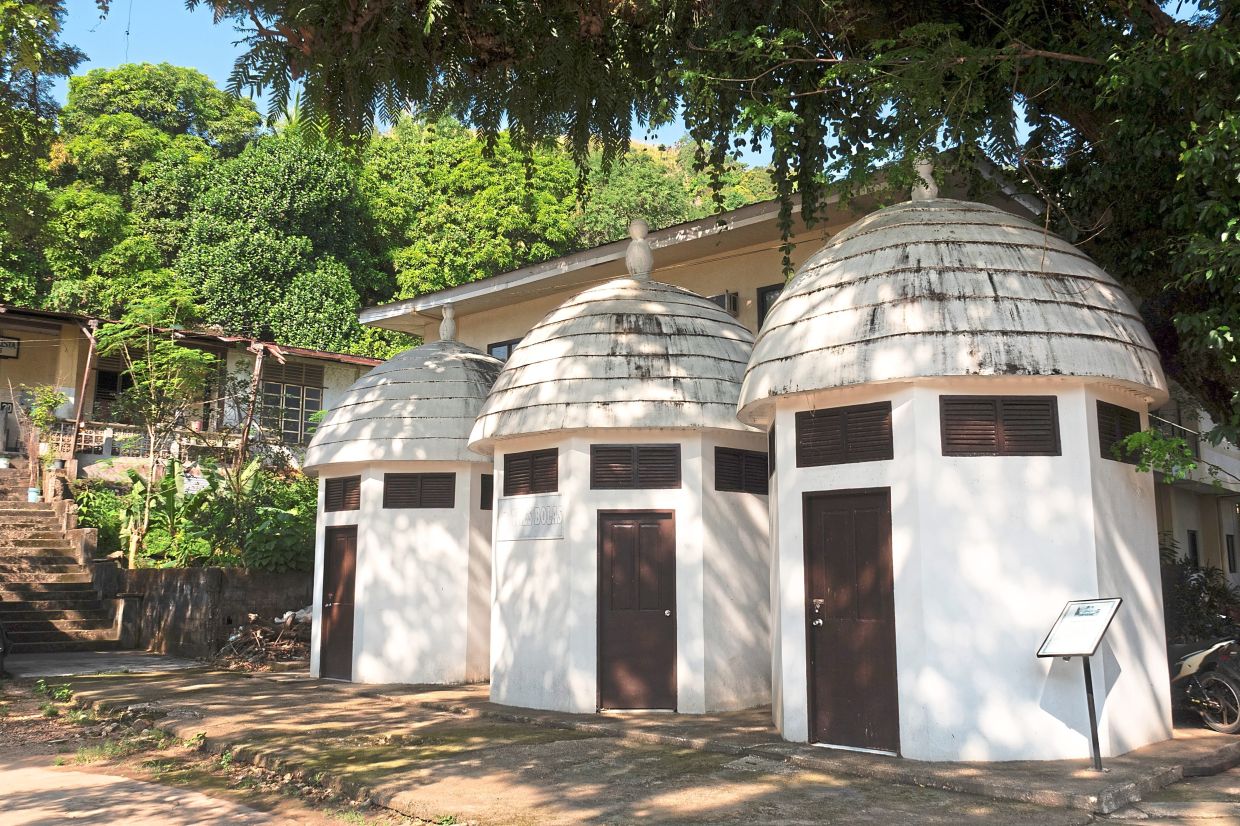
Today, guide Hermie Villanueva, 54, leads visitors through the remnants of that past – the former children’s home, the Tres Bolas bath complex, the old theatre, an incinerator once used for hospital linens and the doctors’ bungalows.
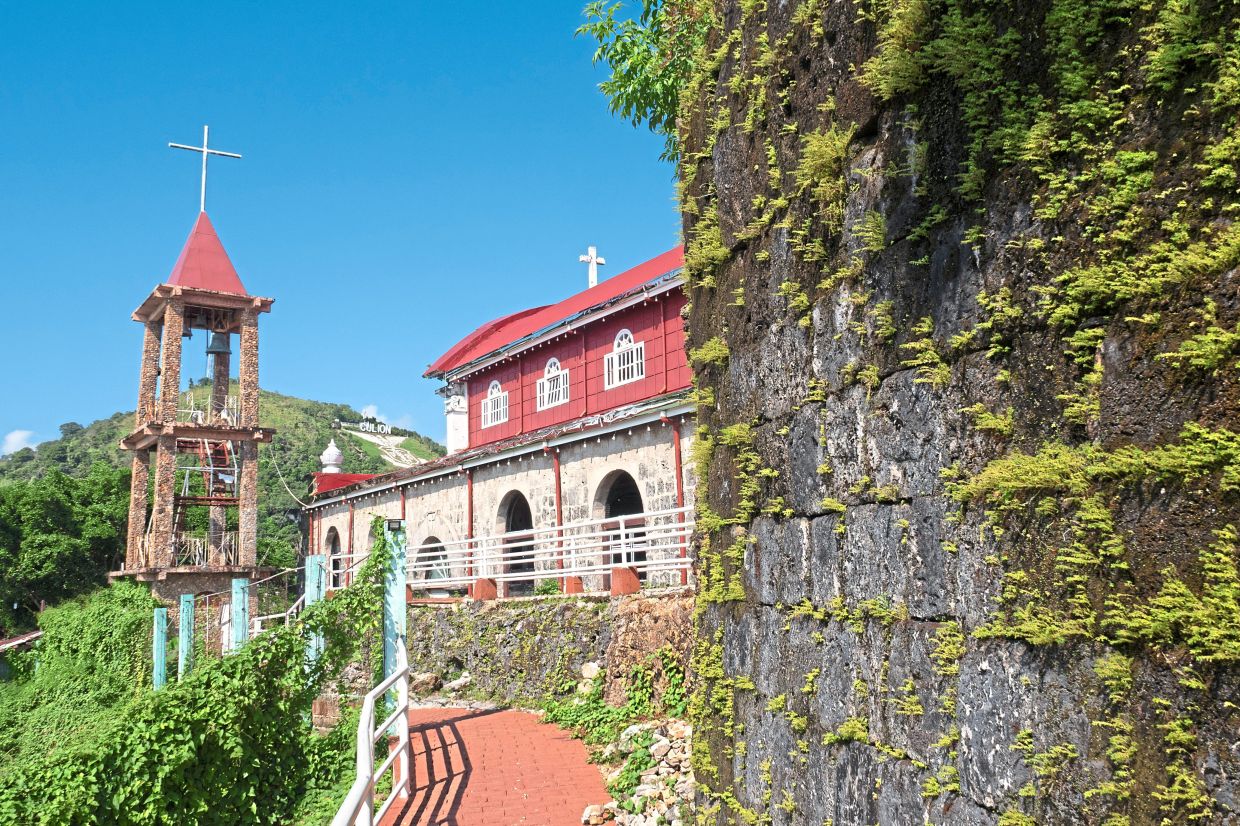
Nearby stand the La Immaculada Concepcion Church and a Spanish-era fortress, as well as a quiet cemetery filled with weathered graves.
In those days, the “Culion Leper Colony Band” performed every Sunday in the central square. Villanueva gestures toward the brightly painted houses surrounding it. “Descendants of the former patients live there,” he says.
Among them is 88-year-old Juliana Valibia, one of the last living witnesses to the colony’s early years. Both her parents suffered from severe leprosy, she says.
Villanueva’s own family history is also entwined with the island’s past. “My grandmothers had the disease,” he says. “Both were taken from their families in the north and brought here.”
Peaceful atmosphere
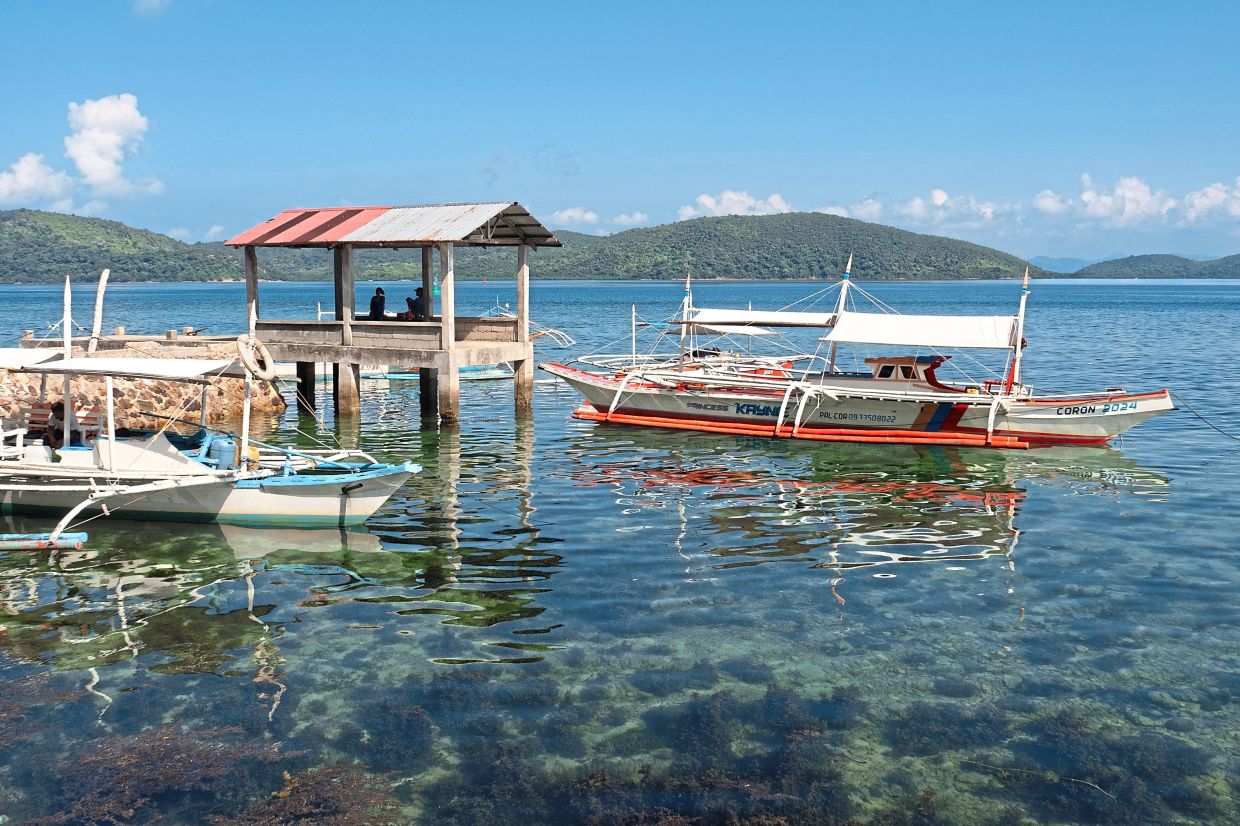
The island’s turbulent past soon fades, replaced by dreamlike scenery. Emerald hills roll into the deep blue sea, while water swirls gently around stilt houses and mangroves.
Friendly faces greet visitors everywhere.
Even guide Hermie Villanueva struggles to pin down exactly how the nearly 24,000 islanders make their living.
“Fishing, some farming, small shops, office work, tricycle taxis ... most people here don’t have a regular income,” he says with a shrug.
A handful of locals are beginning to explore tourism. Janette and Simon Lavers run a small guesthouse in the main town, welcoming the island’s first tentative visitors.
“Guests love the nature, the unique history, and the peaceful atmosphere,” says 42-year-old Janette. “Everything is safe here – no crime, no crowds.”
Tourist guide Hermie Villanueva – known to everyone simply as “Pastor” because he also serves as the island’s Protestant pastor – leads visitors to every corner of Culion.
He rattles ahead on his moped, its worn tires gliding over the rough roads. Like most locals, he rides without a helmet, using the horn as a constant accompaniment. Rice fields and bamboo groves blur past in the breeze, street dogs scatter and regroup and a smile greets every hut along the way.
In the coastal village of Butnongan, fisherman Wilbert V. Pantoja, 35, has stayed ashore due to a weather warning. He lounges on a bamboo pole with friends, scrolling through his phone.
When tourists do arrive – a rare occurrence – Pantoja guides them to Cemetery Beach at high tide. Villanueva, meanwhile, knows the route to the hidden Butnongan waterfall, where a natural turquoise pool awaits.
The following day, Villanueva heads to more secluded stretches: Serenity Beach and the private Nabayuan Beach, accessible only with the owner’s permission.
In many parts of the world, such beaches would be lined with luxury resorts. Here, the sand is empty, save for a lone outrigger boat gently bobbing in the water.
A soft breeze rustles the palm leaves. This is what a lost island paradise looks like. – ANDREAS DROUVE/dpa