
The ocean is home to vibrant underwater life. Unfortunately, issues like overfishing and pollution are putting some existing habitats at risk.
That’s where marine conservation plays an important role. It’s more than just protecting the ocean and restoring ecosystems, it also encourages people to take action.
Many islands today have established Marine Protected Areas (MPAs) to prevent destructive activities such as overfishing, gradually allowing marine life to recover and regenerate.
MPAs, including marine parks and turtle sanctuaries, are designed for long-term conservation of underwater resources and ecosystem services.
Reef Check Malaysia, for example, has recently launched an interactive virtual map showcasing coral reef data from over 300 sites across the country.
The platform allows anyone – from researchers and students to holidaymakers and even environmental organisations – to learn about Malaysia’s reef conditions.
Besides that, it helps raise awareness about how our actions can impact these fragile ecosystems, especially when visiting islands or doing marine activities.
Action matters
When visiting islands, even the smallest decisions we make may leave a mark on the environment.
Take sunscreen, for instance. “Many sunscreens contain chemicals that are bad for marine life, and may lead to coral bleaching and disrupting coral growth,” said Robin Philippo, 34, from Sabah’s Tropical Research and Conservation Centre (TRACC) in Semporna.
“Switching to ‘reef-safe’ products is one way to protect the vulnerable ecosystems from chemical pollution,” he said, adding that some products now carry reef safe labels to help buyers make more ocean-friendly choices.
However, consumers must also be wary of the authenticity of these labels and not be fooled by greenwashing schemes by unethical brands. This means that consumers need to be sure that their sunscreens do not contain oxybenzone or octinoxate, as research has linked these two chemicals to coral reef damage.
Originally from the Netherlands, Philippo has spent the last decade working on conservation projects on Semporna’s Pom Pom Island, which has been a casualty of blast fishing.
The destructive fishing method that uses explosives to kill fish has devastated Pom Pom’s precious coral reefs, leaving behind nothing but “an underwater graveyard”, according to Philippo. With no community living on the island, Pom Pom became an open target – or “a free playground” as Philippo describes it – for exploitation.
“Fish bombing is extremely detrimental to the marine environment,” he said. “Explosions not only kill fish instantly, but they also shatter coral reefs, which are the foundation of marine habitats.”
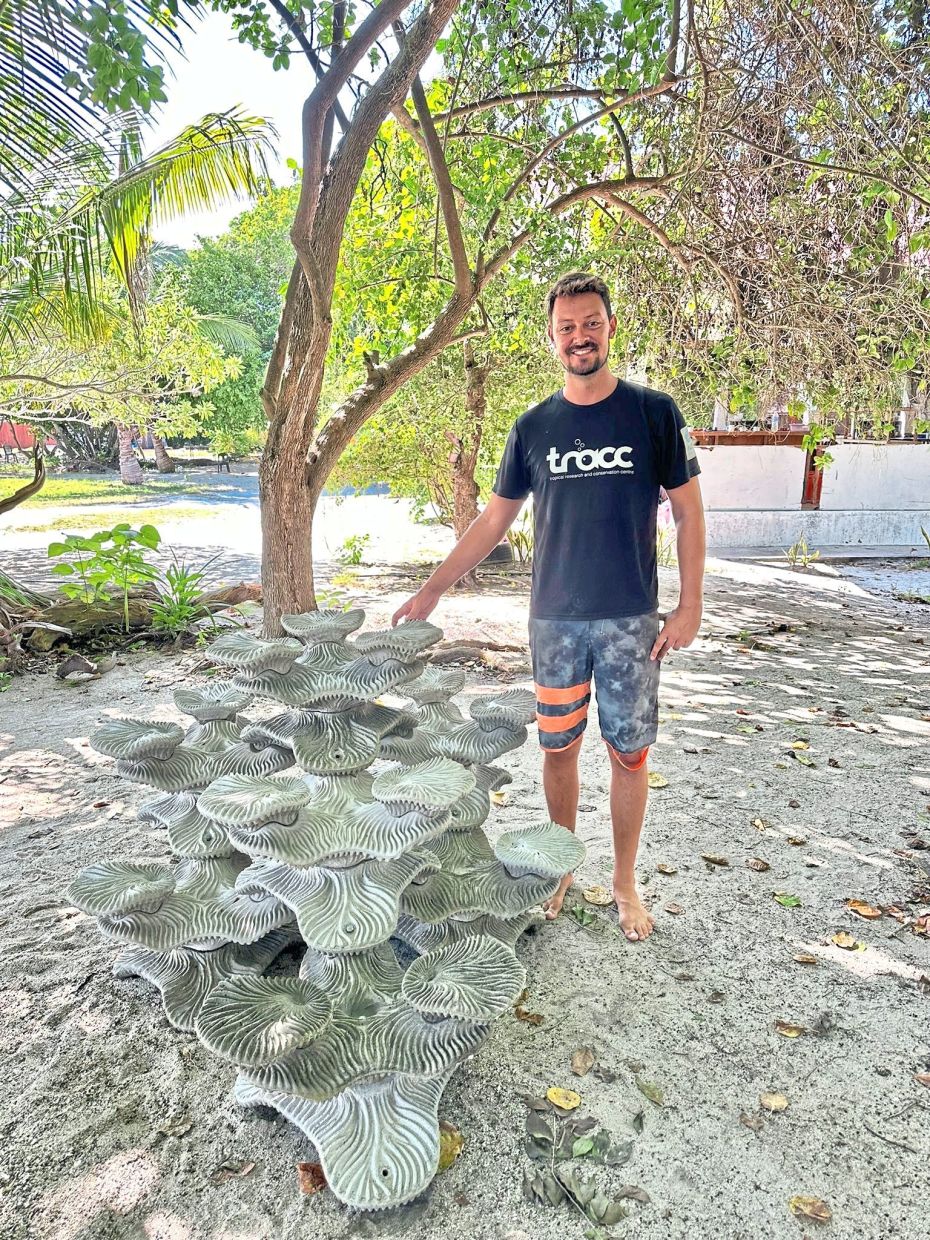
His team also focuses on relocating turtle nests on the island, and introducing the use of man-made reefs from 3D printed moulds.
Together with volunteers, TRACC has been installing these artificial reefs to bring life back to the waters. For the next two years, the organisation will ramp up reef deployment with the nearby Kulapuan community.
Using 3D-printed moulds designed by Reef Design Lab in Australia, the team creates reef structures from sand and cement.
These artificial reefs serve as breeding grounds as they offer vital habitats such as food, shelter and protection for many marine species. Additionally, they are also essential for the regeneration of natural corals.
The results, Philippo said, have been promising. “The fish are back!” Fish now dart in and out of the reefs and coral cover is increasing, too, he revealed.
With enough effort, even the most damaged places can be given a second chance at life.
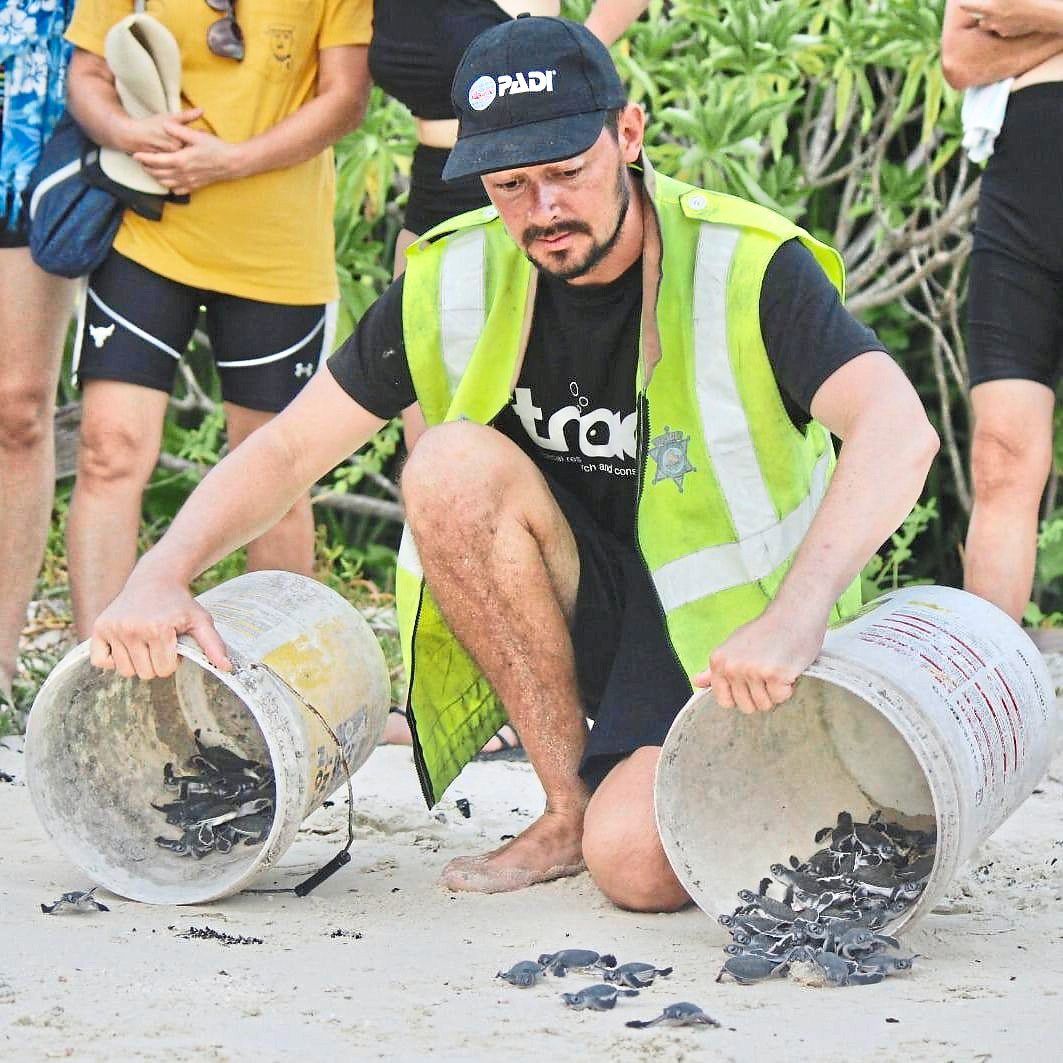
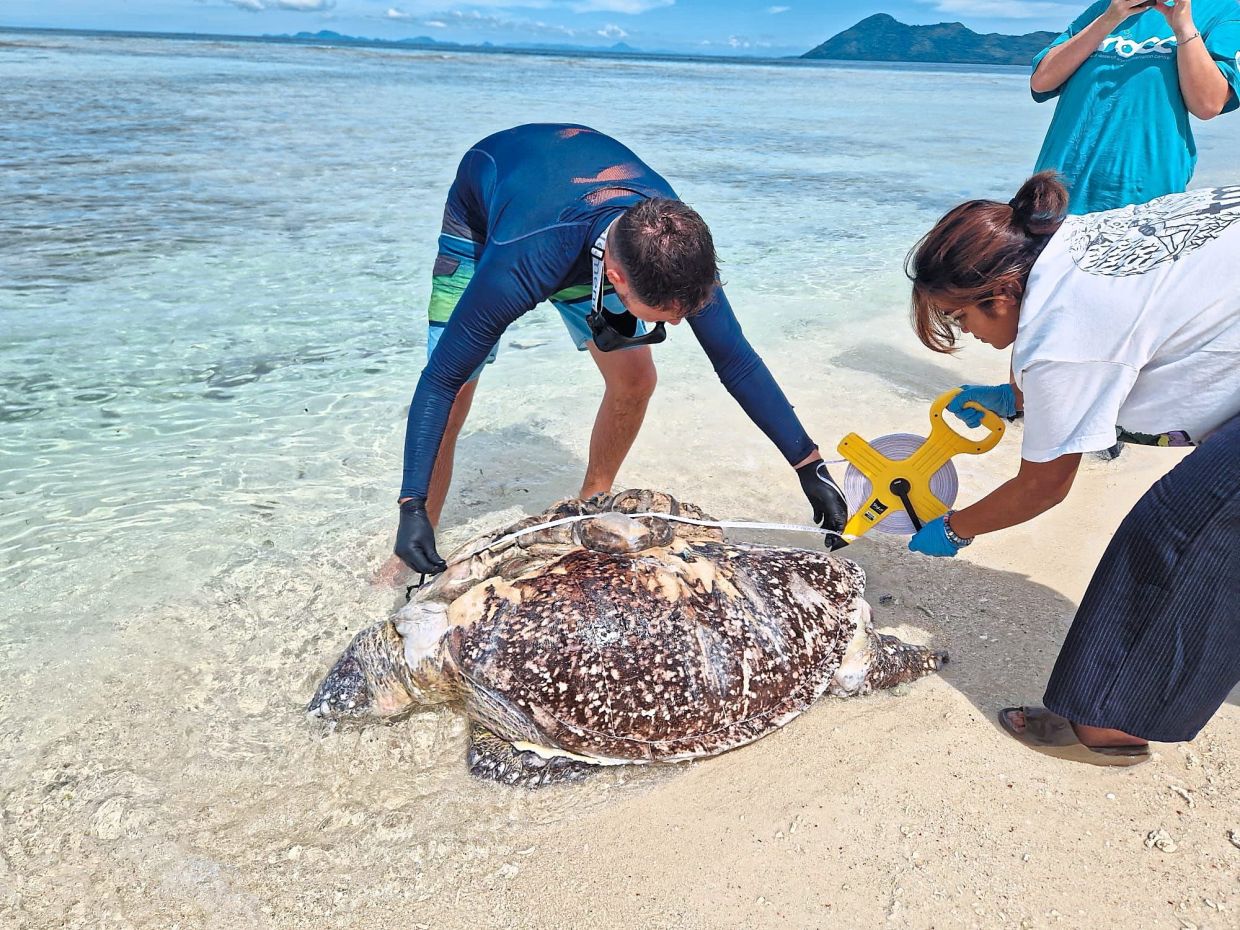
Alongside this, TRACC has safely relocated 1,021 turtle nests to hatcheries, releasing over 80,000 hatchlings back into the ocean.
“Turtles are especially vulnerable to growing tourism and boat traffic. So every single nest we save really counts,” he said.
A joint effort
Off the coast of Johor, islands like Pulau Sibu, Pulau Tinggi, Pulau Besar, Pulau Aur and Pulau Pemanggil in Mersing are now part of a growing conservation initiative led by Reef Check Malaysia.
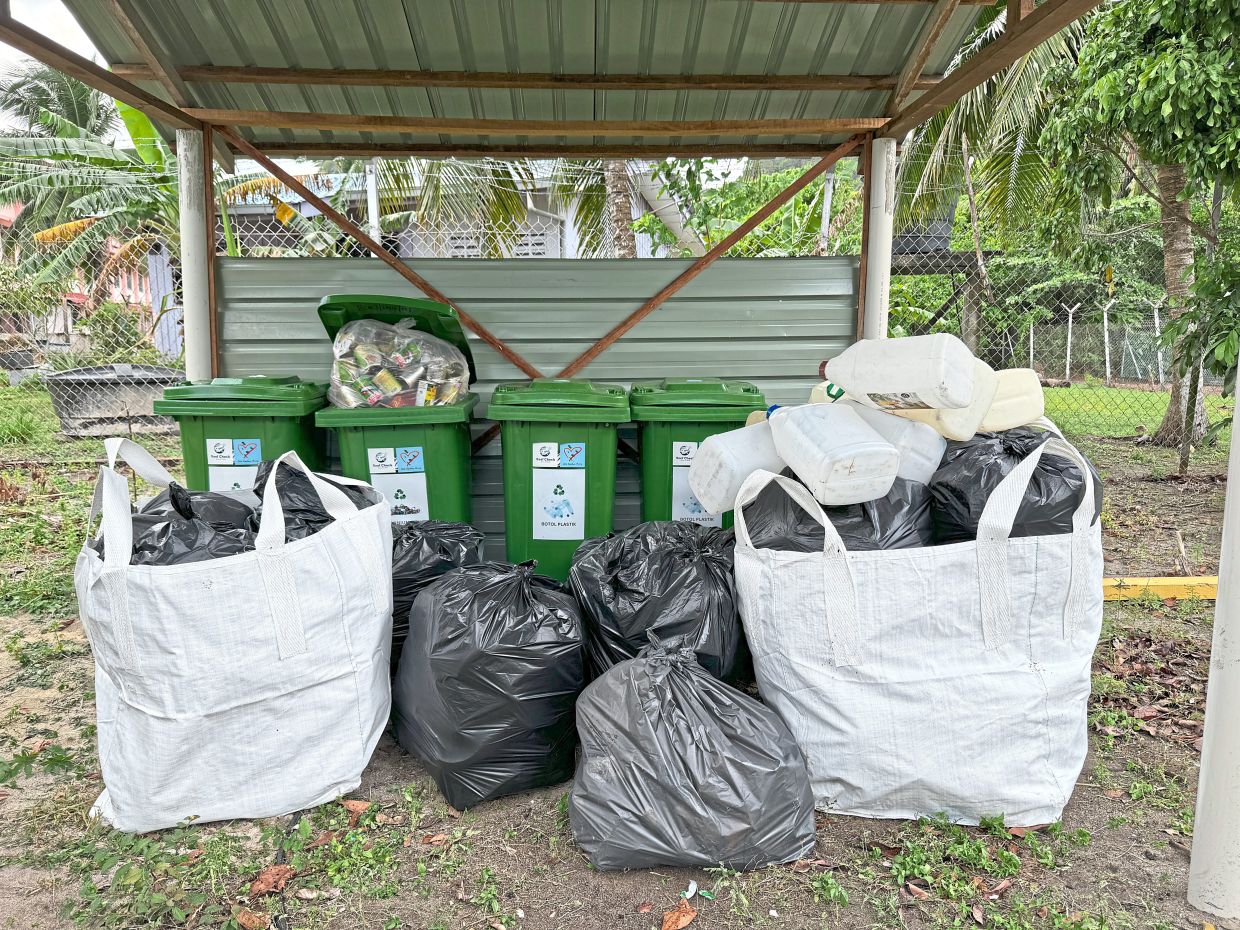
Since 2019, the project has focused not only on protecting coral reefs but also on removing marine threats and setting up proper waste management systems for local communities.
These efforts are, in fact, developed from nearly 20 years of reef monitoring in the area.
According to programme manager Atteleth Don Peris, 33, the islands are special because of their rich biodiversity.
“They host more than 260 species of hard corals – some of the highest numbers in Peninsular Malaysia – and one of the country’s largest seagrass meadows, which support turtles, dugongs and other marine life,” he explained.
These natural wonders face mounting pressures, however. Some of the local challenges faced by the sensitive ecosystems include the lack of proper waste and sewage systems, unsustainable tourism practices and limited opportunities for local island communities to actively manage their own marine resources.
“People are not aware that many islands along the east coast of Peninsular Malaysia still lack basic waste and sewage infrastructure. There have been reports from other island destinations of sewage pollution, and we’ve also heard community concerns about trash accummulating around the islands,” Atteleh Don explains.
“Our programmes in Mersing aim to help address these challenges,” he added.
Climate change has made the situation even harder. “We are experiencing more irregular weather patterns and stronger storm seasons,” said Atteleth Don.
Stronger storms are damaging reefs, while rising sea temperatures have caused mass coral bleaching. In Johor, some sites “lost up to 20% of their coral cover”, said Atteleth Don. While some corals have recovered, many have died.
Despite these setbacks, Reef Check Malaysia’s goal is to keep the islands’ coral reefs healthy, for both marine life and for the people whose livelihoods depend on them.
Larger scale
Philippo and Atteleth Don believe that even the smallest actions can help the ocean “recover”. And there are already signs of progress in both Pom Pom and Mersing.
“On Pom Pom, fish populations are gradually bouncing back, and even top predators like sharks are making appearances,” Philippo revealed.
The condition has improved so much that on one of his recent dives, Philippo even encountered a whale shark – the first he’d ever seen in more than 3,000 dives around the island.
Atteleth Don, at the same time, said Reef Check’s reef rehabilitation work is also paying off.
“We have seen stingrays, seahorses and reef fish return to restored areas. It shows the reefs are slowly reclaiming their role as vital habitats for marine life.”
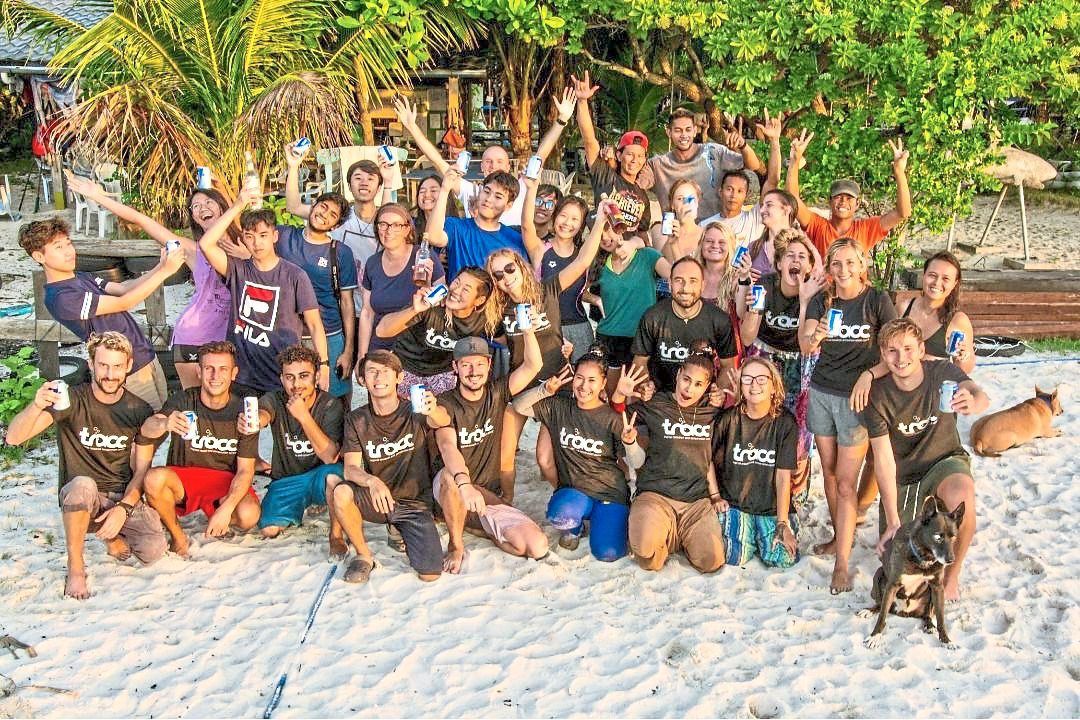
Conservation is more than just the work of NGOs alone, it is a shared responsibility among locals and tourism operators, as well as tourists.
Atteleth Don has noticed more operators becoming active partners in protecting the islands through Reef Check’s sustainable tourism programmes like Green Fins and Eco-Friendly Snorkel Guide.
Many now avoid harmful practices like fish feeding and dropping anchors on reefs. Some even support ongoing conservation projects.
With these changes, human pressure on fragile marine ecosystems is minimised, Atteleth Don said.
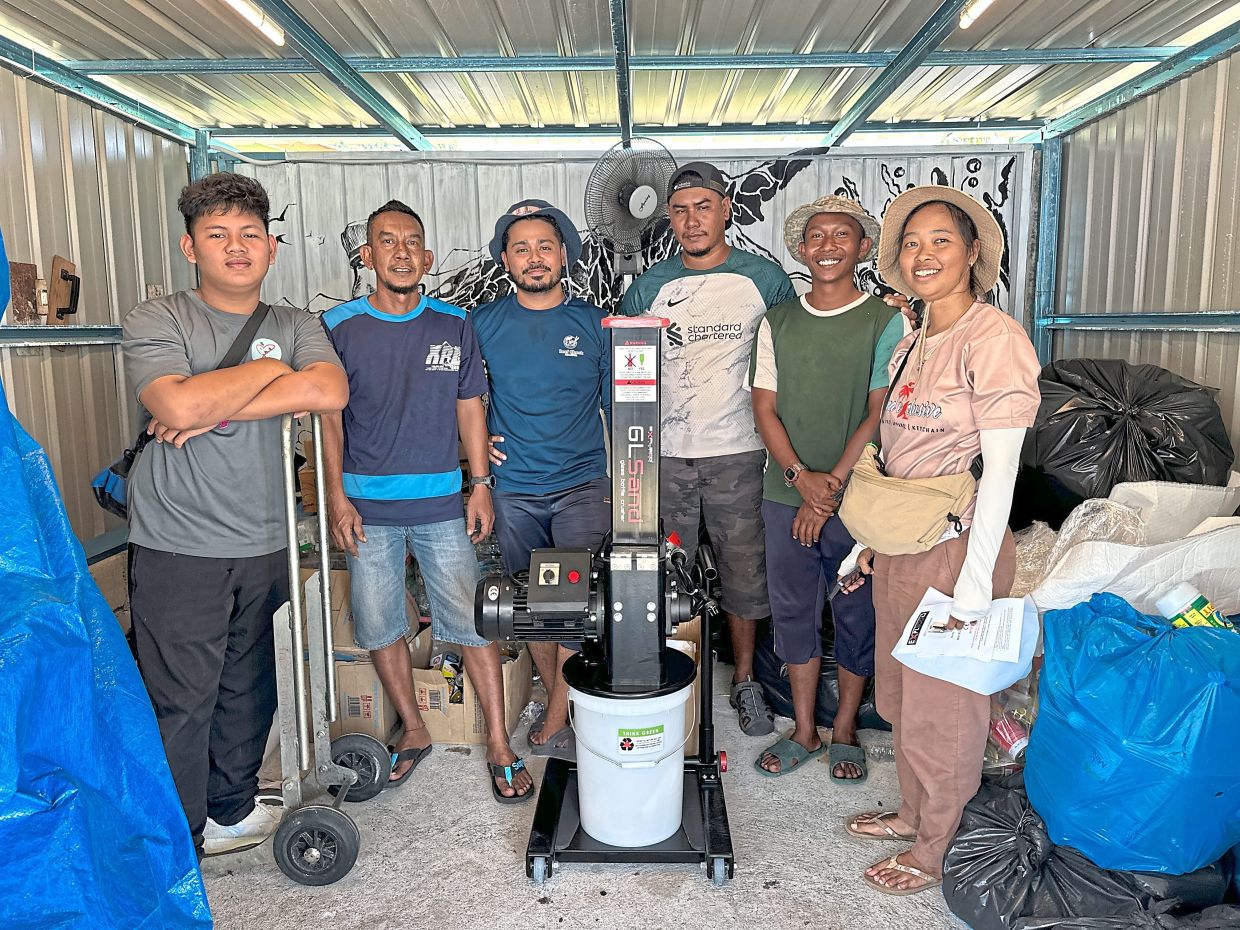
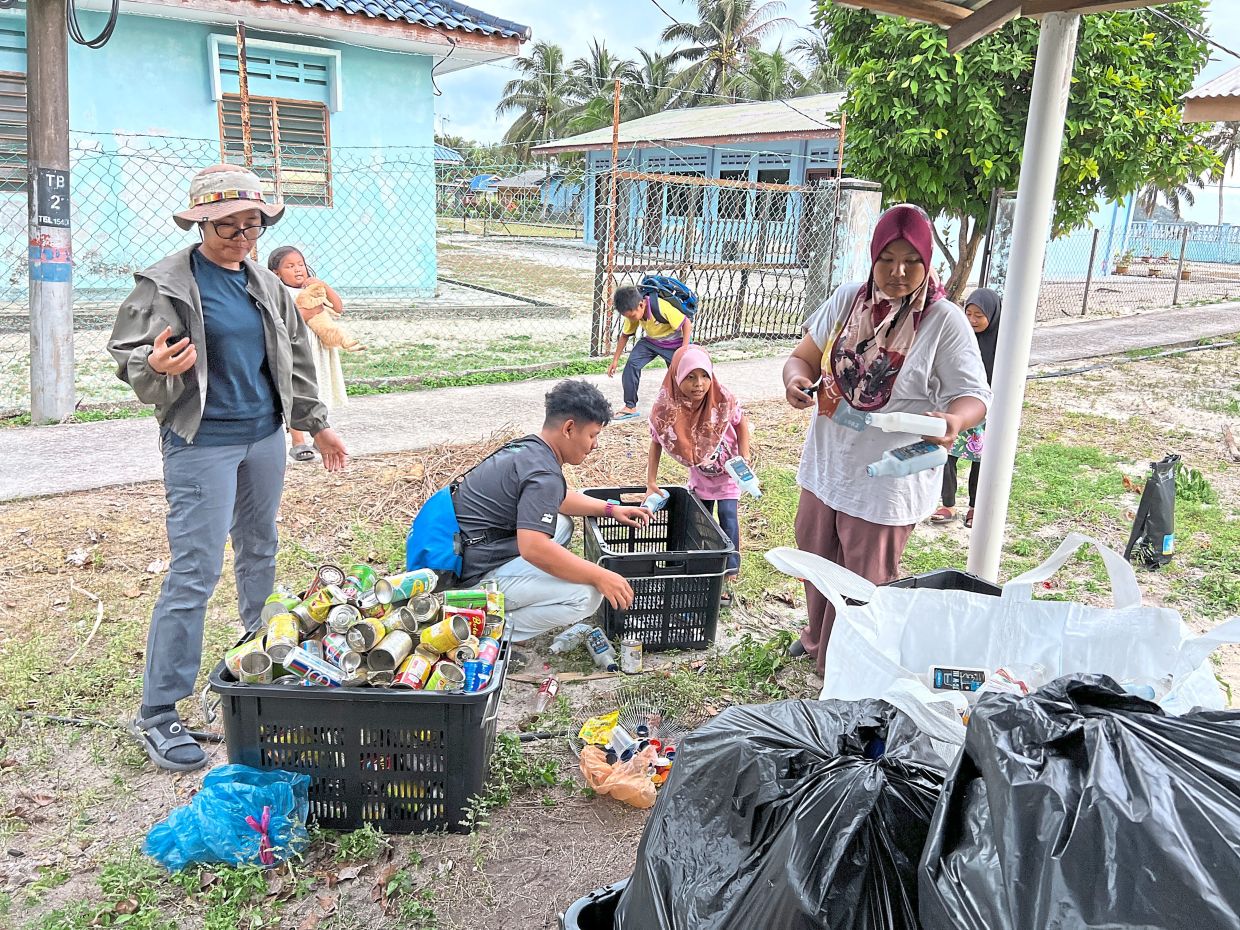
Local communities are deeply involved, too. Through Community Marine Conservation Groups, residents take part in reef restoration, recycling and outreach work.
“Many say they see a cleaner environment since recycling programmes began,” he said.
Apart from that, partnerships with government agencies like the Department of Fisheries have strengthened these efforts, ensuring conservation benefits both people and the environment.
These efforts mean traditional fishing practices can be preserved, while sustainable tourism creates jobs, Philippo explained. “But most importantly, locals are becoming ocean stewards, caring for their home.”
Everyone, he said, has a role to play.
“The common misconception tourists often have about marine conservation is that it can only be done with education and training. But in reality, every little thing we do counts. Not leaving rubbish behind, or something as simple as not touching corals – these are acts of care that anyone can do.”
Meanwhile, Atteleth Don highlighted that case studies worldwide show how irresponsible or destructive tourism behaviour can harm not just the environment but also local culture and traditions.
“It is not always the visitors’ fault,” he said. “In many places, there simply aren’t enough efforts to guide them.”
One common example is the way people see corals. Atteleth Don said: “Many tourists – and even some operators – still believe corals are just rocks. But corals are living organisms. Stepping or releasing anchors on them can cause serious damage to the entire ecosystem.”
Additionally, many visitors don’t realise that most islands in Mersing are gazetted as marine parks. “This means the waters within two nautical miles (3.7km) from shore are protected areas where strict rules apply. Activities such as fish feeding, hunting, collecting marine life, fishing or dumping waste are banned.
“In order to educate visitors, we must first understand the marine resources we have, how fragile they are, and the laws that protect them,” Atteleth Don stressed.
From clear signage and visitor briefings to guided experiences and outreach materials, Atteleth Don believes there are many ways that can help people understand why conservation matters and how they can enjoy the islands without harming them.
Here are other islands around the world that are doing their best in protecting our underwater ecosystems.
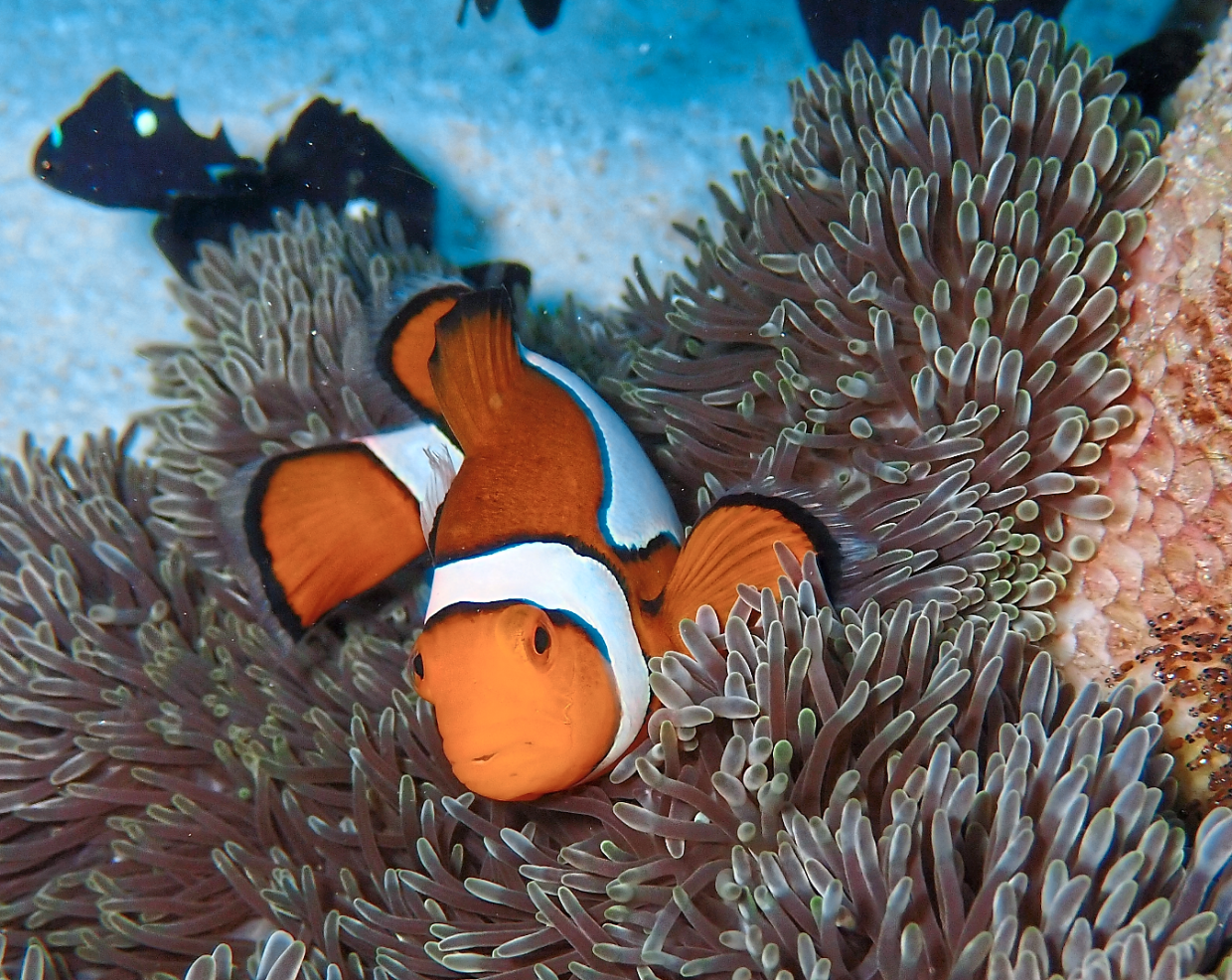
1. Raja Ampat Islands (Indonesia)
Once plagued by unsustainable fishing practices and poaching, Raja Ampat is now a network of marine protected areas.
Spanning some four million hectares and with about 1,500 islands, the Indonesian archipelago is located in the heart of the Coral Triangle. Based on information from the World Wide Fund for Nature (WWF) website, it is a marine region that covers parts of Indonesia, Malaysia, Papua New Guinea, Timor-Leste and several others, with hundreds of coral reefs residing within its waters.
There are over 1,700 species of reef fish found around the Raja Ampat islands alone, according to the Raja Ampat Marine Park Authority.
The protected areas are also home to mega fauna, such as dugongs, sharks, manta rays and turtles, all of which are fully protected.
To visit Raja Ampat, visitors must first pay for the marine park entry permit (which can be bought online); the fees collected will go to conservation efforts and management of the protected areas.
To get to the islands, fly to Sorong Airport in Indonesia’s Southwest Papua, then take a taxi to the ferry harbour in Waisai. From here, take a boat to your accommodation.
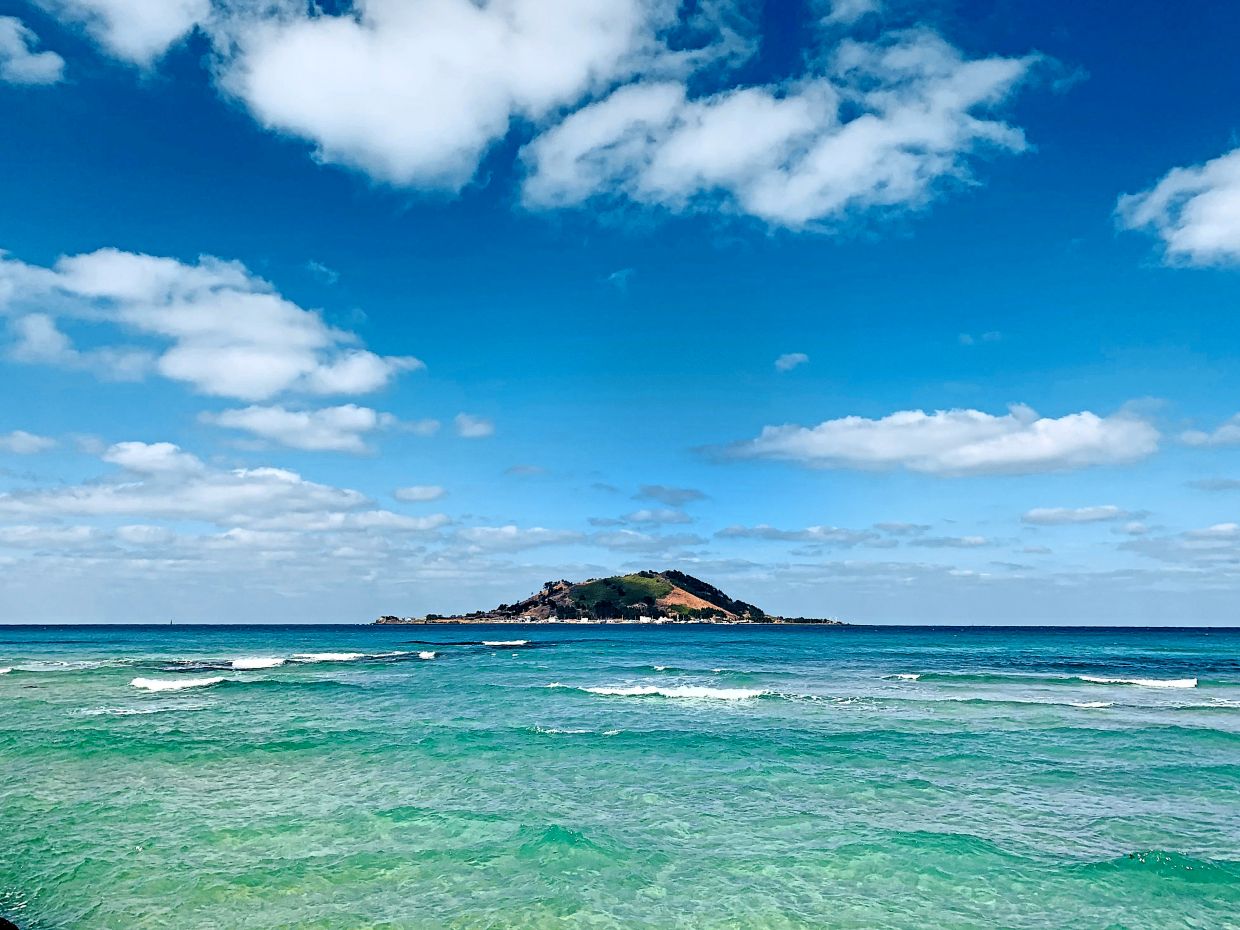
2. Jeju Island (South Korea)
South Korea’s famed Jeju Island holds a “Triple Crown” title. This means that the volcanic island, the largest in the country, has three Unesco designations: A Biosphere Reserve (2002), World Natural Heritage Site (2007) and a Global Geopark (2010).
Earlier this year, the island established two new Marine Protected Areas: Shindo-ri and Gwantaldo.
The former is a sanctuary committed to safeguarding the endangered Indo-Pacific bottlenose dolphin. According to the Whale and Dolphin Conservation website, only about 120 of the marine species remain in South Korea’s waters.
Gwantaldo, occupying some 1,075sq km, is the country’s largest marine reserve. It focuses on protecting not only dolphins, but also coral reefs and marine plants, as well as prohibiting harmful fishing practices like trawling.
Trawling is a type of commercial fishing, which involves towing large nets through the water using a boat.
The island has long been a popular holiday destination among vacationers from near and far, making it all the more important to conserve its marine habitat.
You can fly to Jeju Island from either Kuala Lumpur or Kota Kinabalu.
3. Azores (Portugal)
Just recently, the Azores, consisting of nine islands in the Atlantic Ocean, has been transformed into the Azores Marine Protected Area Network. It’s among the largest protected marine area, covering over 287,000sq km.
Research efforts – by local scientists and Oceano Azul Foundation, among others – have also been carried out to help uncover priority areas that need protection.
To protect its rich underwater ecosystems, activities like mining and fishing are off-limits.
The Azores are teeming with diverse marine life, like sharks, deep-sea corals and manta rays. The islands provide ideal conditions for cetaceans, and hence earned the title of “Whale Heritage Area” two years ago.
From KL, fly to Lisbon or Porto in Portugal, and then take a domestic flight to Ponta Delgada Airport on Sao Miguel Island.
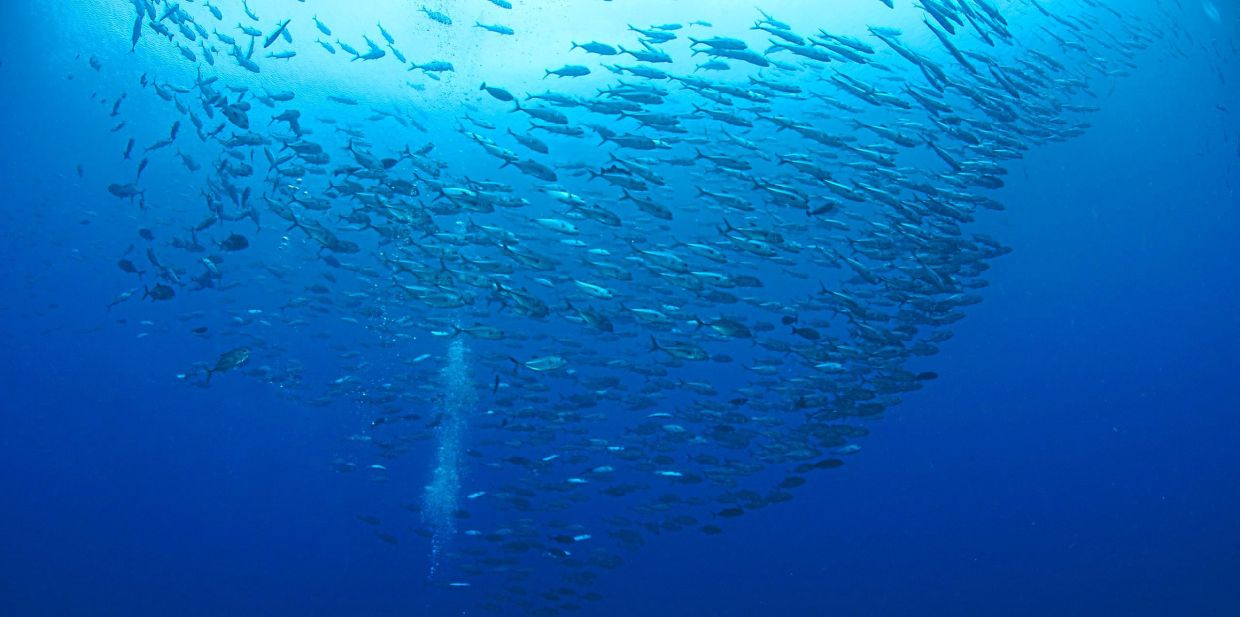
4. Palau
Home to one of the world’s largest marine protected areas, the Palau National Marine Sanctuary in Palau boasts a thriving ecosystem of over 800 marine species. Of these, about nine species are on the International Union For Conservation of Nature (IUCN) Red List, including the critically-endangered hawksbill and leatherback turtles.
Located in the western Pacific Ocean, the archipelago measures nearly 500,000sq km, with 80% of its surrounding waters in a “no-take” zone. This basically means any type of activity that poses a threat to the underwater ecosystem is strictly prohibited, including fishing, mining and other extractive activities.
The sanctuary’s unique geological features comprise some 400 seamounts and sea knolls. Both are undersea mountains, serving as deep-sea habitats: Seamounts are generally larger, while sea knolls are smaller.
There’s ongoing research and monitoring work in this sanctuary by the Palau International Coral Reef Centre.
Getting to Palau from Malaysia is not easy. You would need to first make your way to either Australia, Taiwan or the Philippines, before getting on a flight to the Palau International Airport. But all that work is worth it in the end as Palau is a great island to visit.
Star Media Group, always in the forefront of championing ESG topics, is the founder of the Asia ESG Positive Impact Consortium. Visit us at https://aepic.asia/
The importance of marine conservation
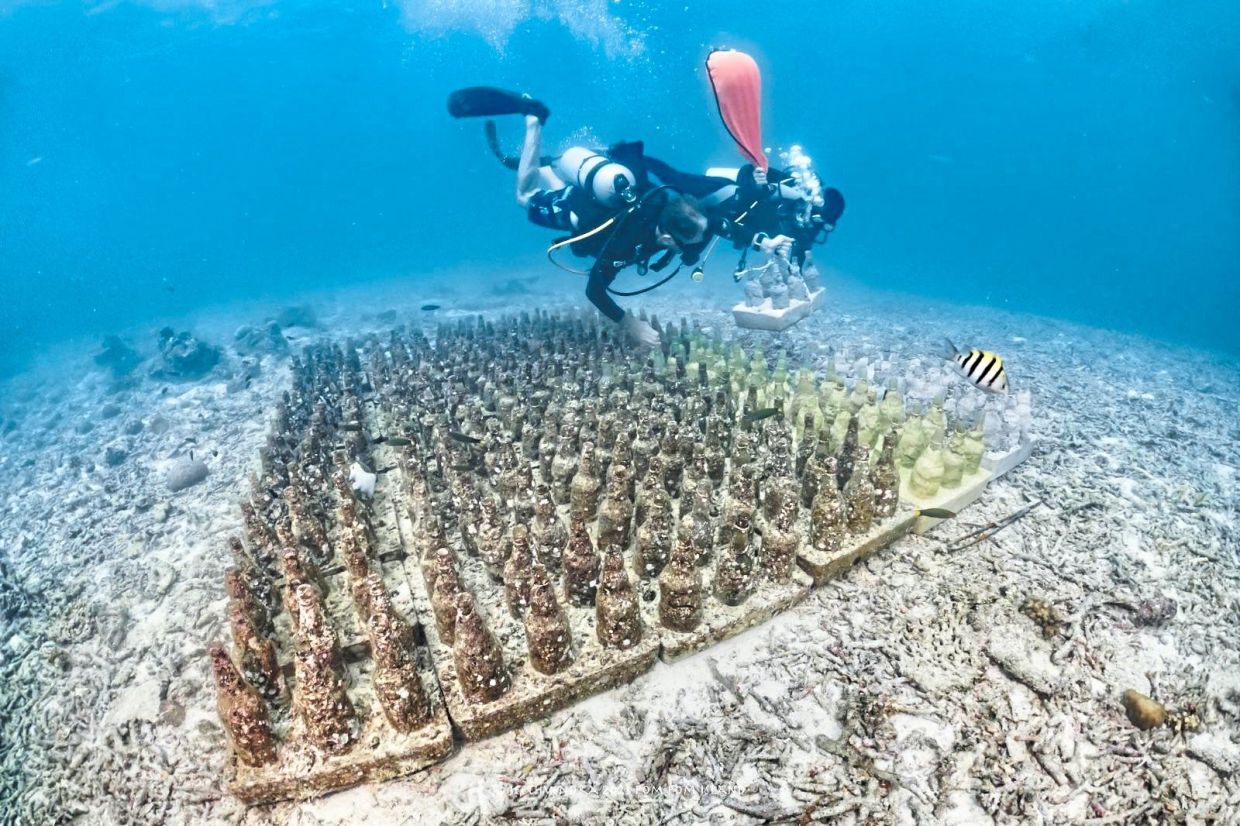
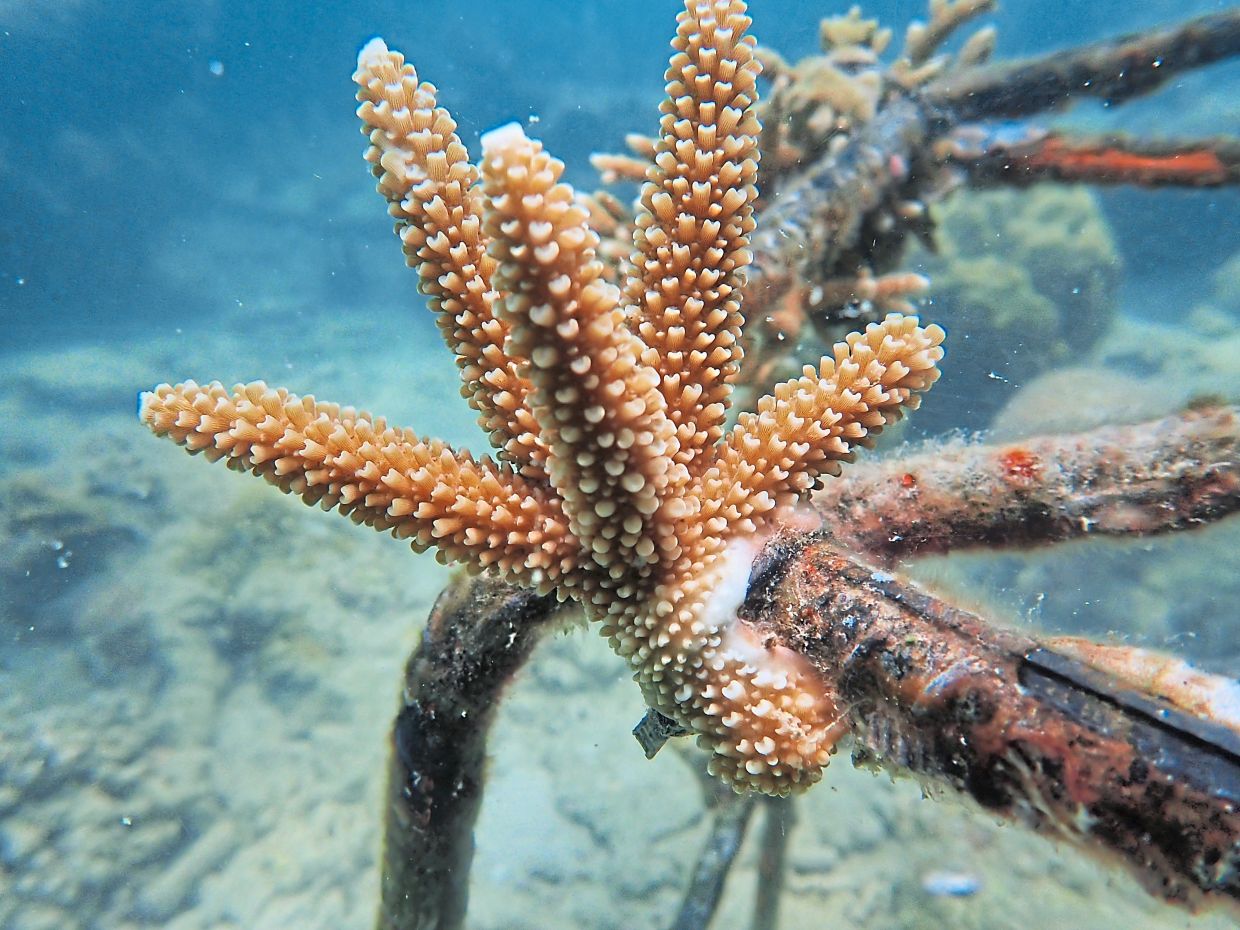
Man-made reefs are vital as they serve as breeding grounds for many marine species. — ROBIN PHILIPPO
Philippo with one of the artificial reefs created from sand and cement. — ROBIN PHILIPPO
TRACC works closely with the local communities to protect Pom Pom's underwater ecosystem. — ROBIN PHILIPPO
TRACC has also released tens of thousands of hatchlings back into the ocean. — ROBIN PHILIPPO
TRACC has released tens of thousands of turtle hatchlings back into the ocean. — ROBIN PHILIPPO
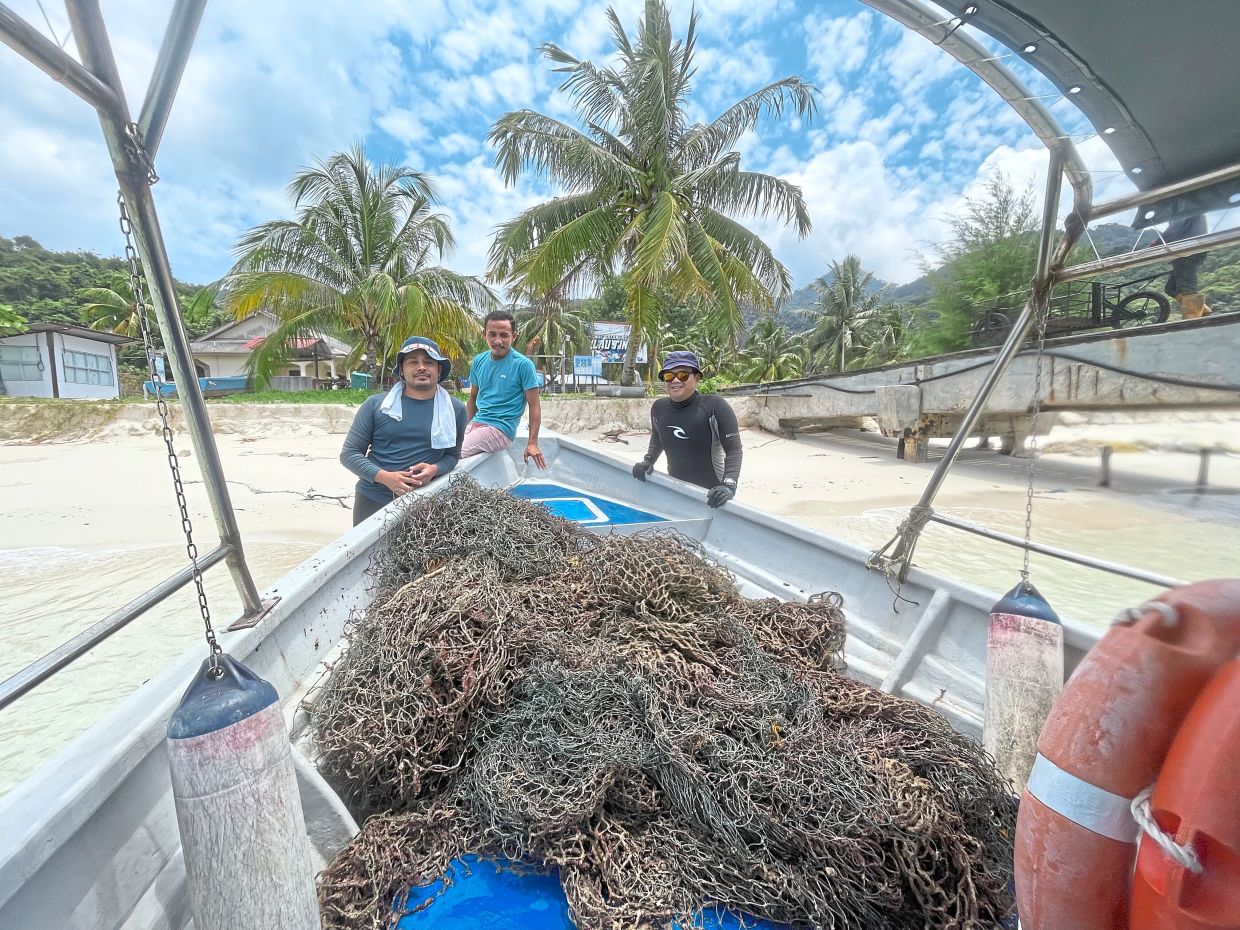
Marine conservation is a collective effort, says Atteleth Don (third from left). — Photos: ATTELETH DON PERIS
Through Reef Check's Community Marine Conservation Groups, folks take part in reef restoration, recycling and outreach work. — ATTELETH DON PERIS
Through Reef Check’s Community Marine Conservation Groups, locals take part in reef restoration, recycling and outreach work.
The reefs in several islands in Mersing are slowly reclaiming their role as vital habitats for marine life.
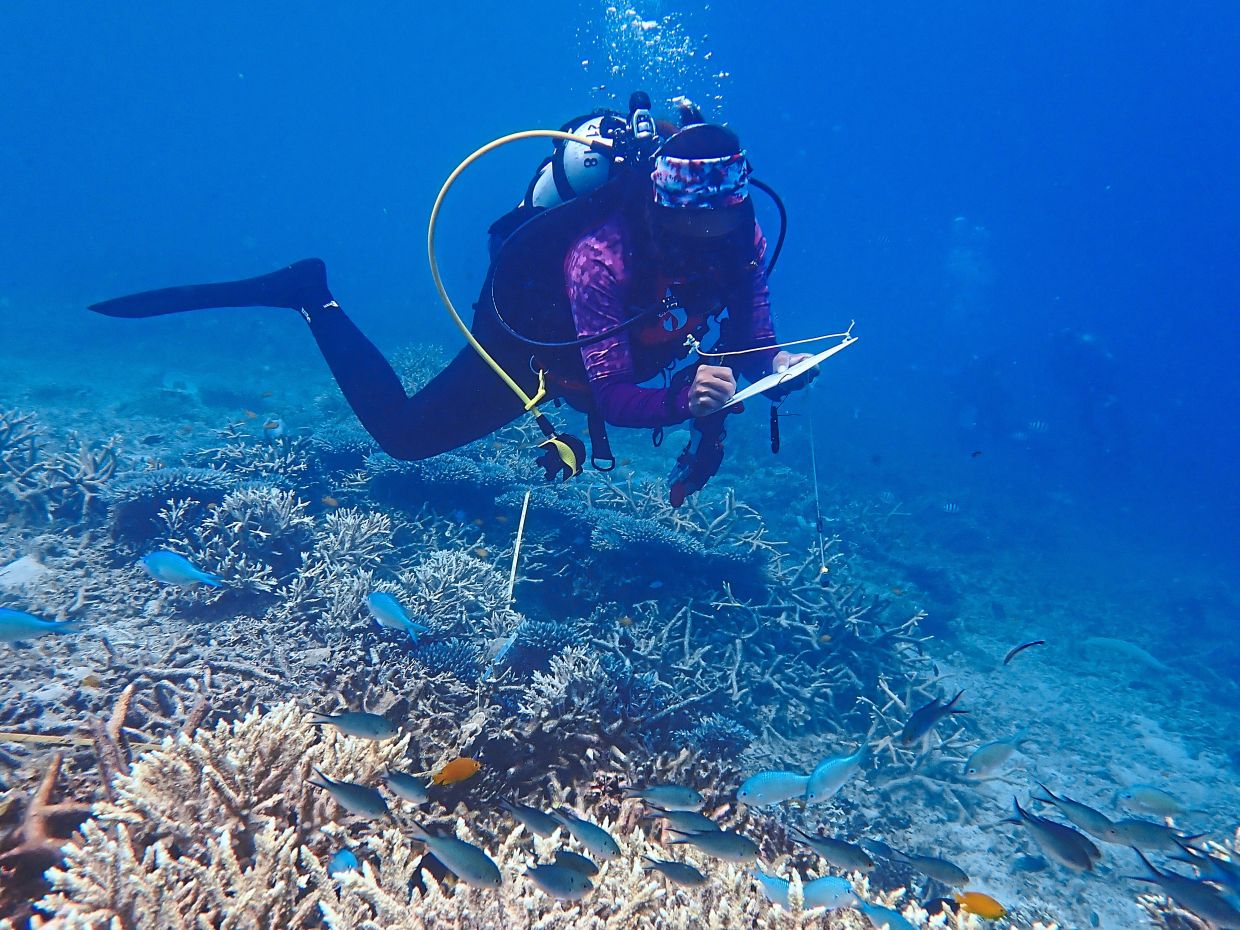
Collecting data of reef health is part of Reef Check’s marine conservation initiative.
Ghost nests retrieved from the ocean. — ATTELETH DON PERIS
Raja Ampat in Indonesia is part of the Coral Triangle, where hundreds of coral reefs call the archipelago home. — Raja Ampat Marine Park Authority
Jeju Island has a ‘Triple Crown’ status. — Unsplash
The Palau National Marine Sanctuary has about 800 marine species. — Marine Conservation Institute