In Sarawak, echoes of time still flow into the present. From the skulls and cave paintings of Niah to the bustling oil town of Miri, the story of survival, trade and change resounds along the coast.
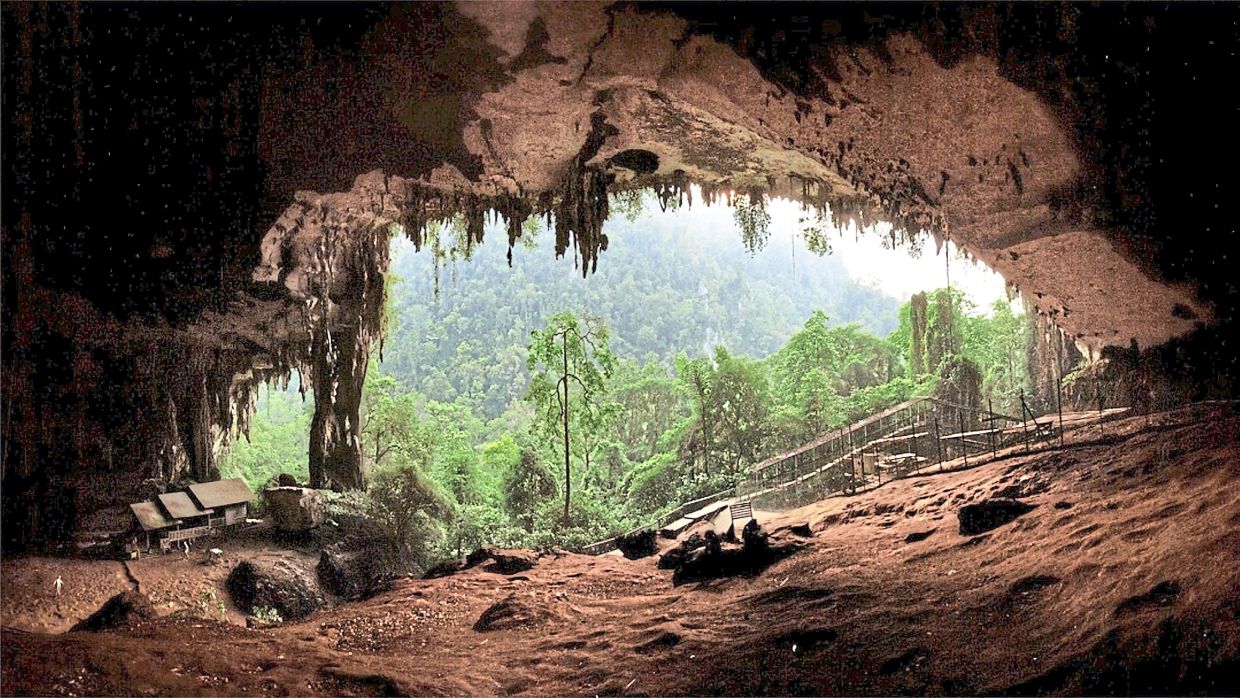
The raised boardwalks that snake through tangled roots and towering trees in Niah National Park lead to the opening of Niah Cave.
The walk to the famous cave in Sarawak’s rainforest is more than just a hike. It is a journey back in time to discover human history.
This is where archaeologists unearthed the famous “Deep Skull”, evidence that the cave was once among South-East Asia’s earliest known human settlements.
The preserved paintings on its walls, dating back thousands of years, tell the story of early communities who sheltered here.
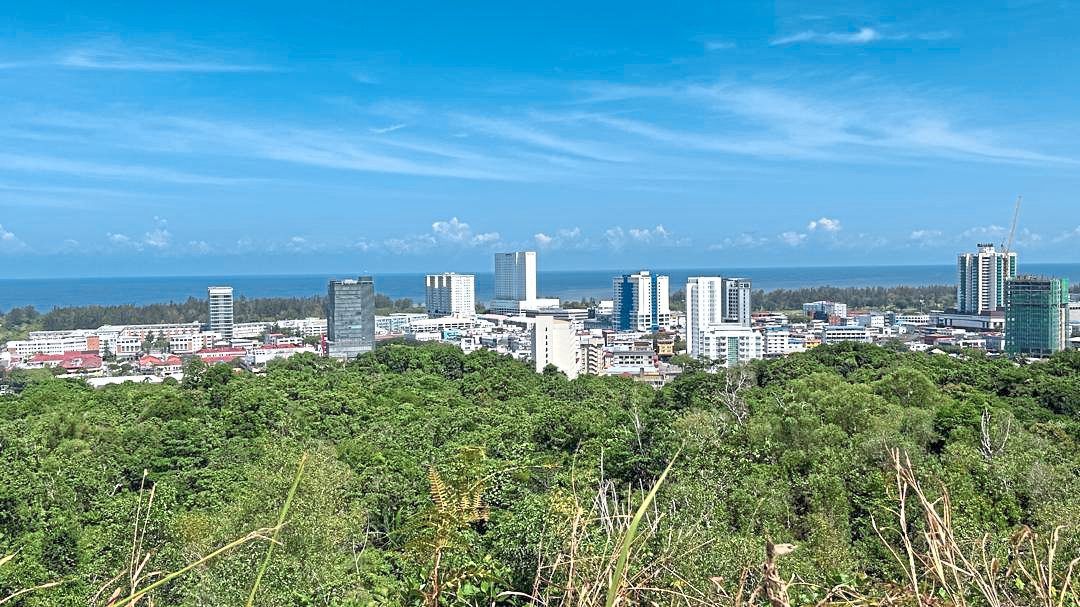
Inside the cave, swifts and bats share the space with massive stalactites hanging like chandeliers, glistening against torchlight.
In one chamber, sunbeams cut through an opening in the roof, turning the guano-streaked rock golden.
The atmosphere is sacred as echoes bounce off walls that hold 40,000 years of history.
Last year, Niah was recognised as a Unesco World Heritage Site, cementing its place on the global stage. Yet, it is more than a tourist attraction.
It represents a living balance of heritage and sustainability.
The Iban community continues to harvest bird’s nests, guide visitors and maintain trails, sustaining their livelihoods while preserving the forest.
Here, nature, history and people are bound together.
But a visit to Niah rarely stands alone. About 90km away, just over an hour’s drive, is Miri – the coastal city that serves as the gateway to the caves.
If Niah whispers the story of survival in prehistory, Miri tells of transformation in modern times.
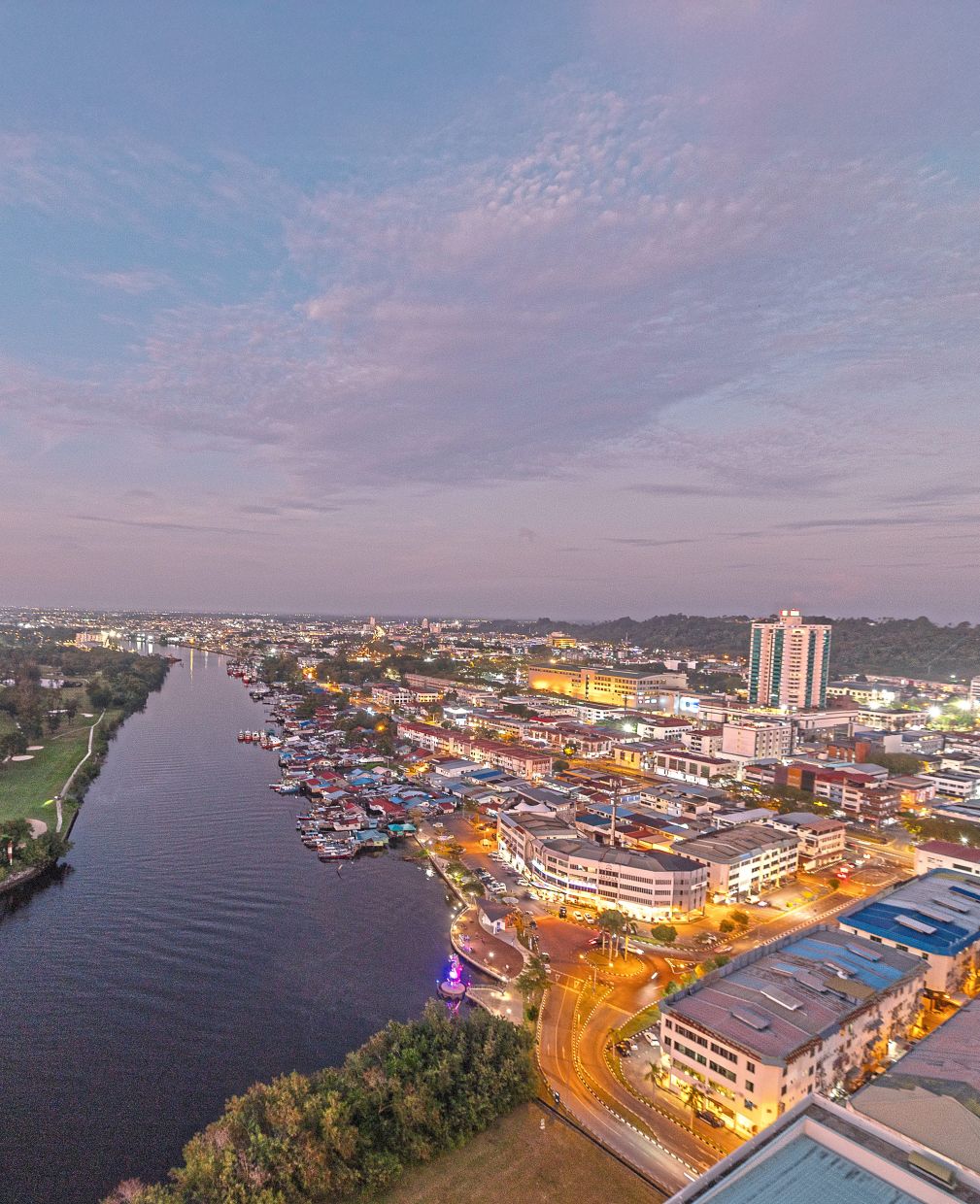
Situated near the Baram River, Miri has long been a crossroads.
Traders, settlers and explorers once passed through on their way to Sarawak’s interior.
The name itself comes from the Jatti Miriek people who lived along its shores.
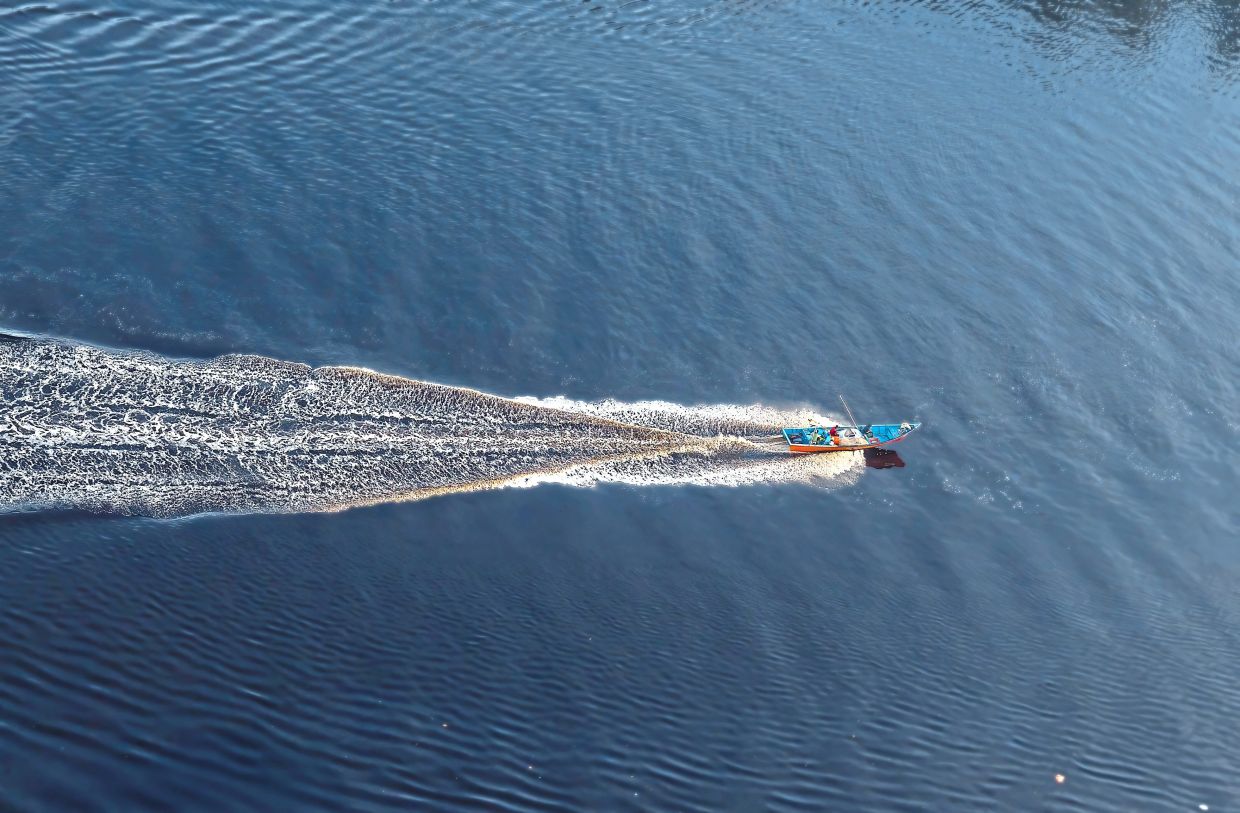
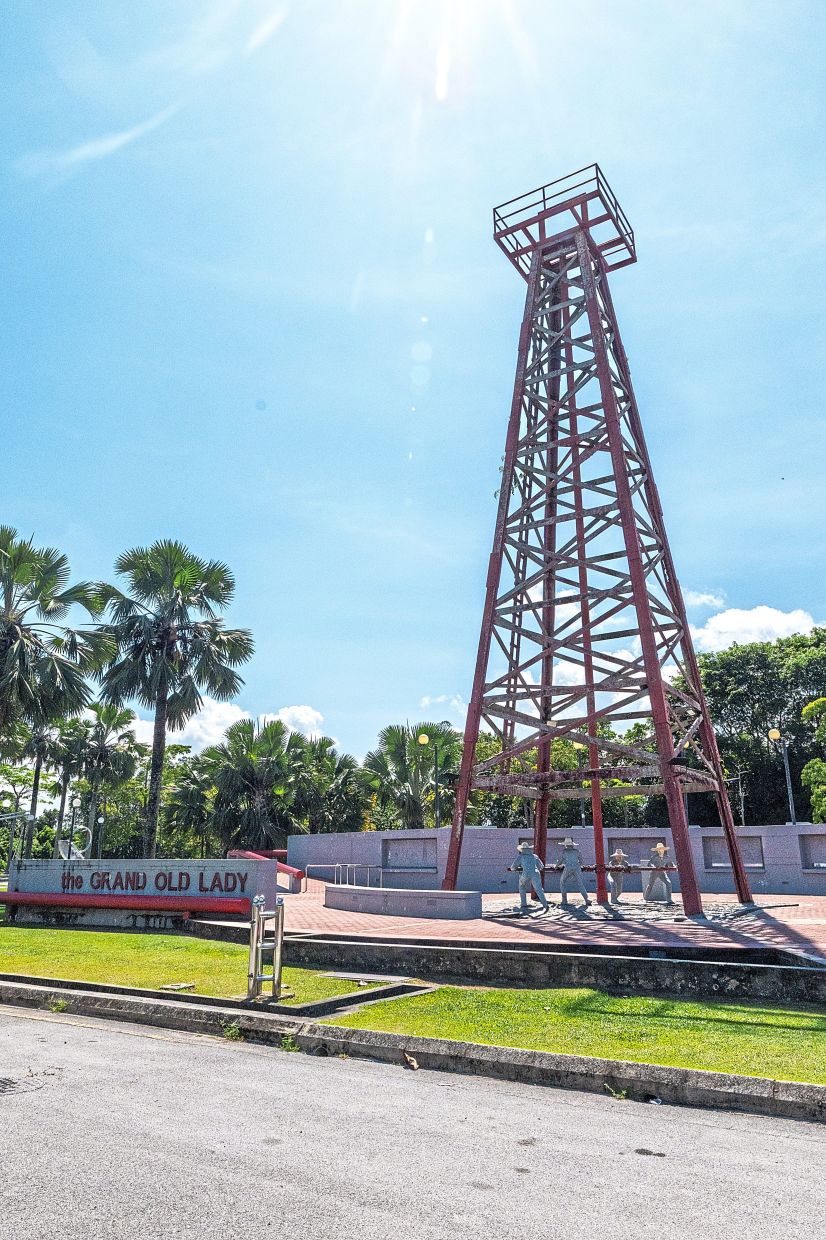
For centuries, it remained a modest settlement – until 1910, when Shell drilled Malaysia’s first oil well on Canada Hill.
That strike changed everything. Miri grew from a sleepy fishing town into a bustling oil hub.
The old derrick, affectionately called the “Grand Old Lady”, still stands, preserved as a monument to the moment that rewrote the city’s fortunes.
Modern Miri reflects that blend of history and everyday life.
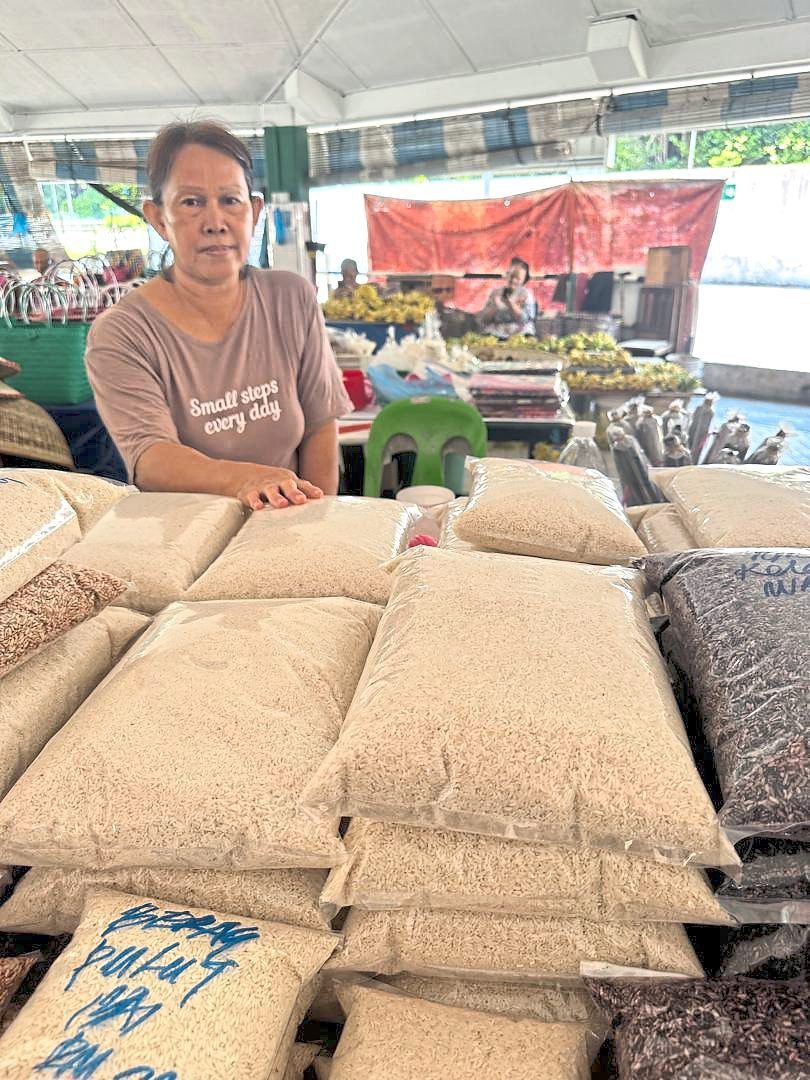
At Tamu Muhibbah, the city’s traditional market, visitors can sample the produce of forest and farm – jungle ferns, wild honey, smoked fish, fruits, handwoven mats and tuak, the traditional rice wine.
The market is also a meeting place for the city’s many ethnic groups, where culture is expressed not through performances, but through what people eat, trade and use in daily life.
Beyond the bustle, Miri still carries echoes of the wild.
A short drive leads to the Crocodile Farm, where massive reptiles bask with jaws agape. At feeding time, their raw power is on full display – a reminder that Sarawak’s rivers still belong as much to crocodiles as to boats.
The farm also features smaller wildlife and birds, giving visitors a glimpse into the biodiversity that thrives here.
For those seeking calm rather than thrills, Tanjung Batu Beach offers an antidote. Facing the South China Sea, it is an ideal spot to unwind as the day ends.
On a clear evening, the horizon glows gold and orange, with oil rigs silhouetted in the distance – silent steel reminders of the city’s oil-fuelled past, set against the timeless rhythm of the sea.
Miri may be best known as the launch point for Niah Cave, but to see it only that way is to miss the bigger picture.
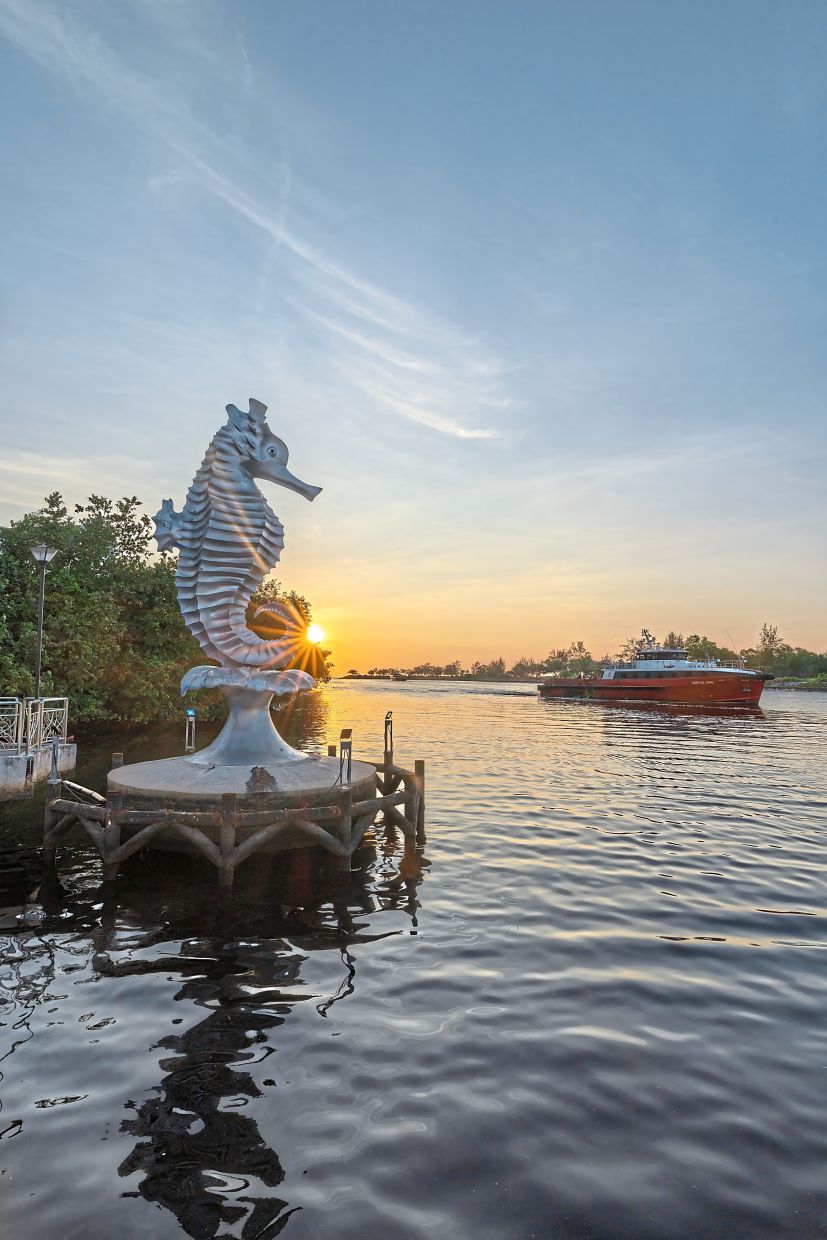
Together, the cave and the city tell a connected story – of how people have lived, adapted and thrived in Sarawak, from prehistoric shelters to modern oilfields.
Miri is more than a stopover. It is a place of details and discoveries, where markets, monuments and coastlines combine to reveal the richness of Sarawak’s second-largest city.
Pair it with Niah and you’ll hear echoes that resound from prehistory to the present – a story written in caves and carried on in a city by the sea.