
The main reason I decided to visit Kobe in Japan earlier this year was not because I wanted to sample the famous Kobe beef in its city of inception, or to see a former earthquake zone.
It was because Kobe is only about 40 minutes by road to Osaka, and the hotels are far less expensive there. So I thought I would make the city one of my bases when I visited the island of Honshu – or at least, the south-eastern part of it.
Kobe was meant to be a place of accommodation, nothing more. Little did I know that the area surrounding the city was also worth exploring.
Kobe itself does not boast many tourist attractions. Sure, there is Chinatown. But if you come from Malaysia, chances are that you are not there for Chinatown.
Kobe consists of several main streets on a strip of land next to the sea. At the harbour you will find Harborland, featuring the iconic Kobe Port Tower. There’s a “I Love Kobe” sign here that’s popular with tourists.
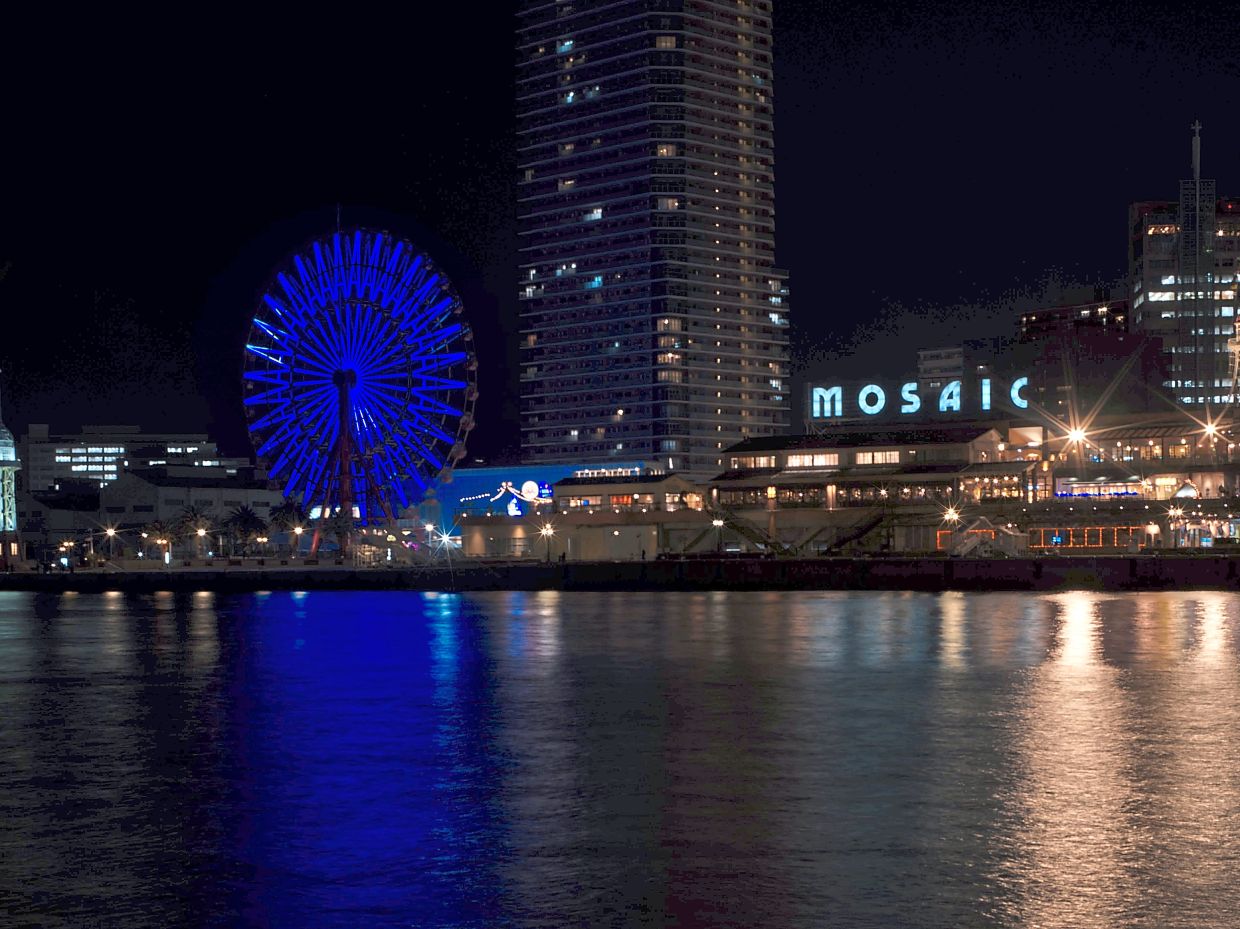
Head up to Mount Rokko if you want a scenic view of the city from the top. When we went up, it was snowing and hazy, and so we could not see the port very well from the viewing points.
My husband and I went for a “hamburg” lunch by a fireplace at a restaurant there instead.
Go further down the Mt Rokko road and you will come to the quaint onsen town of Arima, which boasts one of Japan’s oldest hot springs. Arima is very touristy, with lots of souvenir shops, cafes, natural hot springs, and gelato parlours. You can go for the full onsen experience, or if you want to just dip your feet, some places offer that too.
I bought some authentic Arima bath salts – one silver and one gold – which are meant to have different properties to target aches and pains, as well as alleviate stress.
Meanwhile, Kobe beef is available in many restaurants which carries the “Kobe beef” certification. It’s very expensive, though the meat is definitely “melt-in-your-mouth” good. It should be noted that you do not have to be in Kobe to sample “Kobe beef” as other big cities in Japan offer it too.
Finding Naruto
Now, on the south of Kobe there are two islands: Awaji and Naruto. To get to Naruto island from Kobe, drive through the entire Awaji island as they are all linked by bridges.
There’s a natural whirlpool phenomenon that lies in the sea called the Strait of Naruto, located between the two islands. The whirlpools are created by large eddies of water moving between the Seto Inland Sea and the Pacific Ocean, and the unique configuration of the narrow strait itself.
The whirlpools don’t occur every hour, but only during the change of tides, which is about once every six hours. They can be seen once in the morning and once in the afternoon, and the phenomenon can last for about an hour or two.
You can check the whirlpool viewing times online so that you can time your drive accordingly. Upon arrival, hop on any of the chartered boats that head to the whirlpool (there will be a timetable for this).
This is the best way to get right up next to the whirlpool. Don’t worry about getting sucked in as whirlpools of this size are generally not dangerous to boats.
If you don’t want to charter a boat, you can go on the Uzu no Michi walkway located directly under the Onaruto Bridge. This was the option we took. This walkway has plenty of glass windows set into the floor for you to view the whirlpools from a height.
You can also view the whirlpools from every angle in Naruto Park, which boasts many gentle hiking trails around the area. We walked up to the Senjojiki Observatory for yet another view of the whirlpools, and also took an escalator up Eska Hill for a different perspective.
Looking at those whirlpools from these myriad ways took us half a day.
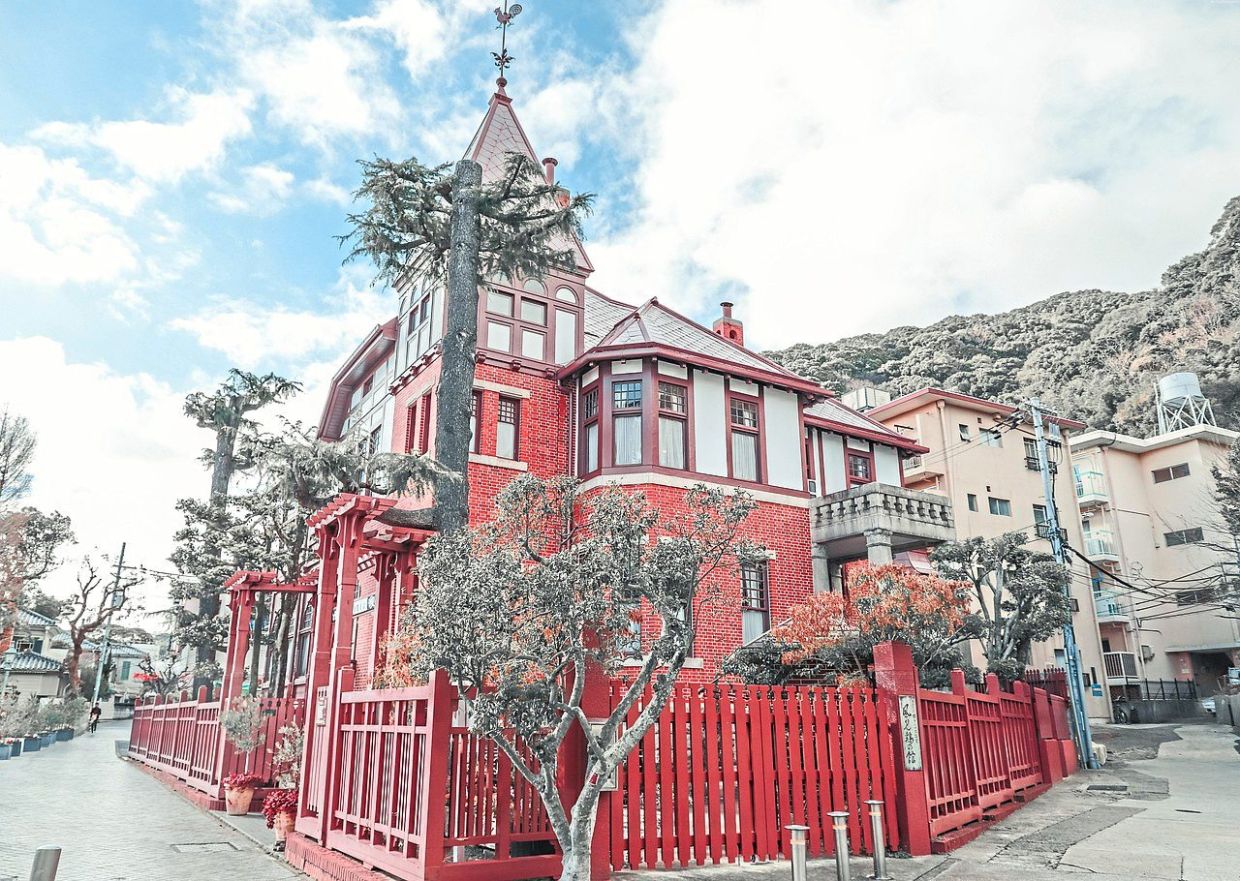
Historical Awaji
Awaji island is well known in Japanese legend because it is claimed that this is the first island that was ever formed in the world. That is also why some people call it the “Island of the Gods”.
Today, Awaji is known for its flowers. You can see rows and rows of carefully planted flowers in the Hanasajiki Park and Kaikyo National Government Park. Unfortunately, there was not much for us to see at the time because it was still winter.
I was told that Awaji is a pink paradise during cherry blossom season, so my advice is to go there during spring.
You can also see the Nojima Fault line, located on Awaji itself. This fault line was responsible for the devastating 1995 earthquake that plagued Kobe and lost so many lives. The exposed fault line is housed in a museum and is fenced off accordingly so that you don’t accidentally fall inside.
Awaji deserves a full-day visit in itself. My advice is to go to Naruto early in the morning, and then to Awaji to tour the place for the rest of the day.
Ancient castle
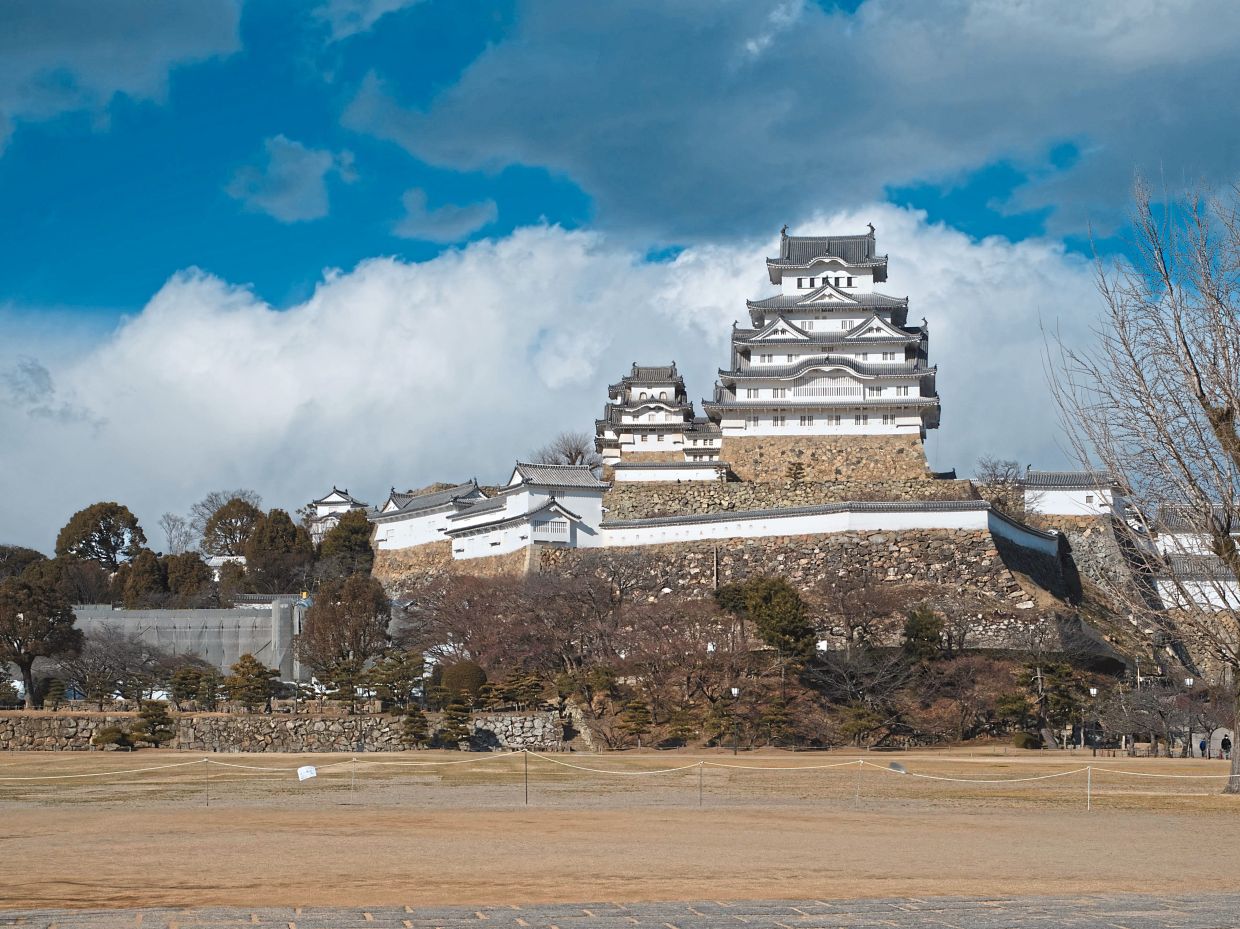
Less than an hour from Kobe is Himeji, a town known for its imposing castle. Himeji Castle is also known as the White Heron Castle, which is apt because it is mostly white. It is considered Japan’s best-preserved castle, and has the historical distinction of being one of the original 12 feudal castles to survive earthquakes and other catastrophes.
The castle grounds are large. You can walk up to the main keep and climb up the many levels of the castle. You are not allowed to wear your shoes inside, however, in order to preserve the original timber.
I did something very stupid when I removed my shoes. Himeji Castle offers leather slippers to pad around in place of your shoes. But because these slippers look quite large for my feet and I was afraid I wouldn’t be able to climb the steep stairs well, I chose to go without footwear.
Walking around the place with just my socks was a mistake as the floors were so cold – it was winter, after all. My toes went numb, and when I completed the tour of climbing all the floors and descending, I had to sit for about 20 minutes to get the feeling back in my feet. Visions of toe amputation from frostbite danced in my mind ...
Next to Himeji Castle is Kokoen Garden (a 20-minute walk), your quintessential Japanese-style garden with its requisite ponds, flowers, koi, and bridges. There’s also a proper tea garden where you can partake in tea ceremonies. Most people tend to give this a skip after visiting the castle, but I would advise not to. It is really lovely.