
Since the inaugural celebration of the World Tourism Day by United Nations World Tourism Organisation (UNWTO, now UN Tourism) on Sept 27, 1980, it has been commemorated annually, with a different country hosting it each year.
This year, Malaysia plays host. The historic state of Melaka is chosen as the setting for the World Tourism Day and Conference 2025 that takes place from today until Sept 29. Themed “Tourism And Sustainable Transformation”, this year’s celebration calls for a more sustainable approach to tourism.
One of the fast-growing segments of sustainable tourism is community-based tourism (CBT). A report released earlier this year by Allied Market Research states that the CBT market was valued at US$575.9bil (RM2.418 trillion) in 2022, and is estimated to reach US$2.137 trillion (RM8.973 trillion) by 2032 – with a CAGR (compound annual growth rate) of 14.1% from 2023 to 2032.
As travellers continue to seek more ethical options when travelling, where they can both support local communities and preserve the environment as they expand their horizons, it is unsurprising that CBT will become more prevalent in the tourism industry.
That said, if you wish to explore CBT-driven places, exercise caution when selecting places to visit. Some may falsely operate under the CBT umbrella to lure unsuspecting well-meaning tourists.
Case in point: empowerment or exploitation? The former directly benefits the community, while the latter sees revenue being channelled elsewhere and not to the betterment of the locals.
Here are a few examples of places to illustrate what constitutes a straightforward CBT and what may be treading the fine line.
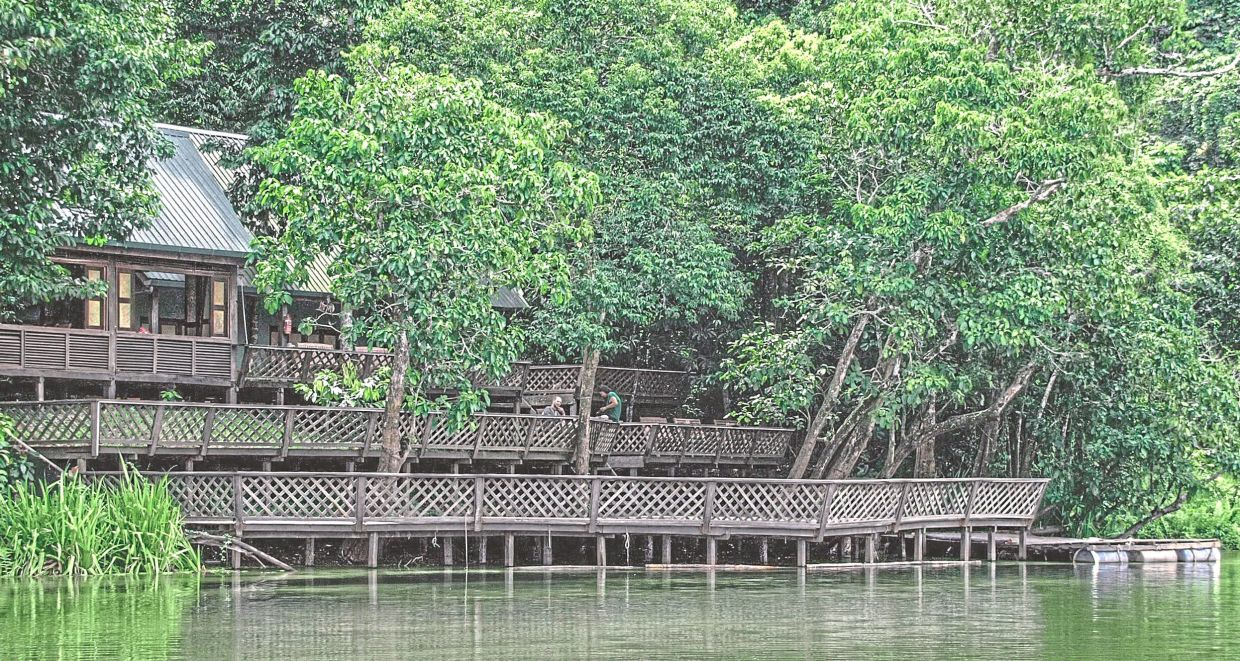
Batu Puteh (Malaysia)
A result of 25 years of cumulative efforts, the Batu Puteh community in Sabah’s Kinabatangan earned one of its biggest recognitions yet when Batu Puteh was named among UN Tourism’s Best Tourism Villages (2021).
Composed of four villages – Batu Puteh, Mengaris, Perpaduan, and Singgah Mata – the community’s journey started in 1996, when its youth decided to band together to generate income from tourism.
Of course, that would first entail identifying their tourism products. Three years of research yielded enough data for them to finally establish tourism associations with offerings that include homestays and eco-tourism activities.
In 2023, these associations, led by the Mescot Initiative and the Miso Walai Homestay Programme, joined forces under one umbrella – a village-based co-operative called Kopel.
Under Kopel, community-based tourism in Batu Puteh flourished. Ensconced within the Pin-Supu Forest Reserve, the community is able to leverage nature as a core offering. A visit here means you will get to go on river cruises during sunset or participate in camps, like the Tungog Rainforest Eco Camps and Supu Adventure Camps.
You will also get to experience local lifestyle through homestays, as well as immerse yourself in local culture thanks to the Mononompos Culture Group. The latter highlights the traditional dance and music of the Indigenous Orang Sungai people.
Additionally, the community engages its members and tourists alike in sustainable forest management. This includes environmental monitoring and tree planting to ensure the surrounding ecosystem is well-preserved. Conservation activities allow you the chance to fully appreciate nature – admiring the sea of trees while encountering endemic wildlife.
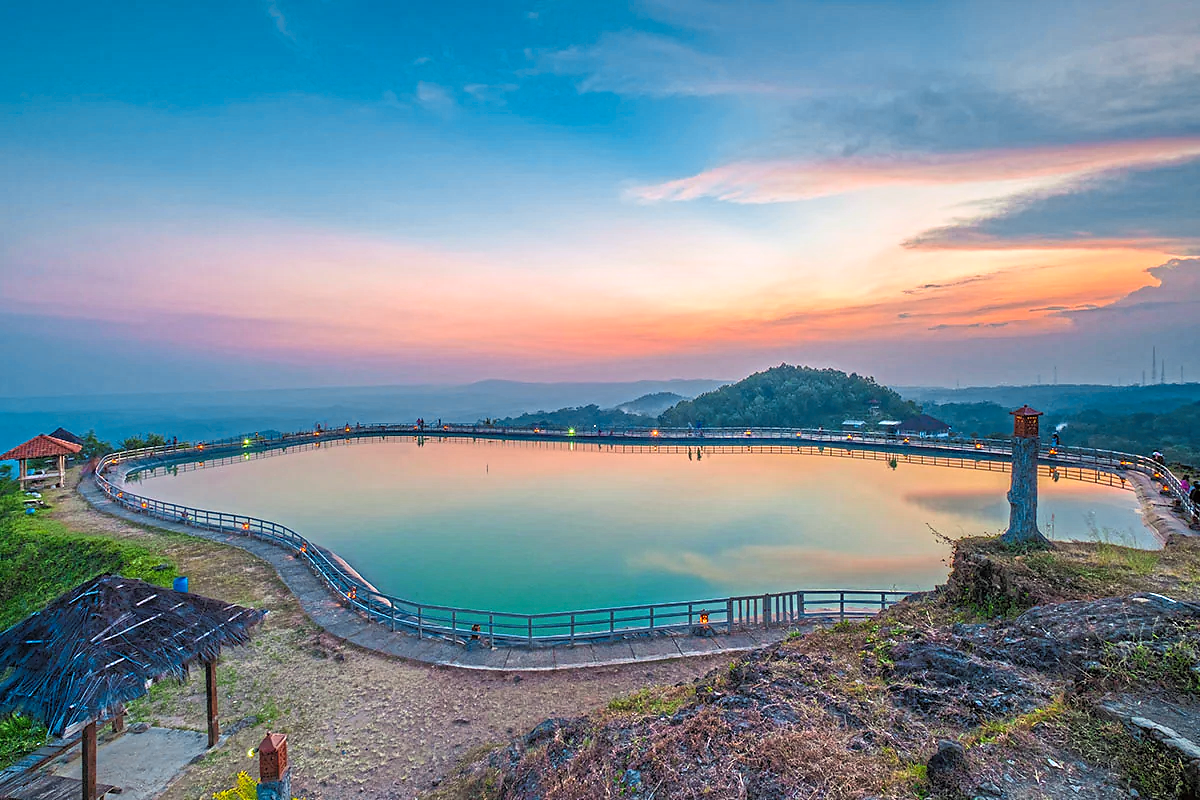
Desa Wisata Nglanggeran (Indonesia)
Among the accolades that Desa Wisata Nglanggeran has earned is the same aforementioned Best Tourism Villages (2021) by UN Tourism.
Located in the Yogyakarta province of Indonesia, the reformation of Nglanggeran into a tourism village (“desa wisata” in Bahasa Indonesia) was initiated in 1999 by the youth organisation, Karang Taruna.
The youth focused on ecotourism to draw tourists in. Most of its offerings revolve around the Nglanggeran Ancient Volcano.
Purported to have been inactive for over 60 million years, the volcano is part of the Unesco Global Geopark of Mount Sewu. This means that while a trek to the top would typically take 30 to 60 minutes, you may end up pausing quite frequently to take in the panoramic views, ending in a longer trek.
Located on this volcano is Kampung Pitu. Interactions with the locals here will present you with tales of winged mythical horses (“kuda sembrani”) that bathe at the well, Tlaga Guyangan.
About 2km away from the volcano is a body of water that looks like it could be a bathing place for magical creatures as well. Embung Nglanggeran is a reservoir that shines best during sunrise or sunset hours; the latter is especially great for photography with Nglanggeran Ancient Volcano serving as the backdrop.
From the reservoir, also roughly 2km away, is Kedung Kandang Glamping. You can stay here to enjoy nature without forsaking all creature comforts. If you prefer tents to chalets, you can choose to stay at the Camping Ground instead.
Of course, opting for the homestays – there are around 80 in Nglanggeran – may be best as you will get to learn the locals’ way of living. You can gain agricultural knowledge from the community, who are mostly farmers, try your hand at making wooden batik, or savour the village’s signature chocolate products.
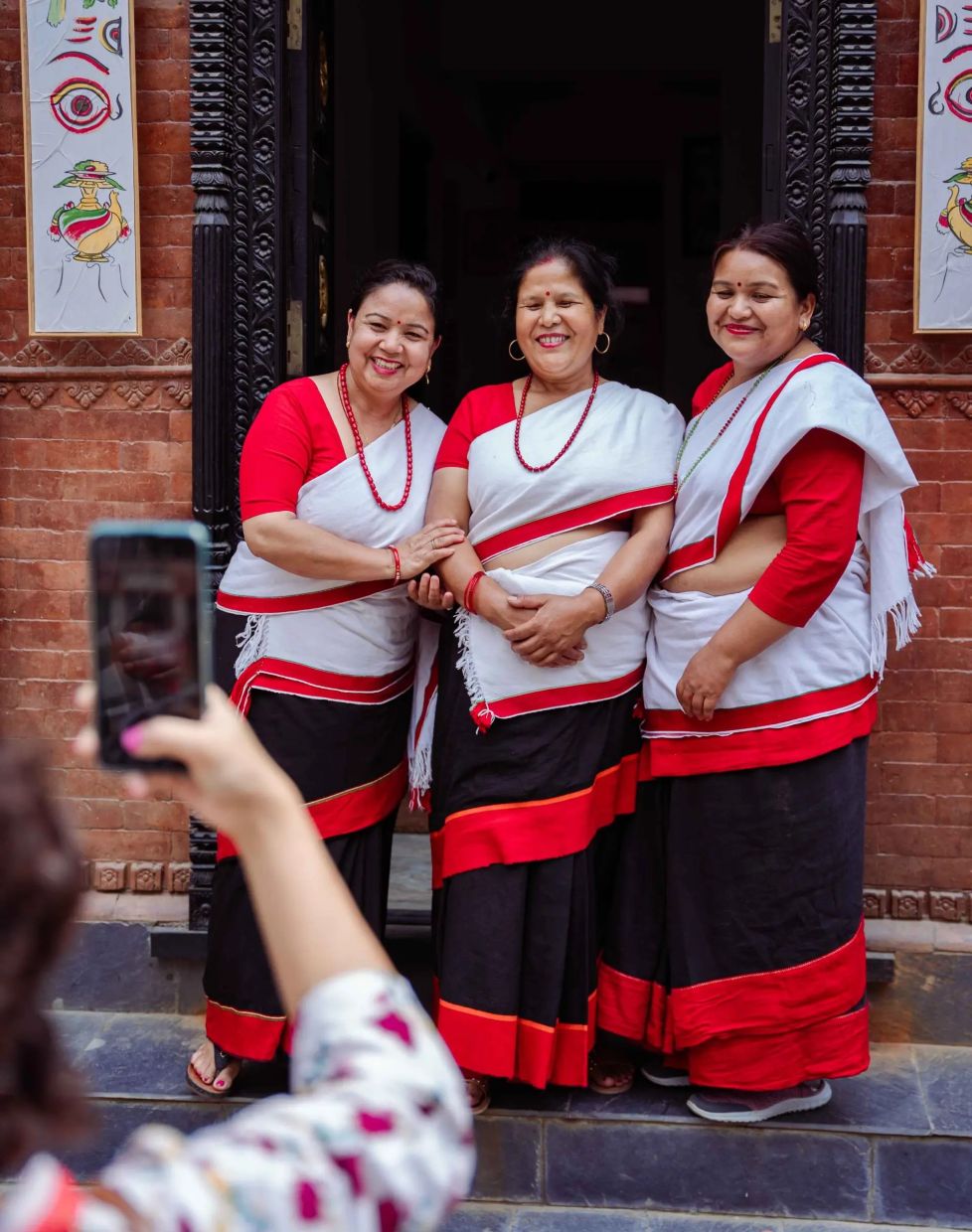
Kirtipur (Nepal)
In 2017, the Community Homestay Network (CHN) was established in Nepal to boost CBT in the country.
It offers more than just homestays, however, having since expanded to include experiences that revolve around local culture such as food tours and cultural workshops, and around nature, including guided hikes and wildlife safaris.
Every experience is curated together with the local communities not only to ensure authenticity, but also to empower locals as active participants in shaping the tourism industry in their community.
When it comes to homestays, you will be spoilt for choice as CHN offers numerous options across Nepal. From Kathmandu to Chitwan, you can explore the beauty of each destination and learn of its heritage, all while supporting local communities.
If you’re looking for somewhere that’s within the Kathmandu Valley and offers a wealth of cultural experiences, head to Kirtipur – located just 5km from the city centre. Book a stay through CHN at the Kirtipur Community Homestay, where you’ll get to immerse yourself in the culture and traditions of the Newari people.
Learn how to make momo (dumplings), try your hand at writing Ranjana Lipi (ancient Newari script) and join the heritage walks to fully appreciate their culture. You can also take part in the Ropain Festival, during which you can learn traditional rice planting.
You can even celebrate your birthday in Kirtipur. At the same aforementioned homestay, you can book a one-night stay with an itinerary that entails temple rituals and a Sagun ceremony, which is a Newari tradition to invoke good fortune.
If you love cooking up a storm in the kitchen, expand your culinary skills by making more than just momo. Cook together with the locals and enjoy meals like chatamari (rice pancake), choila (grilled meat) and aila (alcoholic beverage).
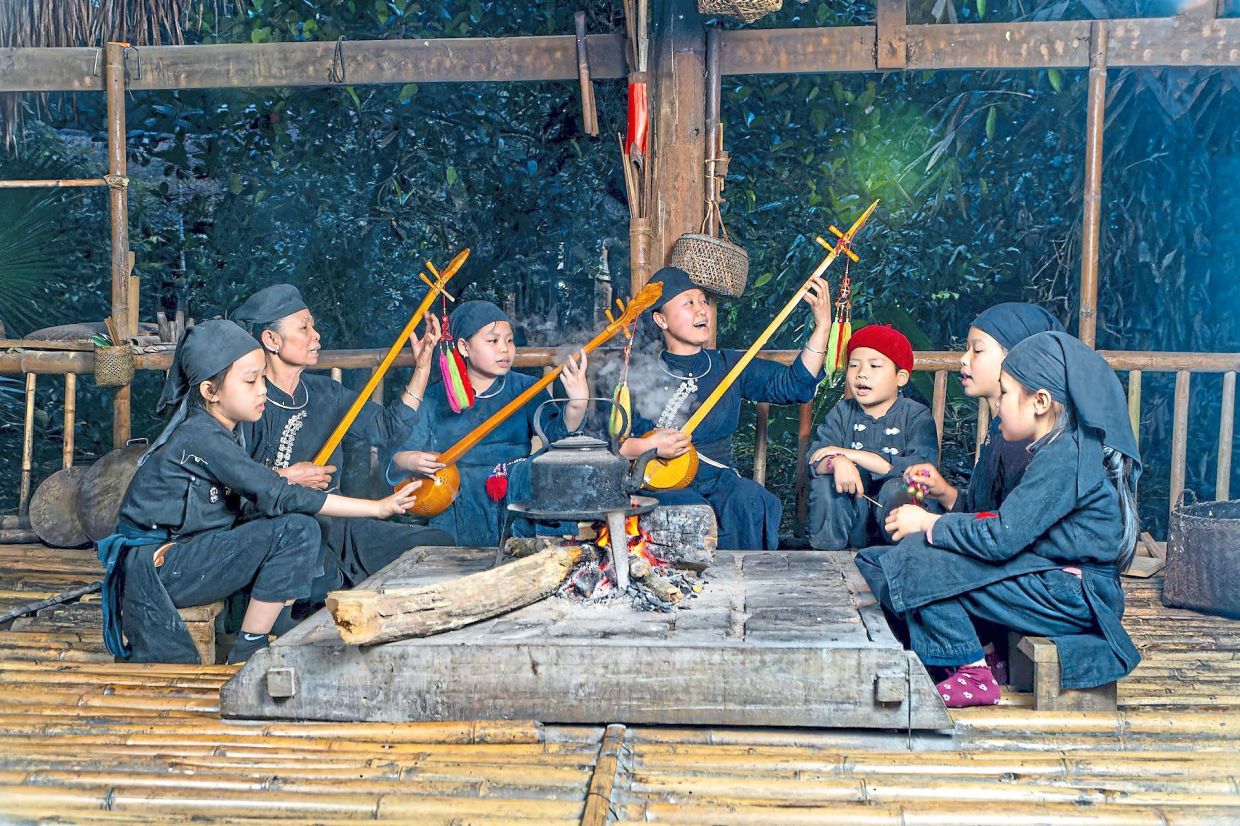
Thai Hai (Vietnam)
Wooden houses on stilts – these structures are characteristic of the Tay people in Vietnam. Typically made of ironwood, bamboo, rattan and palm-thatched roofs – with no nails or cement – there are over 30 of these traditional houses located on around 20ha of land in Thai Nguyen.
The area, known as Thai Hai Ethnic Village, is where you can experience staying in one of these uniquely-built houses. Staying here is an all-inclusive experience. The villagers won’t just welcome you into their homes, they will also invite you to participate in their day-to-day.
You will learn how they incorporate the VAC Integrated Farming Systems in their agricultural practices. VAC or Vuon Ao Chuong is a “garden pond livestock model” comprising highly bio-intensive farming methods, which ensure the environment stays protected even as the locals cultivate the land for animal husbandry and fish rearing.
You will get to share meals with the locals, try their traditional cakes and organic vegetables. You will see firsthand their expertise in making traditional handicrafts. If you come at the right time, you will get to participate in their festivals as well.
The Long Tong Festival (ploughing festival), Pay Tai Festival (to honour their ancestors) and Com Pounding Festival (pounding rice to prepare for the Lunar New Year) are some of the significant events in the Tay culture.
The village’s efforts in preserving its heritage while conserving the environment have not gone unnoticed, as it was named one of the Best Tourism Villages (2022) by UN Tourism.
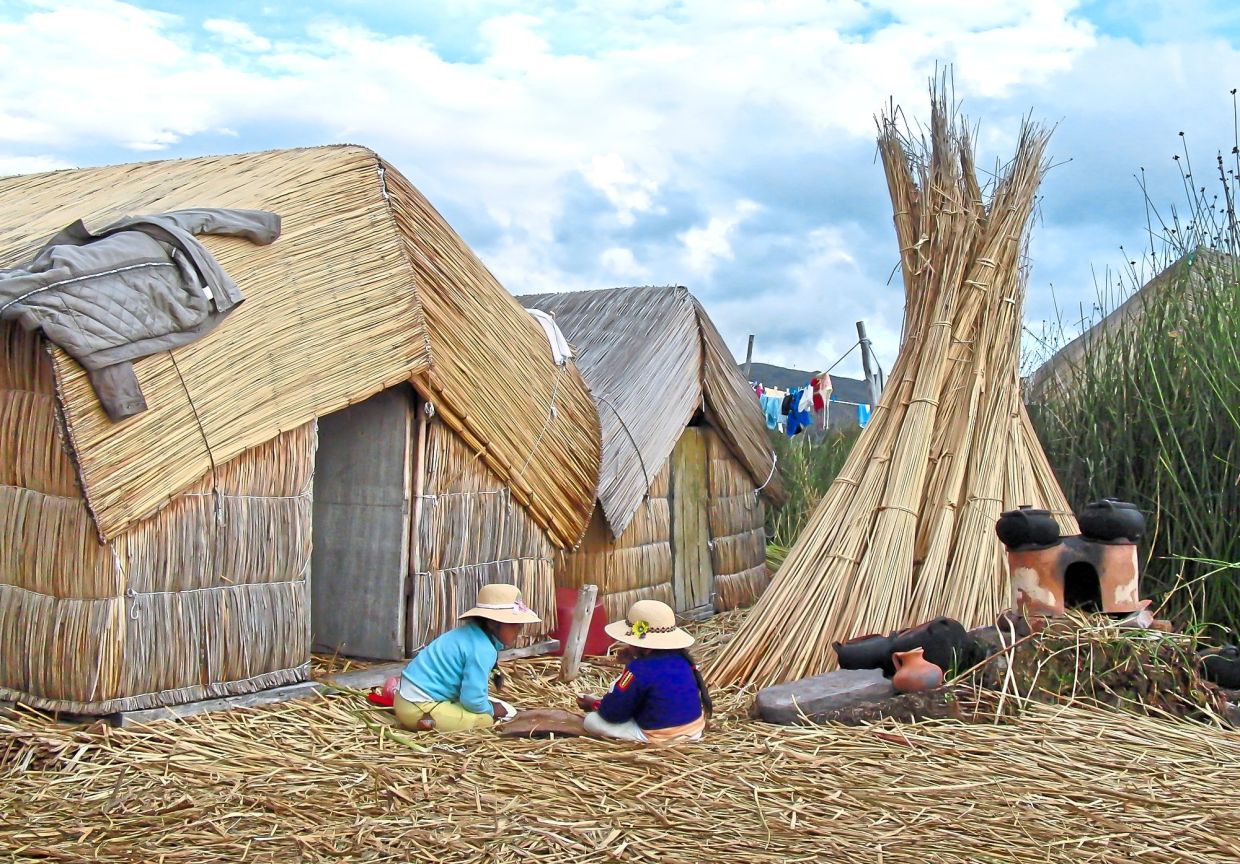
Uros Floating Islands (Peru)
For over half a century now, the Uros people in Puno, Peru have embraced tourism as a way of generating income. Their biggest draw? Their settlement, which is built on floating islands – made from reeds.
The Uros Floating Islands on Puno’s Lake Titicaca have long fascinated tourists. It’s mind-blowing to learn that nearly everything is made from the totora reeds that grow abundantly in the lake.
Lake Titicaca, a large freshwater lake that straddles the border of Peru and Bolivia, lies 3,810m above sea level, making it the highest navigable body of water in the world. The Uros people are believed to have settled on its shores more than 3,700 years ago, but around 500 years ago, they began living on the artificial islands to escape invaders.
Now, there are more than 100 of these islands, collectively forming a floating village. A visit here allows you to appreciate in person the houses, boats and even furniture that are all the labour of the villagers’ remarkable weaving skills.
Of course, this being an actual village, you won’t be allowed to enter every house. Tours to the islands would typically guide tourists to a few pre-selected places. For the most immersive experience – and perhaps the more ethical choice – book your stay directly with the locals when possible.
Some villagers operate their homes as short-term rentals for overnight stays, during which you’ll also get a more authentic interaction and understanding of their way of life. Otherwise, you are more likely to get blindly led around a few houses and then forced to buy souvenirs before you are rushed off the islands.
Due to commercialisation in the last two decades, the authenticity and ethics of tours to the village have become questionable. Although not all tour operators are exploitative, it is still best to ensure that your visit to a place with a CBT model will actually benefit the local community.
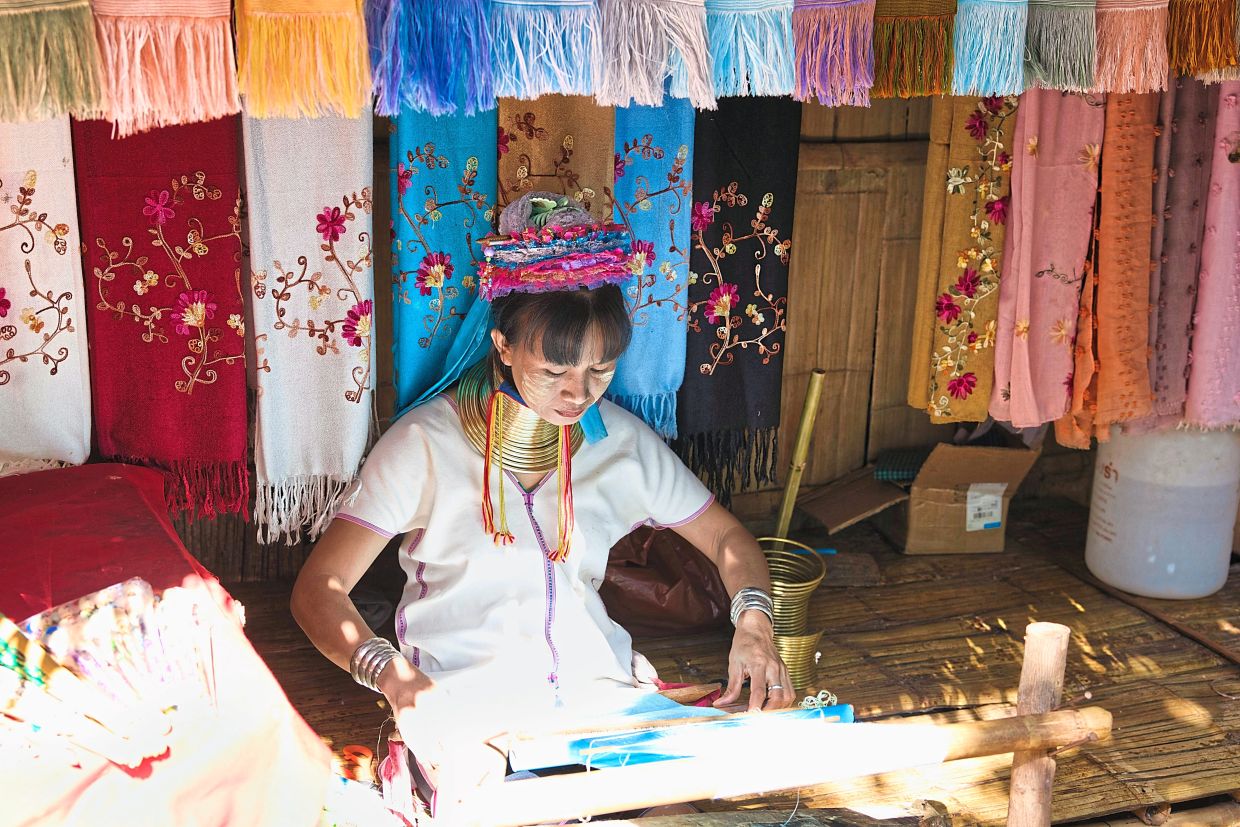
Huay Pu Keng (Thailand)
When researching villages to visit in rural Thailand, the ones populated by the Karen hill tribe are, more often than not, heavily promoted.
For the Karen hill tribe in Thailand, commercialisation has been both boon and bane. The long-necked women of the tribe (from the subgroup Kayan Lahwi) create such striking imagery that they are often used to promote the country’s cultural tourism. But the attention they garner doesn’t always translate to profits that would benefit them directly.
Allegations of “human zoos” and “show villages” (typically sans men as they do not wear the distinctive heavy coils around their necks) have surfaced through the decades, since the Karen women began to be used as the face of “ethnic tourism”.
It is alleged that they are forced to live in such villages for the sole purpose of tourism, relegated to being “performers” that enforce stereotypes rather than impart enriching knowledge. A problematic situation, as lack of visits would mean they lose their only source of income. Yet, visiting such villages encourages the continued exploitation of Indigenous people.
If you’re wary of accidentally exploiting ethnic minorities when your actual intention is to gain an understanding of their unique cultural identities, do your due diligence before visiting.
Huay Pu Keng in the Mae Hong Son province is one of the CBT-driven settlements of the Karen people where you can experience the tribe’s real traditional way of living.
Several subgroups of the Karen tribe live here, not just the Kayan Lahwi. You will be invited to stay in their houses and share meals. You can participate in various workshops, too, including backstrap weaving, making bamboo baskets and local music instruments, and carving wooden dolls.
When strolling around the village, ask for permission before taking photographs or even touching the villagers’ traditional costumes, as any tourist should when visiting someone’s home.
Star Media Group, always in the forefront of championing ESG topics, is the founder of the Asia ESG Positive Impact Consortium. Visit us at https://aepic.asia/.