
Whether you don’t want to fly for environmental reasons or you just love trains, many wonderful rail journeys across the length and breadth of Europe are just waiting to be enjoyed.
Travelling by train can be a slower, low-carbon alternative to emission-heavy flights which can also be pretty hectic. You just need to be willing and able to plan your train trip ahead.
Ideally, you also don’t want to be in a hurry, as travelling by rail and road is usually slower than flying and destinations more than 1,000km away almost always take longer to reach.
But making up for any lost time, the journey itself becomes part of your holiday experience.
And if you are travelling for business, you can work more effectively on the train than on a plane.
Ways to plan
Search engine Rome2rio.com shows the many ways you can travel between two locations – from flights to trains – if you want to put together your rail trip by yourself. Otherwise, head to specialist rail travel agencies.
Either way, you will find numerous options, depending of course on where you set out from. If you start from Germany, four changes in two days will get you to the Algarve in Portugal. Or, if you fancy seeing the Swedish capital Stockholm, it’s a simple overnight trip on the sleeper train from Berlin.
A huge range of options lie open to you – though you may find time and money are key factors in your planning.
One inexpensive way to travel cheaply across Europe is by using Interrail tickets.
Prices depend on many factors, including when you book. You can find limited European saver fares offered by the German operator, Deutsche Bahn, and reserving early will save you money.
“If you book early enough, there are some very interesting fares where you can even travel first class for very little money,” says Wolfgang Strasdas, a German travel researcher.
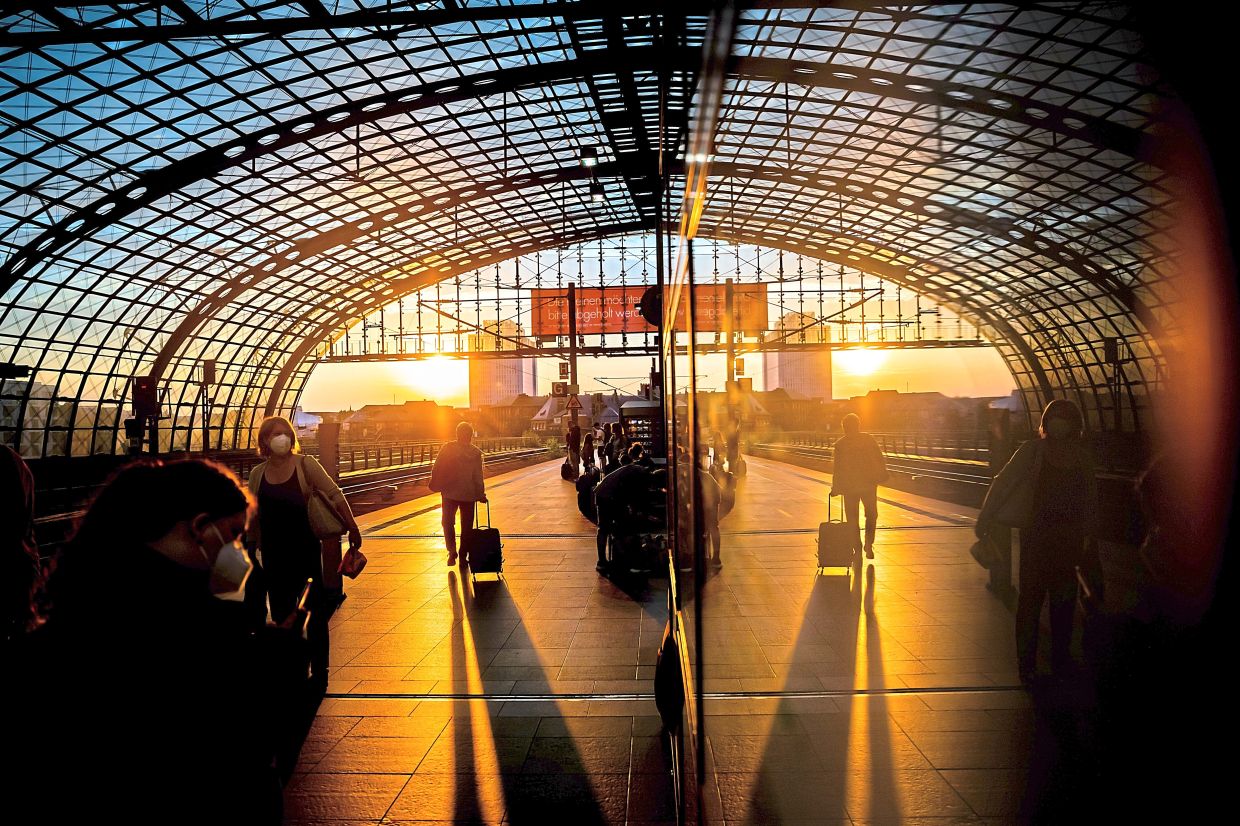
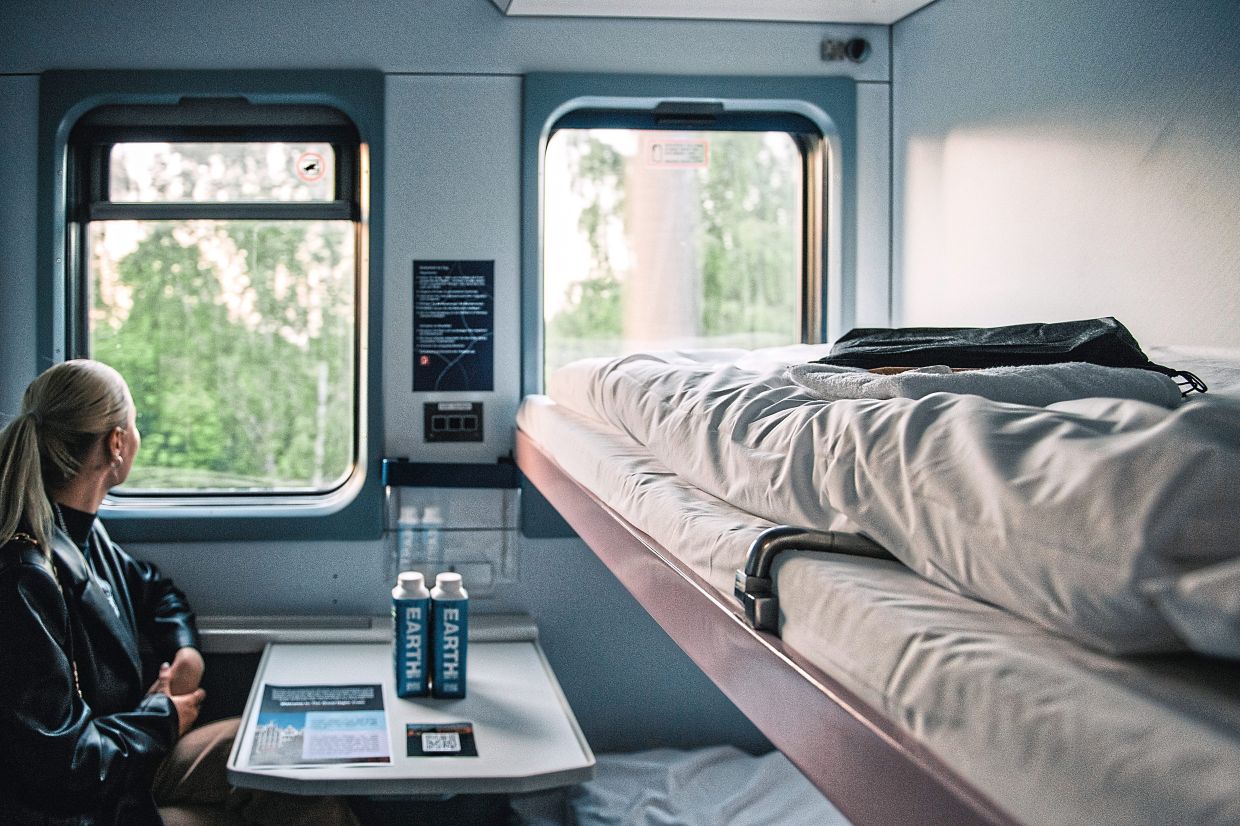
But if you who want to travel in comfort on trains, treating yourself to a sleeping cabin on an overnight train means you may pay considerably more for a journey than the equivalent flight.
Unfortunately, in general, travelling by train often costs more than flying which Strasdas slams as a scandal, “... the environmentally-friendly way is more expensive than the option that is harmful to the environment.”
He would like to see the prices for means of transport reflect the real costs in terms of climate and the environment. “Then we would have the situation as it should be, that travelling by train is always cheaper than flying.”
The sustainable choice
The main argument in favour of rail travel is climate protection. Flying is the most climate-damaging form of transport, says Germany’s Federal Environment Agency.
Although air travel is virtually essential for many travellers due to the long distances involved, the many trains and buses available are more sustainable alternatives within Germany and Europe.
Strasdas has researched different ways of travelling from Germany to 22 European destinations, and compared them in terms of the greenhouse gas emissions caused by the traveller and the travel time.
He looked at alternatives to flights, so primarily train journeys, and found many exciting routes available to more distant countries – for example to Norway, Spain or the Balkans.
Some trips featured ferry crossings, local and long-distance buses through cities or across the countryside and, of course, fast, sleeper and regional trains across the continent’s railways.
Bear in mind that transport links can change, though, so it is always best to check before you go that any connections have not been altered.
Time wise, destinations that are only a few hundred kilometres away can often be competitive in terms of travel time when compared with air travel. That is mainly due to the extra time you spend at the airports when checking in and for security checks plus travelling to and from airports.
But the longer the distance, the longer the extra journey time by rail compared to flying. Take the Algarve – while you might fly from Frankfurt in Germany to Faro in Portugal, which takes some eight hours if you add airport waiting times, it takes around 36 hours by rail, says Strasdas. He’s a researcher at Eberswalde University for Sustainable Development in Germany who published a travel guide on “greener” travel in Europe.
But unsurprisingly, trains and long-distance buses are way ahead of flying from a climate point of view. For a trip from Frankfurt to Faro, the flight produces 60 times more CO2 than the train journey per passenger.
In the longer term, Europe’s long-haul sleeper train revival is set for a further boost with the planned roll-out of overnight services connecting over 20 destinations across the continent from a new service launching in 2027.
Berlin-based start-up Nox plans to provide rooms onboard for one or two people for “the price of a flight” in an effort to offer an alternative to short-haul air travel. – dpa