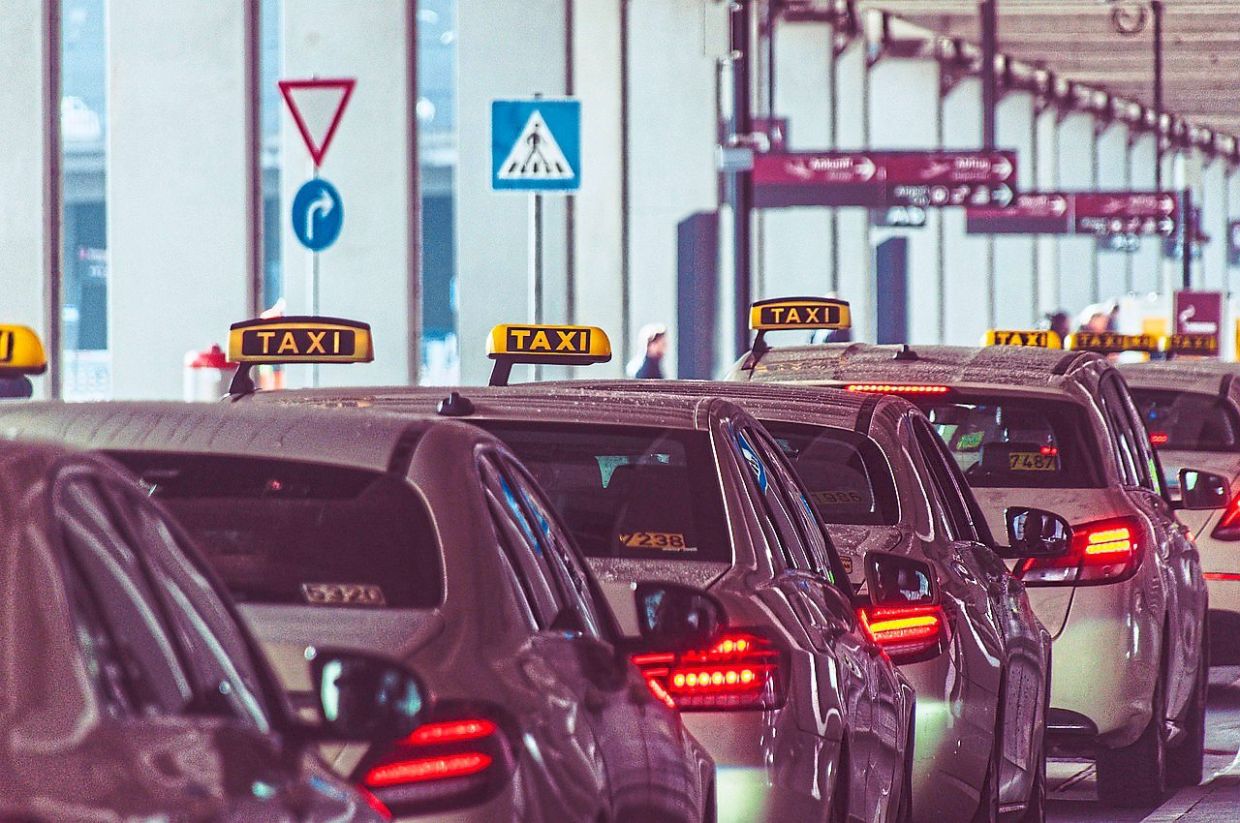
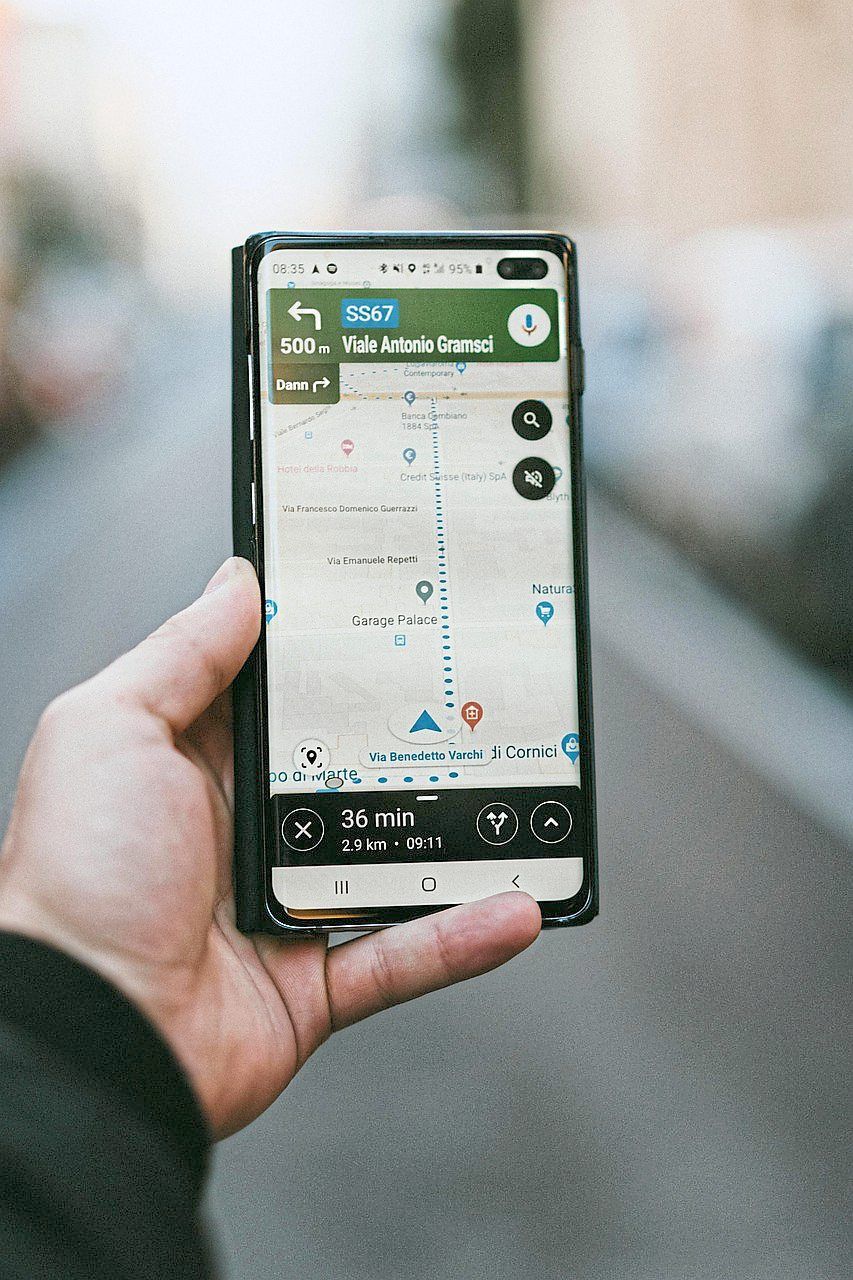
For those who remember, in the days before Google Maps, the only way to get to your hotel in a foreign country was to throw yourself at the mercy of the taxi driver and cross your fingers. It was a universal practice with unpredictable results.
Travellers from Colombo, Sri Lanka to Calcutta, India arriving in the wee hours – as this was the only time international flights deigned to land – were spirited off to unfamiliar lodgings while “overbooked” hotels scratched their heads to account for missing guests. That’s when a savvy few decided to deal with the situation.
In several Asian cities, newly-opened hotels began wooing cabbies in novel ways. In March 2003 when the stylish Conrad Bangkok (Thailand) launched, the dynamic duo of Gregory Meadows and the late Ross Cunningham presented lavish lunch boxes to drivers bringing in their first guests. All left smiling.
Hotel guests, too, wandered about wide-eyed as Conrad set new benchmarks for service. Smiling receptionists glided about in silk off-the-shoulder dresses. BMW convertible airport transfers were on offer with lady chauffeurs.
And the lobby toilets featured fluffy white hand towels (since downgraded to thick tissue). Shoes were shone in the lobby – it was a real treat.
While the shoeshine service has disappeared, guests and taxi drivers both remember the place. “Rongrem Conlaad” is a landmark now.
The Siam Kempinski Hotel Bangkok launched in late 2010 with cookies and cold water for taxi drivers along with “three questions”, recalls Lalida Hirunteerapol. 1. How was the hotel name spelled? 2. How was the name pronounced? 3. What was the correct way to access the entrance lane?
“Drivers who got all three questions right were entered into a lucky draw and a random few won small gold chains,” she says with a chuckle.
Sofitel SO Bangkok launched in 2011 with a big push on local radio, recalls a laughing Suchana Sasivongbhakdi who was there at the time. Taxi drivers who found their way in through some tricky turns received luxe lunch boxes.
The lunch box trick is a time-honoured one whether for address recognition or for a marketing campaign. It has been a staple of Indian hotel launches and is common across the region. The Sands Macao handed out lunch boxes at launch time in 2004 and then again to celebrate its 15th anniversary with about 200 meal packages handed out to cab drivers as a “give-back-to-the-community” effort.
Unlike in say, London (England), where taxi drivers have to undergo rigorous instruction – referred to as “The Knowledge” – that involves memorising hundreds of lanes and byways to ensure they find their way to esoteric addresses, taxi drivers in much of Asia are simply turned loose on their cities. Gruff cabbies in Beijing, China and disinterested drivers in New Delhi, India or Bangkok might be farmhands from out of town with little knowledge of the area.
Others are out to earn a few extra bucks and head-scratching, blank looks, and demands for a “package” price are a big part of the welcome act from the airport to town.
Technology has certainly helped – and ride hailing services like Grab, Bolt, Uber, South Korea’s Kakao Taxi, India’s Ola, Mega, BluSmart, and the Chinese Didi have chipped in. It is standard for better hotels to provide guests with cards bearing the address in English and the local language. But nothing like a free meal to get those brain cells working.
Conrad Bangkok’s one-time general manager Greg Meadows – who has much to say about slipping brand standards – recalls the heady days in 2003. “It was more like a carnival with tables outside the front entrance stacked with lunch boxes, cans of soda, hand towels and of course, a flyer with a map of the entrance and name of the hotel in Thai.
“I don’t think it was easy for anyone to get a taxi that morning, they were all queuing up at our door!” he says.
And that was not all. A dozen window cleaners in Spider-Man costumes abseiled down the building bearing a banner saying, “NOW OPEN”. Meadows continues: “We started with an opening rate of US$87 (RM367 today) per night, the only rationale for that being it was our address, ‘87 Wireless Road’.” Brave days indeed.
In an earlier incarnation, Meadows handed out bags of rice and water, Thai style, to taxis drivers at The Sukhothai.
Not quite Spider-Man, but more recently when the Hyatt Regency Bangkok Sukhumvit launched, general manager Sammy Carolus leapt off the windy heights of the rooftop Spectrum bar to be lowered onto the deck before gasping guests. This was a dramatic demonstration of the power of belief by Carolus, a devout Seventh Day Adventist, who has penned an instructive motivational booklet for young hoteliers titled, My 12 Years – 12 Rules Of Life. A chapter in this is headlined, “Be hospitable – try not to be hospitalised”.
It is good to see the chauffeur courtship continue in the modern technology era. The chic Raffles Sentosa Singapore laid on a half-day treat for all arriving drivers in March with halal lunch boxes. This kosher deed went down so well, many delighted drivers photographed the hotel logo and shared it with their community, says the hotel’s cluster director of communications Michelle Wan. Word of mouth is invaluable.
As I made my way to the new and very secret Aman Nai Lert Bangkok, my taxi driver who had clearly missed several turns despite my apoplectic backseat gesticulations, stopped and scratched his head.
“Amalee...?” I got out and walked the rest of the way to fall gratefully into the arms of Aman staff who speedily resuscitated me.
Taxis continue to rampage untamed across Asia. But at least they might get an occasional free meal while guests still need to shell out for their waffle or congee breakfast.
The views expressed are entirely the writer’s own.
> Vijay Verghese is a Hong Kong-based journalist and editor of the online magazines AsianConversations.com and SmartTravelAsia.com.