The trip to Cambodia’s Angkor Wat was unplanned. A Singaporean friend working in the aviation industry had just returned from Siem Reap and said that it was possible again to take a direct flight on AirAsia to the Cambodian city from Kuala Lumpur.
The route had been put on hold during the pandemic, and was reinstated in July 2024, though perhaps not many were aware of it.
The friend said that Siem Reap’s gleaming international airport was near empty and that I should take advantage of the quiet season and visit the place.
However, he did not tell me that it was the rainy season, and I too didn’t do my research before booking the trip.
I blamed myself for the oversight. After all, the heat and humidity in KL in June was unbearable so why would it be any different in neighbouring Cambodia?
When my family and I arrived in Siem Reap, we were greeted by heavy rain. But that didn’t kill my enthusiasm ... until I asked my tour driver if we should wake up early to catch the sunrise at Angkor Wat.
“Sir, tomorrow it’s raining, no point waking up early. Tomorrow’s sunset ... I don’t know, it’s still raining, maybe,” he said casually. By then, everyone was in complete silence and a little disappointed as we continued our journey to the hotel.
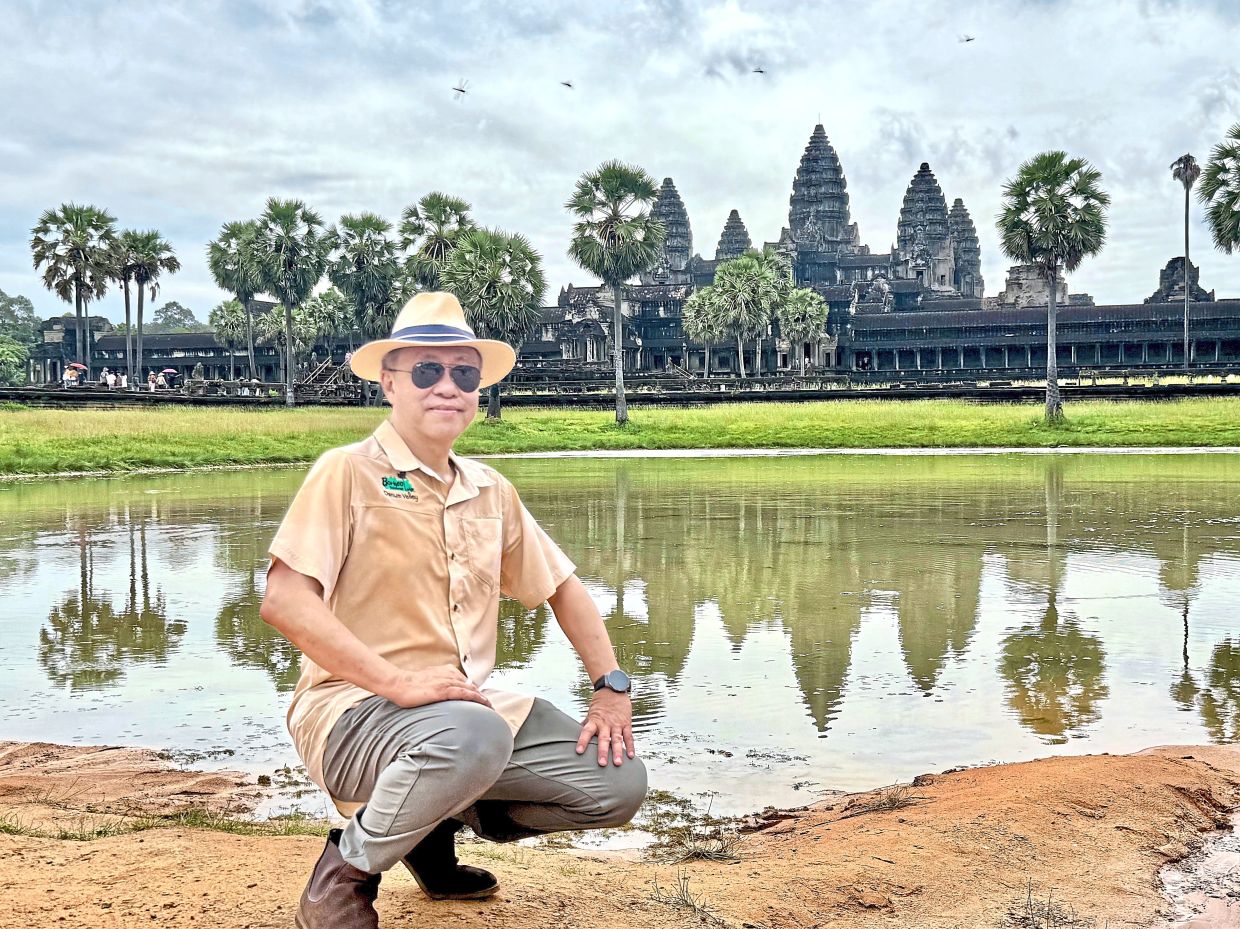
After a good breakfast the next day, we were feeling more upbeat, so we decided to still make our way to the majestic Hindu-Buddhist temple complex, regardless of the weather.
Armed with our umbrellas, we chose to get splashed by the puddles or even get stuck in the mud if such a thing would happen, than be confined to our cold hotel rooms.
And it was a good thing we did, too as the rain wasn’t so bad in the end. The rainy season here – usually from May to October – carries a reputation that makes many travellers delay their Cambodian adventures.
But it also means wonderful hikes in the lush green forests, going through uncrowded temples, and enjoying monsoon-soaked sunsets that made my heart pause. Though visiting Siem Reap during this season was unplanned, I can confidently say that it turned out well for us.
Let’s start with the biggest misconception of travelling during the rainy season: that it rains all day, every day.
It doesn’t.
During my stay, at least, most mornings were dry and breezy – ideal for cycling around the temple complex or exploring local markets.
The rain came in the late afternoons or early evenings in dramatic, cinematic bursts. Think tropical downpours that cool the air, rinse the dust off ancient stones, and that last just long enough to finish one drink, before the skies clear again.
It may not be a good comparison but to me it was much like the rain in London, where it comes and goes fast.
Visiting the Angkor Wat temple complex in the wet season gives you the feeling of seeing them as they once were – alive with water, wrapped in foliage, and free from camera-toting crowds.
My guide, an avid photographer, kept pointing to the pools of water to remind me to take pictures of the reflections of one of the world’s most famous religious structure for my Instagram.
In the absence of the crowd, Angkor Wat was blissfully quiet in the morning, and we covered many parts of the complex without having to compete with other tourists. The air was cooler and we saw many ponds filled with blooming lotuses, while water buffalo waded through flooded rice fields.
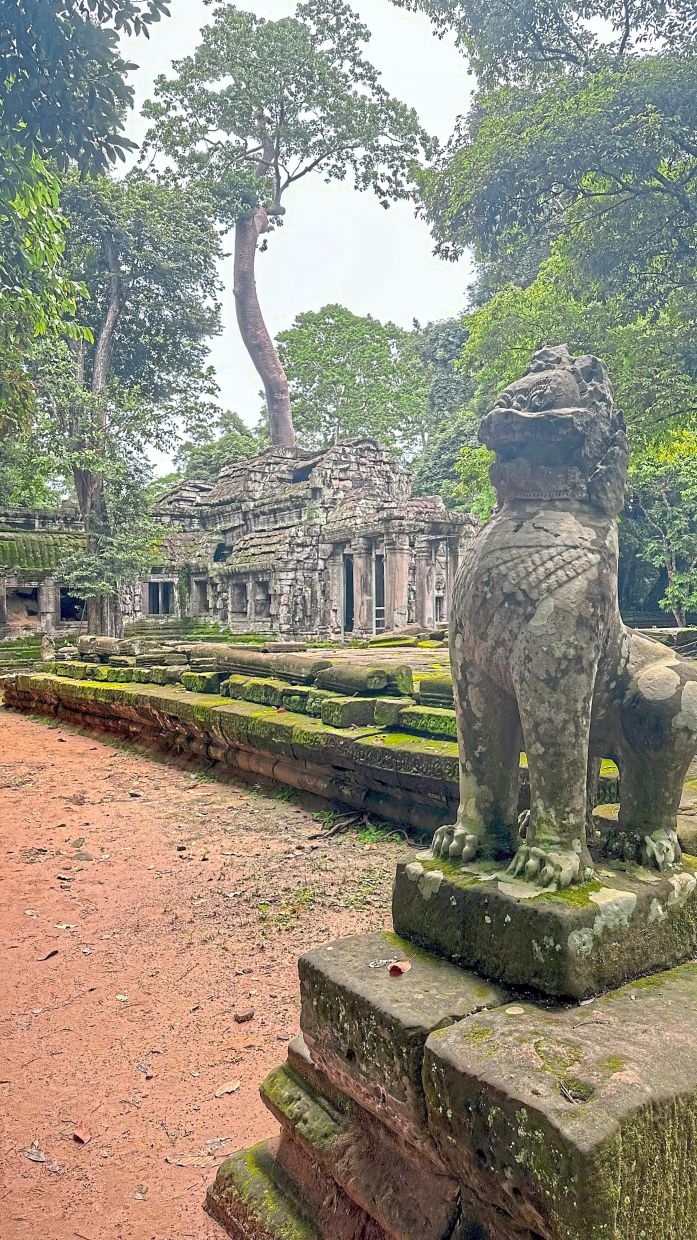
Ta Prohm, the famous Tomb Raider temple, looked especially otherworldly with its moss- covered walls glistening after the rain.
Tree roots shimmered, stones dripped, and the echo of distant thunder made the jungle setting feel more primal than polished.
And let’s be honest – travelling during the off-season was cheaper and better as hotels offered lower rates and you could simply walk into any restaurant without a reservation.
So, I’m glad we embraced spontaneity and booked the trip. In return, we got a Siem Reap that’s softer, slower and soulful, with a more mystical Angkor Wat to boot.