On May 6, it was announced that both Malaysian and Chinese nationals can stay for up to 30 days per visit in each other’s country, and not more than 90 days within a 180-day period. (This officially came into effect on July 17.)
For example, a Malaysian tourist can holiday anywhere in China for up to 30 days per entry. If he or she wishes to extend their stay, they would need to exit China for a few days and then return, and stay on for another 30 days. They can do this for up to 90 days in total, and within a period of 180 consecutive days.
Chinese nationals are able to do the same when visiting Malaysia.
The G2G (government-to-government) visa-free policy that we share with China is also extended for another five years.
On the surface, the visa-free policy does not look “generous” enough, but to ordinary tourists and the tourism industry as a whole, it is appropriate and adequate.
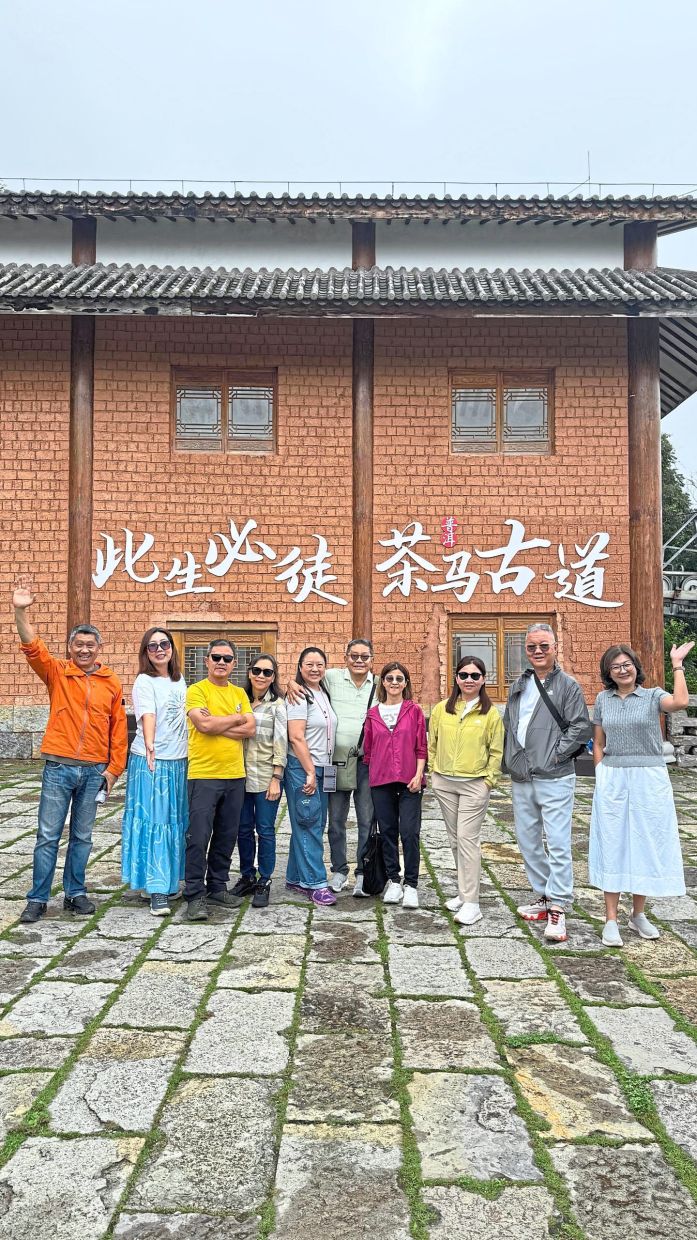
I think that for most Malaysians, a 30-day trip to China should be more than enough to experience the diverse natural and cultural landscapes of an entire Chinese province, or even a good number of cities.
From the imperial legacies of its capital, Beijing, and the rustic charms of the Jiangnan watertowns, to the endless expanse of grasslands in Hulunbuir, and the colourful rural life of Guizhou’s minority communities ... there’s certainly a wide range of experiences for everyone.
One can even do a 30-day railway journey that starts from Luang Prabang in Laos, and going into China’s Xishuang-banna, Puer, Kunming, Dali, Lijiang, and then ending in Shangrila.
Lest we forget, China with its vast expanse – 9.6 million square kilometres of land – boasts distinct seasonal changes that promise varied experiences, warranting repeated visits.
Thirty days in a single visit is enough to take you from the ancient capital of Xi’an to Dunhuang and southern Xinjiang, or from Sichuan province to Tibet. You can traverse the country in high-speed trains or metro trains within cities and enjoy the many varied landscapes of the country while savouring mouth-watering local cuisines.
Once you’re done with that, you can exit China to go to a neighbouring country, or even fly back to Malaysia, and then return for another round of adventure in the Middle Kingdom.
Such a versatile “30+30+30” combination definitely allows one to enjoy China in a more convenient way.
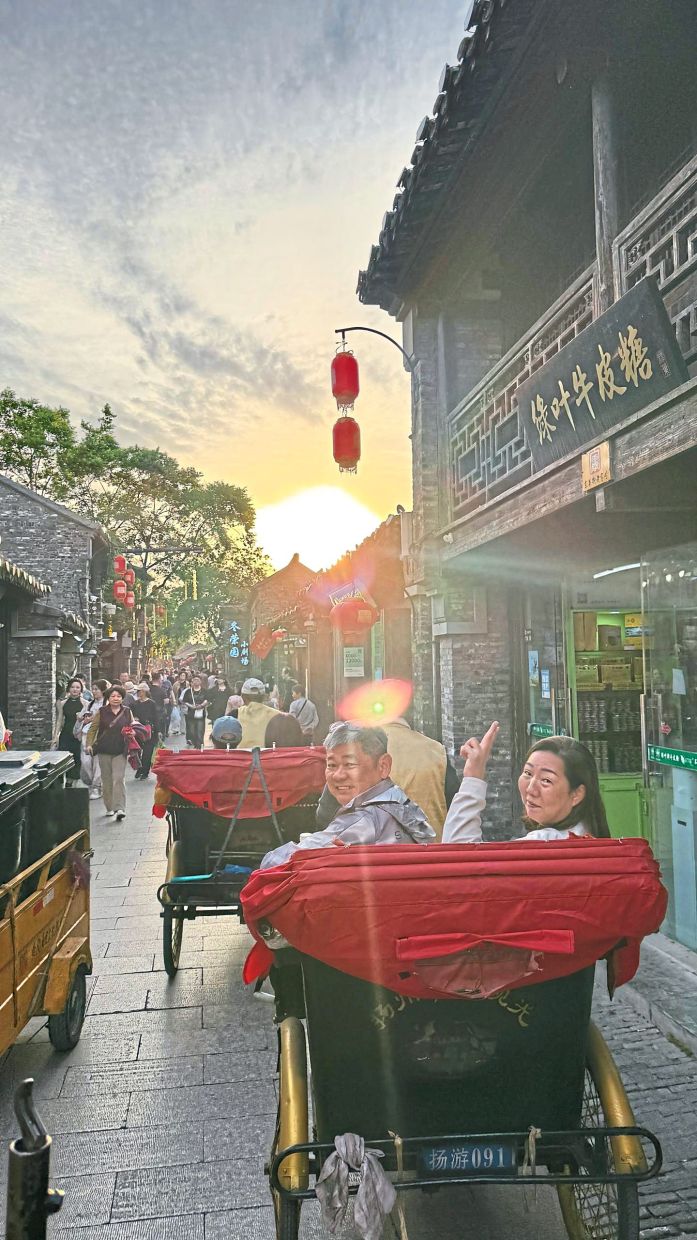
Of course, not everybody will be able to make use of this programme. Firstly, you would need to have ample free time to travel for that long (of course, if you work remotely then it’s not a problem), and not forgetting a solid financial backing.
And those with children – especially school-going children – will probably not be able to do this.
To most nine-to-five wage earners, a 30-day trip could be a bit excessive. However, for those who are self-employed, pensioners, or even those who travel for work (think travel writers, photographers, researchers and content creators), this new policy does offer a unique opportunity.
For businesspeople and overseas residents who need to regularly fly between the two countries, the biggest advantage accorded by the visa-free entry facility is the convenience of not having to apply for visas. This allows them to have more flexibility when planning itineraries and even go on impromptu, last-minute trips.
Many Malaysians with Chinese heritage may also still have relatives living in China so this visa-free policy is definitely a good thing for them too.
Meanwhile, for folks who participate in cross-border SME (small and medium enterprises) partnerships or collaborations, the policy helps make the otherwise complex procedures a whole lot easier.
However, we must not disregard the fact that there may also be a downside to this policy.
While enjoying a reflexology session in Yangzhou, China recently, I was told by the boss that about 30 people from his city who are in the same business were preparing to “seek better prospects” in Kuala Lumpur. He said with much confidence, “If the first 30 days are not enough, we can always extend for another 30 days. We already have our trips planned out.”
It seems like some people are planning to “play the system”: Although these folks come into Malaysia as tourists, what they are actually doing is look for job opportunities here.
While we welcome bona fide tourists, we don’t want illegal migrant workers.
A tourist visa should be used just as its name implies, not for unlawful employment. In other words, they should not be allowed to work as tour guides, live-stream salespersons, street peddlers, or take part in any profitable activities here. Activities requiring long-term residence, employment, education, or media work still require a visa obtained in advance.
Attending business meetings, conventions and conferences are also allowed.
This is not just about legal demarcations but also for fair competition and the preservation of social order.
The initial objective of the visa exemption policy is straightforward: To promote mutual visits, civilian interactions and cultural exchanges in a bid to improve mutual understanding and respect. It has never been intended for anyone to exploit the policy and find loopholes in order to make a quick buck.
The 30-day visa exemption policy between Malaysia and China has been in place since more than a year ago. The most direct impact felt by travel operators is the rapid and continuous surge in flight frequencies and the number of inbound tourists.
According to this year’s statistics, from April 7 to 13, there were a record-breaking 472 flights between the two countries offering more than 94,000 passenger seats. This is indeed a big boost to aviation companies, travel agencies, hotel operators, tour guides and people involved in peripheral services.
More importantly, with the 30-day period set, they can draw up highly manageable and friendly itineraries that will meet the demands of travellers looking for more immersive experiences, while averting the risks of policy abuse.
Imagine if the visa exemption facility can be infinitely extended ... will it provide a gray area for visitors to engage in illegal employment activities in the name of tourism?
The reality, I feel is this: While the 30-day visa exemption policy has been well-intentioned, it could still be widely abused by those with bad intentions. There’s always the possibility of people engaging in illegal short-term employment, or even scamming and black-market activities during the 30 days.
This could adversely affect the country’s international image and stability.
Some will argue that allowing visitors to legally extend their stays here might help mitigate the local labour crunch problem, especially in sectors chronically plagued by manpower shortage such as construction, manufacturing and sanitation.
But the thing is, for this to be done correctly and successfully, there must be some form of enforcement and monitoring.
As such, instead of asking for a longer extension of visa-free travel, perhaps we should just make the best of the 30 days that we have now. This is not meant to be a restriction, but rather a protection, so that visitors can travel around the country freely and with peace of mind, knowing that the facility will not be abused.
It is also to ensure that the friendly interactions between the people of both countries will not be defeated by the inappropriate behaviours of some.
The meaning of travel lies not with how long I stay in a country, but whether I have made the best of my trip.
The mutual 30-day visa exemption facility is a rather mild and restrained, but still versatile arrangement. Not too much nor too little. Just good!
The views expressed here are entirely the writer’s own.
Leesan, the globe-trotting traveller who has visited seven continents and 149 countries, enjoys sharing his travel stories and insights. He has also authored six books.