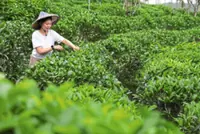
Hiking is often associated with conquering peaks or breaking a sweat, but there’s another side to it – a quieter, more observational and deeply rewarding one.
In the shaded forests of Selangor, such as Bukit Gasing, Taman Tugu and Bukit Kiara, trails offer more than just scenic walks.
They are a perfect hideout for one of nature’s most intricate performances: the emergence of mushrooms and fungi.
For macro photography enthusiasts, these trails become a living gallery of the miniature and the magical.
Malaysia is home to nearly 4,000 species of fungi, with many more likely undocumented in the country’s vast tropical forests.
These organisms – ranging from the luminous to the grotesque – play a critical ecological role. They decompose organic matter, recycle nutrients and appear only during specific environmental windows.
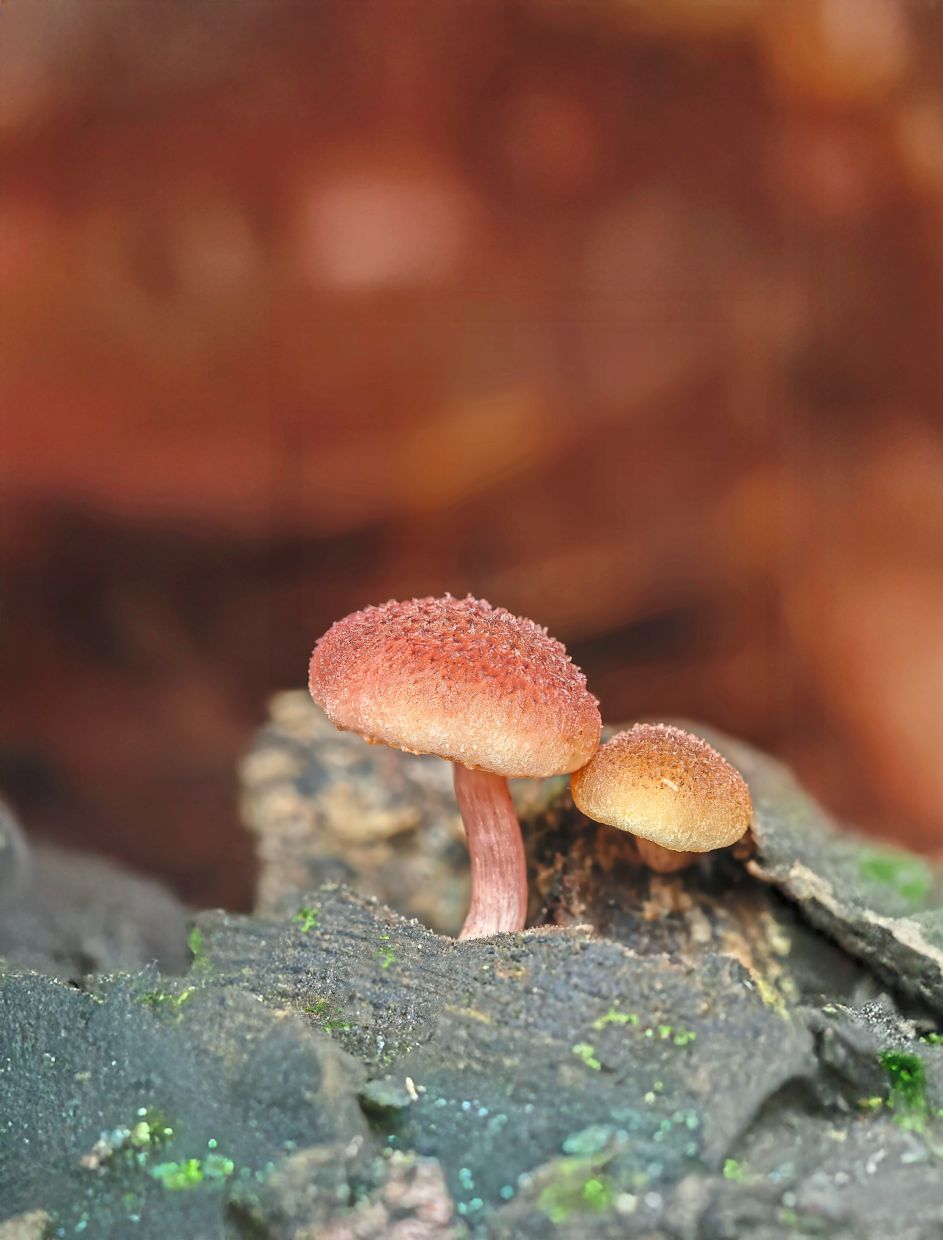
Their brief existence, often emerging shortly after rainfall and disappearing within 48 hours, makes them especially fascinating.
Urban forests in Selangor are surprisingly rich in fungi.
Shaded trails come alive with Mycena, Coral Fungi, Bracket Fungi and the occasional Stinkhorn – a bizarre species known for its alien form and strong odour.
The trails at Taman Tugu offer ideal habitats of decaying wood, while Bukit Kiara and the Kota Damansara Community Forest provide humid slopes and leaf-covered terrain – perfect for macro work.
These trails aren’t just for fitness buffs – they’re havens for patient observers.
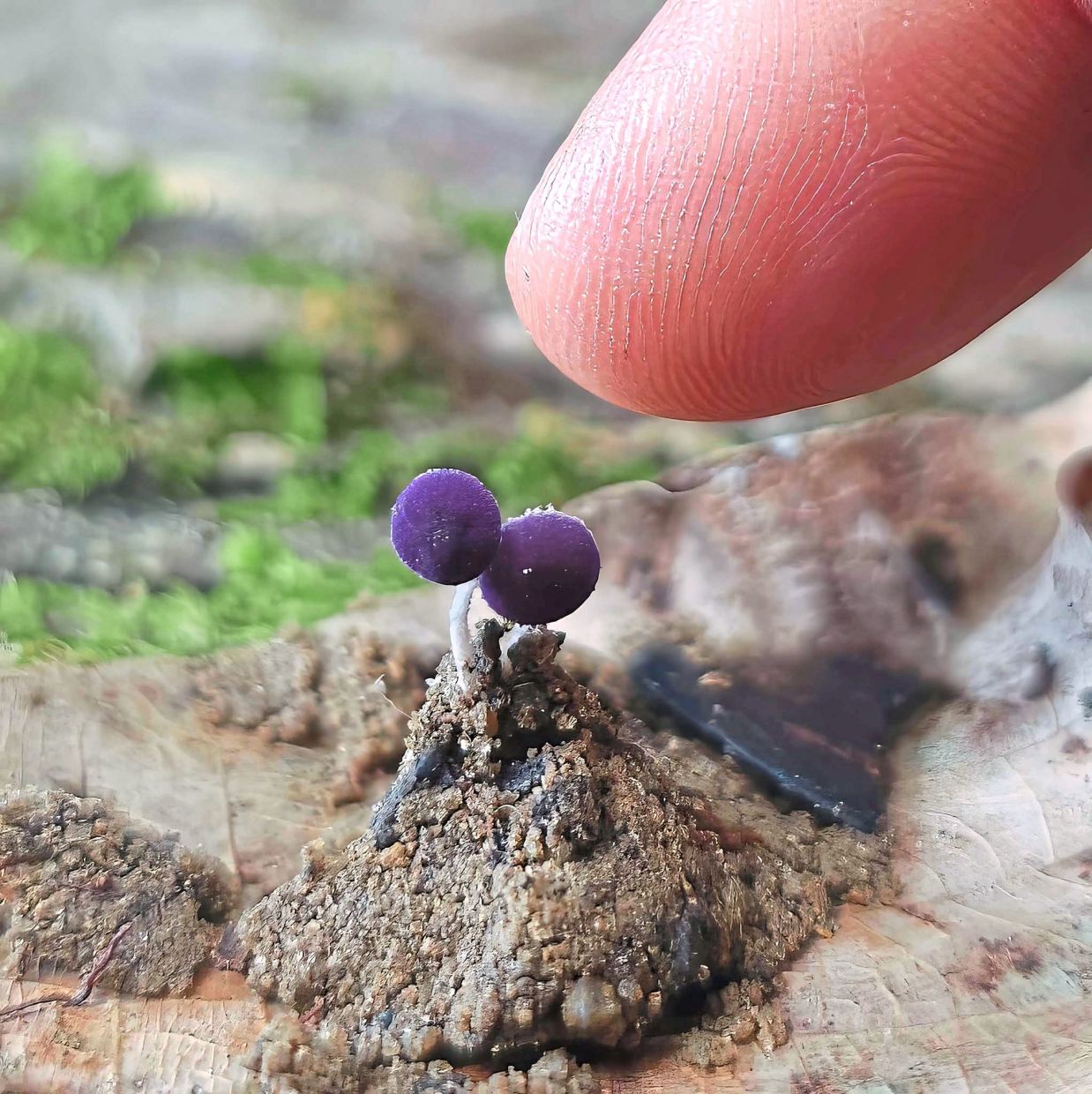
Scan the undergrowth and you’ll spot clusters of delicate, short-lived fungi no larger than a thumbprint.
Photographing them takes more than just a sharp eye.
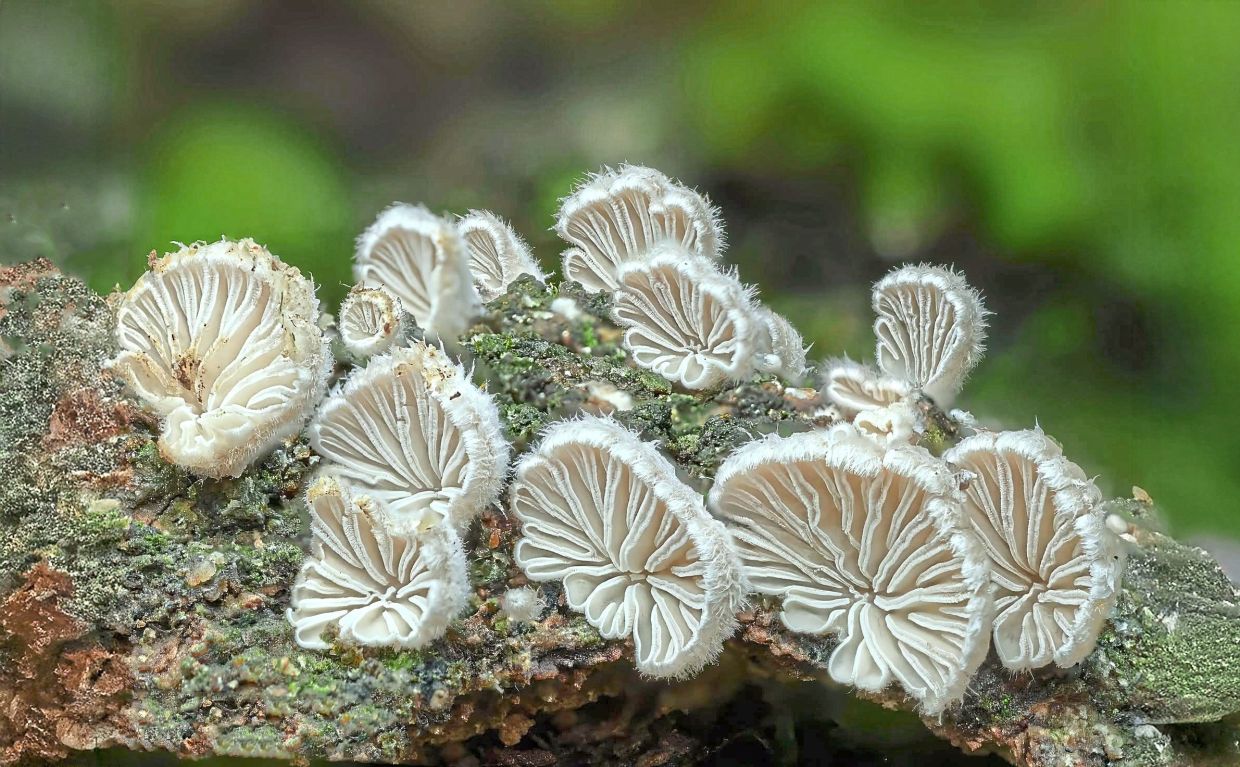
A macro lens with 1:1 magnification, such as a 90mm or 100mm, lets the subject appear at actual size on the camera sensor – revealing gills, spore patterns and even textures invisible to the naked eye.
Because mushrooms grow low to the ground and are often tiny, shooting at close distances results in an extremely shallow depth of field.
This is where focus stacking – taking multiple shots at slightly different focus points and blending them in post-processing – becomes essential.
It gives the final image sharp detail from cap to base.
Lighting is another challenge.
Low light under dense canopy, early morning shadows or post-rain dimness makes external lighting a must.
A diffused flash, ring light or small LED can illuminate the subject, while diffusers help soften the light for a more natural look.
The beauty of mushrooms? Unlike birds or mammals, they don’t move.
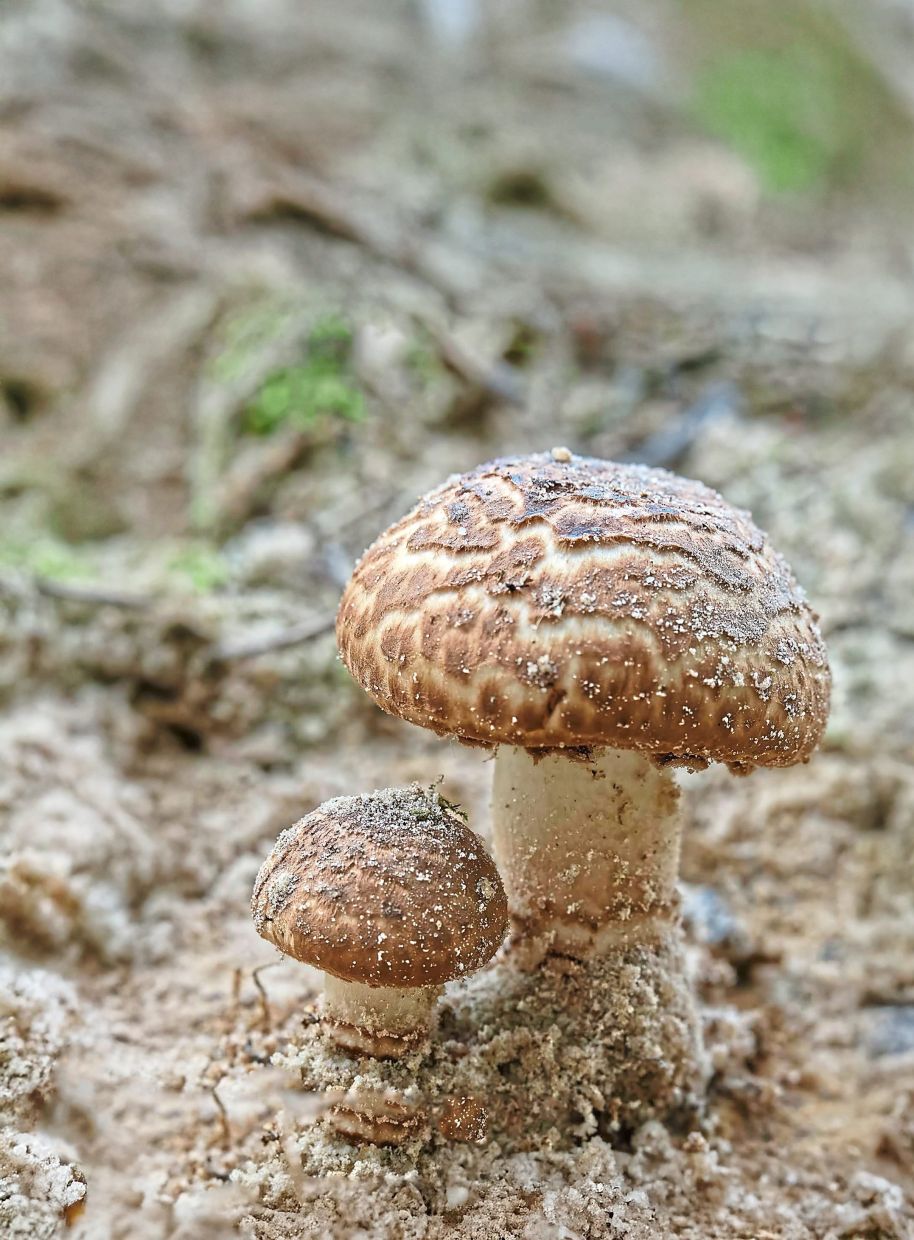
You can take your time getting the composition and lighting just right.
But timing is still everything.
Their appearance depends on moisture, decay cycles and temperature – and when they go, they’re gone.
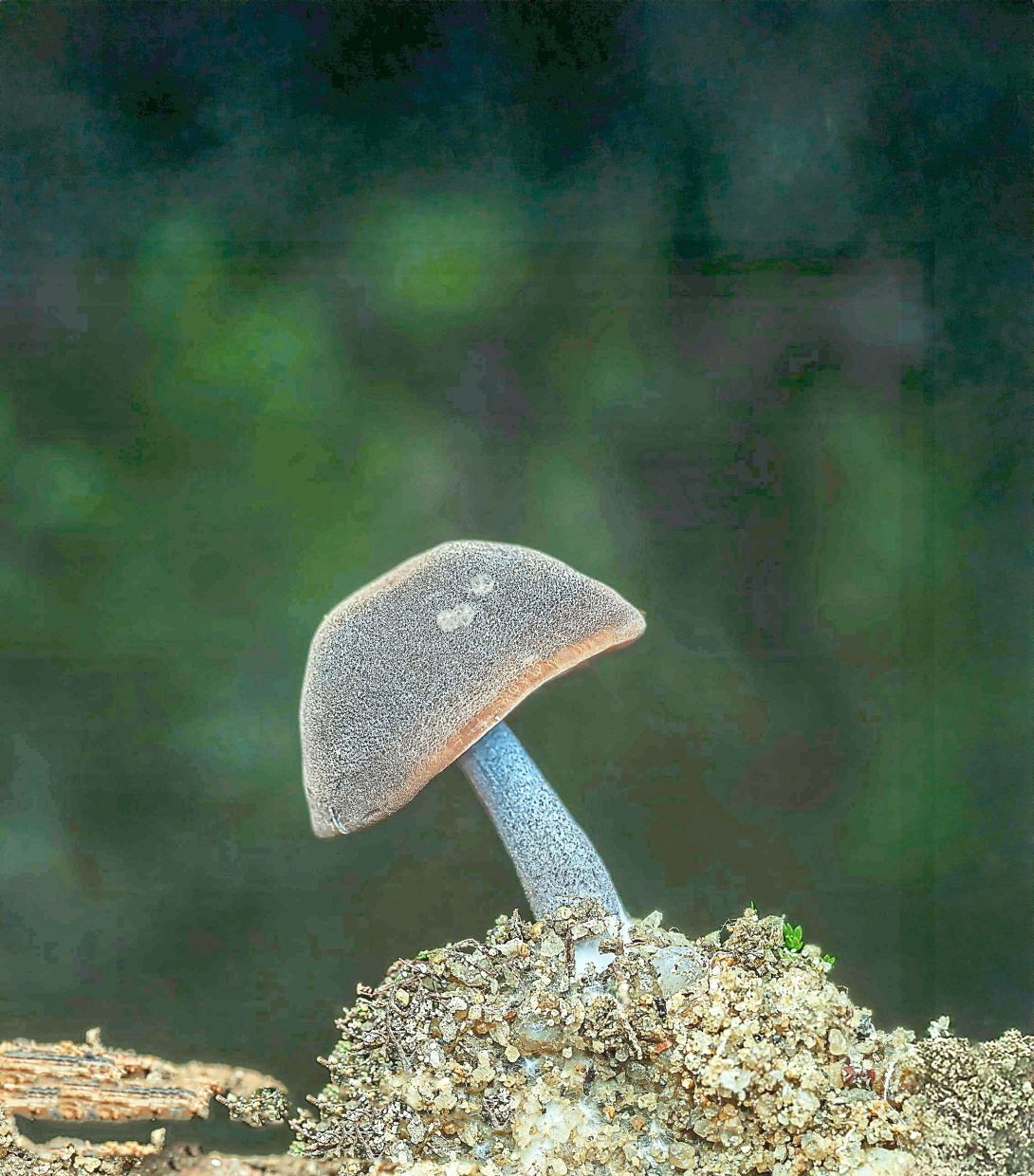
Their variety is staggering: jelly-like blobs, umbrella caps, cup-like miniatures and even fungi that glow in the dark or resemble earthstars.
Some look like alien sculptures. Others are barely larger than a grain of rice.
Photographing fungi is also an act of biodiversity documentation.
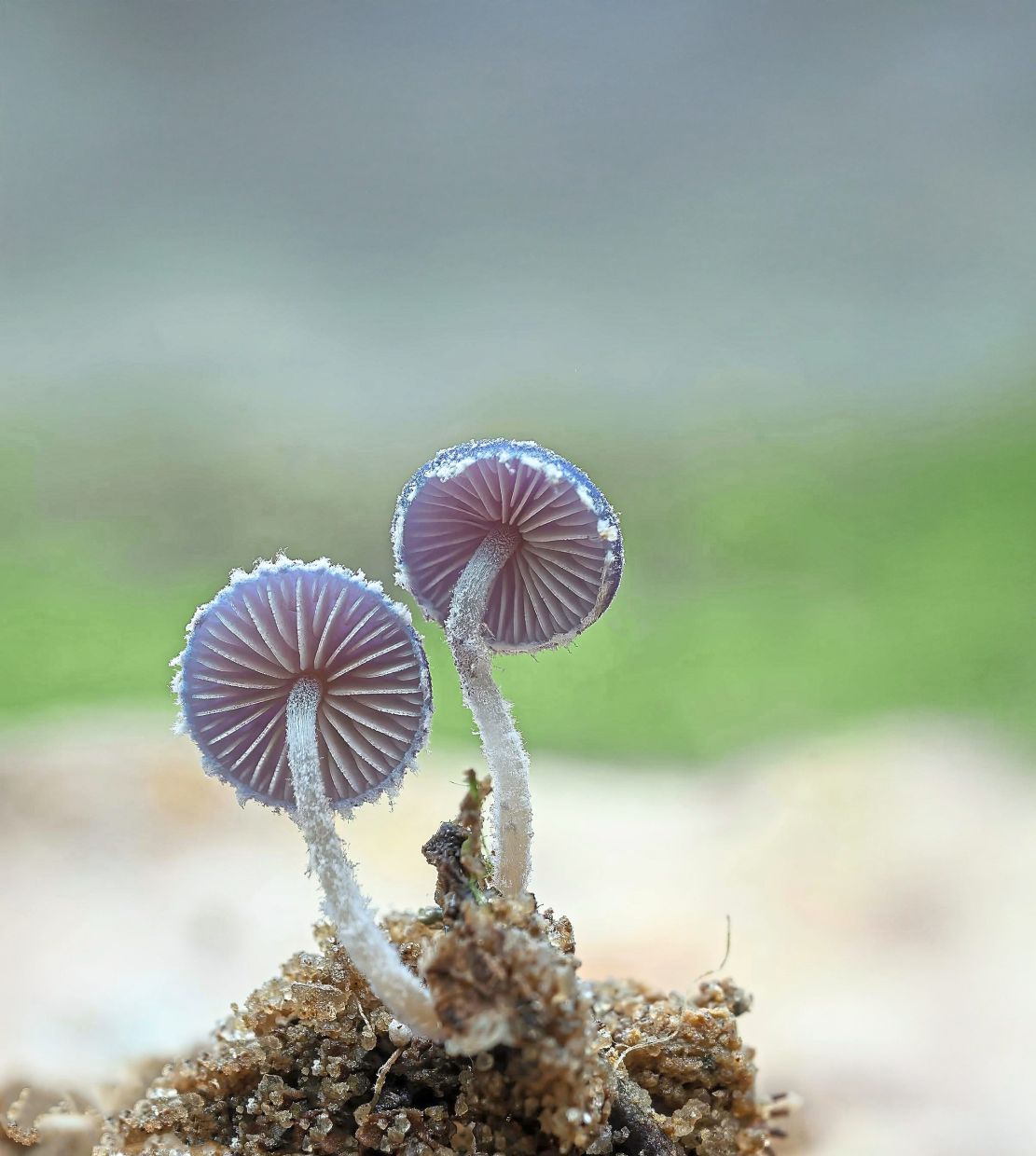
Malaysia’s fungi are vastly underexplored compared to its better-known flora and fauna.
Capturing and sharing images helps foster public appreciation for these remarkable organisms – quiet yet essential players in forest ecosystems.