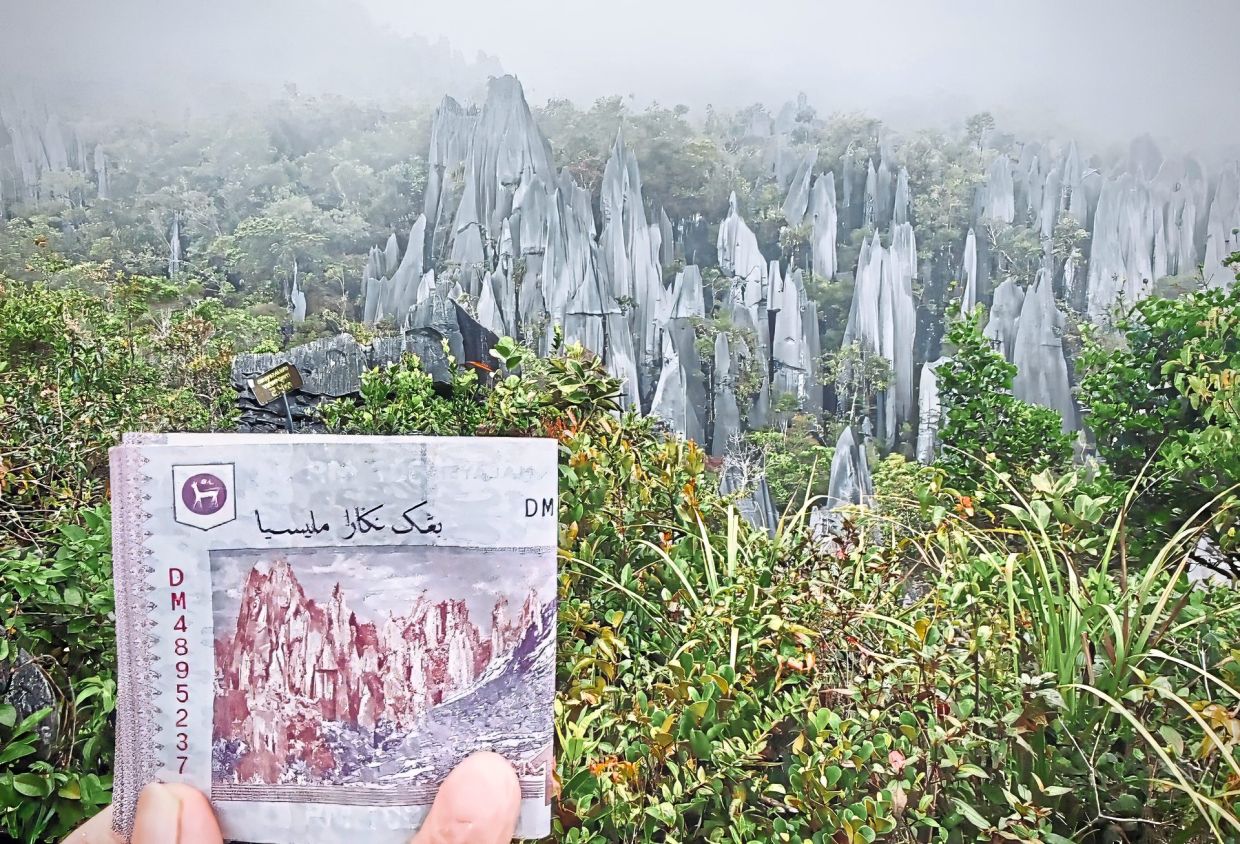
DEEP in Sarawak’s Gunung Mulu National Park, beyond dark rivers and deeper jungles, a trail climbs steeply to one of Borneo’s most surreal sights: a stone forest of jagged limestone blades jutting skywards like nature’s own cathedral.
These are the Pinnacles – a geological marvel and one of South-East Asia’s most arresting spectacles. Rising over 45m in places, the spires cut through the dense green like spears of silver stone, forming an alien skyline on the flanks of Gunung Api.
Reaching them is no easy feat. One doesn’t just walk to the Pinnacles – you have to earn your way there.
It’s a three-day, two-night journey that begins in a longboat and ends with a lung-busting scramble up near-vertical slopes, rope ladders and sharp limestone.
The journey starts gently enough: from the park headquarters, a longboat snakes up the Melinau River, its outboard engine thrumming over tea-coloured waters stained by jungle tannins.
Ferns, towering dipterocarps and the occasional hornbill close in on both banks.
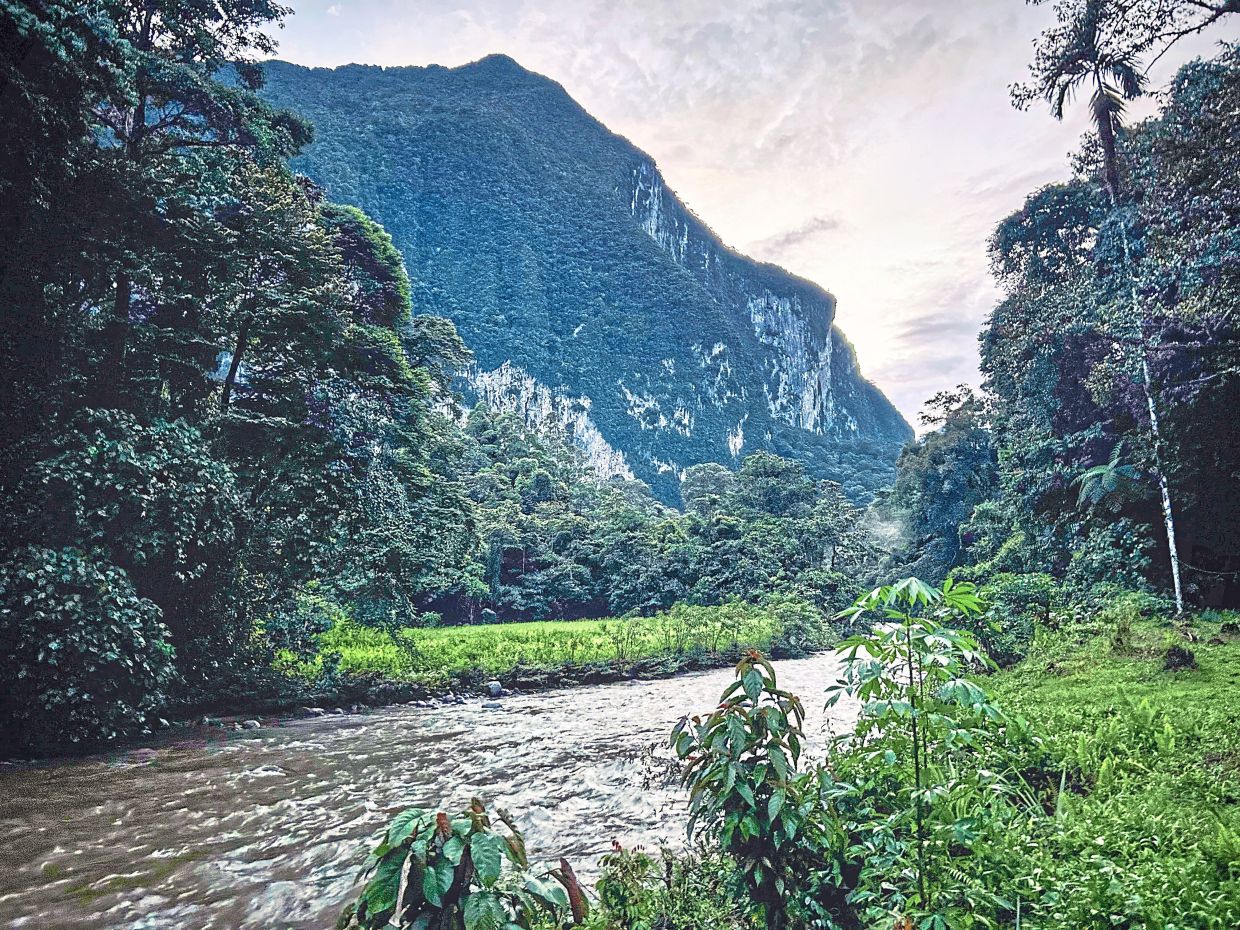
At Kuala Litut, the boat ride ends and the real trek begins – an 8km hike to Camp 5, the base for Pinnacles climbers.
The trail, though mostly flat, is far from tame. It twists through root-choked jungle paths, muddy stretches and stone-strewn patches beneath a canopy that lets sunlight filter through in fractured stripes.
Along the way, hikers might glimpse strangler figs, carnivorous pitcher plants or even the footprints of a bearded pig.
Cicadas scream above; the jungle hums with life, secrecy and heat.
Camp 5 is a simple riverside lodge – spartan dormitories, cold showers and a shared kitchen where adventurers cook their own meals.
Nights here are filled with the croak of frogs, the chatter of insects and the rush of the nearby river. It’s lights out early – the climb begins before dawn.
Armed with a headlamp and hope, hikers tackle the ascent: a 2.4km trail that rises nearly 1,200m, straight up. There are no gentle gradients here – only steep gullies, slick roots, moss-covered rocks and fixed ropes.
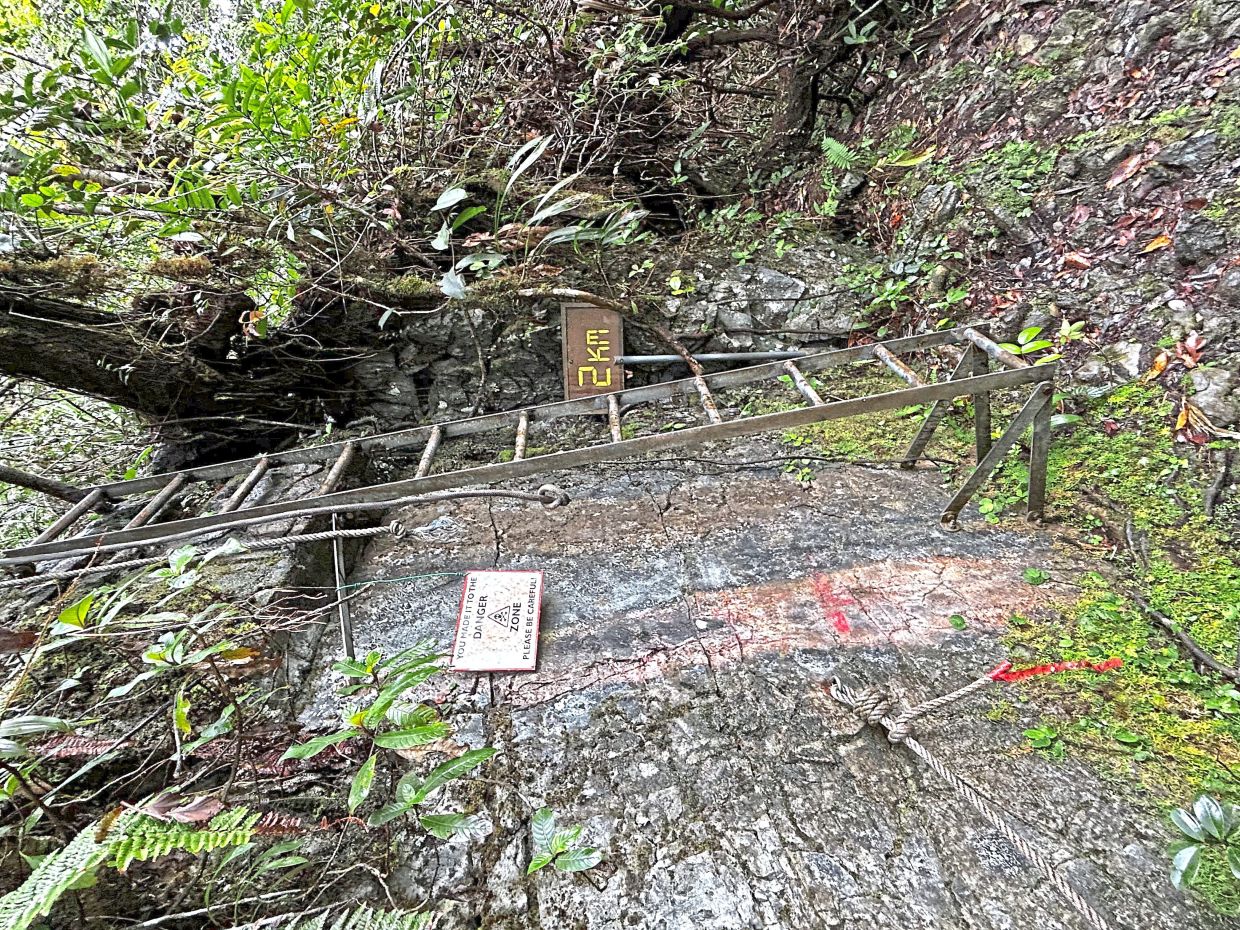
In some places, steel ladders are bolted into the limestone. Gloves are essential. So are steady legs and a calm mind.
To be exact, there are 17 ladders to climb the Pinnacles.
This is a climb that tests both strength and strategy. Small, precise steps conserve energy. Three points of contact – always.
The air thickens, the path narrows and gravity fights every inch.
Water is precious. Rest is rare. But the jungle offers quiet gifts to those who look up – the swing of a Bornean gibbon, the booming call of a rhinoceros hornbill, giant forest ants marching in silent lines over mossy trunks.
Then comes the final scramble.
A break in the trees. The smell of damp stone. A sudden view that stops time.
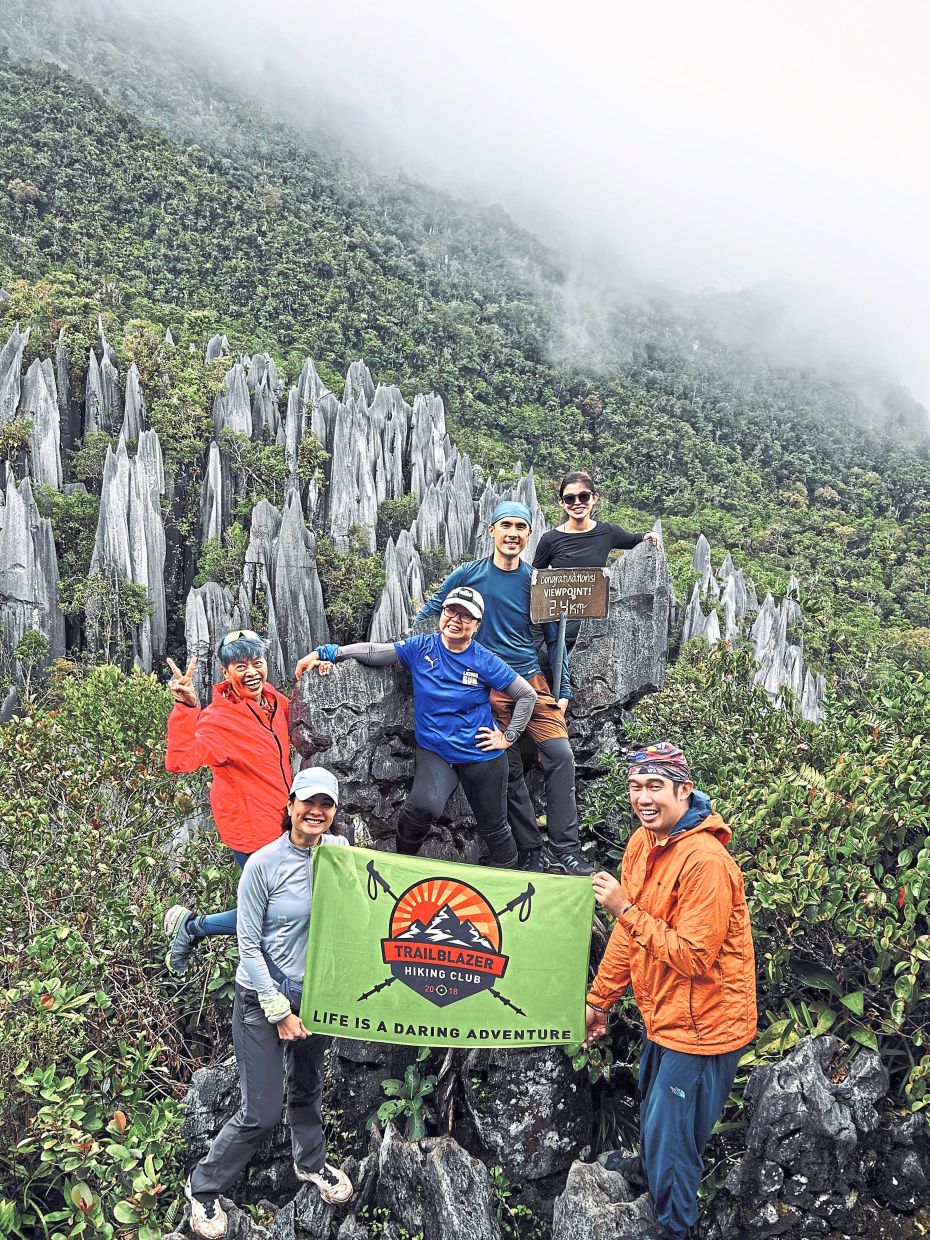
And there they are – the Pinnacles, grey spires rising in ghostly silence from the ridge, veiled in mist or blazing in the midday sun.
They look like an army frozen mid-charge, a stone forest defying everything around it.
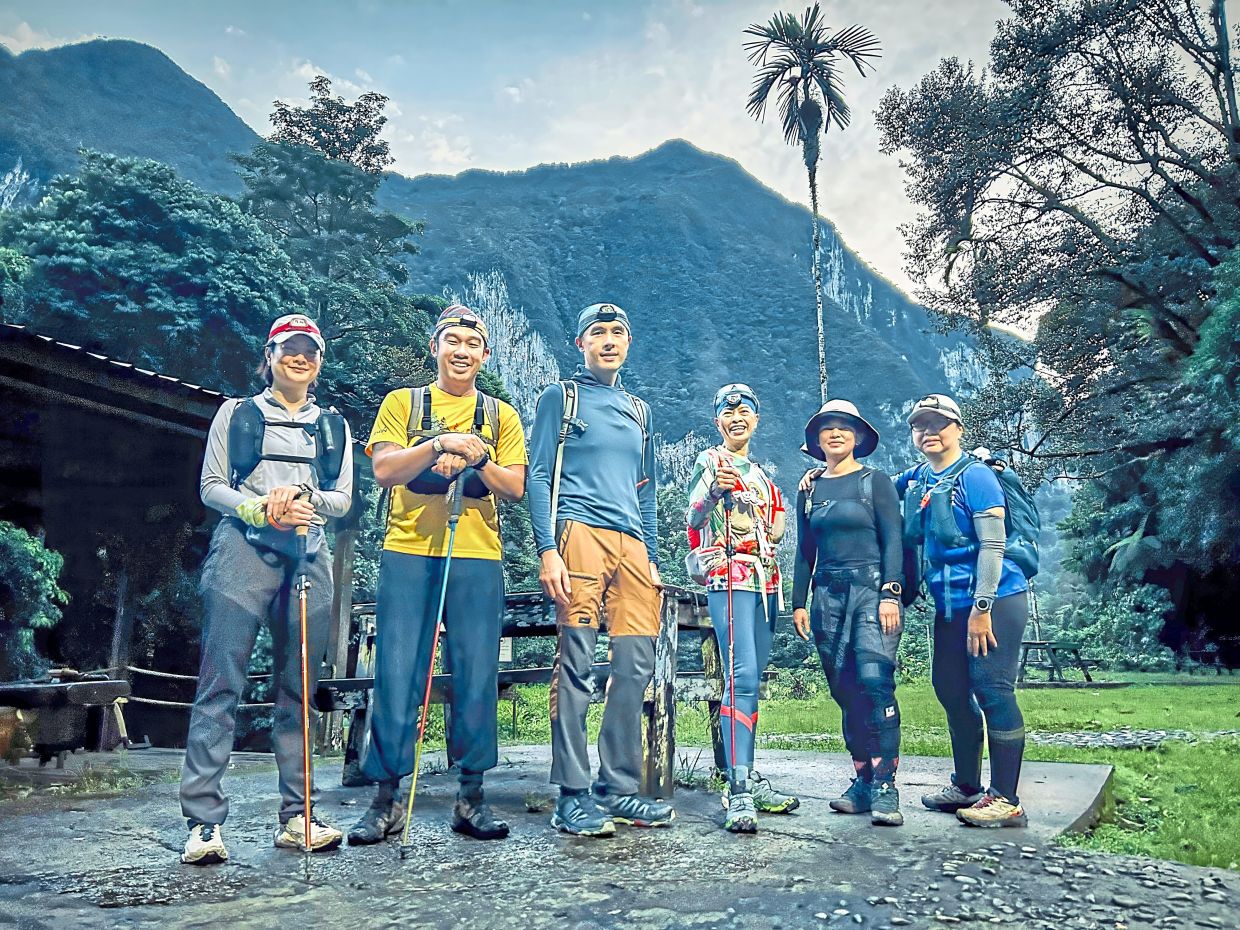
For many, reaching this point is a deeply personal victory – a moment of stillness after hours of effort.
The view doesn’t shout. It stares back, ancient and unmoved. It’s not a place of loud exultation, but of quiet awe.
Photos are taken. Breaths are caught. Silence reigns.
The reward at the top is also brief. A sharp, cold wind sweeps across the ridge and despite wearing a windbreaker, the chill cuts through.
The breeze is constant, almost biting, making it hard to linger too long among the limestone spires.
The descent, though faster, punishes tired legs. Gravity pulls hard. Slips are easy, more so when you are tired. But eventually Camp 5 reappears – its wooden deck and gurgling river a promise of rest, a place to reflect on the ordeal and the reward.
The next morning, sore but exhilarated, hikers retrace their steps – back through the wild trail, onto the boat and toward civilisation.
This climb isn’t for everyone. It demands fitness, patience, and the ability to push through mud, fatigue and doubt. But for those who make it, the reward isn’t just the view.
It’s the experience – of moving through deep rainforest, learning the land’s secrets and standing among rocks that predate humanity itself.
These ancient limestone karsts have stood for millions of years, sculpted by rain, time and silence. They ask nothing, but reveal everything – about nature’s force and one’s own resolve.
The Pinnacles aren’t just rocks. They’re a lesson in perseverance. A reminder that some of the most beautiful things in the world can only be reached the hard way.
> Editor’s Note: Trailblazer Hiking Club Malaysia (THCM), founded by Kelvin Weng, organises regular hikes and climbs across the country, including this Pinnacles climb. Details of their activities can be found on their official Facebook page. Interested individuals are welcome to join as members.
Follow Johnny Yong’s hiking adventures through his videos and photos on:
Facebook: https://www.facebook.com/johnnyy79
Instagram: https://www.instagram.com/johnnyy929
YouTube: https://www.youtube.com/@YOLOSOLOJY24
Essential Gear
Trail Shoes or Hiking Boots: A grippy sole is important. The limestone rocks are sharp and often slick with moss.
Gloves with Grip: For holding onto ropes and scrambling over sharp rocks. Gardening gloves with rubber palms work well.
Dry Bag/Waterproof Pack: Rain is frequent. Keep your essentials dry, especially if you carry a phone or documents.
Headlamp: Mornings start before sunrise. You’ll need light for the early part of the climb.
Lightweight Clothing: Quick-dry fabrics and moisture-wicking layers are ideal. Avoid cotton.
Rain Jacket: Even if it doesn’t rain, it helps with the cold wind at the summit.
Trekking Poles: Useful for the hike to Camp 5, but not usable during the actual Pinnacles climb (hands are needed for ropes and ladders).
Camp 5 Necessities
Sleeping Bag or Liner: Dorm beds are basic. Nights can get chilly.
Cooking Gear and Food: Camp 5 is a self-catering camp. Bring dehydrated meals, rice or noodles, and a small stove or portable cooker.
Water Purification Tablets or Filter: River water is available, but should be treated.
Insect Repellent: Mosquitoes and sandflies are active, especially near the river.