Firstly, I need to establish that this isn’t a tale about someone overcoming adversity to succeed in life, making lots of money, and luxuriating forever after with their hard-earned millions.
My rail journey from Hanoi to Ho Chi Minh City, both in Vietnam, began with a mistake of my own doing when I pre-booked online a second-class sleeping berth rather than one of a superior stature.
As I was to discover later, second-class sit-up seats are fine, but second-class sleepers are housed in compartments that have six berths, stacked three high on either side of a narrow aisle. While compact and cosy with barely enough headroom, these berths are just okay for sleeping but are completely useless when you want to sit up, as each passenger is confined to their own flat berth.
On the other hand, first-class sleepers are more spacious with just four berths per compartment, and all passengers can sit on the lower berths during the day.
Hanoi to Danang
The railway linking Hanoi to Ho Chi Minh City extends for 1,725km. Completed in 1936 during the French colonial era, the luxurious trains were known as the Transindochinoise, and they took 60 hours to cover the distance.
Sadly, the line only remained intact for 20 years. Afterwards, the country’s north and south were divided from 1955 to 1975 during the Vietnam War (known to Vietnamese as the American War). The railway was rendered useless by floods, neglect, bombing and sabotage during those years.
The railway was considered important in reuniting Vietnam, and rebuilding began immediately after the war. The first train through the united country operated in 1977 and was nicknamed the “Reunification Express”, although there was never officially such a train. They are now rather boringly named SE and a number (even-numbered operate from south to north and odd-numbered; north to south).
There are at least four daily trains in both directions, and taking 33 hours to cover the distance, the term “express” is somewhat misleading.
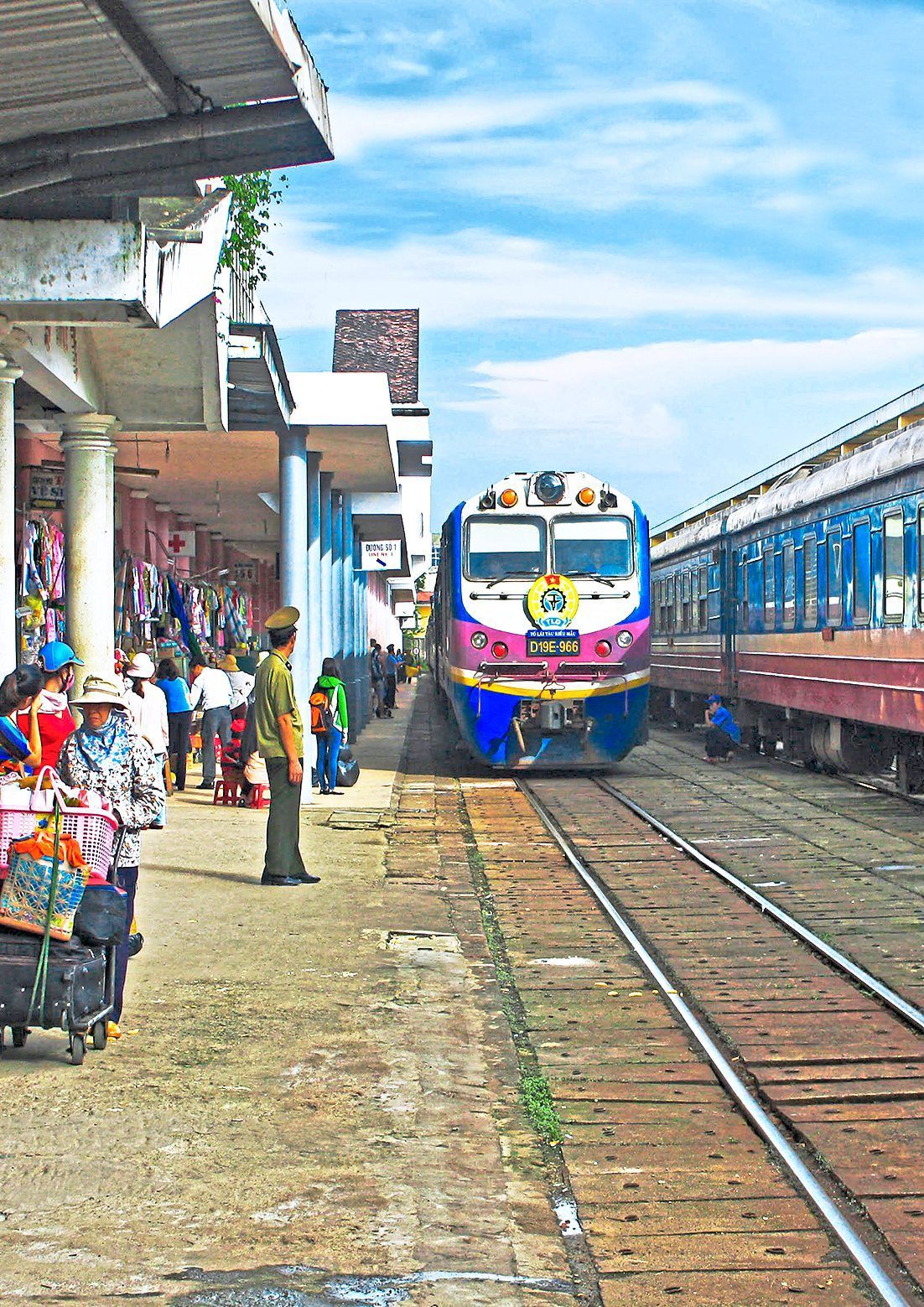
After a wonderful few days soaking up the luxurious colonial ambiance of Hanoi’s Metropole Hotel, it was time to head to the main station for the 3.30pm departure of train SE5.
However, I was deflated on seeing my cramped quarters.
With my five Vietnamese travelling companions, we departed on time as I contemplated lying horizontal for the next 14.5 hours. While standing in the corridor, I noticed a low plastic stool that I immediately took ownership of and squatted out of the way at the end of the carriage.
My travel companions were wonderful, and despite the language barrier, we got on like a house on fire. At about 9pm, I decided it was time to climb into my couch for a restless sleep. Sometime during the night, my five companions left the train, and another five rather raucous passengers replaced them.
While I didn’t get off, those who want to learn more about the Vietnam War should alight at Dong Ha to visit sites along the Demilitarised Zone (DMZ) and sections of the Ho Chi Minh Trail. Many infamous battles were fought here, and history hounds can visit them from Dong Ha.
Some of the battlegrounds include Khe Sanh, Vinh Moc Tunnels, Hamburger Hill, and sections of the Vietcong supply route known as the Ho Chi Minh Trail.
I also chose not to alight at Hué, as I had been there previously, and it was too early in the morning to do so anyway. The rugged coastline beside the Hai Van Pass was what I wanted to focus on. This stretch of railway is arguably one of its finest, and it’s worthwhile selecting a train that passes here during daylight hours.
The rail journey hugs the picturesque coastline around Lang Co and continues along the coast to just north of Danang.
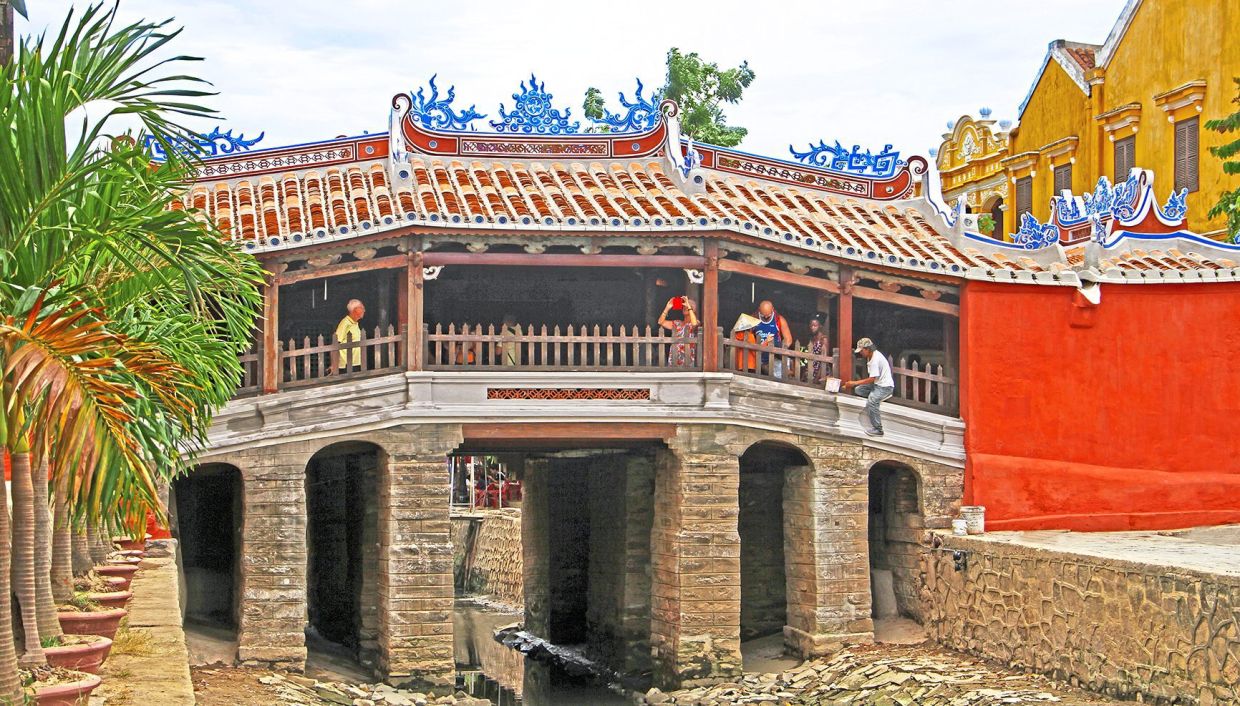
Danang is also the gateway to China Beach and Hoi An. It was the latter that I headed to with the delightful riverside Anantara Resort, my chosen hotel.
Hoi An is a protected Unesco site where little has changed over the centuries. Terraced shops and houses in this river port line narrow streets given over to non-motorised traffic.
The port attracted Japanese, Portuguese, Dutch, Arabic, Chinese and French mercantile trade. Its old buildings survived Vietnam’s turbulent past, making it one of the world’s best-preserved ports. After exploring the town, I relaxed by the pool and in the bar and restaurant.
Danang to Quy Nhon
Apart from the Anantara being one of Hoi An’s finest resorts, I also chose it because it operates two luxurious carriages that are hooked up to the morning train from Danang to Quy Nhon, and on to Nha Trang.
My “rags-to-riches” railway story was complete as I settled into my private compartment on the luxurious The Vietage train the next morning.
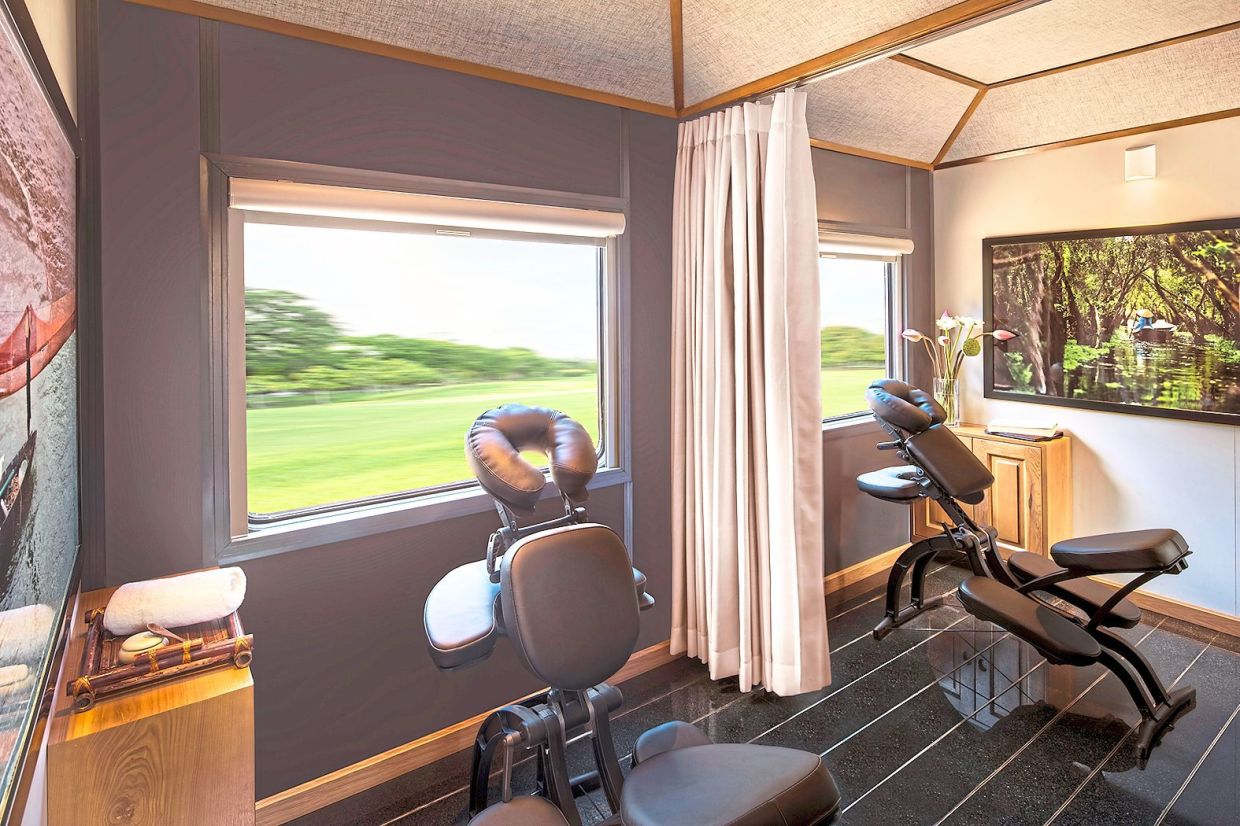
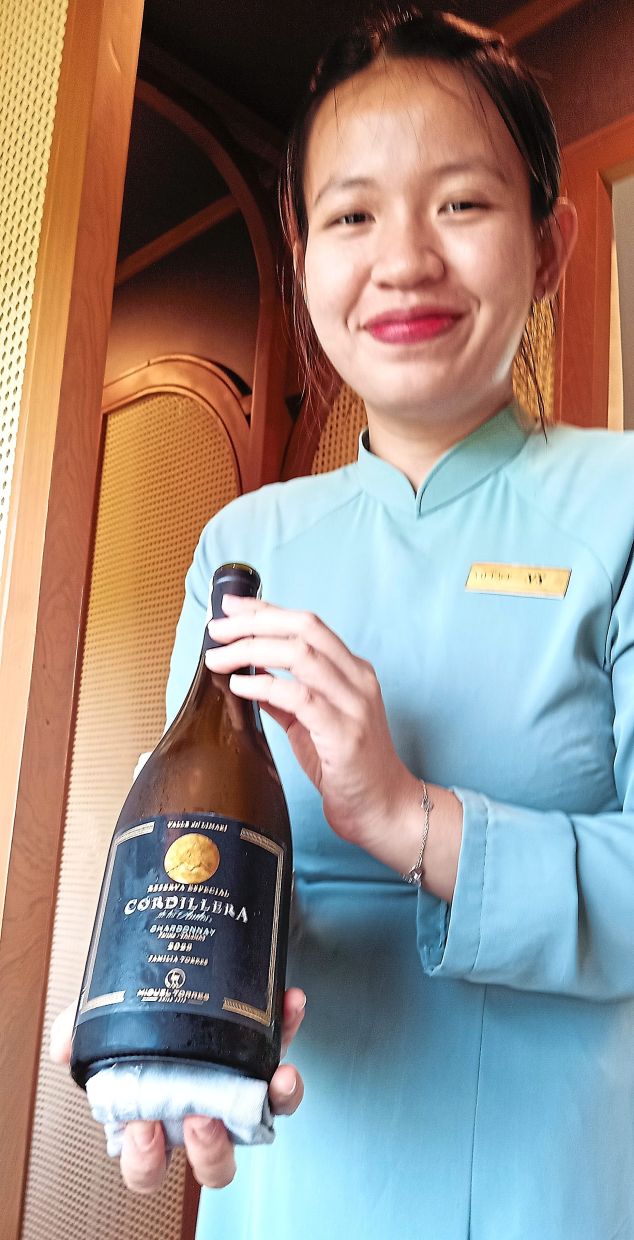
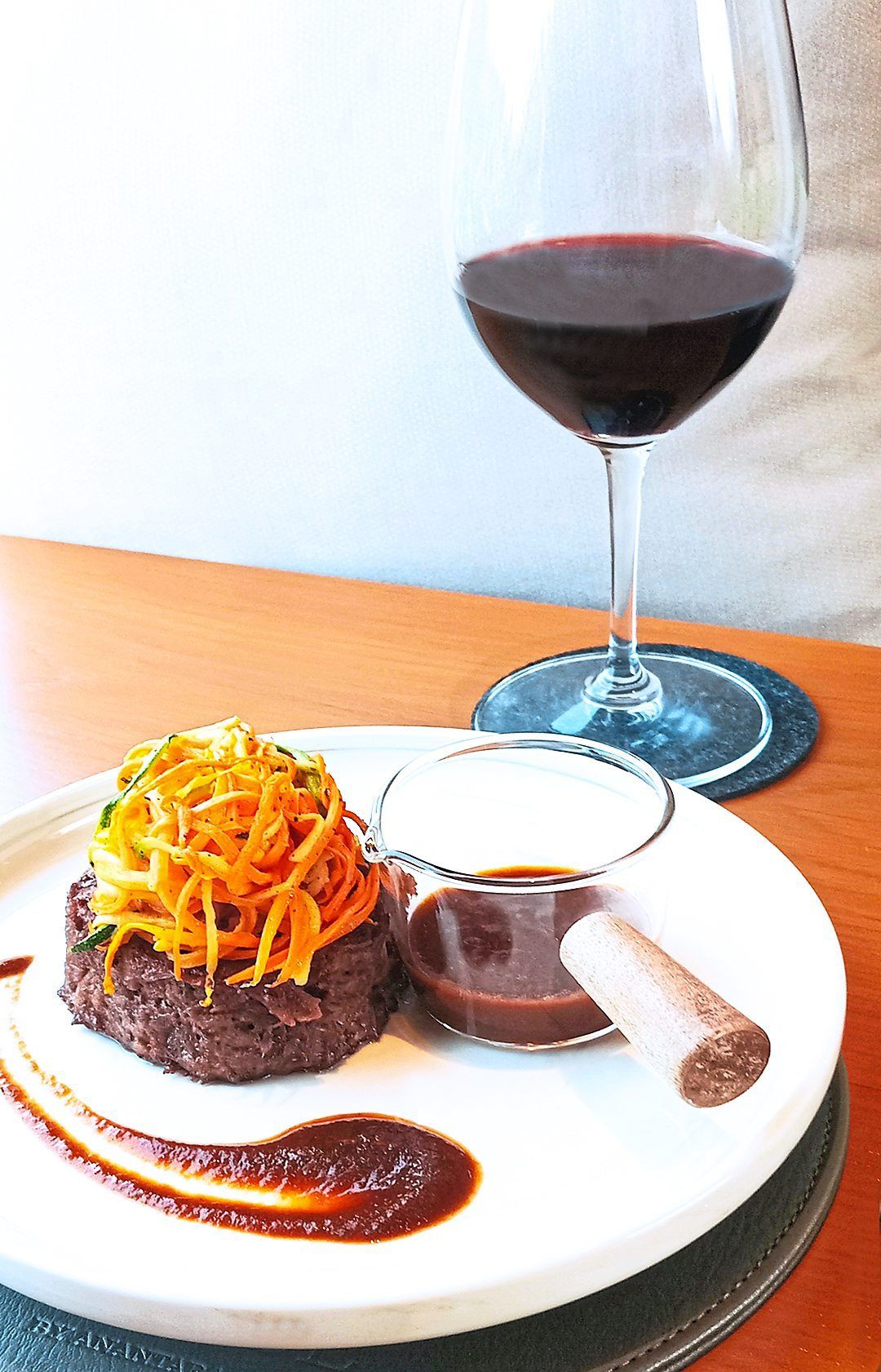
While this indulgence comes at a price, I was glad to be onboard to enjoy breakfast, a gourmet lunch, complimentary drinks at the exclusive sit-up bar, and a 15-minute neck massage.
The train pulled into Dieu Tri Station mid-afternoon, and I reluctantly left The Vietage, but happy in the knowledge that I was heading to the exclusive seaside all-villa Anantara Quy Nhon Villas.
Quy Nhon is being developed as a coastal resort destination, but currently the boutique Anantara retreat is one of just a few along a near-deserted coast.
Quy Nhon to Nha Trang
The Vietage also operates southward to Nha Trang, but I chose to travel in the afternoon with the locals in a second-class sit-up seat from Dieu Tri to Nha Trang. The air-conditioned carriage was comfortable and atmospheric as it was full of Vietnamese holidaymakers.
As the sun was setting, the train travelled along a spectacular stretch of coastline with some impressive views.
Nha Trang, once a sleepy fishing town, has well and truly been discovered, and its towering beachside hotels offer a comprehensive range of services and facilities, including restaurants, spas and watersports. Vietnam’s most commercialised resort destination is definitely popular with local and foreign holidaymakers.
Passengers who alight here can explore the fishing village along the Cai River and the archaeological remains of Po Nagar Cham Towers, relax by the beach or on several offshore islands within the Hon Mun Marine Protected Area.
Villa Le Corail a Gran Meliá Hotel is located to the north and away from much of the city’s action, which was just perfect for me. I luxuriated in my spacious villa with its own private pool and enjoyed gastronomic encounters at the resort’s restaurants.

Nha Trang to Binh Thuan
Two days later, I returned to Danang for the 9.53am train departure to Binh Thuan, near Phan Thiet. My second-class seat was most comfortable as I watched rural Vietnam sweep past the panoramic window. My 2pm arrival was ideal as was the waiting staff of The Anam Resort, who whisked me to their seaside property in Mui Ne.
Phan Thiet is famous for its fish sauce (nouc mam), which is essential in Vietnamese cooking. There are several seaside resorts here and further north at the more popular Mui Ne, which was where I chose to stay at the colonial-inspired resort.
The Anam really is a wonderful hotel, and while just two years old, the architects have created a colonial ambiance that gives the impression that it has been there forever. Rooms are stylish with modern facilities, and dining on classic Vietnamese dishes at the resort’s restaurants and enjoying a beachfront cocktail were highlights of my relaxing stay.
Mui Ne meanwhile has all that beachgoers wish for in a holiday, but without the crowds.
Binh Thuan to Ho Chi Minh City
It’s just a four-hour run from Binh Thuan to Ho Chi Minh City. A few trains operate along the branch line to Phan Thiet, but it was easiest for me to have The Anam staff drive me from Mui Ne to Binh Thuan.
The station in Ho Chi Minh is still called Ga Sai Gon, reflecting the city’s previous name. Streets here are jammed, but a metro currently under construction will enable easier travel to sights like the War Remnants Museum, Binh Tay Market, the Gothic-style Notre-Dame Cathedral, and Bitexco Tower with a skydeck on its 49th level.
My hotel of choice, the Novotel Saigon Centre, had a delightful rooftop bar. Its 20th-floor location provided impressive views while the snacks and beverages served here ensured my stay was complete.
Travel tips
The main questions travellers need to consider before booking a train holiday in Vietnam are: In which direction do they want to travel, what the time of day do they wish to travel, which destinations do they want to explore, and and what degree of comfort are they expecting.
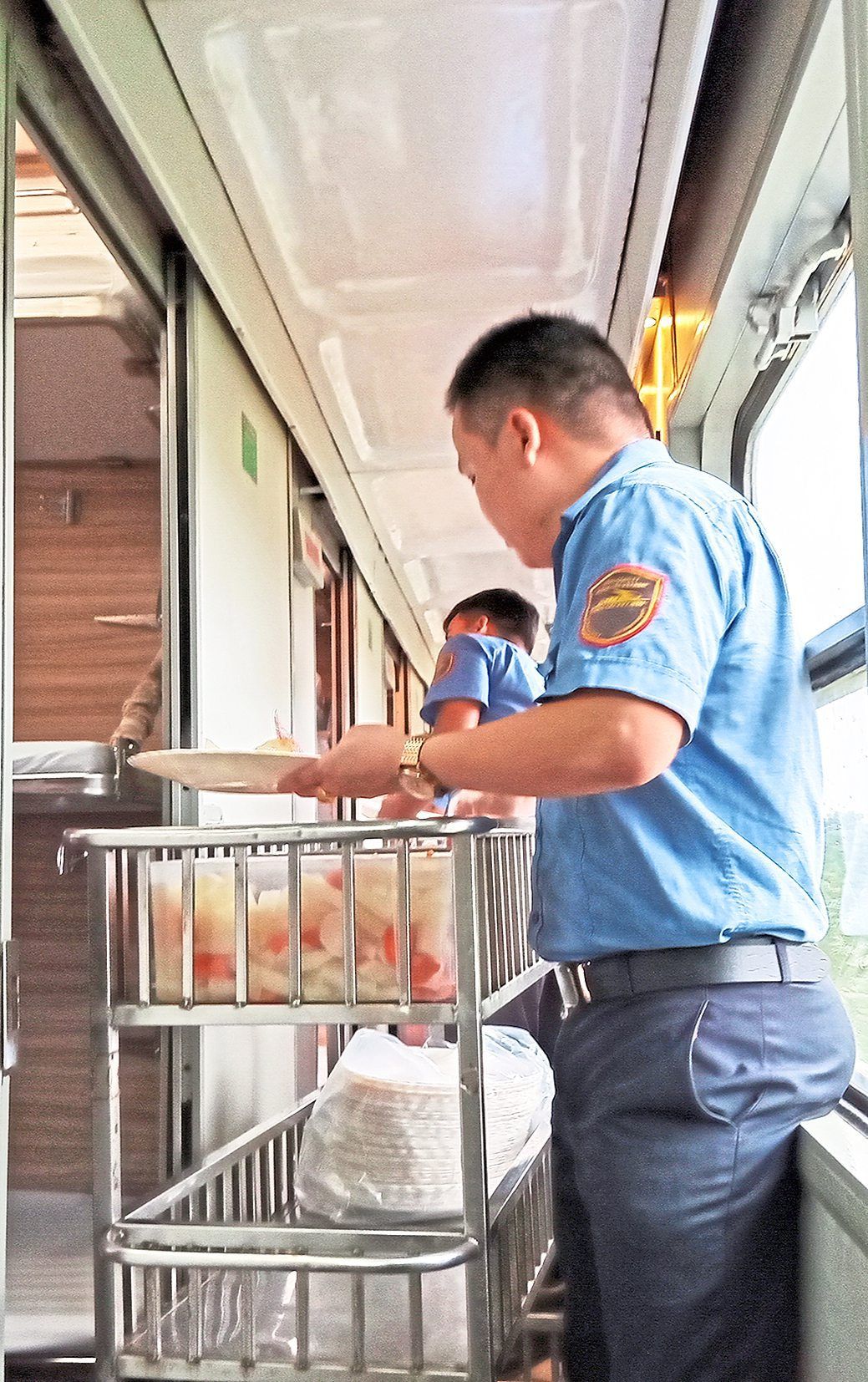
It’s best to avoid Vietnamese holidays, especially Tet (the Vietnamese New Year celebrated in January or February). Most trains have a restaurant car, and staff regularly pass through the train selling main meals, snacks and beverages.
With sleeping compartments of four and six, Vietnamese trains are ideal for group travel, as they can be the sole occupants of a compartment.
Trains SE1 and SE2 have VIP sleeper cabins that accommodate two passengers (both lower berths). Lower bunks are more expensive than upper ones, and tickets can be purchased at stations, online, or from specialised travel agents.
This is a fascinating journey along Vietnam’s coastal parts and past verdant fields, connecting its exuberant cities and towns. With so much to see, the journey could take well over a week for those wishing to admire the sights.
Travel notes
How to get there:
AirAsia, Malaysia Airlines and Batik Air fly from Kuala Lumpur to cities along this rail route so passengers can head straight into Hanoi, Ho Chi Minh City, Danang, or Cam Ranh (Nha Trang), and out of another airport.
Where to stay:
It’s not only the journey but also the destinations, and while I slept on the train for one sector, I stayed in hotels in several destinations. As Vietnamese train travel is affordable, I chose to splurge on my accommodation. Vietnam caters to all budgets and the hotels I stayed in included the Sofitel Legend Metropole Hanoi, Anantara Hoi An Resort, Anantara Quy Nhon Villas, Villa Le Corail a Gran Meliá Hotel, The Anam Mui Ne, and Novotel Saigon Centre.
Best travel times:
While much of Vietnam can be visited year-round, the peak season is from July to August. Monsoon rains in November and December can disrupt travel plans.
Visa:
While Malaysians don’t require a visa to visit Vietnam, many other nationalities do. Officially, it takes
at least three working days for online evisas to be processed. In reality, it takes longer, and those requiring a visa should apply early to avoid hefty last-minute fees (US$150/RM668). Take note that there is a US$25 (RM111) charge for applications submitted via the official website (www.evisagov.vn/official/en-us/).
More information:
The Man In Seat 61 (www.seat61.com) is the ultimate website for global train information, including in Vietnam. Booking seats online via Baolau (www.baolau.com) is preferable to the state railway website.
A Vietnam train journey




The railway line grips the coast as it travels close to the Hai Van Pass near Lang Co. — Photos: DAVID BOWDEN
Admire the agricultural landscape from the train in Vietnam.
Admire the agricultural landscape from the train in Vietnam. — Photos: DAVID BOWDEN
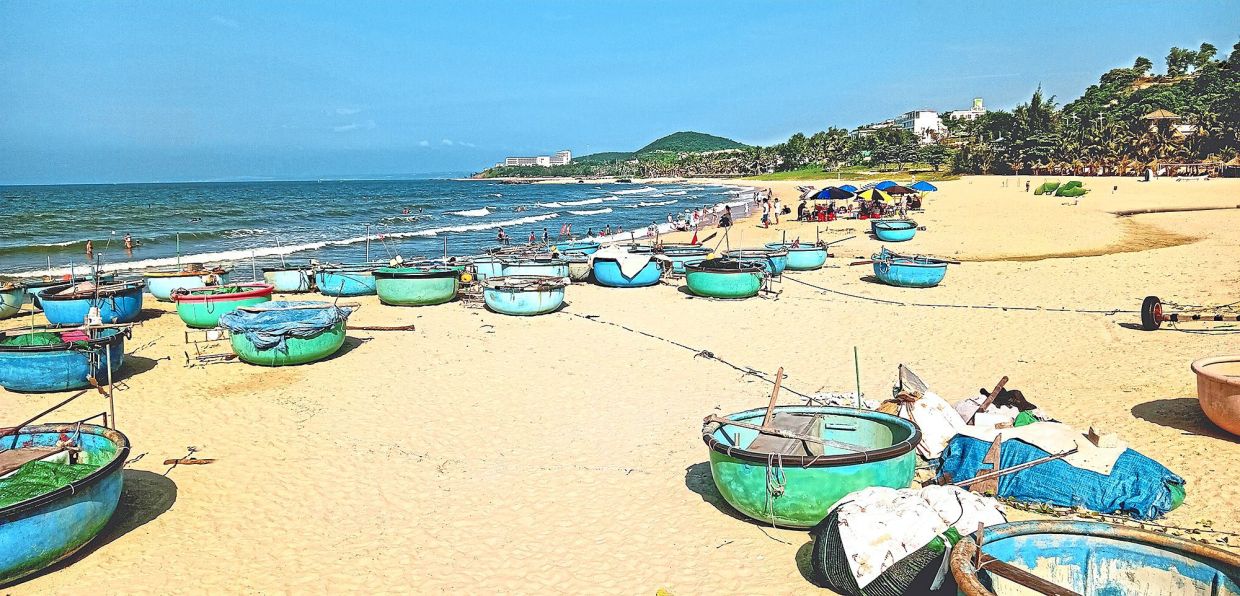
Alight at Bien Thuan to access the fabulous beach at Mui Ne with its fishing fleet.
Alight at Bien Thuan to access the fabulous beach at Mui Ne with its fishing fleet.
Basic meals are served in second class on overnight Vietnamese trains.
Basic meals are served in second class on overnight Vietnamese trains.
Complimentary premium wines are poured on The Vietage.
Passengers get to dine in style on The Vietage.
Feeling tired throughout your journey? Indulge in a neck massage on The Vietage.
Passengers can alight at Danang to visit the nearby and popular historic port of Hoi An.
Relax by the pool set in tropical gardens at The Anam Mui Ne.
Second class bunks on the train are compact and stacked in threes.
The Vietage is a luxury railway carriage in Vietnam.
Trains are the ideal way for independent travellers to explore Vietnam.