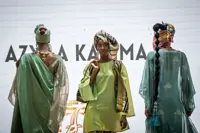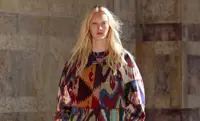
In the 2010s, K-fashion – the umbrella term for South Korea’s street style, contemporary labels and Hallyu-inspired dressing – dominated the scene.
Its rise was seemingly phenomenal, with even Western countries embracing the aesthetic (or rather, the hype).
A decade on, however, questions are now being asked about whether that influence still burns as brightly, or if the global spotlight has quietly moved on.
Do K-drama stars still create the same buzz at international runway shows? Are luxury brands still scrambling to court K-pop idols for collaborations?
After all, the fashion industry is very much a fast-moving one. On top of that, the younger generation’s emphasis on authenticity has shifted attention towards personal expression over mass adoption.
Concerns over the sustainability of K-fashion’s influence were raised at a seminar hosted in October, according to Chosun Daily.
At the event in Seoul, attended by fashion industry insiders, Shin Myung-cheol, an adjunct professor at Korea University Business School, warned against over- reliance on South Korea’s pop culture influence.
Read more: No longer just guests, K-pop stars now take centre stage at fashion shows
Multi-layered scenario
The answer is far from straightforward, shaped by a mix of public fascination and actual adoption.
Hallyu, meaning K-wave, refers to the global spread of South Korea’s lifestyle and culture, covering everything from music and film to cuisine.
“K-fashion was never actually moving in perfect step with the K-wave,” says Tony Oh Hyodong, executive director of Shinsung Tongsang Malaysia, the company leading the entry and expansion of Topten10, a hugely popular South Korean fast fashion brand.
“For the past two decades, the real driver of the K-wave has been K-pop and cultural content, not fashion. Fashion brands simply borrowed the halo effect through ambassadors and promotions, which made it look like K-fashion was rising alongside it.”
Oh points out that while K-beauty matured early and built strong global markets, its fashion did not, simply because it never had a clearly defined worldwide identity.
“But today, the landscape has shifted. The gap between K-fashion and global expectations has never been smaller,” he shares.
Oh is buoyant about what he sees as the “real beginning” of K-fashion’s dominance – and with Topten10 opening its first store in Malaysia next month, he has every reason to be.
Calvin Chong, regional digital managing editor (South-East Asia, Japan and Hong Kong) for L’Officiel and a huge K-pop fan, says K-fashion remains popular.
“If you look at the global trend right now, many brands are being influenced by South Korean celebrities in their various activities,” he explains.
“From picking up styles and trends from their favourite character in the hit K-drama series to getting inspired by outfits from music videos and stage performances, this wave is alive and strong among followers.”
A diverse aesthetic
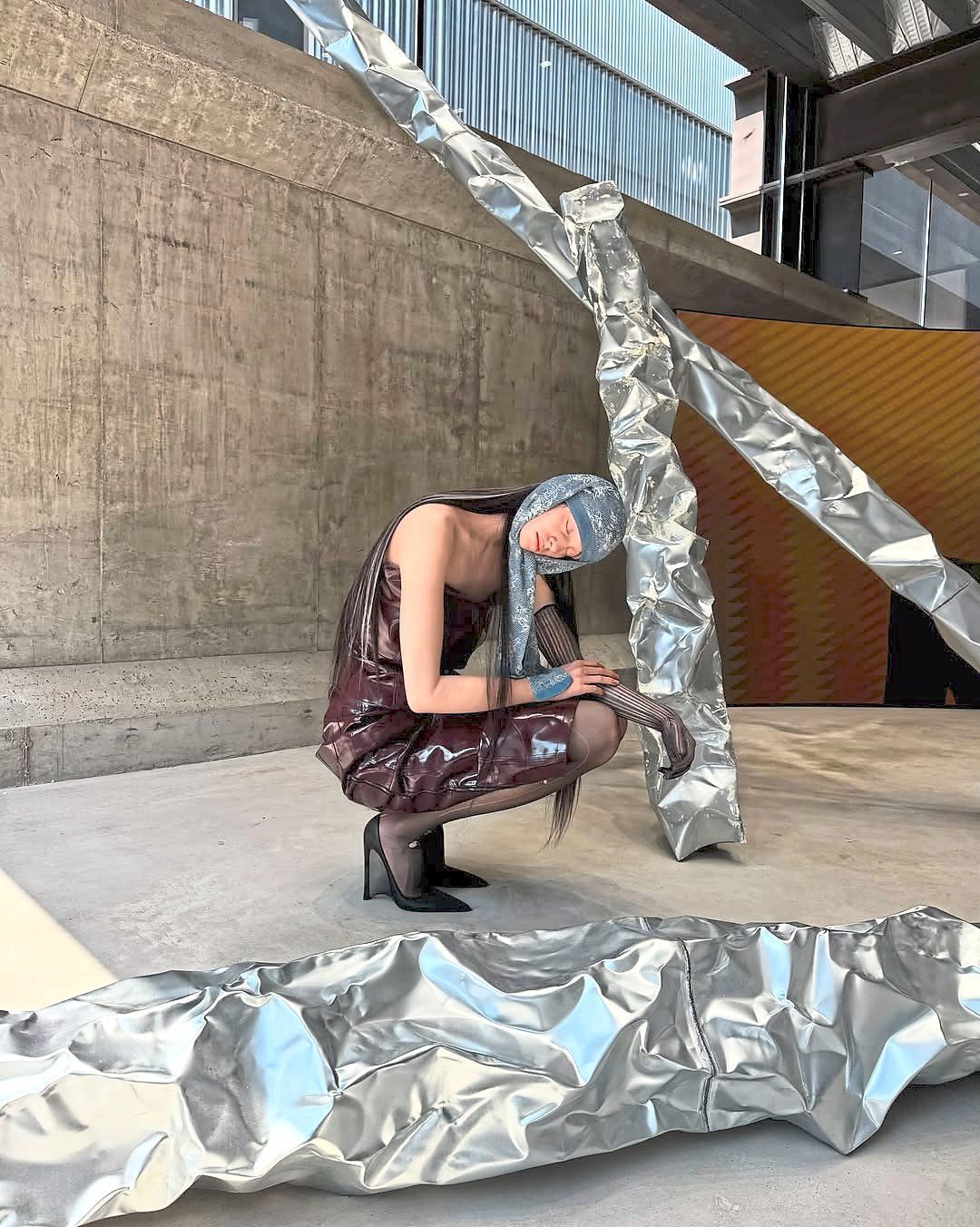
Fashion stylist Andrea Kee explains that the core aesthetic leans minimalist, favouring clean, structured pieces with a classic sensibility.
While many K-fashion labels have embraced a streetwear edge, she says this direction is less favoured at the moment.
“For those worried that K-fashion is no longer trendy, pick pieces that are more timeless,” Kee advises.
She adds, nevertheless, that the aesthetic is not exclusive to South Korean brands.
“Labels such as JNBY or COS carry a similar look,” she notes, with the former originating from China and the latter from the UK.
“I’m not sure whether there’s such a thing as the V-wave, but I think Vietnam’s fashion scene is quickly becoming prominent.”
Not only that, Thai celebrities are increasingly sought after by global brands.
Meanwhile, Chinese fashion labels are making significant inroads into the Malaysian market, reflecting the region’s growing appetite for diverse style influences.
“No matter what, I still know people who travel to South Korea specifically to shop for K-fashion outfits, which says something about its enduring appeal,” Kee, however, says.
To Chong, K-fashion embodies a bold, millennial sensibility that varies widely across brands with South Korean roots.
“When it comes to silhouettes and volume, labels such as ROKH and Hyein Seo excel at transforming the simplest ideas – whether plain white shirts or denim – into something fresh and distinctive,” he says.
He also points to Atiissu as a leader in headwear, designing caps, hats and beanies that stand apart from anything else on the market.
Chong believes that K-fashion is particularly distinctive in the way it is embraced by K-pop stars, making the style difficult to imitate.
“While global brands may reference these looks, it is the creatives behind K-pop who are truly setting the direction for the rest to follow,” he adds.
Read more: The rise of at-home beauty as South Koreans skip salons for self-care
The celebrity factor
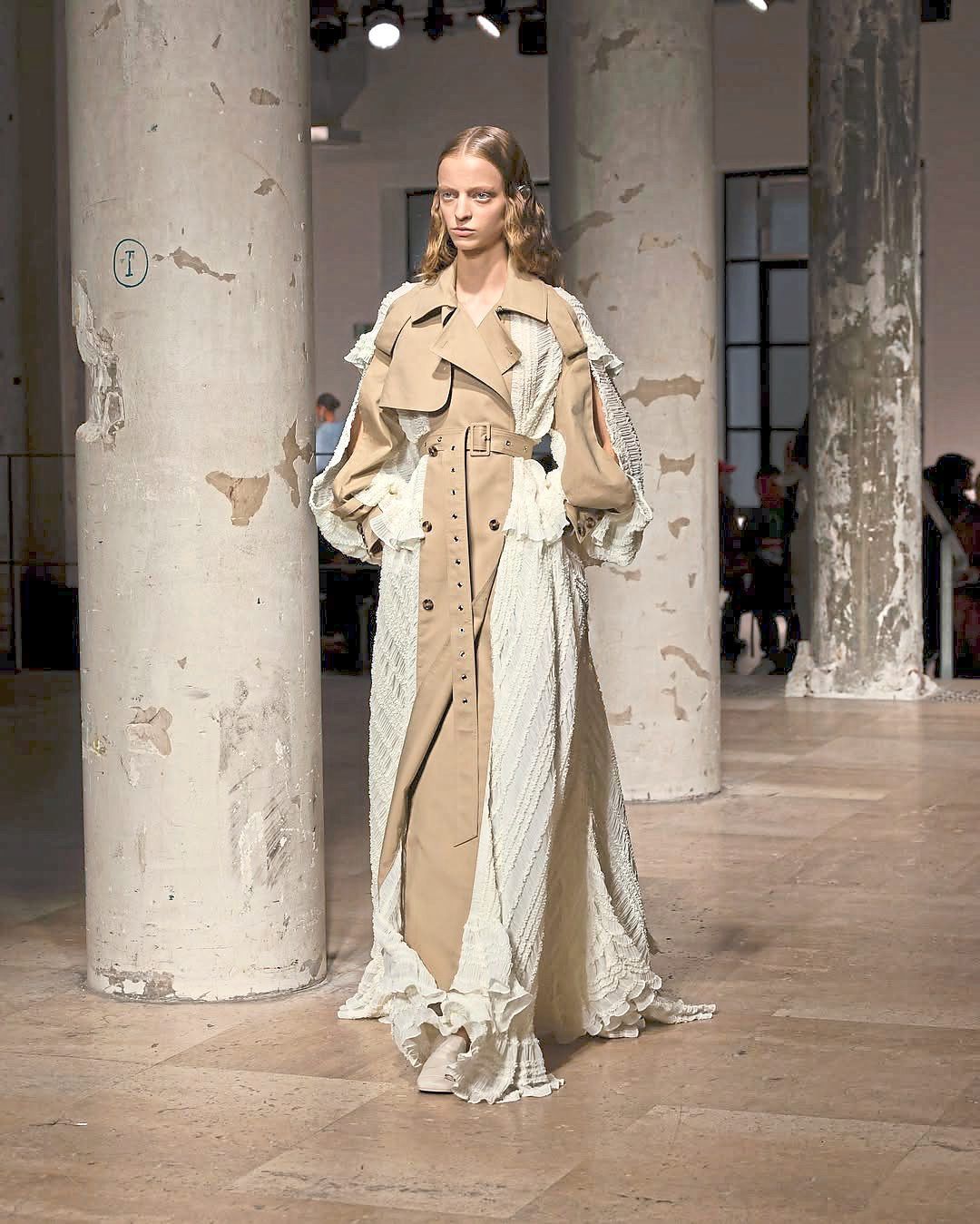
By that measure, K-pop’s influence remains firmly intact.
South Korean idols continue to be courted by luxury labels such as Louis Vuitton, with Felix of Stray Kids walking for the French label at Paris Fashion Week in March.
In October, Nayeon, Momo, Jihyo and Tzuyu of Twice took to the Victoria’s Secret runway in New York.
Their performance (much like the one from Blackpink’s Lisa the previous year) injected fresh energy into what might otherwise have been a conventional lingerie showcase.
A month earlier, Seventeen’s S Coups made waves during Milan Fashion Week by closing designer Marco Falcioni’s Hugo Boss show – a role typically reserved for the most impactful models.
Brands are still appointing K-drama stars as ambassadors too, including Song Kang (Loewe, November) and Hyorin (Tod’s, September).
“Right now, the luxury market is the main sector focusing on South Korean stars to elevate their image and branding,” Chong relates, adding that the country’s biggest names have a clear “Midas touch”.
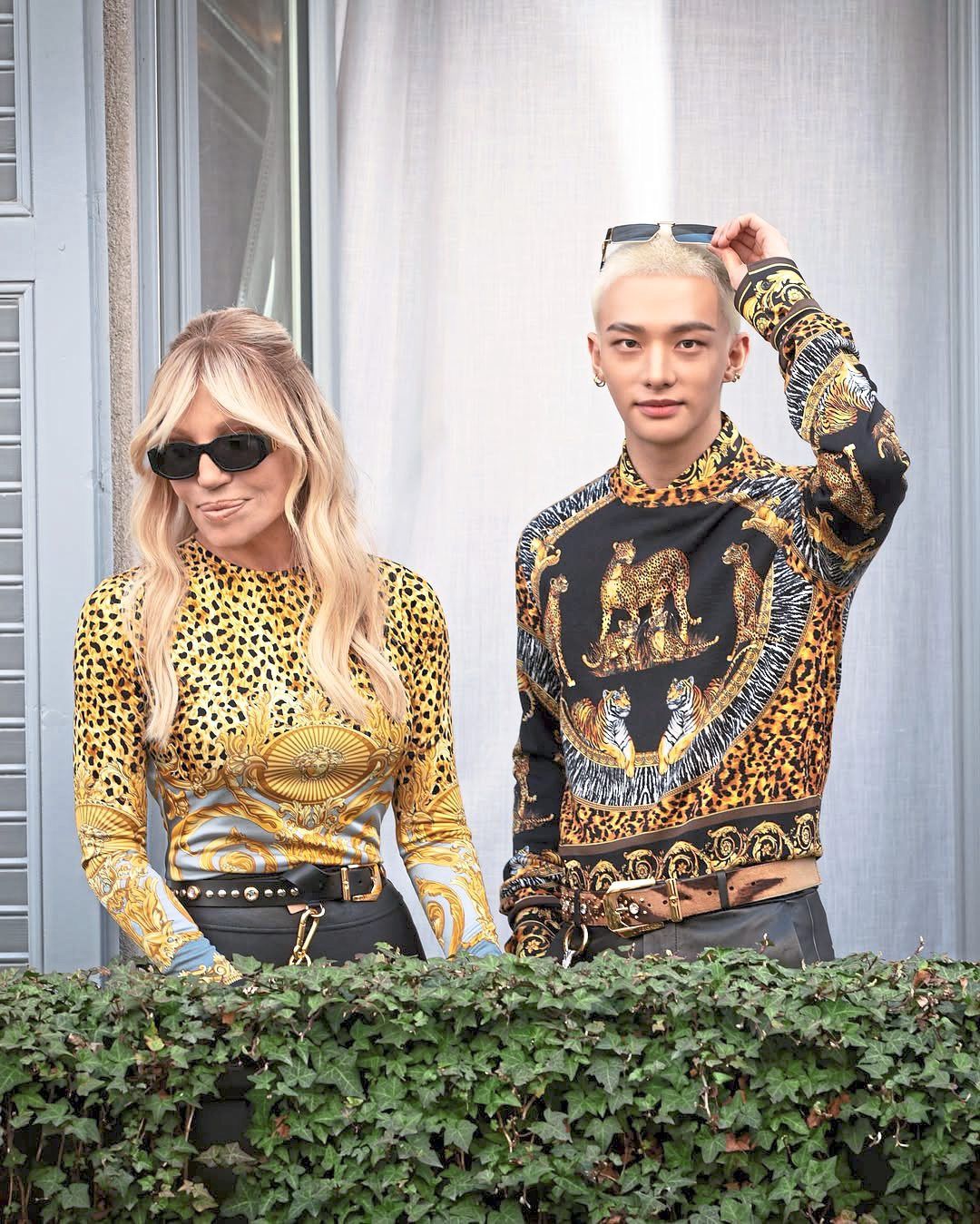
“Hyunjin (rapper and singer) sold out a Versace cardigan simply by wearing it in public,” he enthuses, a call-out to anyone still skeptical of K-fashion’s influence.
Earlier this month, The Korea Herald echoed this sentiment in an article titled “Catwalks are K-pop’s hottest stage of the moment”, highlighting how luxury brands continue to leverage such celebrities to amplify global influence and generate buzz.
In return, the newspaper noted, South Korean idols strengthen their fashion credentials while reaching audiences well beyond the music scene.
Aligning views
Beyond the star power and runway moments, K-fashion’s global influence is shaped as much by interpretation as innovation.
Its diversity means that how it is understood – and ultimately embraced – differs from market to market, filtered through local tastes, cultural references and fashion sensibilities.
From a Malaysian perspective, Chong observes: “In the West, K-fashion can feel bolder and more sensual compared to its local Korean sensibility. The same style is often reimagined in more modest forms here.”
Oh offers a view shaped by two cultures. He is, after all, a South Korean who has spent over a decade living and building businesses in Malaysia.
“Over there, K-fashion is rooted in practicality and everyday wear. Abroad, it is seen as trend-driven and iconic, propelled by K-pop and K-dramas,” he reflects.
Yet those worlds are converging, he notes, a shift that is cementing K-fashion’s continuous global relevance.
“K-fashion is no longer a subculture. It is evolving into a mainstream aesthetic,” Oh claims.
Indeed, the scene shows no signs of slowing down.
If any change is expected from K-fashion, it is likely to grow even stronger – or perhaps finally come into its own, building on the Hallyu wave to establish a distinct global influence.