
As the style industry evolves, brands scramble to stay relevant – but sometimes the most effective strategy is one rooted in heritage.
People are naturally drawn to names whose stories reflect their own background.
According to Dirk Adam Luebbert, CEO of Sunshine International Group and business partner of designer Datuk Tom Abang Saufi, it is a matter of forging a connection.
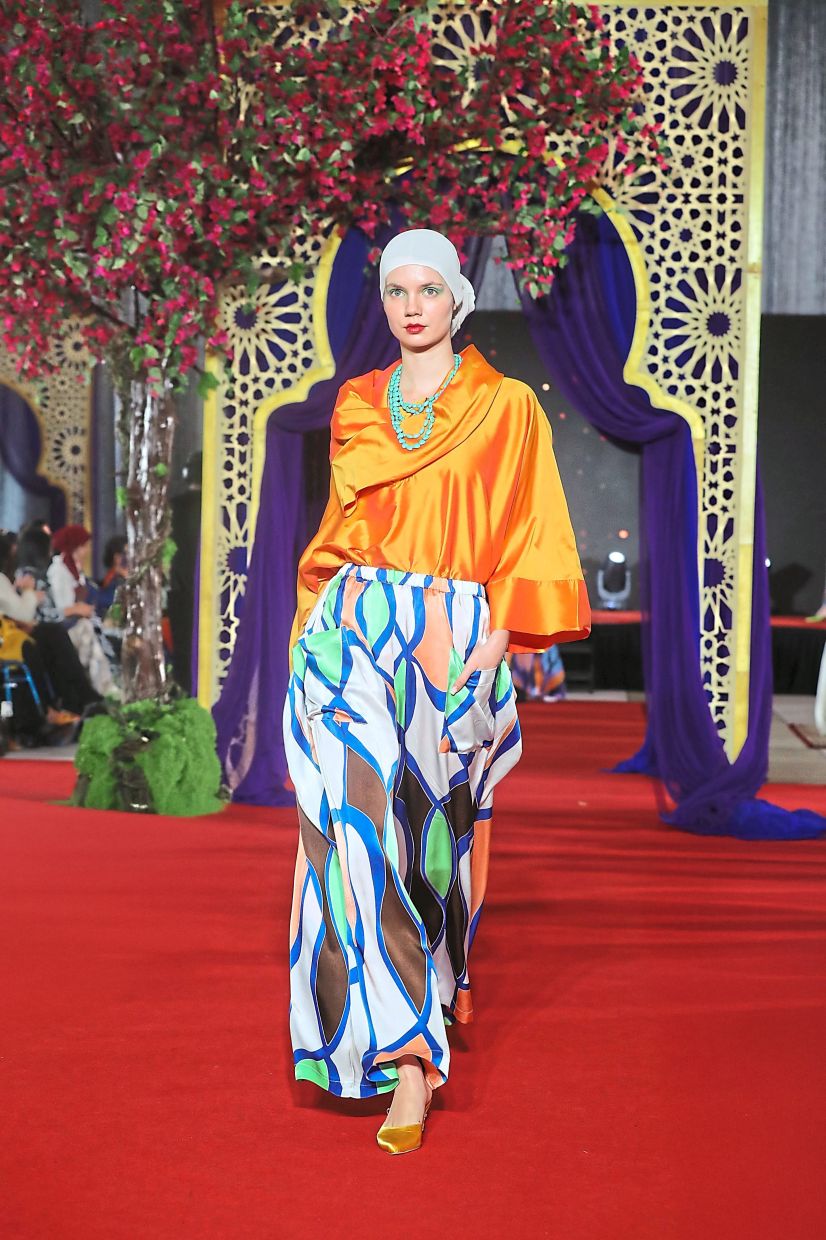
“The Tom Abang Saufi brand draws from both our four decades of history and Malaysia’s cultural heritage, reinterpreting them through clean silhouettes, comfort and ease,” he explains.
For him, there is value in what feels “real”.
“Heritage gives authenticity, but relevance gives it life,” he notes.
“The past isn’t a place we visit – it’s where we begin. We evolve those stories through new fabrics, colours and proportions, so they continue to feel fresh, not nostalgic.”
A recent Tom Abang Saufi runway show highlighted design elements tied to the brand’s identity, with traditional Malaysian fabrics featured prominently.
Vibrant hues were also abundant (Tom previously told StarTrends that she loves bold colours and cannot imagine life without them).
On whether brand heritage limits creative freedom, Luebbert says it can actually enrich the process.
He emphasises that engaging younger audiences, often seen as a clash between old and new, does not mean you have to compromise who you are.
Read more: Heritage meets high style: Jimmy Choo’s humble touch in a new fashion collab
Family ties that bind
For some brands, heritage is reflected in their family-owned roots.
Longchamp, a leather goods company founded in Paris back in 1948, has remained in the Cassegrain name for over 70 years. That continuity is what shapes its vision.
“I’m fortunate to inherit such beautiful know-how and craftsmanship. They form a strong foundation for new creativity,” says creative director Sophie Delafontaine, during a visit to Kuala Lumpur.
“I am using the heritage to create new products. Every season, for example, we introduce new bag styles and shapes.”
Delafontaine, the granddaughter of founder Jean Cassegrain, believes that you cannot escape from having to innovate.
“Our way of life keeps changing – our needs, our spirit, our mood shift from day to day, so I try to stay creative while staying true to craftsmanship,” she comments.
Her view is that brand heritage should never be seen as a constraint. Instead, she thinks that it can even help to spur experimentation.
“When you have a solid base, it allows you to be even more creative,” Delafontaine shares.
“Sometimes it works, sometimes it doesn’t. But no matter what, it is the brand heritage that gives you the wind to move forward and create with confidence.”
Speaking about the passage of time, she sees style as universal, passed down through heritage and connecting past to present.
“I’m happy that I sometimes carry the same bag as my daughter. She doesn’t wear it the same way I do – maybe she adds lots of keychains, while I keep it more neutral, but the design is identical.”
For sure, iconic creations can remain cool and relevant over time.
“I’ve played with one design across hundreds of colours and materials, and I’ve collaborated often to come up with something fresh,” she shares, adding that such signature pieces from Longchamp continue to hold a lasting place in people’s lives.
A strong lifestyle link
Heritage in fashion can also represent a particular way of life or an area of interest.
For example, a sporty brand may be closely linked to an active, performance-driven hobby, shaping both its design and the way it engages with customers.
Piquadro recently launched its collaborative collection with Ducati.
The event opened with a dramatic entrance by riders on power bikes, thrilling motorsport fans in attendance. Malaysian professional motorcycle racers like Hafizh Syahrin also made an appearance.
As a leather goods maker known for its utility-driven, practical designs, it is only natural that Piquadro would find kinship with the precision-focused world of motor racing.
The two brands’ shared origins further underscore how heritage continues to shape identity and perception.

“I think it’s a good synergy and a good collaboration.”
Guests of the evening were not the typical fashion crowd though. They could be seen as the adventurous type – more at home on the track than at a glamorous soiree.
Joey, a former television VJ, shares that he once rode power bikes, but gave up after a minor accident.
He is still very much excited when it comes to anything to do with motorsports.
“If you’re a biker and a Ducati fan, I’m sure this collection will appeal to you!” he quips.
His enthusiasm highlights just how important heritage is in shaping a brand’s identity and appeal in fashion.
Read more: Fashion finds its true self? Why authenticity now matters more than trends
Celebrating an origin
While brand heritage can exist independently of culture, the two often enrich one another.
When Burberry appointed Joshua Schulman as CEO in 2024, he steered the fashion house firmly back to its core identity. His ongoing plan is to emphasise Britishness across both product and marketing.
A statement released last November underscored this direction, describing Burberry as a “differentiated luxury brand with a unique history and heritage”. The shift is evident on runways.
Chief creative officer Daniel Lee – who has been re-centering Burberry around its traditions since joining in 2022 – further leaned into the familiar codes long-time fans would recognise.
His collections feature heavy use of the house’s signature check, alongside a renewed focus on the classic trench coat that Burberry is known for.
He also embraced a more off-kilter aesthetic, considered distinctly British, in contrast to the sleek, glamorous styles typical of Italian and French fashion houses.
“We try to celebrate the best parts of the country. For me, that’s the creativity, the music, the theatre, the film that still comes out of here,” says Lee, based in London, in a GQ interview published earlier this year.
Burberry’s Autumn/Winter 2025 show in February brought together an array of stars, all British, among them Naomi Campbell, Jason Isaacs, Jodie Turner-Smith, Geri Halliwell and Rosie Huntington-Whiteley.
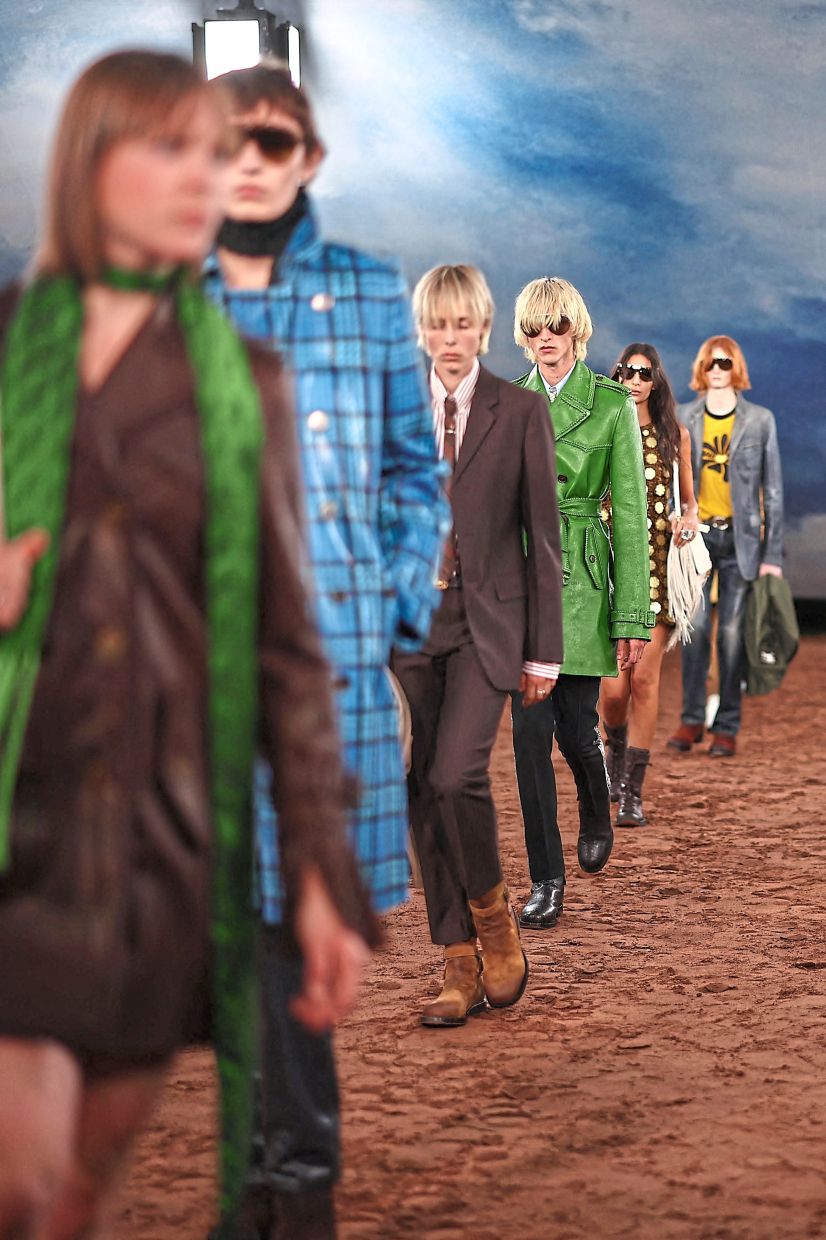
For Spring/Summer 2026, Burberry moved its runway to London’s National Theatre, yet another storied British institution.
An attractive narrative
As it is, countless global brands are labelled as “heritage”.
These include less mainstream names like Halston, Barbour, and Escada, which draw on their history to shape both their aesthetic and their appeal to customers.
Others have recognised the value of this approach, with campaigns increasingly digging into their archives to foster a sense of devotion.
Family legacy remains a strong currency, as does the constant return to iconic or archival designs.
Hackett London’s collection for this season continues its “Tradition & Modernity” series, with Spanish racing driver Carlos Sainz and his father fronting the visuals, dressed in country-classic designs.
Tod’s has taken a similar approach with its current “Italian Diaries” campaign, featuring next-generation talents with recognisable surnames – Travolta, Gallagher, Banderas, Rossellini and Gassmann, while highlighting its driving shoe, a design with nearly 50 years of history.
In June, Bally released striking visuals of models wearing only their underwear and shoes, underscoring the brand’s heritage in footwear design.
Three months later, a second campaign was shot by a Swiss lake to symbolise an “elegant return to its roots”.
The messaging remained consistent in Bally’s case:
“The collection offers classic lines and motifs alongside heritage details from the archive.”
These examples show how much brands consistently and deliberately leverage their heritage to evoke nostalgia, pride and identity.
For an industry that adores collaboration, the ongoing tie-up between past and present definitely remains too compelling to ignore.