In fashion, competition is not always bad. Sometimes, keeping your rivals close can pay off.
The culture of collaboration, which took off in the 2000s, remains as strong as ever.
It spans everything from buzzworthy pairings to strategic partnerships that blur the line between brands, aesthetics and audiences.
Of course, most tie-ups bring together labels that do not compete directly — a blend of complementary strengths.
Luxury houses usually team up with more accessible brands, bridging the gap between high fashion and everyday wear to stay relevant.
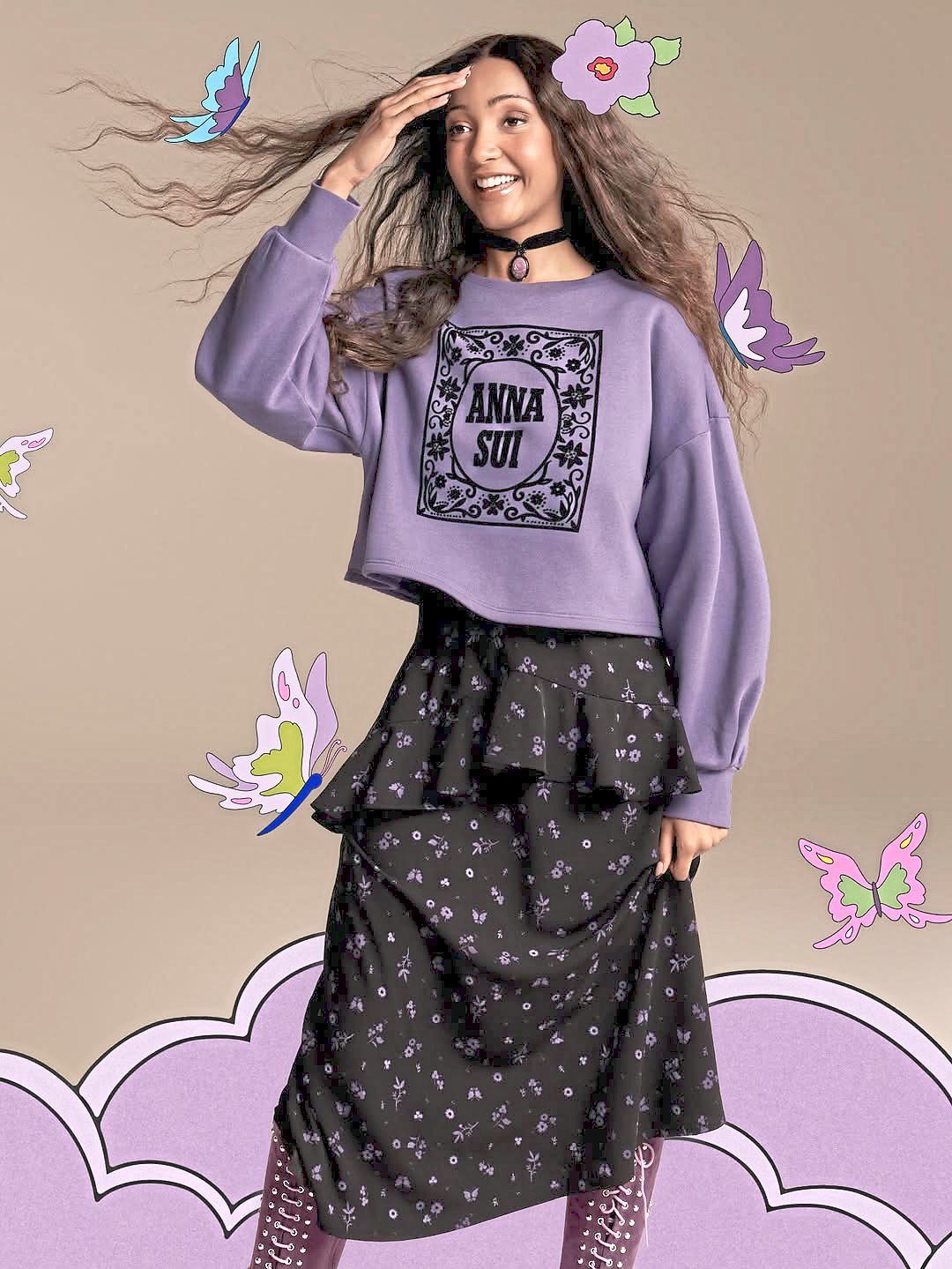
Old Navy announced its first designer collaboration last week. Working with Anna Sui, the affordable retailer is set to bring the designer’s signature whimsical style to a broader audience.
While Old Navy now has red-carpet maestro Zac Posen at the helm, it remains very much a mass-market name. Sui, on the other hand, is a designer who caters to more luxe tastes.
Read more:
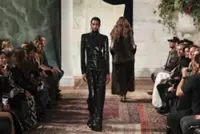
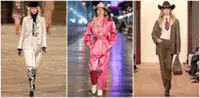
The recent round of fashion weeks saw numerous collaborations take the spotlight.
KNWLS worked with Nike on a performance-meets-subculture collection, while Mikimoto joined forces with Onitsuka Tiger for a striking blend of pearls and streetwear.
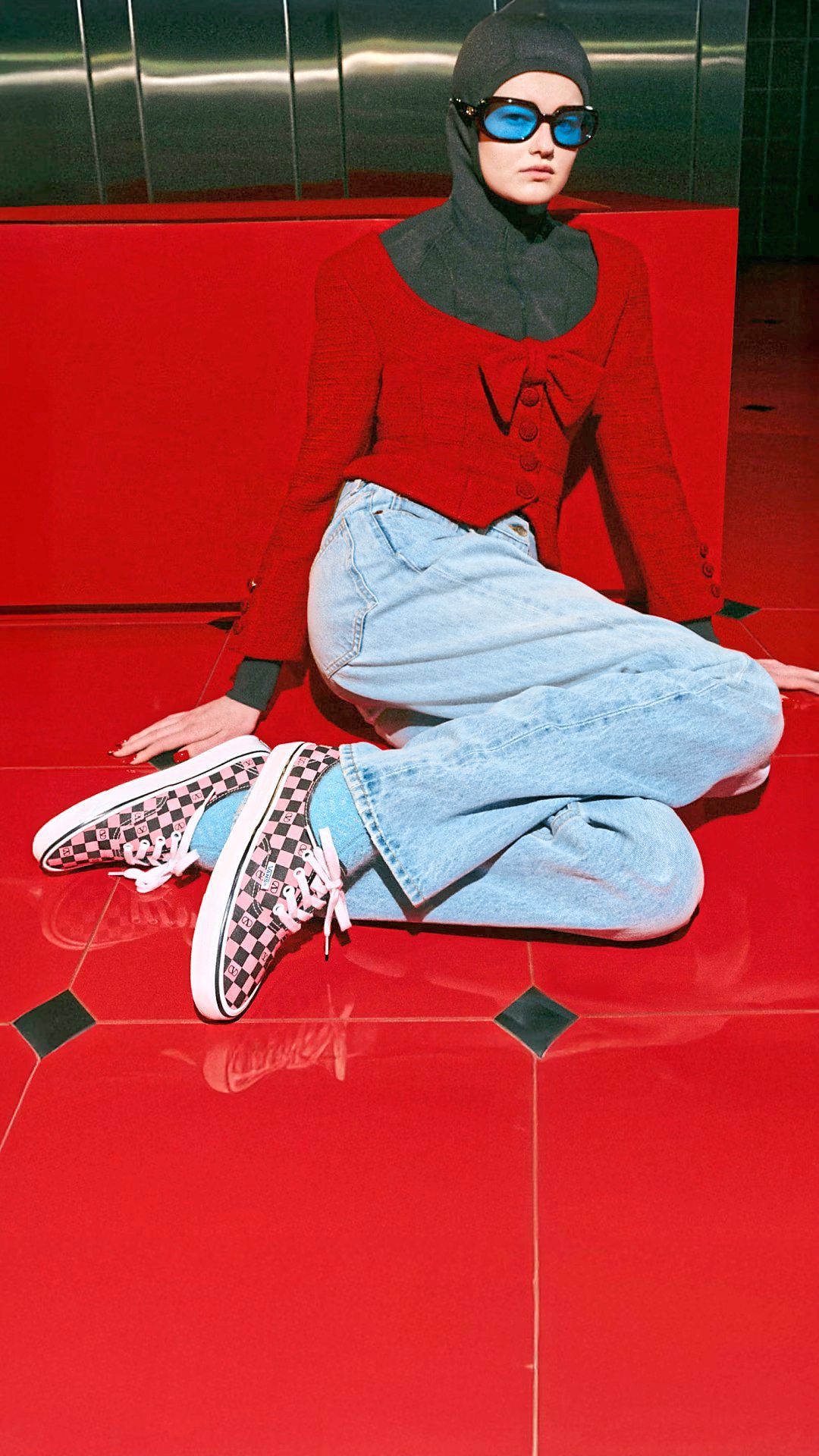
Back in March, Valentino teased its collaboration with Vans.
There was no announcement at that time, but fashion observers were quick to spot the signature sneakers worn by models as they walked the Valentino Autumn/Winter 2025 runway.
In September, the fashion house finally confirmed the partnership, unveiling a limited-edition range of Vans classics reinterpreted with refined craftsmanship and bold graphic detailing.
If you look back to 2021, there was the designer exchange that rocked the fashion industry – Fendi and Versace’s Fendace collection.
Donatella Versace reimagined Fendi’s monogrammed codes with her signature sensual flair, while Kim Jones injected Versace’s maximalist energy into Fendi’s structured elegance.
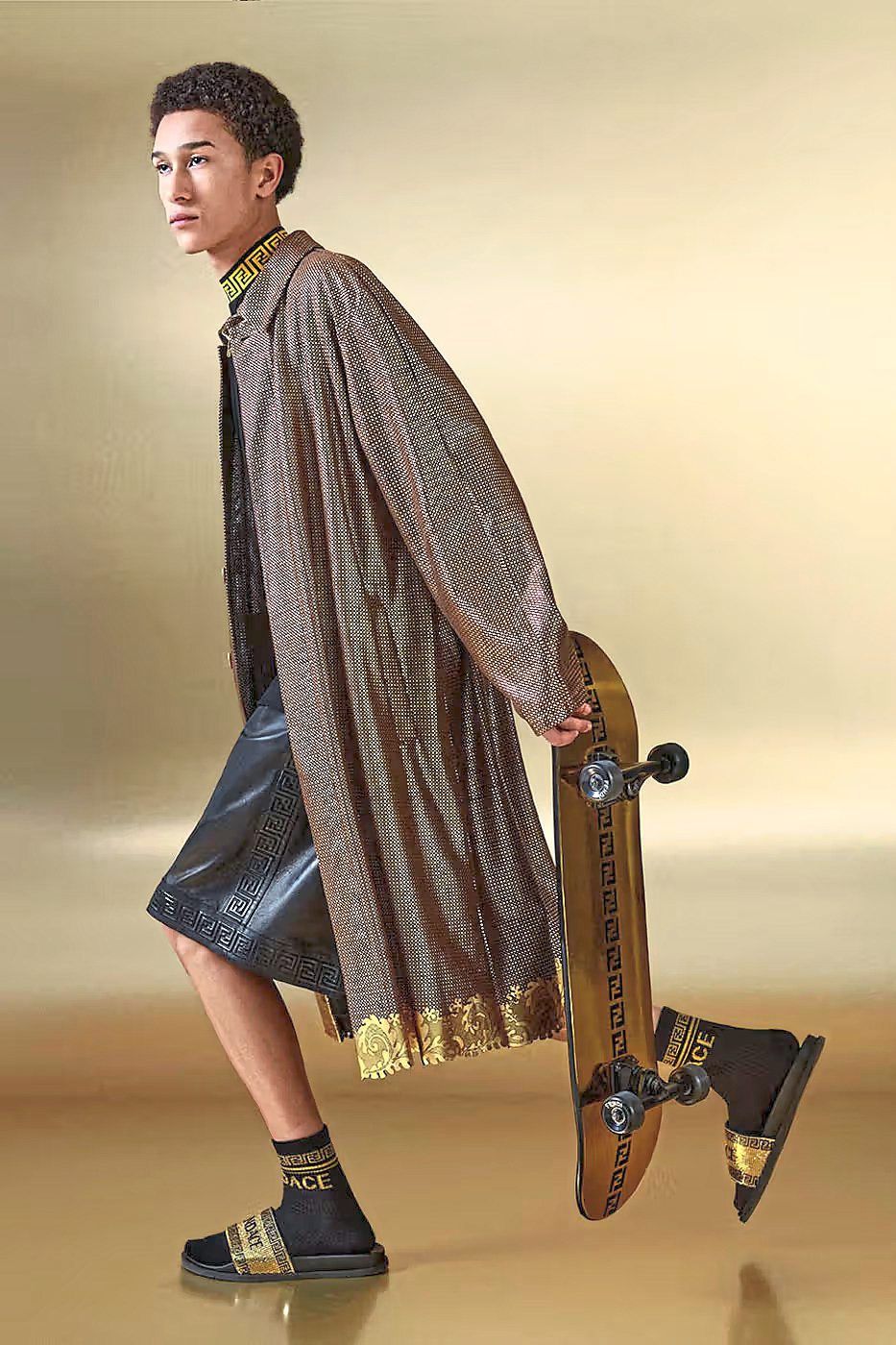
“It’s a swap rather than a collaboration, and most of all, it is done out of friendship,” read the statement by Jones, released when the designs hit stores.
“The campaign captures the same sense of friendship and energy we had when we were designing the collection,” Donatella said.
Read more:
Another memorable collaboration was between Supreme and Louis Vuitton in 2017 – a moment that defined the height of the streetwear era.
The partnership brought skate culture to the luxury runway, turning hoodies and monogrammed trunks into must-have status symbols.
Years later, with the streetwear boom tapering off and tastes shifting towards sportswear instead, it still stands as a reminder of how transformative that cultural moment had been.
Emilio Pucci, though less widely recognised for it, was among the first designers to experiment with inter-brand projects. In 1968, he launched a menswear line in partnership with Italy’s premier tailoring house of the time, Ermenegildo Zegna.
These collaborations can extend beyond fashion too.
A recent example is how Swarovski launched a bespoke juice and a crystallised tote bag with Erewhon, an upscale grocery chain in the US.
Malaysians were also treated to the same spirit of playful creativity when Fiziwoo teamed up with Luckin Coffee to launch a batik-inspired concept store.
You could say that in fashion, teamwork never goes out of style – at least, not for now.