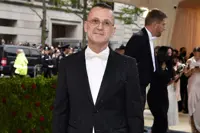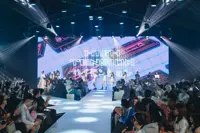
Fashion’s latest frontier veers once more into the dystopian, where alien-like silhouettes and otherworldly textures transform the human body into a futuristic fantasy.
Picture a world of stark, unsettling beauty – where clothing embodies survival and transformation, rather than comfort or convention.
With climate anxiety and the rise of AI reshaping culture, it is no surprise that style today mirrors the unease of our times.
That feeling is also driving the rise of technical wear. Labels like Acronym, Alyx and Stone Island are reimagining utility clothing with futuristic precision – engineered with durability, protection and adaptability in mind, but styled so sharply that survivalist gear becomes high fashion.
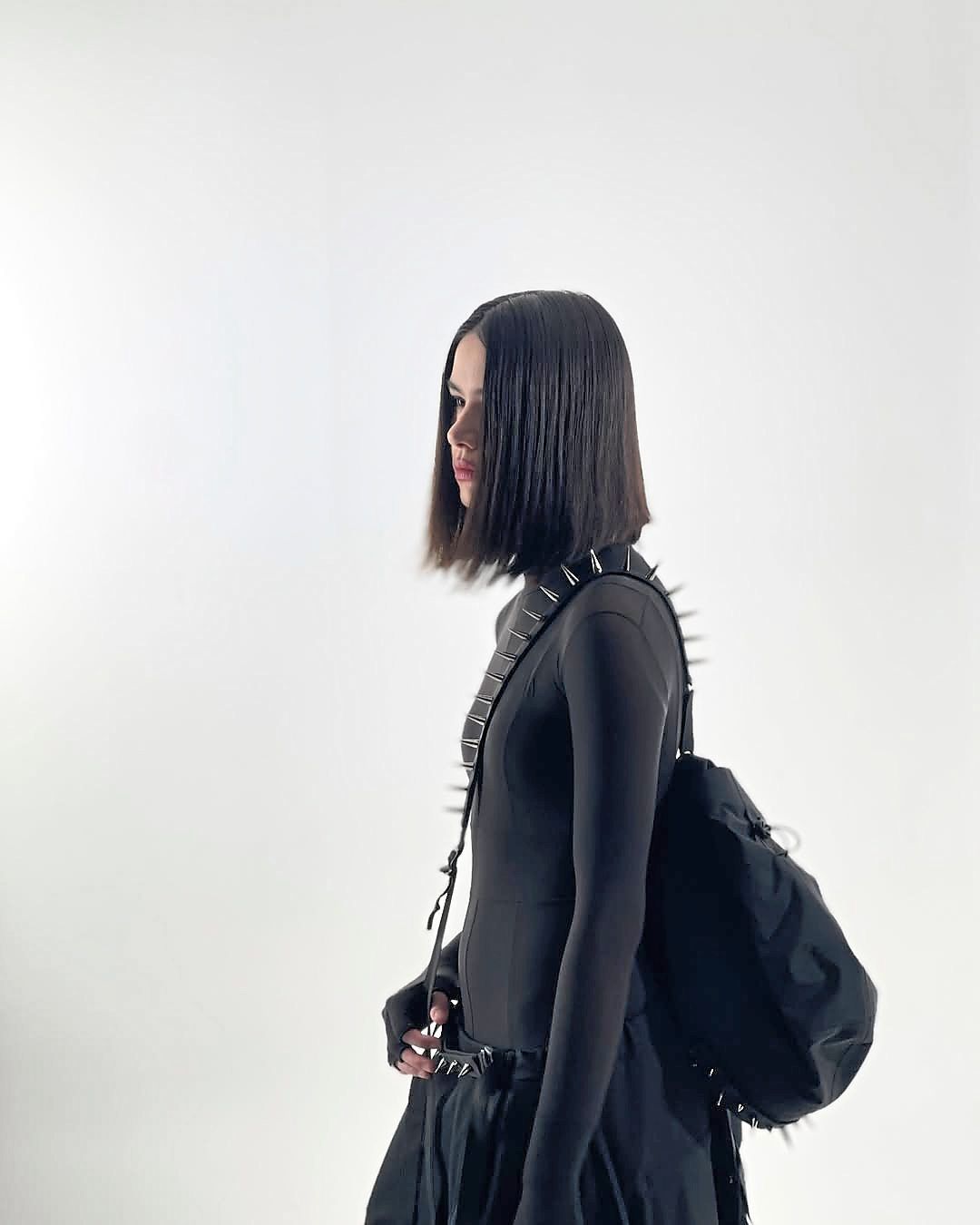
Read more: How celebrities are embracing goth style in all its dark, dramatic glory
The aesthetic reached a mainstream stage not too long ago with the Dune film series.
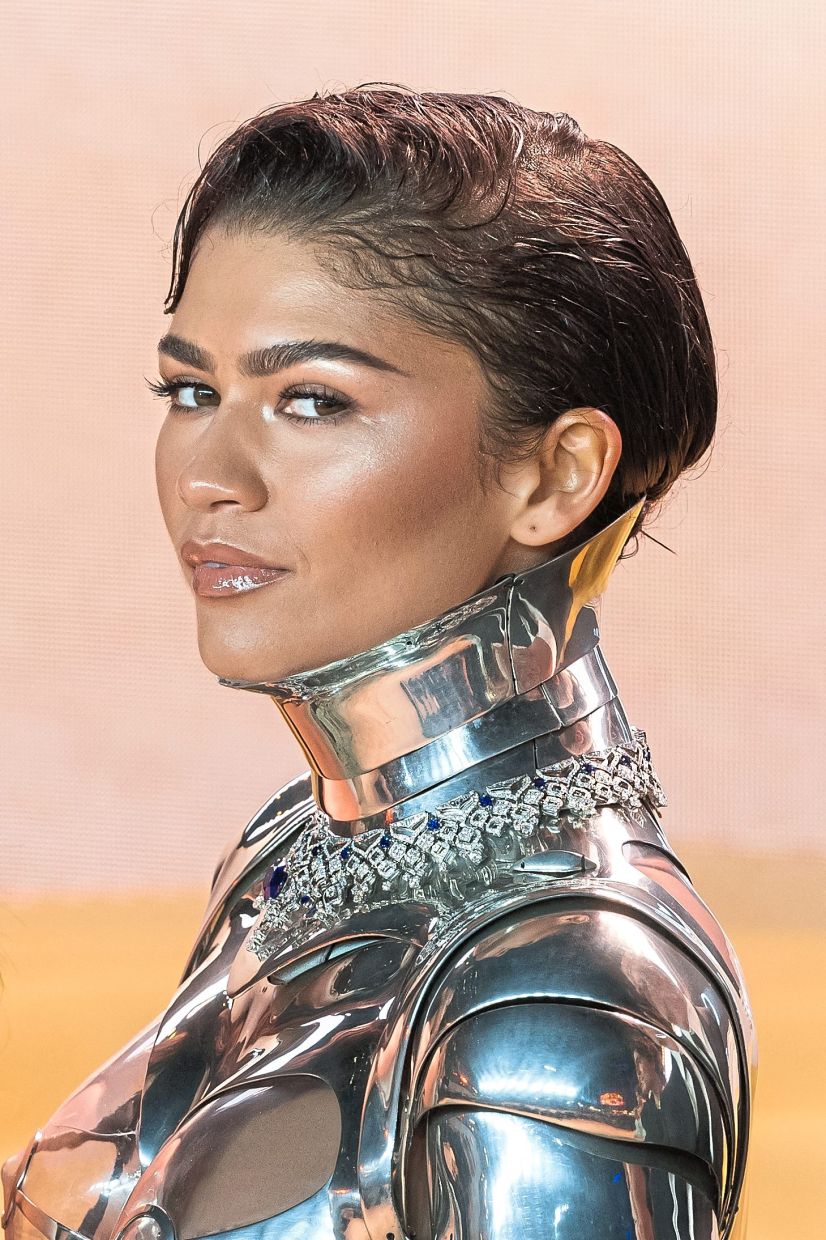
At the premieres of its first two installments in 2021 and 2024, stars appeared in sculptural gowns, sand-toned palettes and armour-like detailing.
The looks echoed the film’s vision of resilience and power, where clothing serves as both shield and statement.
Zendaya, especially, embraced the role of fashion’s desert warrior-muse, stepping out in avant-garde creations that radiated an air of otherworldly strength.
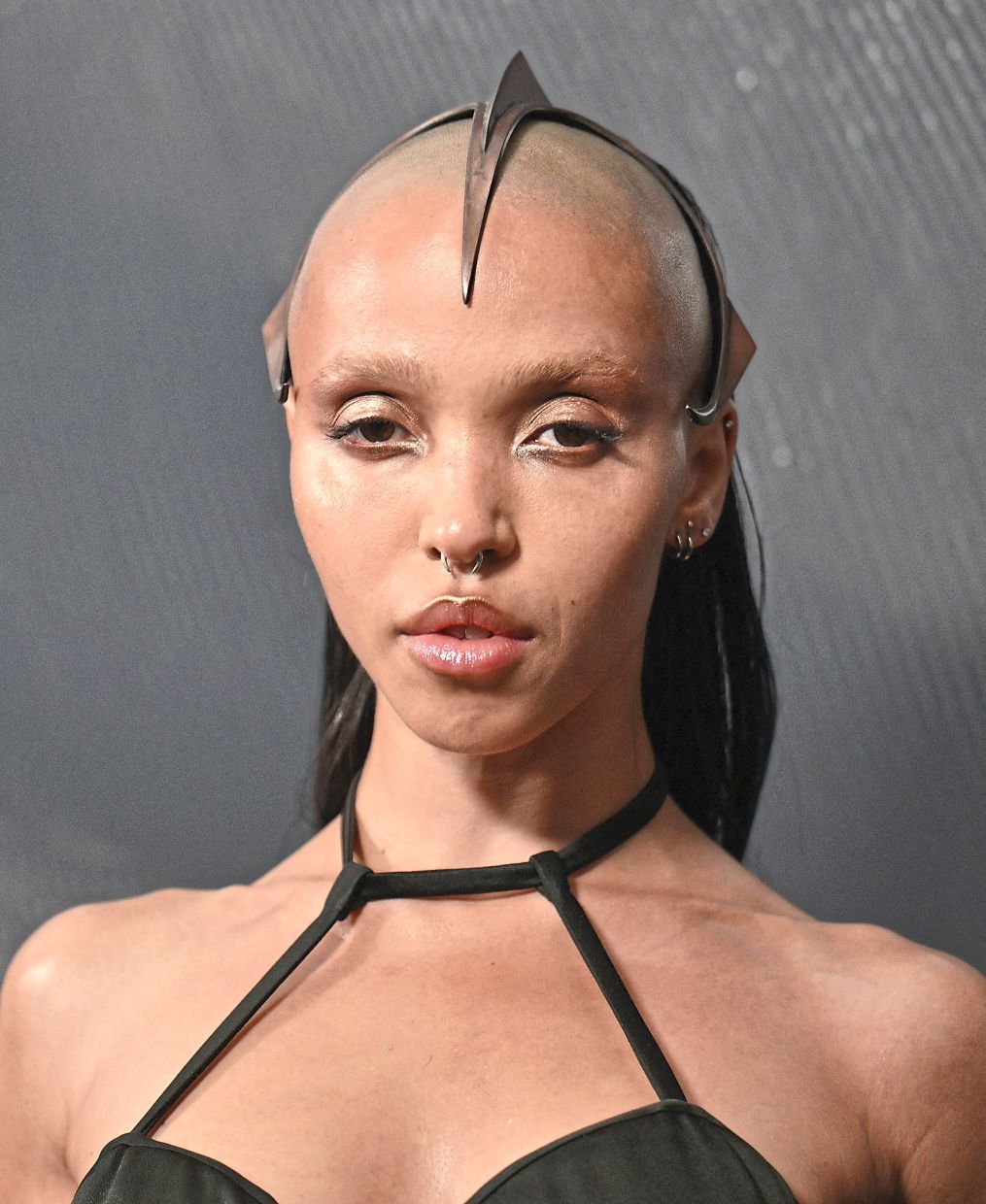
FKA Twigs is another star devoted to dystopian-inspired dress, often experimenting with headpieces and unconventional proportions.
She made waves at the world premiere of The Crow last year, arriving with a shaved head and a dramatic dorsal-fin scalp accessory that pushed her look into “alien-chic.”
At Rick Owens’s January show, she drew stares again in a burnt-orange minidress accented with intricate, tribal-inspired face tattoos.
Tilda Swinton embodied this same futuristic unease in Gentle Monster’s latest campaign, where surreal eyewear and stark imagery transformed her into a spectral figure caught between fantasy and reality.
Owens himself is a master of the dystopian mood.
He has sent models down the runway in towering platform boots, swathed in leather cocoons, and even strapped together in eerie, almost ritualistic formations that challenge the very notion of how clothing should move.
Owens is far from alone in this vision though.
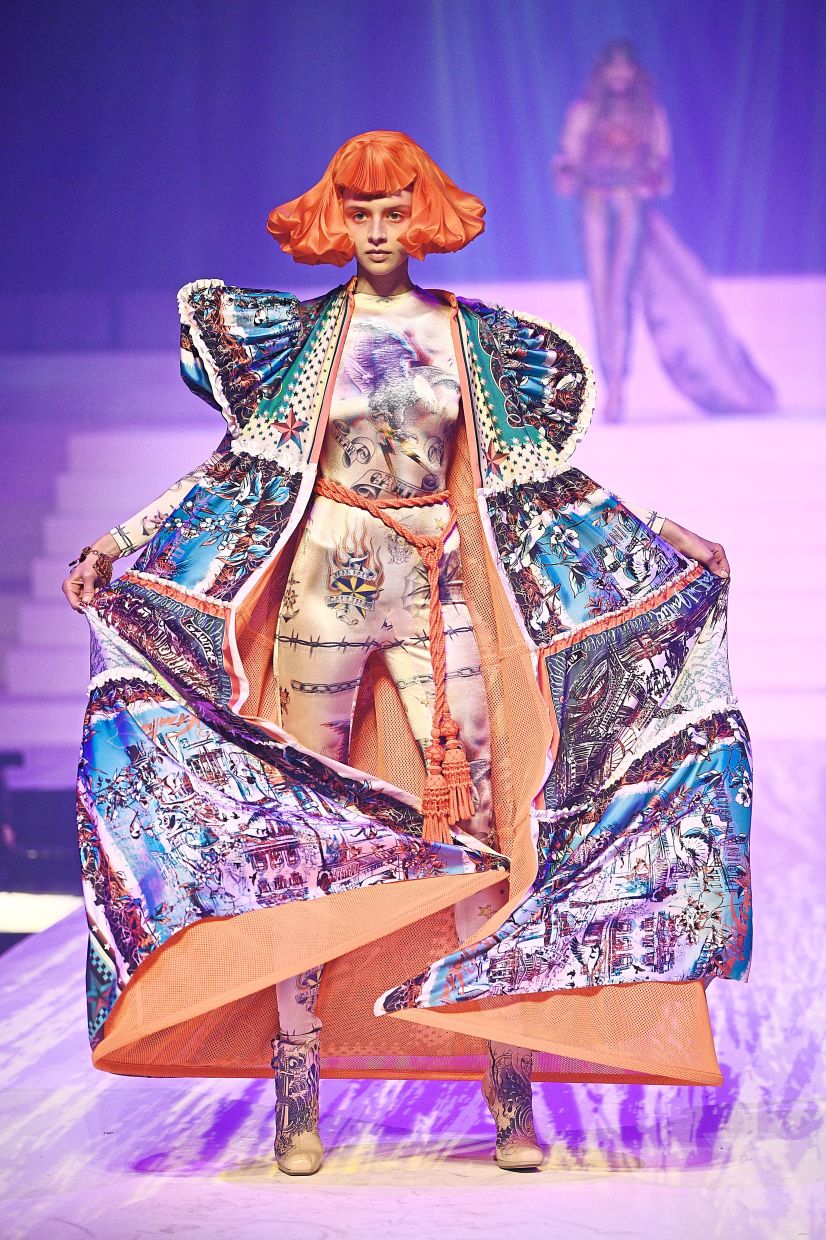
Jean Paul Gaultier has long embraced the theatrical and the strange, exaggerating the human form with bold, architectural flourishes.
He also designed the costumes for The Fifth Element, the 1997 cult sci-fi film that arguably set the template for futuristic fashion on screen.
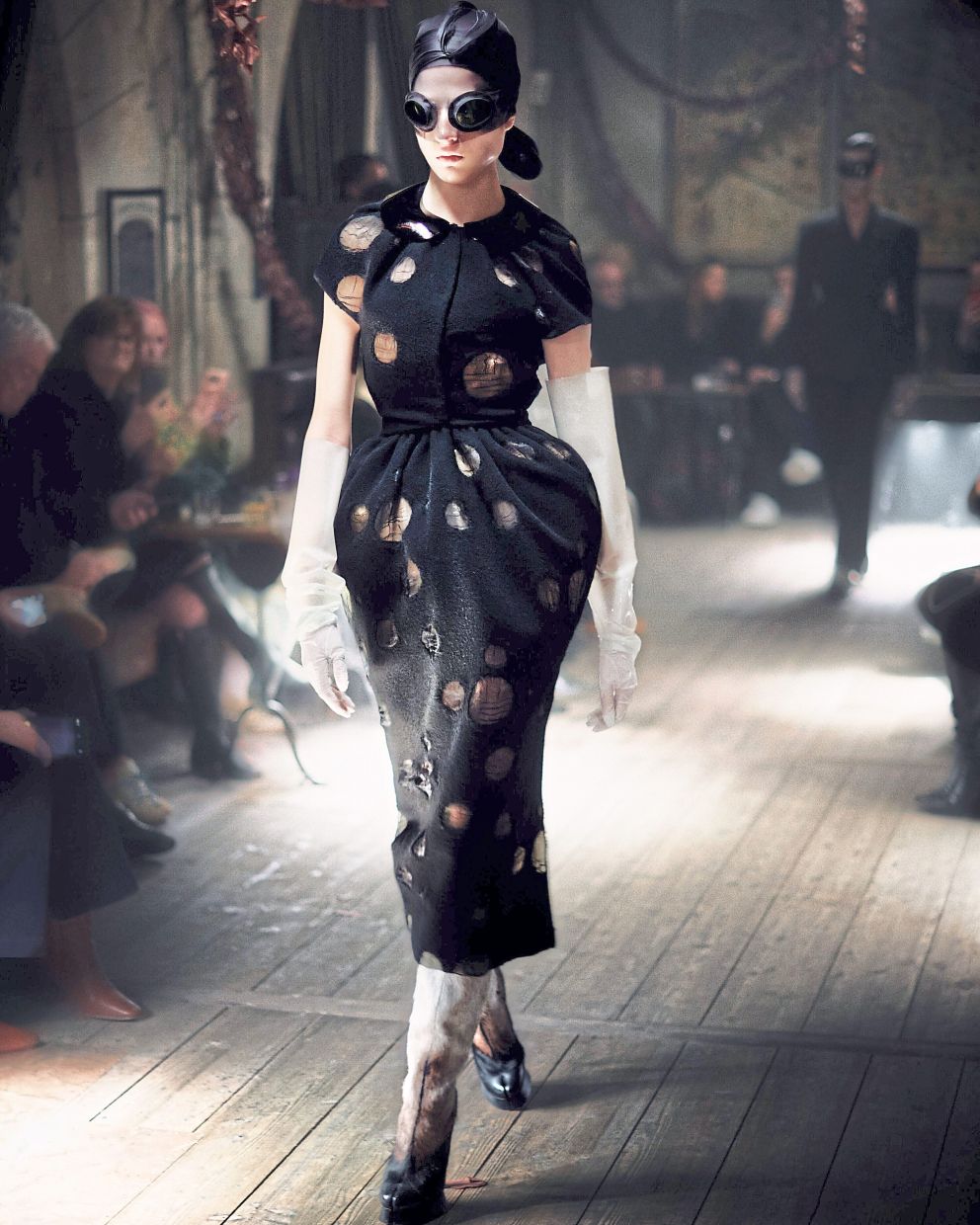
Maison Margiela, under John Galliano, has leaned into this uncanny aesthetic too, sending out models in masks, deconstructed tailoring and ghostly silhouettes that evoke menacing fragility.
Read more: Saggy pants and waistbands: K-pop stars revive another Y2K fashion trend
Galliano is known for transforming his runways into haunting theatre, where garments seem torn between past and future, beauty and decay.
In June, Marc Jacobs offered his own take on modern maximalism.
Here, towering proportions, oversized bows and sculptural shapes engulfed the body, echoing the same dystopian impulse seen in collections by Owens, Gaultier and Galliano.
This vision of fashion unsettles as much as it inspires. It reminds us that style can just as easily imagine survival in an uncertain future as it can revel in beauty in the present.